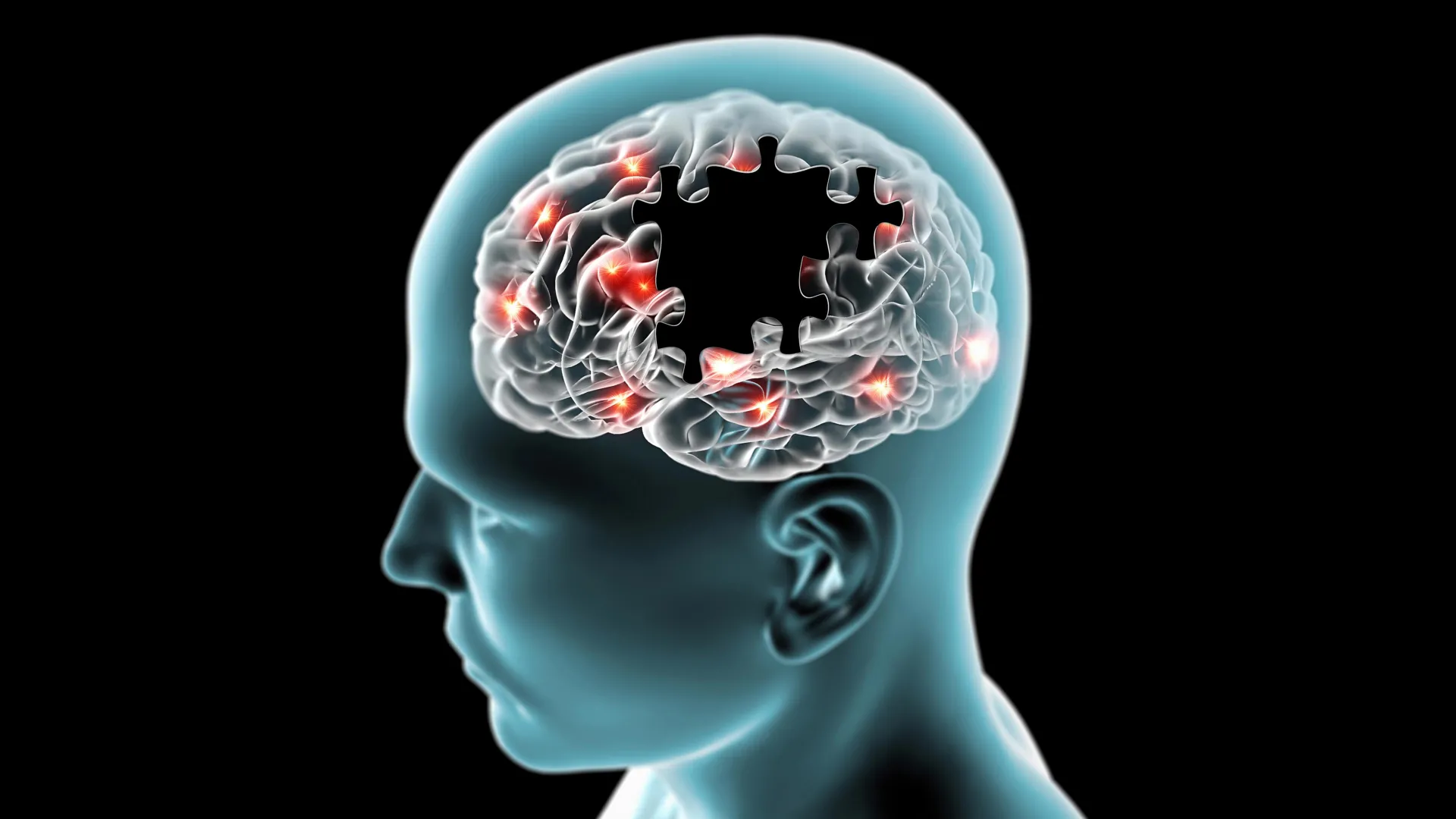
A remarkable genetic adaptation found in high-altitude dwellers like yaks and Tibetan antelopes, which allows them to thrive in oxygen-deprived environments, is now presenting a groundbreaking avenue for treating nerve damage in humans. Researchers have identified a specific gene mutation that not only aids survival in thin air but also holds significant promise for restoring damaged nerve insulation, a critical factor in debilitating conditions such as cerebral paralysis and multiple sclerosis (MS). The findings, published in the esteemed scientific journal Neuron by Cell Press, illuminate a natural biological pathway that could be harnessed using readily available molecules within the human body to promote nerve regeneration.
"Evolution is a great gift from nature, providing a rich diversity of genes that help organisms adapt to different environments," stated corresponding author Liang Zhang of the Songjiang Hospital Affiliated to Shanghai Jiao Tong University School of Medicine. "There is still so much to learn from naturally occurring genetic adaptations." This sentiment underscores the immense untapped potential of studying the genetic blueprints of organisms that have evolved to overcome extreme environmental challenges.
The Critical Role of Myelin in Neurological Health
The myelin sheath, a fatty insulating layer that encases nerve fibers in the brain and spinal cord, is paramount for efficient and rapid transmission of electrical signals. This vital insulation acts as a conduit, ensuring that neural messages travel unimpeded to their destinations. When this protective layer is compromised, the speed and accuracy of nerve signaling are significantly impaired, leading to a cascade of neurological dysfunctions.
In the context of early brain development, insufficient oxygen levels can lead to the malformation or damage of the myelin sheath, a critical period during which proper myelination is essential for cognitive and motor development. This can result in conditions like cerebral paralysis, a disorder characterized by impaired movement and posture. The implications of such developmental disruptions are profound, affecting lifelong capabilities and requiring extensive lifelong care.
In adulthood, the myelin sheath becomes a target for autoimmune diseases. Multiple Sclerosis (MS), a chronic autoimmune disorder, is defined by the immune system mistakenly attacking and destroying myelin. This self-inflicted damage leads to a wide spectrum of neurological symptoms, including fatigue, muscle weakness, visual disturbances, and problems with coordination and balance. The progressive nature of MS means that over time, accumulated myelin damage can lead to increasing disability.
Furthermore, the aging process itself can contribute to myelin degradation. As blood flow to the brain naturally decreases with age, areas of reduced oxygen supply can harm the myelin sheath. This can contribute to age-related neurological conditions such as cerebral small vessel disease, which affects the tiny blood vessels in the brain, and vascular dementia, a form of cognitive impairment linked to cerebrovascular problems. The cumulative effect of these various insults on myelin highlights its central role in maintaining brain health and function throughout life.
Unraveling the High-Altitude Mutation: The Retsat Gene
For years, scientists have observed that animals inhabiting the Tibetan Plateau, an expansive region with an average elevation of approximately 14,700 feet (4,500 meters), exhibit remarkable resilience to the thin air. A key genetic discovery revealed that these animals, including the iconic yak and the elusive Tibetan antelope, possess a specific mutation in a gene known as Retsat. This genetic alteration was long suspected to be instrumental in helping these species maintain optimal brain function despite the chronic low-oxygen conditions.
The research led by Dr. Zhang sought to rigorously test this hypothesis by investigating whether the Retsat mutation could indeed offer protection to the myelin sheath. The team designed an experiment involving newborn mice, exposing them to simulated low-oxygen environments comparable to altitudes exceeding 13,000 feet (4,000 meters) for a period of approximately one week. The results were compelling: mice that carried the Retsat mutation demonstrated superior performance in cognitive and behavioral tests, including assessments of learning, memory, and social interaction, when compared to their counterparts lacking the mutation. Crucially, microscopic examination of their brains revealed a significantly higher density of myelin surrounding nerve fibers, providing direct evidence of the gene’s protective effect on nerve insulation.
This study, building upon earlier observations, provides a critical link between a specific genetic adaptation for high-altitude survival and the fundamental mechanisms of nerve health. The ability of the Retsat mutation to foster robust myelination under hypoxic stress suggests a powerful biological mechanism that could be leveraged for therapeutic purposes.
Accelerated Myelin Repair and Enhanced Nerve Regeneration
Beyond its protective capabilities, the research delved into the potential of the Retsat mutation to facilitate the repair of pre-existing myelin damage, mirroring the pathological processes seen in conditions like MS. In a series of experiments, the scientists observed that mice harboring the Retsat mutation exhibited significantly faster and more complete recovery of damaged myelin. This accelerated repair was correlated with a notable increase in the population of mature oligodendrocytes – the specialized glial cells responsible for synthesizing and maintaining the myelin sheath – within the affected areas of the brain.
This finding is particularly significant because it suggests that the Retsat mutation not only prevents damage but actively promotes the regenerative processes necessary to restore myelin. The enhanced production and maturation of oligodendrocytes are key to rebuilding the protective insulation, offering a potential pathway to reverse neurological deficits caused by myelin loss. The implications for treating chronic demyelinating diseases are substantial, offering hope for interventions that can actively repair rather than merely manage the condition.
The Vitamin A Metabolite ATDR: A Natural Brain Repair Agent
Further in-depth analysis of the molecular mechanisms underlying the Retsat mutation’s effects revealed a critical link to a naturally occurring compound. The researchers discovered that mice with the mutation exhibited elevated levels of ATDR (all-trans retinoic acid), a metabolite derived from vitamin A, within their brains. It appears that the Retsat mutation enhances the activity of specific enzymes responsible for converting vitamin A into its biologically active forms, such as ATDR.
These vitamin A metabolites play a crucial role in supporting the growth, differentiation, and maturation of oligodendrocytes. By boosting the availability of these essential molecules, the Retsat mutation effectively primes the brain for enhanced myelin repair and regeneration. The discovery of this pathway provides a tangible molecular target for therapeutic intervention.
To validate the therapeutic potential of ATDR, the research team administered this vitamin A metabolite to mice experiencing an MS-like condition. The results were highly encouraging, with the treated animals showing a significant reduction in disease severity and marked improvements in motor function. This direct demonstration of ATDR’s efficacy in a preclinical model of demyelination provides strong preclinical evidence for its potential as a therapeutic agent.
A Paradigm Shift in Treating Myelin-Related Diseases
The current landscape of treatments for MS primarily focuses on modulating the immune system to suppress the autoimmune attack on myelin. While these therapies have proven effective in slowing disease progression and reducing the frequency of relapses, they do not typically reverse existing myelin damage. Dr. Zhang suggests that the findings from this study could herald a fundamental shift in therapeutic strategy, moving towards promoting endogenous repair mechanisms.
"ATDR is something everyone already has in their body," Dr. Zhang emphasized, highlighting the inherent safety and accessibility of this natural molecule. "Our findings suggest that there may be an alternative approach that uses naturally occurring molecules to treat diseases related to myelin damage." This perspective opens up exciting possibilities for developing therapies that are not only effective but also leverage the body’s own regenerative capacities, potentially offering a more sustainable and less invasive approach to treating a range of neurological disorders.
The implications of this research extend beyond MS, potentially offering new avenues for treating other conditions characterized by myelin damage or impaired myelination. These could include certain forms of childhood epilepsy, spinal cord injuries, and neurodegenerative diseases where myelin integrity is compromised. The ability to enhance the brain’s intrinsic repair mechanisms could revolutionize the management of these complex neurological challenges.
Supporting Data and Scientific Context
The study’s findings are grounded in a growing body of scientific literature that underscores the importance of myelin and the challenges associated with its repair. For instance, studies on the prevalence and impact of MS indicate that over 2.8 million people worldwide live with this condition, with a significant portion experiencing progressive disability. The economic burden of MS, encompassing healthcare costs and lost productivity, is estimated to be in the billions of dollars annually. Similarly, cerebral palsy affects millions of children globally, highlighting the critical need for interventions that can mitigate developmental damage.
The research methodology employed by Dr. Zhang’s team is a testament to rigorous scientific inquiry. The use of animal models, specifically mice, allows for controlled experimentation and the investigation of complex biological processes that are difficult to study directly in humans. The simulated hypoxic conditions accurately mimic the environmental stressors faced by high-altitude animals, while the assessment of behavioral and neurological outcomes provides a comprehensive evaluation of the Retsat mutation’s impact. The identification of ATDR as a key mediator further strengthens the mechanistic understanding of the observed effects.
Chronology of Discovery and Future Directions
The journey from observing high-altitude adaptations to identifying a potential therapeutic pathway has been a gradual process, driven by decades of dedicated research in genetics, neuroscience, and evolutionary biology.
- Early Observations: For many years, scientists have noted the remarkable physiological adaptations of animals living at extreme altitudes, recognizing their ability to thrive in low-oxygen environments.
- Genetic Identification: The discovery of the Retsat gene mutation in Tibetan Plateau fauna represented a significant breakthrough, pinpointing a specific genetic basis for this adaptation.
- Hypothesis Formulation: Researchers hypothesized that this mutation played a role in maintaining brain health, particularly in the face of chronic hypoxia.
- Preclinical Validation (Protective Effects): Dr. Zhang’s team conducted experiments demonstrating that the Retsat mutation protects myelin in mice exposed to low-oxygen conditions, enhancing cognitive and behavioral function.
- Preclinical Validation (Repair Effects): Further studies showed that the mutation accelerates myelin repair and increases oligodendrocyte populations in mice with myelin damage.
- Molecular Mechanism Elucidation: The research identified ATDR, a vitamin A metabolite, as a key downstream effector, linking the Retsat mutation to enhanced oligodendrocyte maturation.
- Therapeutic Efficacy of ATDR: Administration of ATDR to mice with an MS-like condition demonstrated a reduction in disease severity and improved motor function.
- Publication and Dissemination: The comprehensive findings were published in the journal Neuron, making them accessible to the global scientific community and paving the way for further research and potential clinical translation.
The next critical steps will involve translating these preclinical findings into human clinical trials. This will necessitate rigorous safety and efficacy studies to determine optimal dosages, delivery methods, and potential side effects of ATDR or related compounds in human patients. Furthermore, understanding how the Retsat pathway might be activated or modulated in humans, even in the absence of the specific mutation, will be a key area of investigation. Exploring novel drug delivery systems that can efficiently target the central nervous system will also be crucial.
Broader Impact and Implications
The implications of this research are far-reaching, offering a beacon of hope for millions affected by neurological conditions linked to myelin damage. The prospect of harnessing naturally occurring molecules like ATDR for therapeutic purposes aligns with a growing trend in medicine towards more personalized and regenerative approaches. This discovery could lead to the development of novel treatments that are not only more effective but also have fewer side effects compared to existing immunosuppressive therapies.
Moreover, this study serves as a powerful reminder of the invaluable lessons that can be learned from studying the natural world. The intricate adaptations that allow other species to survive and thrive in extreme environments can provide us with innovative solutions to human health challenges. It underscores the importance of biodiversity conservation and continued research into the genetic and biological mechanisms of various organisms.
The collaborative effort involved in this research, spanning multiple institutions and supported by various national and international funding bodies, highlights the global nature of scientific progress. Such partnerships are essential for tackling complex health issues and accelerating the translation of fundamental discoveries into tangible benefits for patients. The scientific community will be closely watching the progression of this research as it moves towards potential clinical applications, holding the promise of a new era in the treatment of nerve damage and demyelinating diseases.