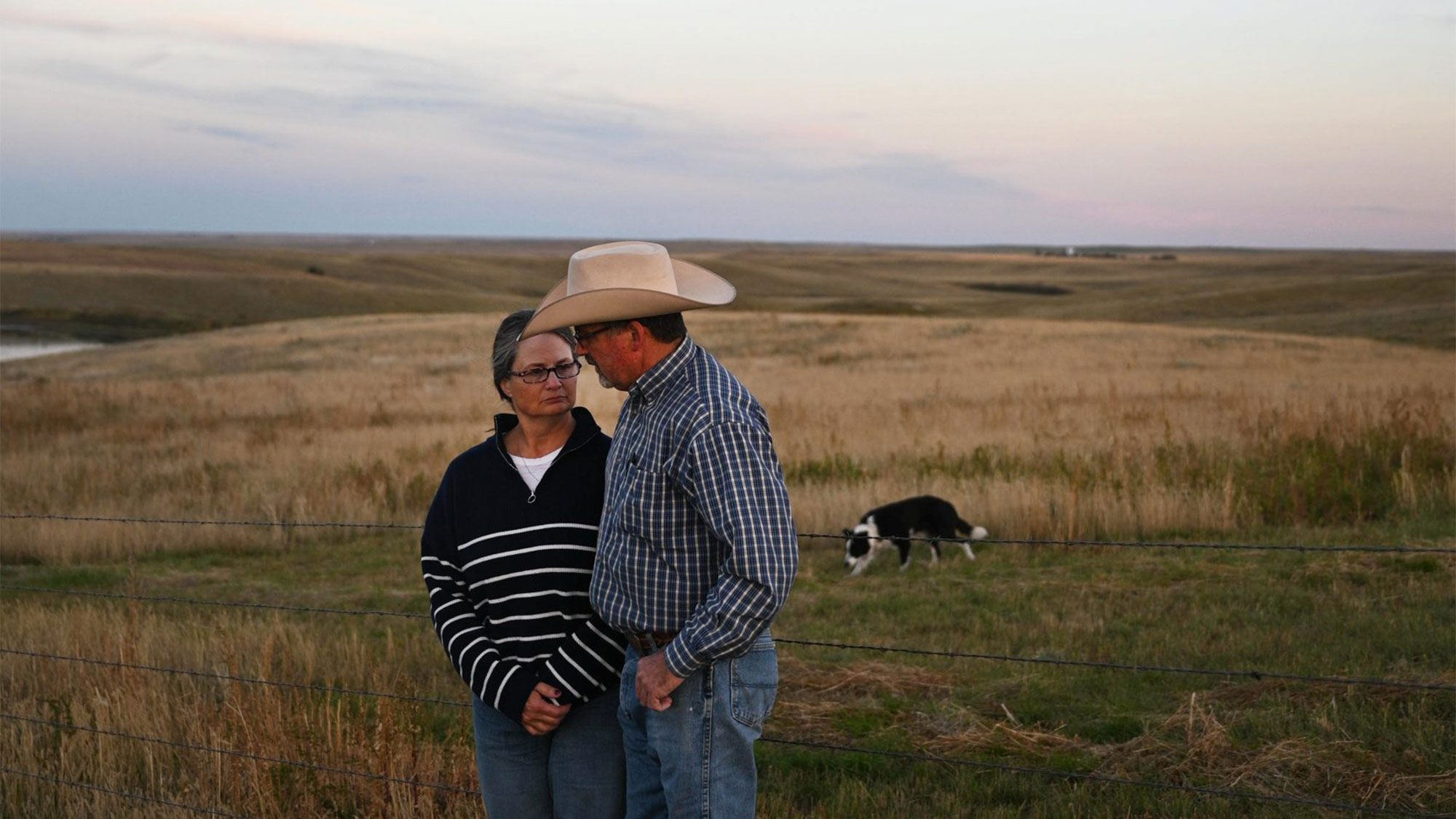
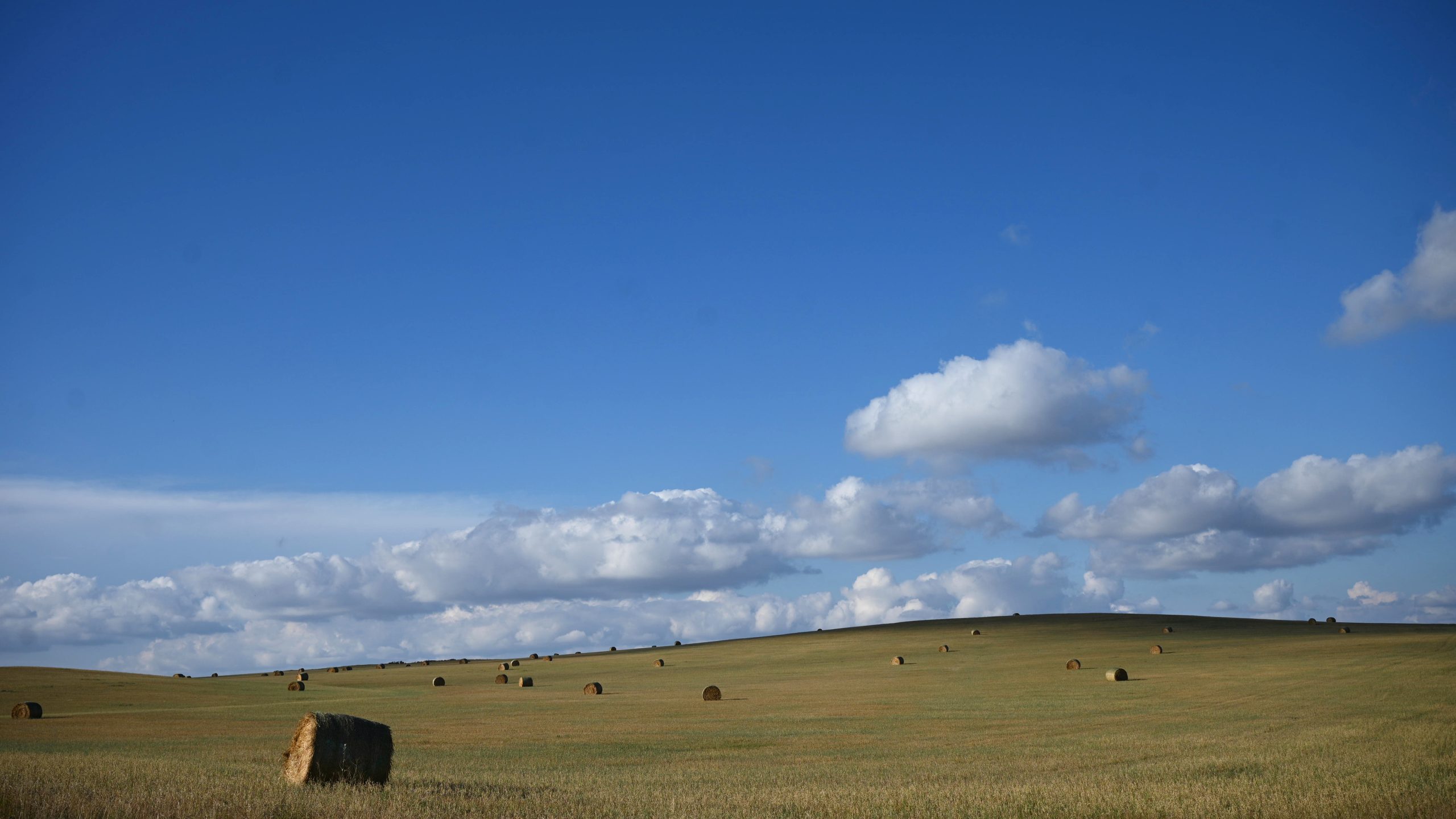
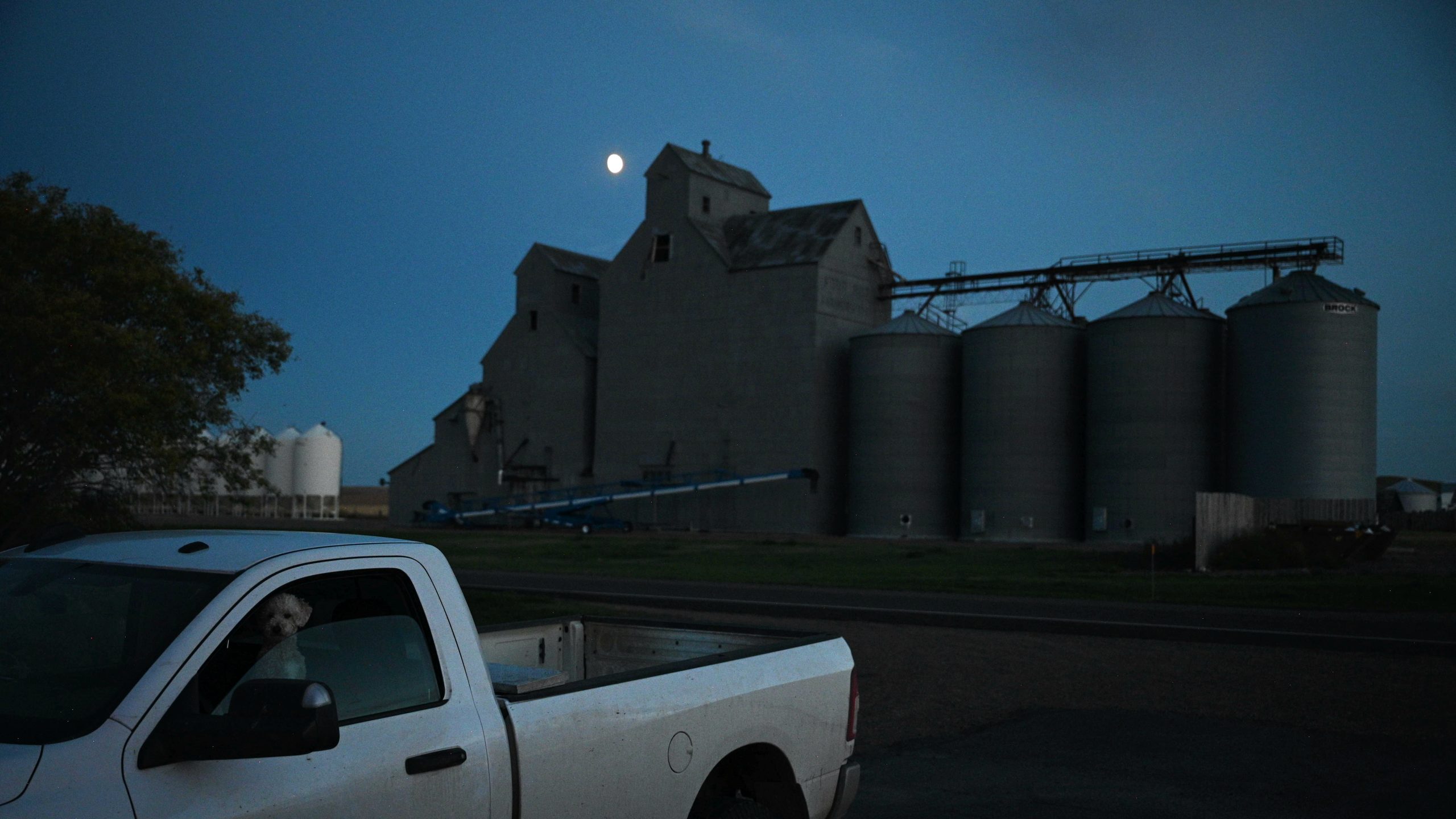
Opheim, Montana — Standing in a clearing with his combine idling behind him, Jerry Arnold surveys the rolling hills of eastern Montana where his family has farmed for generations. The 3-foot stalks of wheat rustling in the autumn wind represent a delicate livelihood built on razor-thin margins. Last year’s record-low snowpack and warm, dry winter hit his unirrigated operation hard, stunting crop growth and exacerbating the financial strain of volatile commodity markets. But financial relief may soon be on the horizon. Arnold is one of nearly 300 Montana landowners situated directly in the path of a massive proposed infrastructure project: a 650-mile tar sands oil pipeline slated to traverse nine counties in eastern Montana and an expansive stretch of eastern Wyoming.
For cash-strapped agricultural communities facing years of punishing droughts, rising diesel prices, and volatile cattle markets, the prospect of easement payments from pipeline developers offers a welcome lifeline. Yet, as Wyoming-based Bridger Pipeline LLC moves forward with plans to break ground within the year, the project has exposed deep fractures between rural economic survival, federal energy policy, and the profound environmental anxieties of neighboring Indigenous communities.
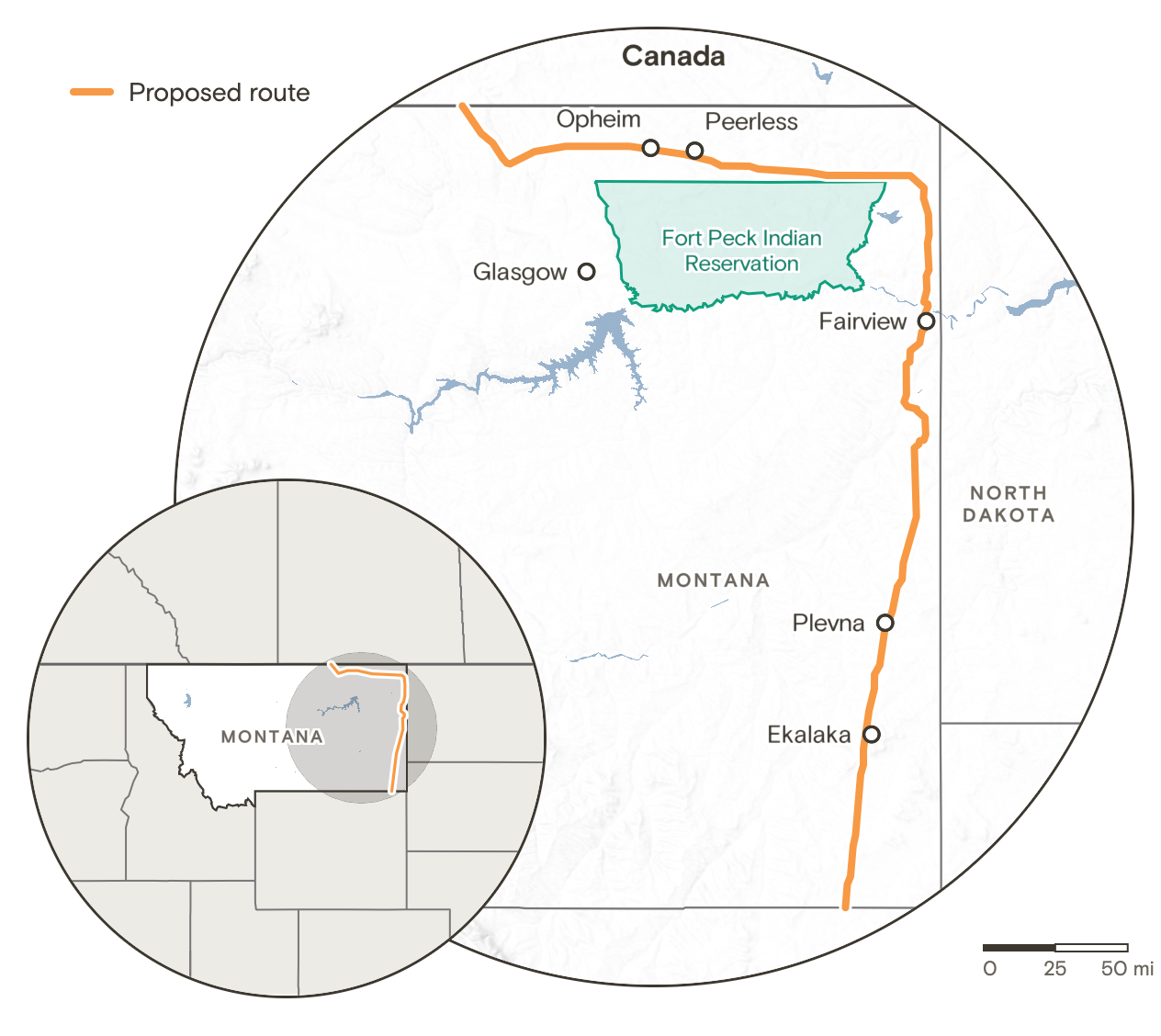
The proposed infrastructure venture is designed to transport Canadian tar sands oil—a dense, viscous blend of sand, clay, water, and heavy bitumen that generates approximately 20 percent more greenhouse gas emissions than conventional crude oil during production and refining. The route will connect to an existing Canadian pipeline network at the international boundary in Phillips County, Montana, routing crude southward through the prairie to a major oil refinery hub and trading center in Guernsey, Wyoming. The initiative received a critical regulatory boost this spring when President Donald Trump granted the project a presidential permit authorizing it to cross the international border.
A Legacy of Pipelines and Financial Lifelines
For Arnold, the arrival of pipeline developers evokes memories of past agricultural crises. In the 1980s, when a destructive trifecta of drought, extreme heat, and grasshopper infestations decimated his crops, financial ruin loomed. Salvation arrived in the form of the Northern Border Pipeline, which transported natural gas from Canada to the American Midwest, cutting a 105-mile path through Montana. The financial compensation Arnold received for granting an easement across his land provided the liquidity necessary to keep his farm solvent.
“It was the greatest thing ever,” Arnold recalled, noting that when Bridger representatives approached him over a year ago regarding a new easement, his primary concern was maximizing the pipe’s length across his property. “My first thought was, ‘I’m not gonna let you come through unless you do circles out there,’” he joked, emphasizing that more pipe translates directly to a larger payout.
Decades later, when the now-defunct Keystone XL pipeline was proposed to move tar sands oil from Alberta to Gulf Coast refineries, Arnold hoped for a similar economic injection, only to be disappointed when his land fell outside the designated route. That project faced years of legal battles and political polarization before former President Joe Biden officially terminated its federal permits in 2021. With a new administration in Washington and Bridger actively pursuing its preferred route, landowners across eastern Montana view this latest proposal as a renewed opportunity to stabilize their farm and ranch operations.
The Economics of Easements and County Tax Bogeys
Pipeline companies typically negotiate private agreements with individual landowners, offering one-time lump-sum payments for land easements alongside compensation for survey access and legal consultations. While actual financial terms remain strictly confidential, historical precedents illustrate the scale of these transactions. During development phases for previous projects like Keystone XL, landowners in regions such as Nebraska reported signing bonuses and easement offers ranging from tens of thousands to upwards of $150,000 depending on acreage and holding status.
For local county governments, the stakes are equally high. Eastern Montana’s economy contrasts sharply with the state’s booming, tourism-driven western half. While population centers west of the Continental Divide capture the bulk of state wealth and tech-driven growth, eastern counties rely heavily on the oil and gas sector as a primary revenue generator.
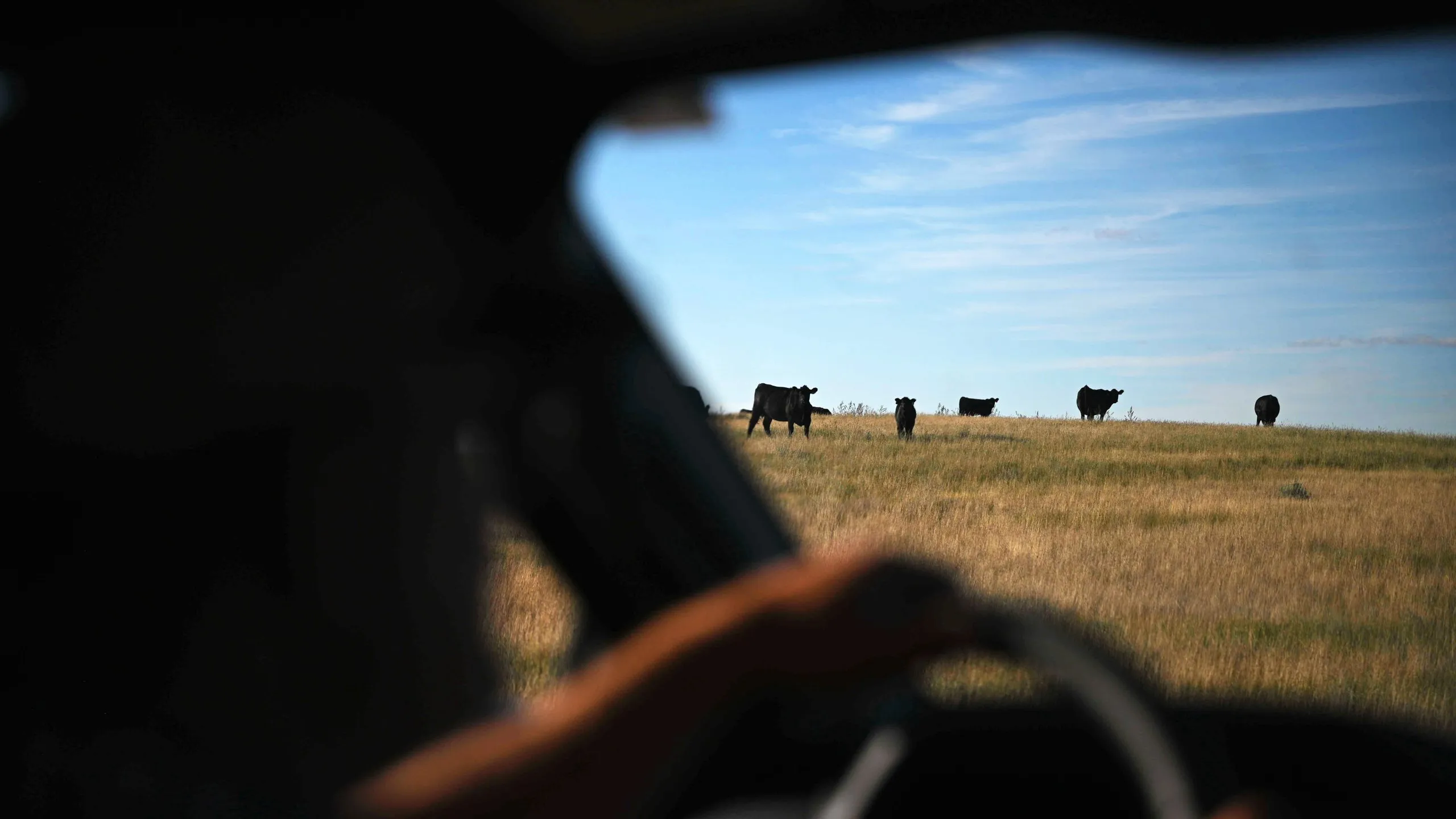
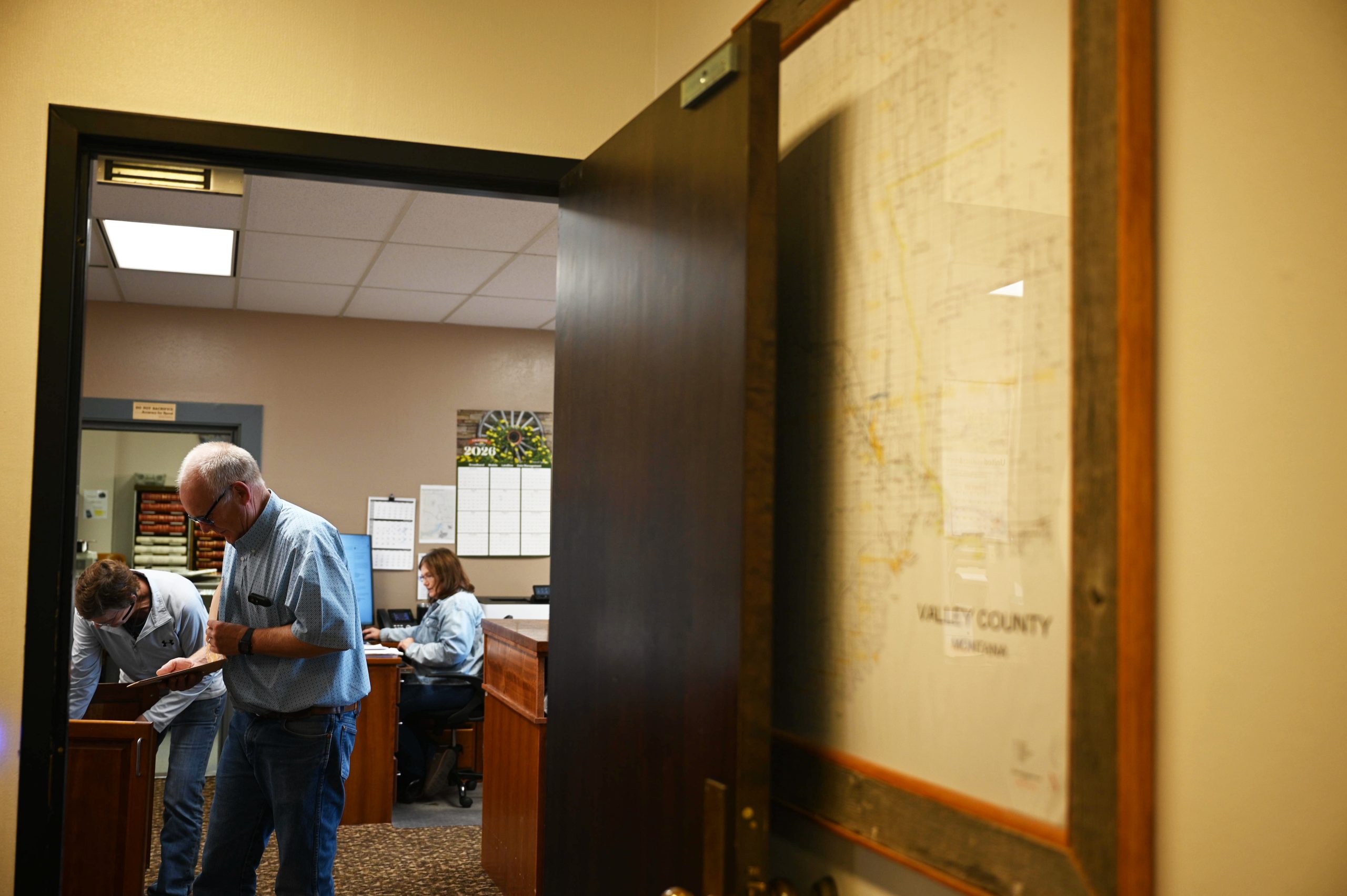
Daniels County Commissioner Tammi Fladager described the county’s economic reality in stark terms. With roughly 1,600 residents—11 percent of whom live below the poverty line—Daniels County currently has no major pipelines contributing to its property tax base, unlike neighboring Valley County, where centrally assessed utility and pipeline properties generate more revenue than any other real estate class.
“We’re kind of desperate,” Fladager said. “Anybody that comes with a big check, it’s ‘Where do I sign?’ You don’t want the lottery ticket to walk out the door.” Fladager added that county officials view the pipeline as a vital cushion against long-term economic decline. “It almost feels like western Montana is eating off of a banquet table, and we’re down here picking up scraps. And this [pipeline] is like a pork chop falling on the floor.”
Bridger estimates that construction of the pipeline will require a workforce of 2,000 to 2,500 temporary laborers housed in company-managed temporary facilities, commonly referred to as man camps. Once operational, the company projects the creation of 50 to 100 permanent, full-time maintenance jobs in Montana.
Regulatory Milestones and Landowner Uncertainty
Despite localized enthusiasm, the Bridger pipeline faces a rigorous multi-step regulatory gauntlet before construction can commence. The company has identified three potential routes, designating one as its preferred path. According to Bridger spokesperson Bill Salvin, the company has already compensated roughly 450 landowners along this preferred route for surveying access.
The next major hurdle involves the Bureau of Land Management (BLM), which must draft and publish a comprehensive environmental impact statement open for public review and comment. Following federal environmental evaluations, Bridger must secure compliance permits from both state and federal regulatory bodies, finalize landowner easement acquisitions, and clear additional legal milestones.
While county commissioners and commissioners have engaged in regular coordination meetings with the Montana Department of Environmental Quality and Bridger representatives, many private landowners report feeling uninformed regarding crucial project details. Basic questions persist across rural communities regarding the precise chemical composition of the tar sands blend, the ultimate destination of the crude, and potential impacts on soaring local fuel costs.
While Guernsey, Wyoming, marks the immediate terminus of Bridger’s route, the crude will not necessarily stop there. Bridger and energy partner South Bow have discussed subsequent pipeline connectivity to move the heavy tar sands crude from Guernsey through Colorado and Kansas toward Cushing, Oklahoma, serving as a transit point for potential domestic refining or global export via the U.S. Gulf Coast.
Addressing fuel cost concerns, Salvin argued that expanding overall market supply enhances regional energy security. “This is scheduled to start at 550,000 barrels a day; that gives additional security and stability to a market that can be unstable at times,” Salvin stated, adding that secure supply chains help mitigate market price shocks. At maximum capacity, the pipeline could transport over a million barrels daily, heightening concerns regarding potential environmental hazards.
Environmental Risks and Indigenous Opposition
While agricultural landowners look toward financial stabilization, Indigenous communities down-gradient from the proposed route are raising alarms over water security and public health risks.
The pipeline’s preferred route skirts the northern perimeter of the Fort Peck Indian Reservation, passing within two miles of tribal boundaries at its closest point. Tribal leaders emphasize that although the infrastructure will not directly cross reservation trust lands, a catastrophic spill could imperil regional water treatment systems that supply Missouri River water to thousands of Native and non-Native residents across northeastern Montana.
Krystal Two Bulls, executive director of the Indigenous-led advocacy organization Honor the Earth, noted that routing pipelines immediately adjacent to reservation borders is a well-documented industrial tactic. “It’s an extremely common practice,” Two Bulls said. “It’s like, ‘We’ll put the pipeline just close enough where you don’t have rights. And you can’t say that it’s on the reservation, so, legally, you don’t have the same protections or the same ability to fight it.’ But it’s close enough where it’s going to have an impact.”
Salvin defended the company’s routing decisions, stating that Bridger deliberately avoided crossing tribal lands due to expressed opposition. “Their tribe has made it clear they don’t want additional pipelines,” Salvin said. “We are of the mind that if people don’t want our pipelines… we don’t want to put it there. We’d rather have someone amenable to the pipeline willing to have it cross their property.”
Tribal skepticism is rooted in historical precedent. In January 2015, a separate pipeline owned by Bridger ruptured, spilling at least 30,000 gallons of Bakken crude oil into the Yellowstone River near Glendive, Montana, prompting emergency drinking water advisories for thousands of residents. Bridger ultimately settled a civil lawsuit with the Montana Attorney General’s Office for $2 million in 2021. Furthermore, federal data from the U.S. Pipeline and Hazardous Materials Safety Administration indicates that Bridger pipeline infrastructure has been linked to 12 spills since 2012. In 2023, Bridger and sister company Belle Fourche agreed to pay a $12.5 million civil penalty under the Clean Water Act and federal pipeline safety regulations following multiple spills across Montana and North Dakota.
Responding to safety concerns, Salvin emphasized that modern engineering standards exceed historical baselines. “We build the pipelines today better than they were built in the past,” he noted. “They are designed for safety and 24/7 monitoring with multiple leak detection systems, including one that we invented using AI.”
Federal Review Limitations and Outstanding Questions
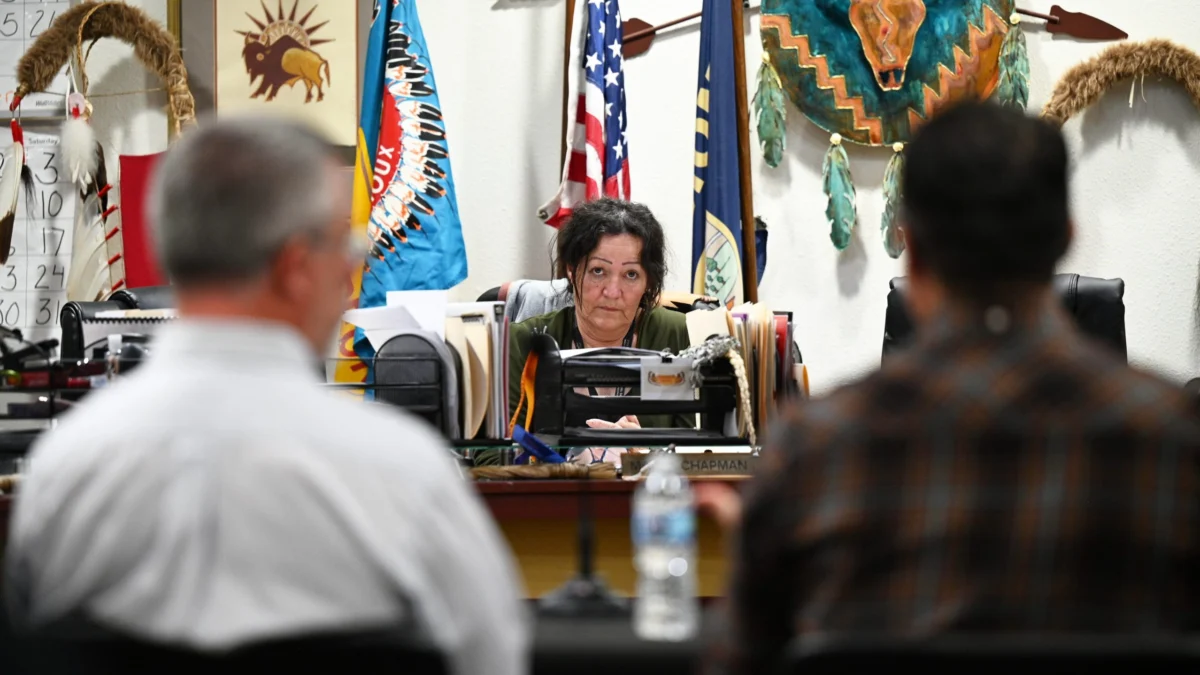
During public consultation sessions held in late September at the Fort Peck tribal chambers in Poplar, Montana, Tribal Executive Board members pressed BLM officials on emergency response frameworks, worst-case spill modeling, and potential social impacts stemming from temporary worker camps.
However, tribal representatives expressed frustration over a lack of substantive answers. Phillip Blundell, the BLM project lead, cited recent judicial precedent following a U.S. Supreme Court decision limiting the scope of environmental reviews under the National Environmental Policy Act (NEPA). Blundell informed tribal leaders that the agency’s environmental analysis would focus strictly on localized construction-related emissions rather than evaluating lifetime downstream emissions generated by refining and burning tar sands oil.
Tribal Executive Board member Jestin Dupree voiced profound dissatisfaction with the federal consultation process. “We met with the BLM twice and Bridger Pipeline twice in the last year and a half, but you know, the same questions come about with no answers,” Dupree said. “It’s just a lot of lip service, it seems.”
While Bridger representatives indicated plans to deliver technical assessments addressing tribal inquiries ahead of a scheduled December meeting, community leaders like Dupree remain uncertain whether substantive dialogue will bridge the widening chasm between corporate expansion goals, rural economic necessity, and long-term environmental protection. As federal reviews proceed, eastern Montana remains caught in a familiar tension: balancing immediate financial survival against enduring ecological vulnerabilities.