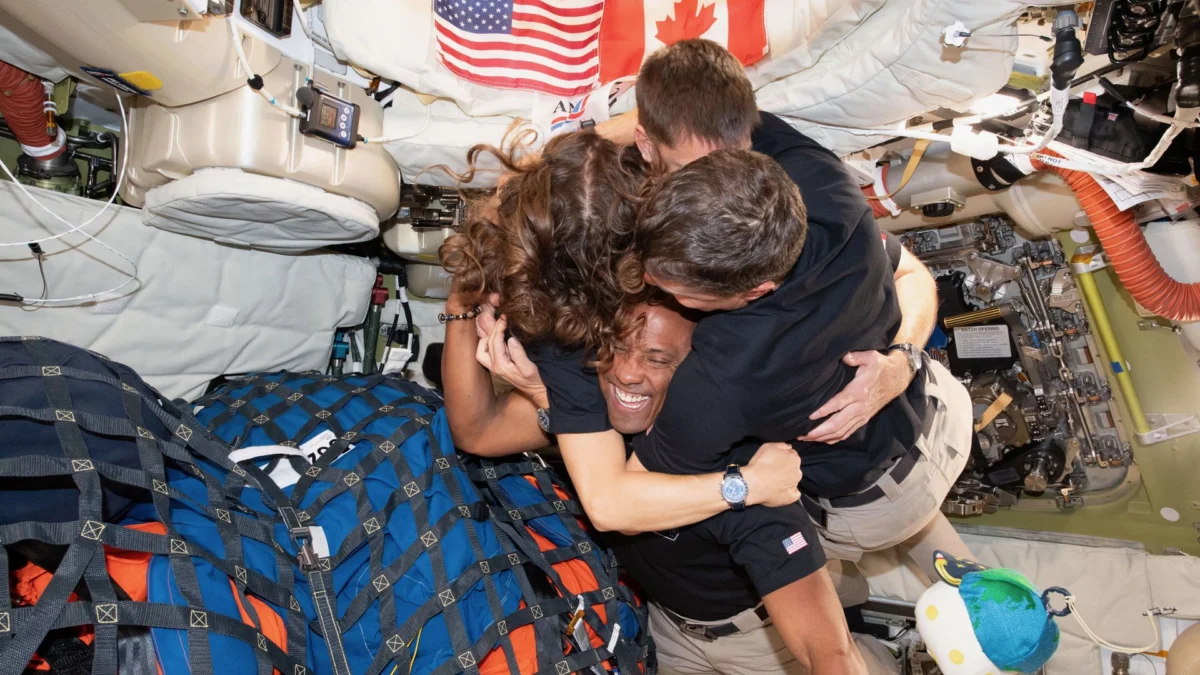
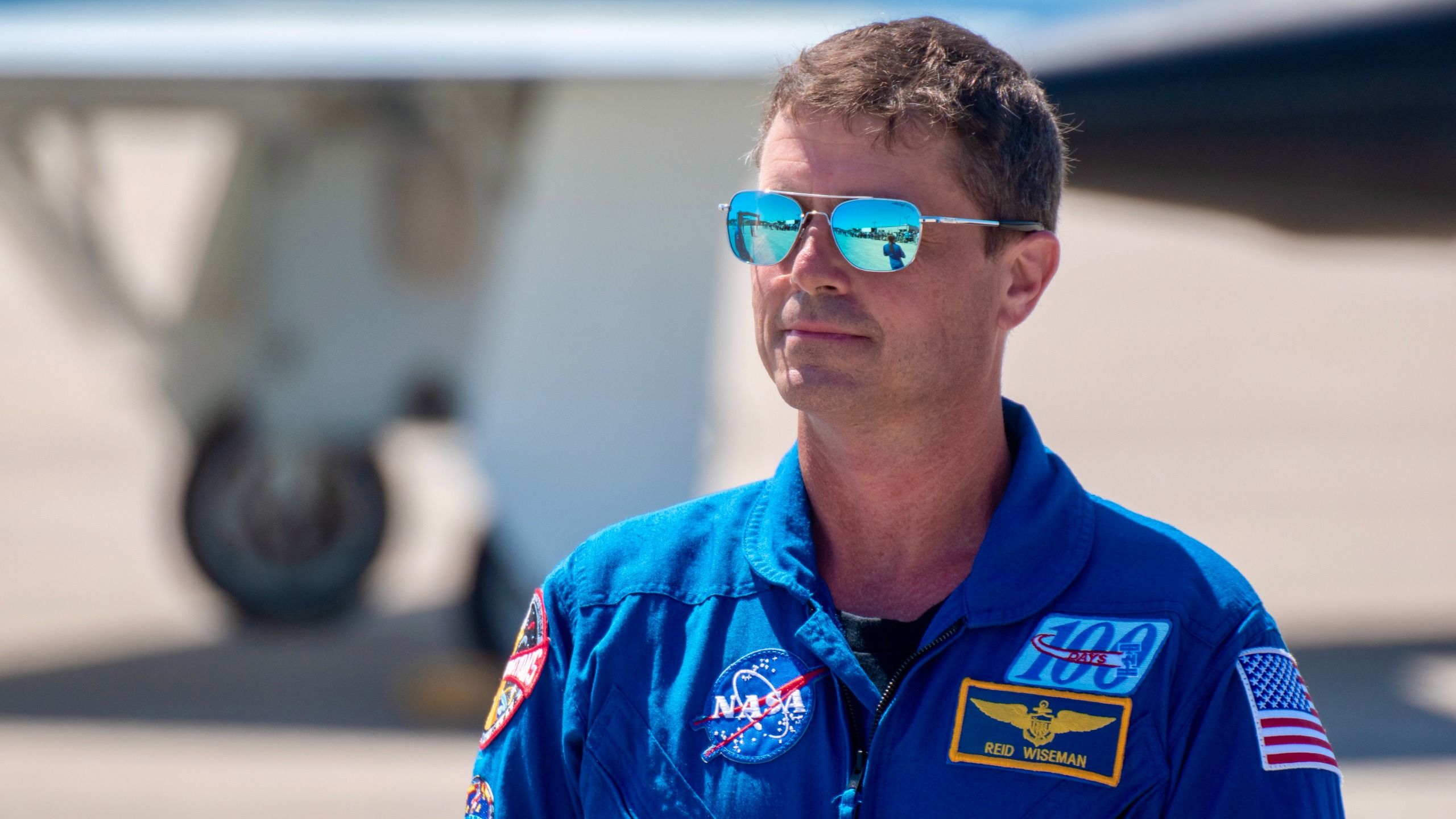
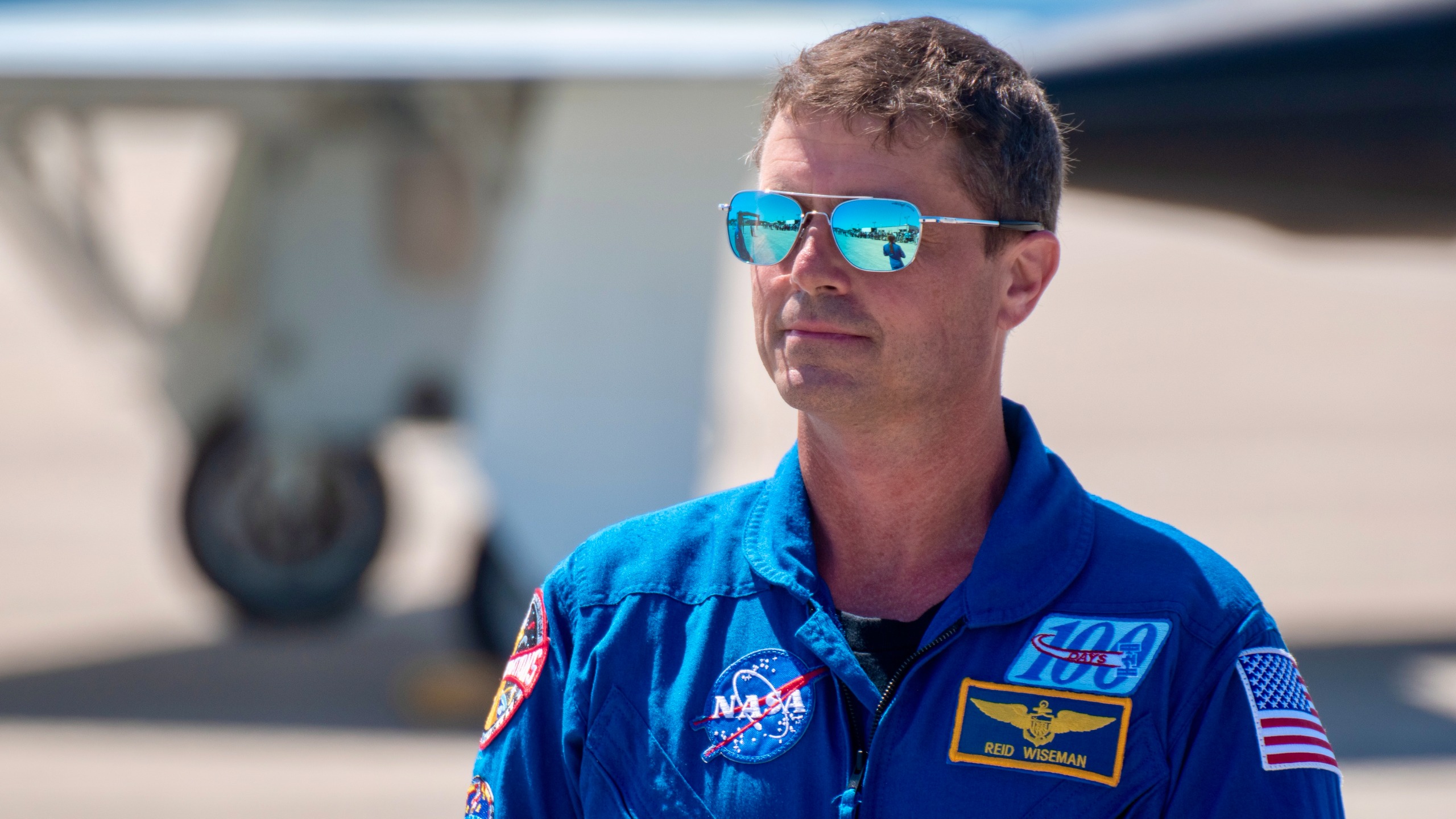
The historic crew of NASA’s Artemis II mission has officially completed its transition away from active spaceflight duties, with mission commander Reid Wiseman announcing his next professional chapter as the associate vice president and deputy director of the Jet Propulsion Laboratory (JPL), managed by Caltech. Wiseman’s appointment, slated to begin on November 30, marks the final placement for the four-person crew that captivated global audiences earlier this year by venturing farther from Earth than any crewed mission in human history.
With all four members of the Artemis II mission moving on to prestigious new roles within aerospace, academia, and government engineering sectors, the aerospace community is witnessing a significant shifting of the guard. Wiseman, a retired U.S. Navy captain, veteran International Space Station (ISS) resident, and former chief astronaut, steps into a critical leadership position at JPL—a premier federally funded research and development center renowned for pioneering robotic planetary exploration.
A New Chapter for the Artemis II Crew
The dismantling of the active Artemis II astronaut roster signals both the conclusion of a monumental milestone in modern space exploration and the distribution of invaluable operational experience into key sectors of the broader scientific community.
Pilot Victor Glover was the first to formalize his next steps, transitioning to astronaut emeritus status in September and accepting a full-time role as executive advisor to the president of his alma mater, California Polytechnic State University (Cal Poly). Mission Specialist Jeremy Hansen of the Canadian Space Agency similarly stepped down from active flight status to resume reservist duties with the Royal Canadian Air Force following his historic lunar journey. Fellow mission specialist Christina Koch was appointed as NASA’s acting deputy chief engineer, a role she assumed on November 1.
Wiseman’s transition to JPL places him at the helm of an institution critical to the United States’ scientific footprint in space. Working alongside JPL Director Dave Gallagher, Wiseman will assist in steering strategic leadership, laboratory operations, and institutional stewardship.
"Reid has spent his career at the edge of what is possible, and he has the technical judgment, operational experience, and leadership to help push that edge farther," NASA Administrator Jared Isaacman noted in an official agency statement.
The Historic Artemis II Mission: A Timeline of Success
The career transitions of the Artemis II quartet follow their successful flight aboard NASA’s Orion spacecraft earlier this year. Launched on April 1, 2026, the 10-day mission took Wiseman, Glover, Koch, and Hansen on a complex trajectory around the far side of the moon and safely back to Earth.
The mission served as the crucial crewed flight test for NASA’s Artemis architecture, validating the life support systems, navigation, and human endurance necessary for deep-space exploration. Traveling hundreds of thousands of miles from Earth, the crew captured unprecedented imagery of our home planet framed against the lunar horizon while demonstrating remarkable resilience and camaraderie under extreme conditions.
The flight served as the ultimate precursor for the forthcoming Artemis program objectives. NASA is currently targeting mid-2027 for Artemis III, a mission designed to test human lunar lander systems developed by private aerospace partners SpaceX (utilizing Starship) and Blue Origin (utilizing the Blue Moon lander). Success during Artemis III will pave the way for Artemis IV, which aims to achieve the program’s first crewed lunar landing since the conclusion of the Apollo era, penciled in for 2028.
Reid Wiseman: From Naval Aviation to Deep Space
Wiseman’s path to the leadership ranks of JPL is rooted in a distinguished career characterized by technical precision and high-stakes operations. Born in Baltimore, Maryland, Wiseman graduated from the United States Naval Academy with a Bachelor of Science in Systems Engineering in 1997, later earning a Master of Science in Systems Engineering from Johns Hopkins University in 2004.
Selected as a naval aviator, Wiseman deployed extensively in support of Operation Southern Watch and Operation Enduring Freedom, accumulating vast flight hours across various tactical aircraft. His aptitude for complex flight systems led him to the U.S. Naval Test Pilot School class 135, where he served as an instructor prior to his selection as a NASA astronaut in June 2009 as part of NASA Astronaut Group 20.
Wiseman’s operational spaceflight experience includes serving as a flight engineer for ISS Expeditions 40 and 41 in 2014. During his 165 days aboard the orbiting laboratory, he conducted two spacewalks totaling nearly 13 hours and contributed to numerous scientific investigations. Following his return, Wiseman demonstrated significant administrative leadership when he served as NASA’s chief astronaut from December 2020 through November 2022, overseeing astronaut candidate training, flight assignments, and crew safety protocols.
Implications for JPL and Robotic Exploration
As deputy director of JPL, Wiseman bridges the gap between human spaceflight operations and robotic planetary science. JPL, located in La Cañada Flintridge, California, near Pasadena, is the birthplace and operational hub for many of NASA’s most ambitious robotic endeavors.
The laboratory manages iconic planetary assets including the Perseverance and Curiosity Mars rovers, the Europa Clipper mission destined to study Jupiter’s icy moon, and the historic Voyager interstellar probes. Additionally, JPL oversees the Deep Space Network (DSN), the international array of giant radio antennas that facilitates continuous communication with virtually every spacecraft operating beyond Earth orbit.
In accepting the role, Wiseman reflected on the profound perspective gained from his time inside the Orion capsule during the Artemis II voyage.
"I’ve explored the furthest reaches of what a human can explore at NASA—and there were truly no words in the English vocabulary to describe seeing the sun disappear behind the moon from deep space," Wiseman said. "But that experience was really the jumping off point to go do the impossible things that Caltech and JPL dream, dare together, and do for NASA and the nation."
Broader Industry Impact
Industry analysts view the distribution of the Artemis II astronauts into high-level institutional and academic roles as a strategic win for the aerospace sector. By placing veterans of deep-space flight into positions of administrative and technical influence—such as JPL, Cal Poly, NASA engineering leadership, and the Canadian military—the global space enterprise stands to directly benefit from firsthand operational insights.
As NASA advances toward its sustainable lunar infrastructure goals under the Artemis campaign, the institutional knowledge retained by leaders like Wiseman ensures that the hard-won lessons of deep-space navigation, psychological adaptation, and crew safety will directly inform the next generation of robotic and human missions.