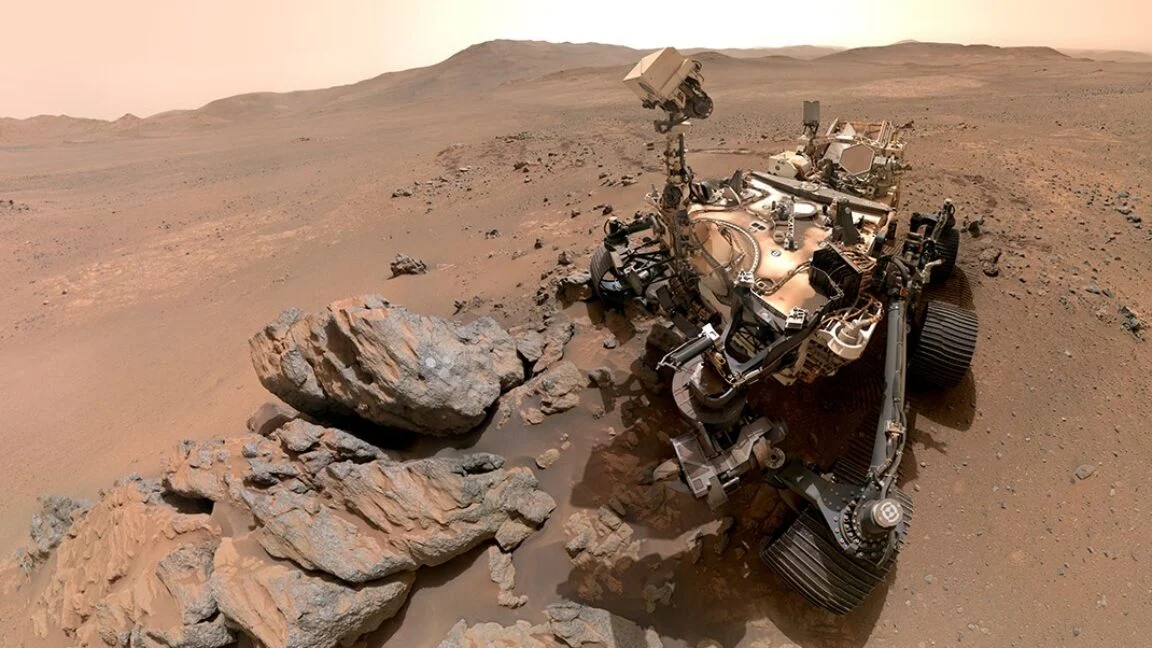
Two of NASA’s four active missions on Mars have been placed into an indefinite suspension of science operations following a series of critical technical malfunctions. The Perseverance rover and the Odyssey orbiter, both of which have significantly outlived their original mission design lifespans, are currently undergoing emergency diagnostic procedures as ground control teams at the Jet Propulsion Laboratory (JPL) work to restore functionality. These twin outages highlight the increasing fragility of the agency’s multi-decade robotic presence on the Red Planet, where hardware is subjected to extreme thermal cycles, cosmic radiation, and the inevitable degradation of mechanical components over time.
The Communications Crisis: Perseverance Rover
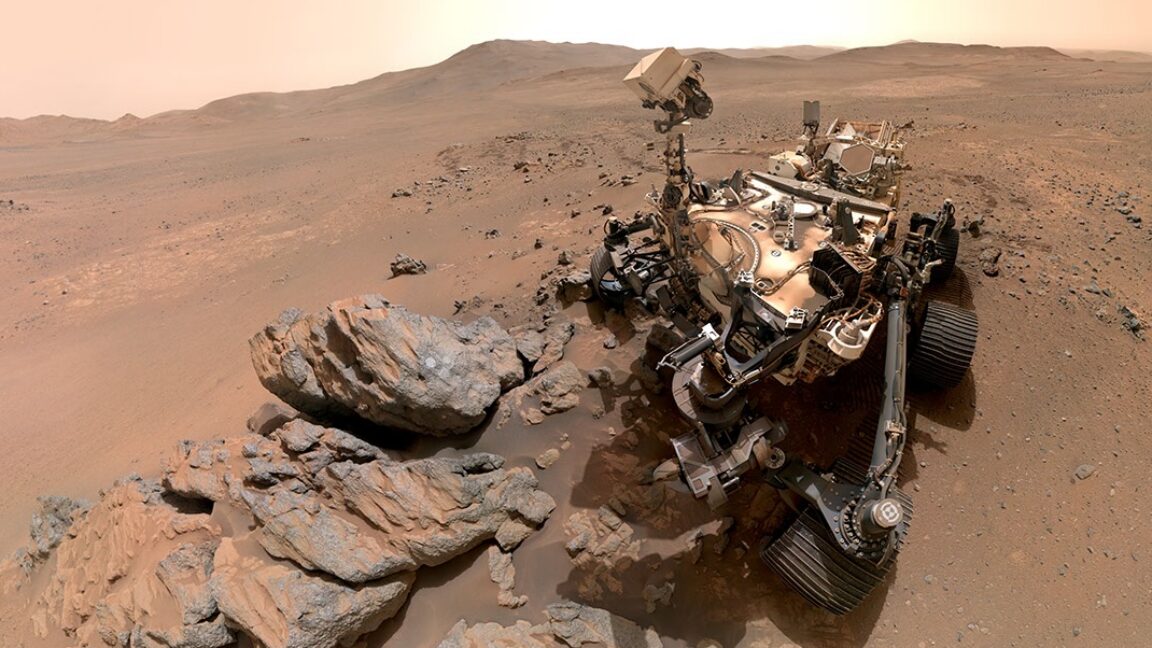
The Perseverance rover, currently navigating the challenging terrain of the Jezero Crater rim, encountered a severe communication failure on October 30. The rover, which is central to NASA’s multi-stage Mars Sample Return program, relies on two redundant Ultra-High Frequency (UHF) radios to relay data to orbiting satellites, which then forward the information back to Earth.
When the primary UHF radio failed to initialize during a standard startup sequence, the rover’s onboard fault-protection software automatically triggered a switch to the secondary, backup unit. However, telemetry confirmed that the backup radio is functioning at approximately 50 percent of its nominal power output. This degradation renders the high-speed data relay network—the primary method for sending high-resolution images and complex scientific telemetry—unreliable.
In response, NASA engineers have commanded the rover to cease all non-essential activities and enter a protective "safe mode." While the rover remains capable of transmitting data directly to Earth using its X-band antenna, the transmission speed is a fraction of the bandwidth provided by the relay orbiters. Consequently, the mission team has halted all active exploration and sample collection to focus exclusively on diagnosing the radio hardware. The team remains cautiously optimistic that a return to scientific operations could be possible by the end of November, provided they can successfully troubleshoot the radio architecture.
The Orbital Dilemma: Odyssey’s Fading Lifespan
While the Perseverance issue is categorized as a high-priority technical challenge, the situation regarding the 2001 Mars Odyssey orbiter is arguably more critical. As the longest-lived mission in Martian history, Odyssey has served as a vital communication bridge for various surface missions for over two decades.
In early November, the spacecraft suffered a failure of one of its four reaction wheels. Reaction wheels are essential gyroscopic components that allow a spacecraft to change its orientation in space without using precious chemical propellant. Odyssey requires a minimum of three operational wheels to maintain precise pointing, which is necessary for orienting its solar arrays toward the Sun and directing its high-gain antennas toward Earth. With only two functioning wheels remaining, the orbiter has been forced to rely on its hydrazine thrusters to maintain attitude control.
This maneuver is unsustainable. Propellant usage for "thruster-only" orientation is significantly higher than the usage for reaction wheels. Initial estimates suggest that at this consumption rate, the spacecraft has between one and two months of fuel remaining before it loses its ability to point its instruments or antennas. JPL engineers are currently attempting to recover the stalled reaction wheel, though the prospects remain uncertain given the age of the hardware.
A Legacy of Resilience and Decay
The current technical troubles underscore the realities of deep-space exploration. Both missions were designed for shorter operational windows but have been extended repeatedly due to their scientific productivity. Perseverance, for instance, recently surpassed the distance record previously held by the Opportunity rover, marking a total travel distance of over 28 miles (45 kilometers) across the harsh Martian surface.
These missions operate in a high-radiation environment that degrades electronic circuits over time. Furthermore, the constant temperature fluctuations between the Martian day and night—often shifting by over 100 degrees Celsius—subject mechanical parts like reaction wheels and antenna actuators to immense physical stress. This "wear and tear" has become a recurring theme in the Mars Exploration Program.

In December 2023, NASA suffered a similar, albeit more permanent, loss with the MAVEN orbiter. After 11 years of service, the spacecraft experienced a catastrophic loss of control due to a suspected radiation-induced "single event upset." This event forced a reboot of the flight computer, but corrupted sensor data from the inertial measurement unit led the craft to spin uncontrollably. The inability to resolve the MAVEN issue serves as a cautionary tale for the current teams working on Perseverance and Odyssey.
Impact on Future Mars Infrastructure
The potential loss of Odyssey would create a significant gap in the communication relay network that supports not only Perseverance but also the Curiosity rover, which is currently in its 14th year of operation. While NASA’s Mars Reconnaissance Orbiter (MRO) and the European Space Agency’s (ESA) Trace Gas Orbiter and Mars Express remain operational, the network is becoming increasingly sparse.
NASA is acutely aware of the need to modernize this aging infrastructure. In September, the agency awarded a $700 million contract to Blue Origin for the Mars Telecommunications Network (MTN). This initiative aims to deploy a dedicated high-bandwidth relay satellite, marking a shift toward commercial partnerships for critical orbital infrastructure. However, the project has already faced administrative setbacks. Rocket Lab, a competitor for the contract, has filed a formal protest with the Government Accountability Office (GAO), effectively stalling the development of the MTN until a resolution is reached, which is expected by late December.
The Road Ahead: 2028 and Beyond
The upcoming years are pivotal for the future of Mars exploration. NASA is planning the launch of the "SkyFall" mission in 2028, which aims to deploy three advanced helicopter drones to conduct autonomous aerial surveys of the Martian geology and atmospheric conditions. Additionally, the need to replace the high-resolution imaging capabilities currently provided by the aging MRO is becoming a top priority for scientists. Without an updated mapping suite, identifying safe landing sites for future human and robotic missions—specifically the proposed sample return mission—becomes significantly more difficult.
As NASA navigates these current technical hurdles, the broader mission of the Mars Exploration Program hangs in the balance. The ongoing investigations into the Perseverance radio system and the Odyssey reaction wheels are not merely routine maintenance; they are critical tests of the agency’s ability to extend the life of its assets in one of the most hostile environments in the solar system. For now, the global scientific community watches and waits, hoping that the expertise of the JPL engineering teams can once again overcome the vast distance between Earth and the Red Planet to keep these historic explorers active for a little while longer.