Animal Behavior: An In-Depth Exploration of the Science of Animal Actions
The study of animal behavior, or ethology, is a vast and multifaceted scientific discipline dedicated to understanding the actions and interactions of living organisms. It encompasses a broad spectrum of phenomena, from the intricate courtship rituals of birds and the complex social structures of primates to the solitary hunting strategies of big cats and the navigational marvels of migratory species. At its core, animal behavior seeks to answer fundamental questions: why do animals do what they do? How do their actions contribute to their survival and reproduction? What are the underlying mechanisms, both genetic and environmental, that shape these behaviors? This field is not merely descriptive; it employs rigorous scientific methodologies, including observation, experimentation, and comparative analysis, to unravel the evolutionary, ecological, physiological, and cognitive underpinnings of animal actions. Understanding animal behavior is crucial for a multitude of reasons, including wildlife conservation, animal welfare, agricultural productivity, and even gaining insights into human psychology and evolution. The discipline is characterized by its interdisciplinary nature, drawing upon principles from biology, psychology, neuroscience, ecology, genetics, and anthropology.
A central tenet of ethology is the distinction between innate and learned behaviors. Innate behaviors, also known as genetically programmed or instinctual behaviors, are behaviors that are present from birth and are not acquired through experience. These are often reflexes or fixed action patterns (FAPs), which are highly stereotyped sequences of actions triggered by specific stimuli. For instance, a newly hatched chick’s pecking behavior at its mother’s beak, seeking food, is largely innate. Similarly, the web-spinning of a spider or the migration routes of certain birds are largely dictated by genetic predispositions. While seemingly rigid, even innate behaviors can be subject to minor modifications through learning. Conversely, learned behaviors are acquired through experience and are modified over an animal’s lifetime. This learning can take various forms, including habituation, where an animal learns to ignore a repeated, inconsequential stimulus; associative learning, which involves forming connections between stimuli or between a behavior and its consequence (classical and operant conditioning); imprinting, a form of learning that occurs during a critical period early in life, such as goslings imprinting on their mother; and observational learning, where animals learn by watching others. The interplay between innate predispositions and the capacity for learning allows for remarkable behavioral flexibility and adaptation to diverse and changing environments. This dynamic interaction is a cornerstone of evolutionary success, enabling species to navigate complex ecological challenges.
The study of animal communication is a significant branch of ethology, focusing on how animals transmit and receive information. This communication can occur through a variety of modalities, including visual signals (e.g., displays of plumage, body posture, facial expressions), auditory signals (e.g., vocalizations, calls, songs, infrasound, ultrasound), chemical signals (e.g., pheromones, scent marking), and tactile signals (e.g., grooming, touching). The specific signals and their complexity often reflect the animal’s social structure, environment, and evolutionary history. For example, the alarm calls of vervet monkeys, which differ for predators like eagles, leopards, and snakes, demonstrate a sophisticated level of semantic communication. The complex songs of birds are not only used for attracting mates but also for territorial defense and species recognition. The intricate dances of honeybees, conveying the location and quality of food sources, are a classic example of symbolic communication. Understanding the nuances of animal communication is vital for deciphering social interactions, mating systems, and predator-prey dynamics. The evolutionary pressures driving the development of these communication systems are immense, favoring those that are most effective at conveying critical information under specific environmental conditions.
Foraging behavior, the process by which animals search for, capture, and consume food, is another fundamental area of ethological research. This behavior is directly linked to an animal’s survival and energy balance. Optimal foraging theory proposes that animals evolve foraging strategies that maximize their net energy intake per unit time. This involves making decisions about where to search for food, how long to spend in a particular patch, and which prey items to pursue. Factors influencing foraging decisions include prey availability, predator presence, competition, and the energetic costs of searching and handling prey. Different foraging strategies have evolved across the animal kingdom, from the sit-and-wait predation of crocodiles to the active pursuit of prey by cheetahs, and the highly specialized filter-feeding of baleen whales. Specialized diets and foraging techniques often lead to unique adaptations and can play a significant role in shaping ecological communities. The study of foraging provides a powerful lens through which to examine predator-prey relationships, resource competition, and the impact of environmental changes on animal populations.
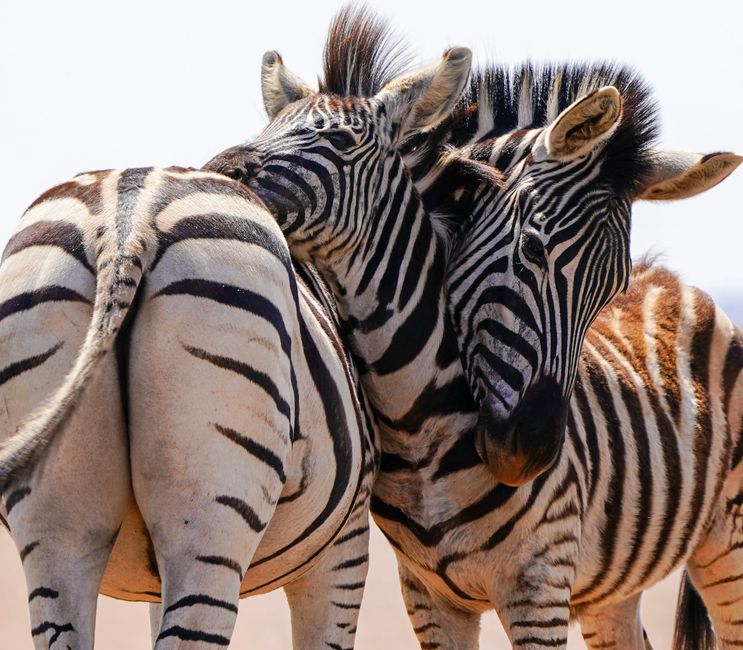
Social behavior encompasses the interactions between individuals of the same species. This can range from solitary animals that interact only for mating to highly organized social groups. Key aspects of social behavior include cooperation, competition, altruism, aggression, and dominance hierarchies. Social living can offer numerous advantages, such as increased foraging efficiency (e.g., pack hunting), enhanced predator defense (e.g., group vigilance), and improved reproductive success (e.g., communal nesting). However, it also presents challenges, including increased competition for resources, greater susceptibility to disease transmission, and the potential for social conflict. The evolution of complex social systems, such as those found in primates, wolves, and social insects, is a testament to the adaptive benefits of group living. Understanding the dynamics of social behavior is crucial for comprehending population dynamics, the spread of information and disease, and the evolution of cooperation and conflict.
Reproductive behavior is central to the continuation of any species and involves a wide array of actions related to finding mates, courtship, mating, and parental care. Mating systems, such as monogamy, polygyny, and polyandry, are shaped by ecological factors and the reproductive strategies of males and females. Sexual selection, a powerful evolutionary force, drives the development of elaborate courtship rituals, physical ornamentation, and competitive displays that increase an individual’s chances of attracting a mate and producing offspring. Parental care, which can be provided by one or both parents, or even by other individuals within the social group (alloparenting), is crucial for the survival and development of offspring in many species. The diversity of reproductive strategies and behaviors observed in the animal kingdom reflects the varied selective pressures faced by different species in their respective environments.
Migration, the regular, seasonal movement of animals from one region to another, is a remarkable behavioral phenomenon driven by the need to access essential resources, such as food and breeding grounds, or to escape unfavorable environmental conditions. These journeys can span vast distances, often across continents and oceans, and require incredible navigational abilities. Animals employ a variety of cues and mechanisms for navigation, including visual landmarks, the sun and stars, the Earth’s magnetic field, and olfactory cues. The energetic costs of migration are substantial, and successful migration is a testament to the intricate physiological and behavioral adaptations that have evolved. Understanding the triggers, routes, and navigational strategies involved in migration is critical for conservation efforts, particularly in the face of habitat fragmentation and climate change, which can disrupt these ancient patterns.
Cognition in animals refers to their mental processes, including perception, memory, learning, problem-solving, and decision-making. While once considered a uniquely human trait, research in comparative cognition has revealed sophisticated cognitive abilities in a wide range of animal species. For example, corvids (crows, ravens, jays) and primates are known for their problem-solving skills and tool use. Cetaceans (whales and dolphins) exhibit complex social learning and communication. Even invertebrates like octopuses demonstrate remarkable intelligence, capable of navigating mazes and solving puzzles. The study of animal cognition is shedding light on the evolution of intelligence and consciousness, challenging anthropocentric views and revealing the diverse ways in which different species interact with and understand their environments. This area of research is increasingly utilizing innovative experimental designs and technological tools to probe the inner workings of animal minds.
The study of animal behavior has profound implications for conservation biology. By understanding the behavioral ecology of endangered species – their habitat requirements, foraging strategies, social structures, and reproductive needs – conservationists can develop more effective strategies for protection and management. For instance, identifying critical breeding grounds, migratory stopover sites, or corridors for movement allows for targeted habitat preservation. Understanding how animals respond to human disturbance can inform land-use planning and reduce human-wildlife conflict. Behavior-based conservation approaches, such as reintroduction programs that account for learned behaviors and social integration, have proven successful. The loss of biodiversity is often linked to behavioral disruptions, making ethological research an indispensable tool in the fight to preserve the planet’s rich array of life.
The field of animal behavior is constantly evolving, driven by technological advancements and new theoretical frameworks. Remote sensing, GPS tracking, accelerometers, and advanced video analysis are revolutionizing the way we collect and analyze behavioral data, allowing for unprecedented insights into the natural lives of animals. Furthermore, the integration of molecular genetics and neurobiology is providing a deeper understanding of the genetic and neural underpinnings of behavior. As our knowledge expands, so too does our appreciation for the complexity and diversity of the animal kingdom, emphasizing the interconnectedness of all living things and the vital importance of understanding and protecting their behaviors.
