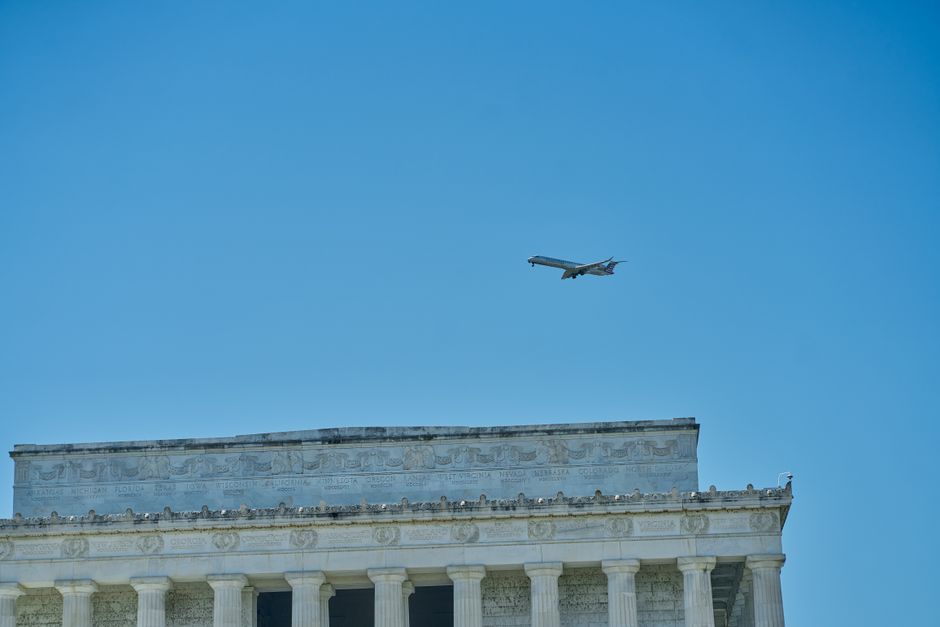
US Transportation Chief Backs Independent Audit into DC Airspace
The U.S. Department of Transportation, under the leadership of Secretary Pete Buttigieg, has thrown its full support behind an independent audit of Washington D.C.’s complex and increasingly scrutinized airspace. This significant development signals a proactive approach to addressing long-standing concerns regarding air traffic control efficiency, safety protocols, and the integration of emerging aviation technologies within the National Capital Region. The decision to commission an external review underscores a commitment to transparency and a recognition of the unique challenges posed by managing air traffic in a densely populated area with heightened security requirements, often described as the most complex airspace in the nation.
The impetus for this comprehensive audit stems from a confluence of factors. Firstly, the sheer volume of air traffic over D.C. continues to grow, encompassing commercial airliners, general aviation, military operations, and an expanding array of Unmanned Aircraft Systems (UAS), commonly known as drones. This escalating activity places immense pressure on existing air traffic management systems and personnel. Secondly, recent incidents, though not always directly attributable to systemic failures, have amplified public and governmental scrutiny of airspace safety and security. These incidents, ranging from unauthorized drone incursions near sensitive areas to near misses involving commercial aircraft, have raised questions about the robustness of current oversight mechanisms. Thirdly, the rapid evolution of aviation technology, particularly the proliferation of drones for commercial and recreational purposes, necessitates a thorough examination of how these new entrants are integrated into a highly regulated and sensitive airspace without compromising existing safety standards. The Federal Aviation Administration (FAA), the primary regulatory body for U.S. aviation, has been actively developing new frameworks for drone operations, but the D.C. airspace presents a unique testbed for these evolving policies. An independent audit can provide an objective assessment of how effectively these new regulations are being implemented and whether further adjustments are needed specifically for the National Capital Region.
Secretary Buttigieg’s endorsement of the independent audit is a critical step in this process. It signifies a high-level commitment to a thorough and unbiased evaluation, free from the inherent organizational perspectives that might influence an internal review. This approach aims to foster greater public trust and confidence in the safety and security of air travel and operations over the nation’s capital. The Department of Transportation, through its various agencies including the FAA, bears the ultimate responsibility for the safe and efficient operation of the national airspace system. By advocating for an independent audit, Buttigieg is demonstrating a willingness to critically examine existing practices and identify areas for improvement, even if those improvements require significant change or investment. The selection of an independent auditor is paramount. This entity must possess a deep understanding of air traffic control, aviation safety, regulatory frameworks, and the specific complexities of the D.C. airspace. Potential candidates are likely to include established aviation consulting firms with a proven track record in safety assessments, risk management, and airspace optimization. The audit’s scope will be extensive, covering a wide range of critical areas within the D.C. metropolitan area’s airspace, which is designated as a Class B airspace, characterized by stringent entry requirements and a high density of air traffic.
Key areas slated for examination during the audit include the current air traffic control procedures employed by the FAA at facilities like Potomac TRACON (Terminal Radar Approach Control) and the Ronald Reagan Washington National Airport (DCA) and Washington Dulles International Airport (IAD) control towers. This will involve a detailed review of how controllers manage the complex sequencing and separation of aircraft, particularly during peak hours and adverse weather conditions. The audit will likely assess the effectiveness of current communication protocols between controllers, pilots, and other aviation stakeholders. It will also delve into the technological infrastructure supporting air traffic management, including radar systems, communication equipment, and air traffic management software. The integration of advanced technologies, such as NextGen (National Airspace System Next Generation), which aims to modernize the air traffic control system with more precise navigation and communication technologies, will be a crucial component of the review. The audit will seek to determine the extent to which NextGen initiatives have been successfully implemented in the D.C. airspace and identify any challenges or bottlenecks hindering their full potential.
Furthermore, the audit will scrutinize the security protocols governing the D.C. airspace. This is of paramount importance given the proximity of numerous federal buildings, military installations, and critical infrastructure. The review will assess existing measures to detect and deter unauthorized drone activity, penetrate airspace restrictions, and respond to potential security threats. This includes evaluating the effectiveness of surveillance systems, interagency coordination with law enforcement and intelligence agencies, and protocols for airspace restriction enforcement. The FAA’s role in regulating and managing the integration of drones will be a significant focus. This involves examining how the FAA is balancing the burgeoning demand for drone operations with the imperative to maintain safety and security in a highly sensitive airspace. The audit will likely assess the permitting processes for drone flights, the effectiveness of drone detection and mitigation technologies, and the regulatory framework surrounding commercial and recreational drone use in and around the nation’s capital.
The human element of air traffic control will also be a central focus. The audit will assess staffing levels, training programs, workload management, and the overall well-being of air traffic controllers. The demanding nature of controlling air traffic in such a complex environment can lead to high levels of stress, and the audit will likely explore measures to ensure a sustainable and effective workforce. This could involve evaluating fatigue management strategies, mental health support, and ongoing professional development opportunities. The independence of the audit is crucial for its credibility. The chosen auditor will be expected to operate without undue influence from any government agency, industry stakeholder, or special interest group. This will allow for an objective assessment of strengths, weaknesses, and areas requiring improvement. The findings of the audit are expected to provide actionable recommendations for enhancing the safety, efficiency, and security of the D.C. airspace. These recommendations could range from technological upgrades and procedural adjustments to policy changes and enhanced interagency collaboration.
The process of selecting the independent auditor will be rigorous, involving competitive bidding and a thorough vetting of qualifications and experience. The Department of Transportation is likely to establish clear criteria for the selection, emphasizing expertise in air traffic management, aviation safety, security assessments, and drone integration. Transparency in the audit process will be a key objective. While certain aspects of the audit might involve classified or sensitive information related to security, the Department is expected to communicate the progress and findings of the audit to the public and relevant stakeholders in a clear and accessible manner, where appropriate. This transparency is vital for building and maintaining public confidence in the safety and security of air operations over the nation’s capital. The audit’s outcomes are anticipated to have far-reaching implications, potentially influencing national airspace management strategies and the development of aviation policy across the United States. By proactively addressing the complexities of the D.C. airspace, the U.S. Department of Transportation is signaling a commitment to continuous improvement and a forward-looking approach to aviation safety and security in an era of rapid technological advancement and evolving operational demands. The findings will not only benefit the National Capital Region but could serve as a model for similar reviews in other complex airspaces. This independent audit represents a significant investment in ensuring the continued safety and integrity of air travel and operations in one of the most critical and sensitive airspaces in the world. The commitment from Secretary Buttigieg underscores the administration’s prioritization of aviation safety and security, especially within the context of the nation’s capital. This comprehensive review is expected to identify both existing strengths and critical areas for enhancement, ultimately leading to a more resilient and secure air traffic management system. The findings will inform future investments in technology, infrastructure, and operational procedures, ensuring that the D.C. airspace remains a model of efficiency and safety.
