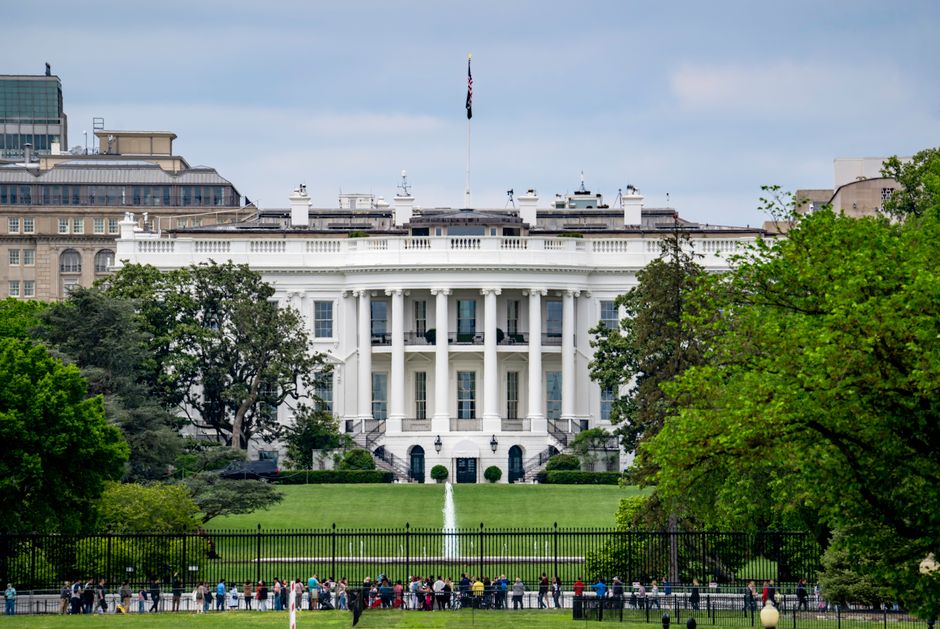
US Seeks Best Trade Offer Countries This Week, White House Says
The United States is actively engaged in identifying and pursuing countries offering the most advantageous trade terms this week, a strategic initiative underscored by recent White House pronouncements. This proactive stance signals a renewed focus on optimizing bilateral and multilateral trade agreements to bolster American economic interests, enhance competitiveness, and secure critical supply chains. The administration’s approach is multifaceted, involving rigorous evaluation of existing partnerships, exploration of new opportunities, and a commitment to leveraging American industrial and technological prowess to secure favorable terms. The urgency of this pursuit is amplified by a dynamic global economic landscape, characterized by evolving geopolitical alignments, emerging technological frontiers, and persistent supply chain vulnerabilities exposed by recent global events.
At the core of this endeavor lies a comprehensive assessment of potential trading partners. The White House is reportedly prioritizing nations that demonstrate a willingness to engage in reciprocal trade practices, offering fair market access for American goods and services. This includes scrutinizing tariff structures, non-tariff barriers, intellectual property protection regimes, and regulatory environments. The goal is not merely to expand trade volume but to cultivate partnerships that foster sustainable growth, create high-wage American jobs, and promote innovation. The administration’s criteria for "best trade offer" extend beyond immediate price competitiveness to encompass long-term strategic benefits, such as the security of essential resource imports, the expansion of markets for advanced American technologies, and the establishment of robust frameworks for dispute resolution. This implies a sophisticated analysis that weighs economic benefits against geopolitical considerations and the alignment of trade policies with national security objectives.
Specifically, the focus this week is on countries that can offer immediate and tangible advantages. This could manifest in several ways: reduced tariffs on key American exports like agricultural products, manufactured goods, and advanced technology; preferential treatment for American service providers in sectors such as finance, healthcare, and digital services; streamlined customs procedures that reduce logistical costs and delivery times; and robust legal frameworks that protect American investments and intellectual property. The White House’s emphasis on "this week" suggests a tactical, perhaps even opportunistic, approach, where immediate gains and swift progress are paramount. This could be driven by a need to demonstrate economic wins to domestic audiences, respond to specific market shifts, or capitalize on opportune moments in international relations.
The selection process for these "best trade offer" countries is likely informed by data analytics and intelligence gathering. Government agencies such as the Department of Commerce, the Office of the United States Trade Representative (USTR), and the Department of State are undoubtedly involved in this evaluation. They are likely examining trade data to identify countries with growing import demands that align with American export capabilities. Furthermore, they are assessing the regulatory landscapes of potential partners, looking for environments that are conducive to American business operations. This includes evaluating labor laws, environmental regulations, and standards related to product safety and quality. The aim is to find countries where American businesses can compete on a level playing field and where the costs of doing business are predictable and manageable.
A critical component of the "best trade offer" consideration is the commitment to intellectual property (IP) rights. In an era where innovation is a primary driver of economic growth, safeguarding American IP is paramount. Countries that offer strong IP enforcement mechanisms, including robust patent and copyright protection, and swift legal recourse against infringement, are highly attractive. This is particularly relevant for sectors like pharmaceuticals, biotechnology, software, and entertainment, where IP is a significant asset. The White House’s emphasis on this aspect reflects a broader strategy to foster a global environment that rewards innovation and discourages piracy and counterfeiting. This also extends to digital trade, where data governance policies and protections for digital innovations are increasingly important.
Moreover, the concept of "best trade offer" is being viewed through the lens of supply chain resilience. Recent global disruptions have highlighted the risks associated with over-reliance on single sourcing or concentration of production in a limited number of countries. Therefore, the US is actively seeking trading partners that can help diversify supply chains, particularly for critical goods and materials. This might involve identifying countries that can offer alternative sources of essential raw materials, components, or finished products, thereby reducing vulnerability to geopolitical shocks or natural disasters. The focus on diversification also extends to manufacturing capabilities, encouraging reshoring or near-shoring where feasible, and identifying partner nations that can support these efforts through specialized expertise or production capacity.
The administration’s pursuit of these favorable trade terms is not merely about securing market access for American businesses. It is also about shaping global trade norms and standards. By prioritizing countries that adhere to principles of fair competition, transparency, and sustainable development, the US aims to influence the direction of international trade policy. This can lead to the establishment of more equitable and predictable trade environments, benefiting not only American businesses but also global consumers and workers. The White House’s articulation of "best trade offer" thus carries a normative dimension, seeking partnerships that align with democratic values and responsible economic practices. This involves looking beyond pure transactional benefits to consider the broader implications of trade relationships for labor rights, environmental protection, and human rights.
The strategic importance of these trade discussions is amplified by the current geopolitical climate. As the global economic order continues to shift, the US is keen to solidify its alliances and partnerships through robust economic ties. Countries that are willing to engage in mutually beneficial trade can become stronger economic partners, contributing to shared prosperity and stability. This can also serve as a counterweight to the influence of economic competitors who may seek to use trade as a tool for geopolitical leverage. Therefore, the search for "best trade offer" countries is intertwined with broader foreign policy objectives, aiming to foster an international system that is more favorable to American interests and values.
The White House’s public statements on this matter are designed to send a clear signal to both domestic and international audiences. To American businesses, it signifies a commitment to advocating for their interests on the global stage and creating opportunities for growth. To potential trading partners, it conveys an eagerness to engage in constructive dialogue and to forge partnerships that are mutually beneficial. It also serves as a message to competitors, indicating that the US is actively working to secure its economic future and to maintain its competitive edge. The transparency around this initiative, even in its broad strokes, is part of a larger strategy to build confidence and to foster a more predictable international trading environment.
The practical implementation of this strategy will likely involve a range of diplomatic and economic tools. These could include bilateral trade negotiations, participation in multilateral trade forums, the use of trade promotion programs, and the strategic deployment of investment. The USTR’s office will be at the forefront of these efforts, leading negotiations and developing policy recommendations. The Department of Commerce will likely focus on identifying specific export opportunities and providing support to American businesses seeking to enter new markets. The Department of State will play a crucial role in coordinating these economic initiatives with broader foreign policy objectives, ensuring that trade discussions are integrated with diplomatic engagements.
The emphasis on "this week" suggests a dynamic and responsive approach to trade policy. The global economy is constantly evolving, and opportunities can arise and disappear rapidly. By signaling a readiness to act swiftly and decisively, the US aims to capitalize on these opportunities and to stay ahead of its competitors. This agility is essential in a world where economic trends can shift dramatically due to technological advancements, political developments, or unexpected global events. The administration is indicating a departure from slow, drawn-out trade negotiations in favor of a more nimble and proactive strategy.
In conclusion, the White House’s declaration that the US seeks the "best trade offer countries this week" signifies a clear and urgent commitment to optimizing its global trade relationships. This pursuit is driven by a strategic imperative to enhance American economic competitiveness, secure vital supply chains, foster innovation, and strengthen geopolitical alliances. The process involves rigorous evaluation of potential partners based on criteria extending beyond mere price, encompassing fair market access, intellectual property protection, and supply chain resilience. This dynamic and responsive approach signals a proactive engagement with the global economic landscape, aiming to secure tangible benefits for American businesses and workers, while also shaping a more favorable international trade environment. The urgency of the "this week" timeframe underscores a desire for swift action and the capitalization of immediate opportunities in an ever-changing global marketplace.
