Global Markets Wrap-Up: Q1 2024 Performance, Trends, and Outlook
The first quarter of 2024 witnessed a complex and dynamic performance across global financial markets, characterized by resilient equity gains, fluctuating interest rate expectations, and persistent inflationary pressures. Major developed market indices, including the S&P 500, the STOXX Europe 600, and the Nikkei 225, posted significant positive returns, driven by a confluence of factors. Corporate earnings largely exceeded expectations, particularly in the technology sector, fueled by continued enthusiasm for artificial intelligence (AI) and digital transformation initiatives. Geopolitical tensions, while ever-present, did not derail the overall upward momentum, with investors largely pricing in existing conflicts. However, the narrative surrounding monetary policy remained a central theme, as central banks grappled with the delicate balance of curbing inflation without stifling economic growth.
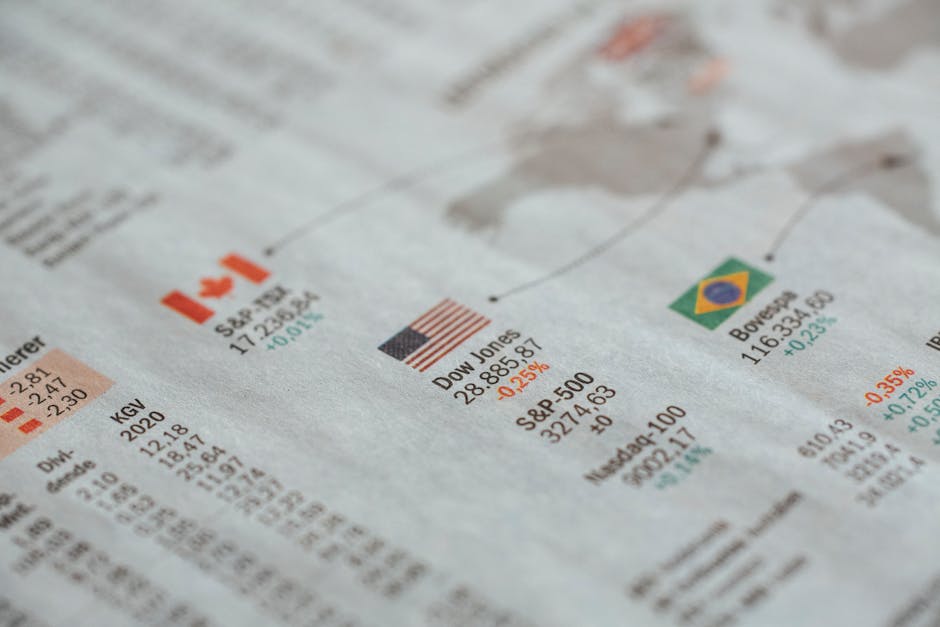
The United States equity market, spearheaded by the S&P 500, delivered a robust performance in Q1 2024, reaching new all-time highs. The technology sector, represented by the Nasdaq Composite, outperformed significantly, with major semiconductor companies and AI-focused firms experiencing substantial rallies. This surge was attributed to sustained demand for AI-related hardware and software, as businesses continued to invest heavily in AI infrastructure and applications. The strong earnings season for these companies provided concrete evidence of this demand, reinforcing investor confidence. Beyond tech, other sectors also contributed to the broader market gains, albeit at a more moderate pace. Financials benefited from a relatively stable interest rate environment, while healthcare showed resilience. Consumer discretionary also saw healthy gains, indicating a degree of consumer confidence and spending power, despite persistent inflation. The US dollar, while experiencing some volatility, generally held firm, reflecting the relative strength of the US economy and the appeal of US dollar-denominated assets.
European equities, as measured by the STOXX Europe 600, also charted a positive course in the first quarter of 2024. While perhaps not as explosive as the US tech-led rally, the gains were broad-based and indicative of a more stable, albeit slower, economic recovery. Key drivers included improved corporate earnings across various sectors, particularly in industrials and consumer staples. A cautious optimism surrounding the European Central Bank’s (ECB) monetary policy stance also played a role. While the ECB maintained a hawkish tone to combat inflation, market participants began to price in potential rate cuts later in the year, offering a degree of relief to debt-laden economies and businesses. The ongoing war in Ukraine continued to cast a shadow, impacting energy prices and supply chains, but European markets demonstrated a growing ability to absorb these shocks. The Euro experienced fluctuations against the US dollar, influenced by differing economic trajectories and central bank policies.
The Japanese equity market, represented by the Nikkei 225, experienced a remarkable surge in Q1 2024, reaching levels not seen in decades. This impressive rally was fueled by several factors, including a weak Yen, which bolstered the competitiveness of Japanese exports, and a renewed focus on corporate governance reforms by the Tokyo Stock Exchange. Many Japanese companies have been actively repurchasing shares and increasing dividends, enhancing shareholder returns and attracting foreign investment. The Bank of Japan’s ultra-loose monetary policy, while a departure from global tightening trends, continued to support domestic economic activity and asset prices. Foreign investors, in particular, showed a strong appetite for Japanese equities, seeking diversification and attractive valuations. The continued recovery of the global economy, coupled with Japan’s strong manufacturing base, provided a favorable backdrop for this impressive performance.
Emerging markets, while generally participating in the global equity uptrend, presented a more mixed picture in Q1 2024. Countries with strong commodity exports, such as Brazil and certain energy-rich nations, benefited from elevated commodity prices. China’s equity markets, however, remained a key focus of attention. While there were periods of optimism driven by government stimulus measures and a perceived bottoming out of the property sector, concerns about the long-term growth trajectory and regulatory uncertainties persisted. India continued its strong performance, driven by robust domestic demand, infrastructure spending, and a growing digital economy. Other emerging markets, particularly those heavily reliant on exports to developed economies, faced headwinds from slowing global growth and the impact of high interest rates in major economies. Currency fluctuations in emerging markets were significant, with some currencies strengthening due to commodity price surges and others weakening amid global risk aversion.
The bond markets in Q1 2024 were largely dominated by the evolving narrative surrounding interest rates. In the US, Treasury yields experienced some fluctuations as inflation data and Federal Reserve commentary kept investors on edge. While inflation showed signs of moderating from its peak, it remained stubbornly above the Fed’s target, leading to a recalibration of expectations regarding the timing and magnitude of potential rate cuts. The market’s initial anticipation of aggressive rate cuts early in the year was scaled back as economic data suggested continued resilience. This recalibration led to some upward pressure on yields, particularly for shorter-duration bonds. In Europe, the ECB’s communication also played a crucial role in shaping bond yields. While the rhetoric remained hawkish, the prospect of eventual rate cuts provided some support for bond prices, especially for longer-duration debt. Corporate bond markets generally performed well, with spreads tightening in line with the positive equity sentiment, indicating a lower perceived risk of default for many companies.
The performance of commodities in Q1 2024 was a tale of two halves for different asset classes. Oil prices, after a volatile period, found a degree of stability, influenced by geopolitical concerns in the Middle East and supply-side considerations from OPEC+ production cuts. While demand forecasts remained somewhat subdued due to global economic uncertainties, the supply-side discipline helped to support prices. Gold, on the other hand, exhibited a strong upward trend. This rally was driven by a combination of factors, including its traditional role as a safe-haven asset amid geopolitical risks, renewed interest from central banks as a diversification tool, and expectations of potential interest rate cuts, which reduce the opportunity cost of holding non-yielding assets. Industrial metals, while showing some strength, were more sensitive to global manufacturing output and China’s economic performance, leading to more mixed price action. Agricultural commodities faced their own unique set of challenges, influenced by weather patterns, geopolitical disruptions to supply chains, and evolving global food demand.
The foreign exchange markets in Q1 2024 were characterized by the ongoing divergence in monetary policy between major central banks. The US dollar remained a strong currency, supported by the relative resilience of the US economy and the Federal Reserve’s cautious approach to rate cuts. The Euro experienced volatility, influenced by the ECB’s policy stance and the economic outlook for the Eurozone. The Japanese Yen, while showing some signs of strengthening from multi-decade lows, remained under pressure due to the Bank of Japan’s continued accommodative monetary policy. Emerging market currencies experienced varying degrees of appreciation and depreciation, depending on their economic fundamentals, commodity exposures, and capital flows. Geopolitical events and shifts in global risk sentiment also played a significant role in currency movements, triggering safe-haven flows into currencies like the US dollar and the Swiss Franc.
Looking ahead, several key themes are expected to dominate global markets in the remainder of 2024. Inflation will remain a central focus. While a sustained downtrend is anticipated, the pace of disinflation and the risk of persistent price pressures will continue to be closely monitored by central banks. The trajectory of interest rates will be heavily influenced by inflation data and economic growth. Markets will be keenly awaiting signals from the Federal Reserve, ECB, and other major central banks regarding their monetary policy easing cycles. Corporate earnings growth, while expected to remain positive, may face headwinds from higher borrowing costs, slowing consumer demand in some regions, and ongoing supply chain challenges. Geopolitical risks, including existing conflicts and potential new flashpoints, will continue to be a source of uncertainty and volatility. The ongoing transition to a greener economy and the associated investments in renewable energy and related technologies are expected to provide ongoing opportunities and challenges for specific sectors and industries. The performance of emerging markets will likely remain bifurcated, with countries benefiting from commodity booms and strong domestic demand outperforming those facing greater external vulnerabilities. Investors will need to remain agile and adapt to evolving market conditions, focusing on diversification, robust risk management, and a deep understanding of the underlying economic and geopolitical drivers. The interplay between technological innovation, particularly in AI, and its integration across industries will continue to be a significant theme, potentially creating pockets of sustained growth and disruption.
