Military Affairs: Navigating the Complex Landscape of Global Security and Defense
The domain of military affairs encompasses the intricate and multifaceted realities of armed conflict, national defense, security strategy, and the apparatus designed to project power and maintain order. It is a field characterized by constant evolution, driven by technological advancements, shifting geopolitical landscapes, and the persistent threat of insecurity. Understanding military affairs requires a deep dive into its various components, from the strategic imperatives that guide national security policies to the tactical execution of operations on the ground, sea, and air. This comprehensive exploration will dissect the core elements of military affairs, offering insights into its historical trajectory, contemporary challenges, and future outlook, with a focus on key concepts and terminology crucial for SEO.
At its foundational level, military affairs is concerned with the art and science of warfare. This includes the strategic planning and development of military forces, the procurement and deployment of weapons systems, and the training and doctrine that govern military operations. Strategic thinking within military affairs involves assessing threats, identifying national interests, and formulating long-term plans to protect those interests through military means. This can range from deterrence strategies, aimed at preventing conflict through the credible threat of retaliation, to power projection, the ability to deploy and sustain forces in distant regions to influence events. Military doctrine, on the other hand, represents the codified beliefs and principles that guide the conduct of military forces. These doctrines are not static; they are continually revised and adapted to reflect lessons learned from past conflicts and to anticipate future threats. The development of effective military doctrine is a critical aspect of military affairs, as it shapes how forces are organized, trained, and employed.
The technological dimension of military affairs is perhaps its most dynamic and transformative element. The arms race, a historical driver of innovation, continues to shape military capabilities. From the development of gunpowder to the advent of nuclear weapons, and now to the integration of artificial intelligence, cyber warfare, and advanced autonomous systems, technology fundamentally alters the nature of conflict. Military affairs professionals must constantly monitor and evaluate emerging technologies, assess their potential impact on military operations, and invest in research and development to maintain a technological edge. This includes not only offensive capabilities but also defensive measures, such as advanced missile defense systems, electronic warfare capabilities, and robust cybersecurity protocols to protect critical military infrastructure. The procurement process for new military hardware is often a lengthy and complex undertaking, involving significant financial investment and demanding careful consideration of strategic requirements, technological feasibility, and cost-effectiveness.
Geopolitics plays an indispensable role in shaping military affairs. The international system is characterized by sovereign states, each with its own security interests and alliances. Military affairs is inherently tied to these relationships, influencing and being influenced by international law, treaties, and diplomatic negotiations. The concept of national security is central to this, encompassing not only military strength but also economic stability, political resilience, and the ability to withstand non-military threats such as terrorism and cyberattacks. The rise and fall of great powers, regional conflicts, and the proliferation of weapons of mass destruction all contribute to a constantly shifting global security environment that necessitates continuous adaptation in military affairs. Understanding regional dynamics, the motivations of potential adversaries, and the interests of allies is crucial for effective strategic planning and the prevention of conflict.
The organization and structure of military forces are also core concerns within military affairs. This includes the establishment of different branches of service (army, navy, air force, space force, etc.), the hierarchical command structures, and the specialization of roles and responsibilities. The size and composition of a nation’s military are determined by a complex interplay of factors, including threat assessments, budget constraints, and strategic objectives. Military organizations are designed for efficiency, discipline, and the ability to execute complex operations under stressful conditions. This involves extensive training, rigorous physical conditioning, and the cultivation of a strong sense of esprit de corps. The integration of different military branches into joint and combined operations, where forces from multiple nations or services work together, is a significant aspect of modern military affairs, requiring complex coordination and interoperability.
Beyond the direct conduct of warfare, military affairs also encompasses a broad spectrum of activities related to maintaining peace and stability. This includes peacekeeping operations, humanitarian assistance and disaster relief (HADR), and the broader concept of national defense. Peacekeeping missions, often conducted under the auspices of international organizations like the United Nations, involve deploying military personnel to conflict zones to monitor ceasefires, protect civilians, and support the implementation of peace agreements. HADR operations leverage military logistics and capabilities to provide aid and support in the aftermath of natural disasters, often in coordination with civilian agencies. National defense, the overarching responsibility of a military, extends beyond responding to direct threats to encompass the deterrence of aggression, the protection of national borders and interests, and the contribution to collective security arrangements.
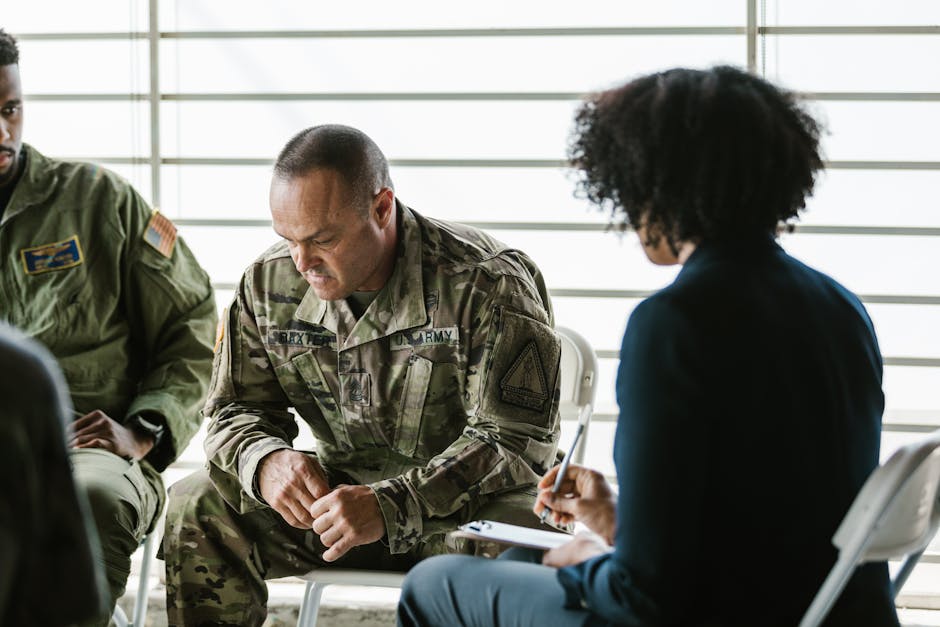
The human element is paramount in military affairs, despite the increasing reliance on technology. The morale, training, and leadership of military personnel are critical determinants of success in any operation. Military ethics and the laws of armed conflict govern the conduct of soldiers, seeking to mitigate the suffering caused by war and to ensure accountability for violations. The psychological impact of combat, the challenges of reintegration for returning service members, and the ethical dilemmas faced by military leaders are all significant areas of study and concern within military affairs. The recruitment, retention, and professional development of military personnel are ongoing challenges that require careful strategic planning and significant investment.
The economic dimensions of military affairs are substantial. Defense spending represents a significant portion of national budgets for many countries, leading to complex debates about resource allocation, the efficiency of military procurement, and the impact of defense industries on national economies. The concept of the military-industrial complex, a term coined by President Eisenhower, highlights the intricate relationship between defense contractors, government policymakers, and the military itself, and its potential influence on national policy. The economic viability of maintaining a modern military force is a constant consideration for policymakers.
Contemporary military affairs is increasingly shaped by asymmetric warfare and non-state actors. The rise of terrorist organizations, insurgencies, and cyber threats presents challenges that often defy traditional military responses. This requires military forces to adapt their strategies, tactics, and equipment to counter these evolving threats. The use of unconventional tactics, the exploitation of information environments, and the targeting of civilian infrastructure are all characteristic of asymmetric warfare. Military affairs professionals must develop innovative approaches to intelligence gathering, special operations, and counter-insurgency efforts to effectively address these challenges.
The future of military affairs is likely to be characterized by further technological advancements, particularly in areas such as artificial intelligence, autonomous systems, and cyber warfare. The integration of these technologies will undoubtedly reshape the battlefield and necessitate new doctrines and training methodologies. The increasing interconnectedness of the global economy and the rise of transnational threats will also continue to influence military affairs, requiring greater international cooperation and the development of more adaptable and agile military forces. The ability to conduct multi-domain operations, seamlessly integrating capabilities across land, sea, air, space, and cyberspace, will be a defining characteristic of future military success. Understanding and mastering these complex, interconnected domains is the ongoing imperative of military affairs.