The delicate balance of the world’s freshwater ecosystems is undergoing a massive, human-driven transformation, as a comprehensive new study reveals that approximately 43% of all known large freshwater animal species have been deliberately introduced into environments outside their native ranges. This phenomenon, involving creatures ranging from massive river turtles and hippopotamuses to apex predators like crocodiles and various large fish species, highlights a global trend of biological redistribution that carries profound implications for biodiversity, local economies, and human safety. According to the research, out of 216 identified species of freshwater megafauna—defined as animals that weigh more than 30 kilograms (66 pounds)—93 have been successfully established in foreign rivers, lakes, and wetlands across 142 countries and regions.
The study, published in a leading environmental journal, underscores a complex tension between human utility and ecological integrity. While the majority of these introductions were carried out with the intention of bolstering food security, enhancing commercial fisheries, or stimulating tourism, the long-term consequences have frequently been detrimental. The research team, led by Fengzhi He, a freshwater ecologist at the Chinese Academy of Sciences’ Northeast Institute of Geography and Agroecology, warns that the perceived short-term economic gains often mask deep, irreversible damage to indigenous wildlife and the communities that depend on them.
The Scope and Scale of Global Redistribution
The redistribution of freshwater giants is not a localized issue but a systemic global trend. The study’s findings indicate that the scale of these introductions is far greater than previously documented in most conservation literature. By analyzing global distribution data, the researchers found that nearly half of the world’s largest freshwater inhabitants now reside in "alien" territories. These species are not merely passing through; they have established breeding populations that compete with native species for resources, alter the physical structure of habitats, and disrupt ancient food webs.
Fengzhi He’s interest in this phenomenon began during an earlier project focused on mapping the global occurrences of freshwater megafauna. During that process, he noted a recurring pattern: a significant number of sightings were occurring in regions where the species had no historical presence. This led to a collaborative effort to quantify these movements and investigate the motivations behind them. The resulting data shows that the introduction of these "giants" is a hallmark of the Anthropocene, reflecting a world where natural barriers are routinely bypassed by human activity.
A Chronology of Intentional Introduction
The history of introducing large freshwater species is long and varied, evolving alongside human industrial and social needs. In the mid-20th century, the primary driver was the "Green Revolution" and the subsequent push for "Blue" food security. Governments and international development agencies sought to populate inland waterways with high-yield protein sources to feed growing populations.
During the 1950s and 60s, for instance, the common carp (Cyprinus carpio) was disseminated globally. Originally native to Eurasia, it has now been introduced to more than 100 countries. While it became a staple in global aquaculture, its tendency to uproot vegetation and increase water turbidity has earned it a reputation as an "ecosystem engineer" that can degrade water quality for other species. Similarly, the African catfish (Clarias gariepinus) was spread across more than 30 countries starting in the late 20th century, valued for its hardiness and rapid growth in aquaculture settings.
By the late 1990s and early 2000s, the motivations for introduction shifted toward high-value commercial ventures. This period saw a rise in the farming of crocodilians for the luxury leather trade. Species such as the Siamese crocodile (Crocodylus siamensis), the Nile crocodile (Crocodylus niloticus), and the spectacled caiman (Caiman crocodilus) were imported into regions like China to stock commercial farms. In many cases, escapes or intentional releases from these facilities have led to wild populations in non-native wetlands.
In the modern era, the pet trade and recreational "trophy" fishing have become dominant drivers. Exotic river stingrays, large ornamental turtles, and predatory fish are moved across borders to satisfy a niche but lucrative market. When these animals outgrow their tanks or when hobbyists lose interest, they are frequently released into local ponds and rivers, where—due to their size and lack of natural predators—they often thrive at the expense of local fauna.
Economic Drivers vs. Ecological Realities
The study categorizes the primary reasons for these introductions into four major sectors: fisheries and aquaculture, commercial farming (such as leather), the pet trade, and tourism. In each of these sectors, the immediate benefits are easily quantifiable in monetary terms.
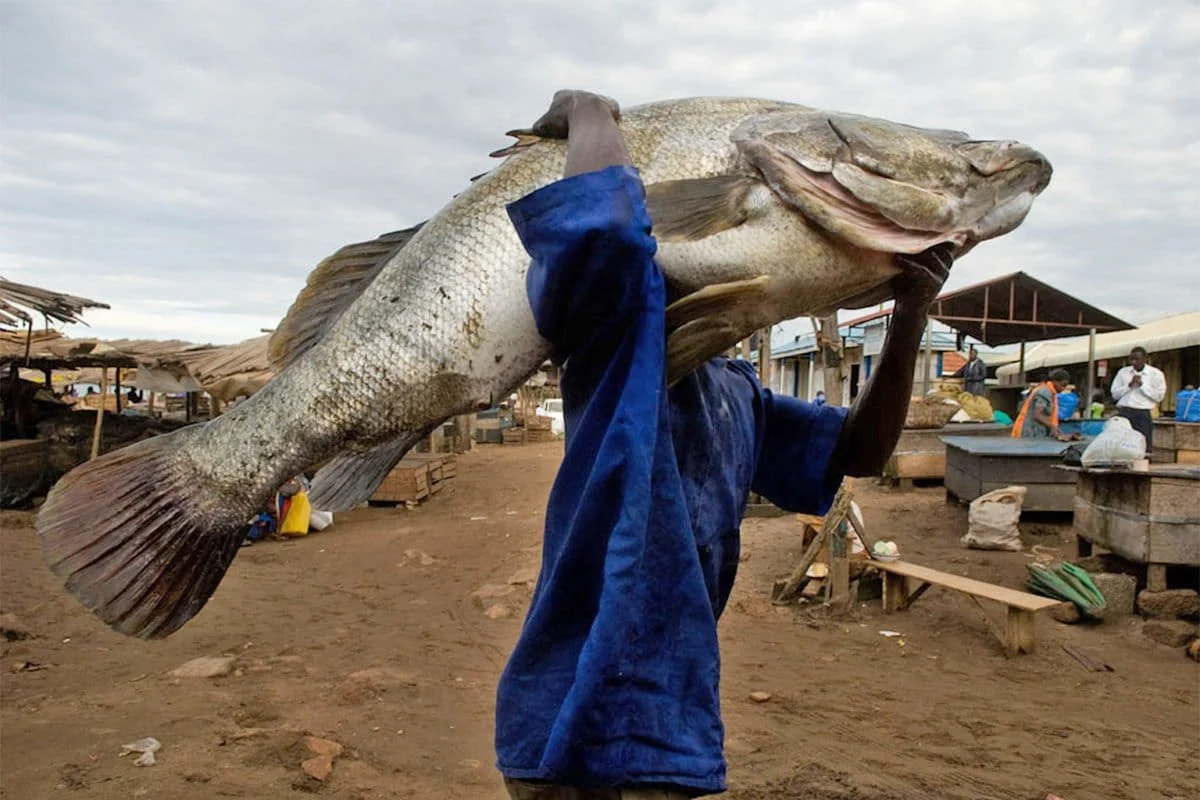
In the realm of fisheries, the introduction of the Nile perch (Lates niloticus) into Lake Victoria in the 1950s remains one of the most cited examples of a "successful" introduction gone wrong. Initially intended to boost the local economy by providing a large, exportable fish species, the Nile perch did succeed in creating a multi-million dollar industry. However, this came at a staggering cost. The perch predated upon hundreds of species of native cichlids, leading to the extinction of an estimated 200 species. This ecological collapse eventually hurt the very people the introduction was meant to help; small-scale local fishermen who could not afford the equipment needed to catch the larger perch were pushed out of the industry, leading to localized poverty and a loss of traditional food sources.
In South America, a different set of challenges emerged from a more unusual introduction. In the 1980s, the infamous drug kingpin Pablo Escobar imported four hippopotamuses to his private estate in Colombia. Following his death, the animals were left untended and escaped into the Magdalena River basin. Today, they are known as the "cocaine hippos," and their population has swelled to over 150 individuals. While they have become a bizarre draw for tourism, they pose a significant threat to the local ecosystem. Their massive amounts of waste alter the oxygen levels in the water, potentially leading to fish kills, and their aggressive nature makes them a lethal threat to local human populations who navigate the river for fishing and transport.

The Measurement Bias: Why Benefits Overshadow Harms
One of the most striking conclusions of the research is the disparity in how the impacts of introduced species are recorded. The study found that the benefits of megafauna introduction are significantly better documented than the harms.
According to Fengzhi He, this is largely due to the ease of data collection. "Benefits, including enhanced food supply, provision of materials, pet trade, and recreational fishing, can be relatively easy to observe and measure," He explained. "For example, data on economic activities is often available in published financial reports and trade statistics."
Conversely, the detrimental impacts are often "invisible" to standard economic metrics. Measuring the loss of biodiversity requires long-term ecological monitoring, which is expensive and often underfunded. Furthermore, the indirect impacts—such as the loss of cultural heritage when a native species goes extinct, or the long-term health consequences of altered water quality—are incredibly difficult to quantify. This creates a skewed perception where policymakers may see only the revenue generated by an introduced species while remaining blind to the slow-motion collapse of the underlying ecosystem.
Social Inequity in Biological Invasions
A critical point raised by the research team is the social inequity inherent in species introduction. The study notes that those who benefit from the introduction of a new species are rarely the same people who bear the brunt of its negative impacts.
In many cases, large-scale commercial interests or wealthy hobbyists drive the introduction, while local indigenous communities or subsistence farmers suffer the consequences. When an invasive megafauna species outcompetes a native fish that served as a primary protein source for a village, the village loses its food security. Meanwhile, the commercial entity that introduced the invasive species for export might continue to profit.
"We noticed that the detrimental impacts posed by alien freshwater megafauna often affect people who neither introduce freshwater megafauna nor benefit from their introduction," He noted. This finding suggests that future environmental impact assessments must move beyond simple "net economic gain" models and instead incorporate a "social justice" framework that considers the distribution of risks and rewards across different societal groups.
Implications for Future Policy and Conservation
As the global climate continues to change, the movement of freshwater megafauna is expected to accelerate. Warmer water temperatures may allow tropical species to survive in previously temperate regions, further expanding the potential range of invasive giants. The study authors anticipate that the demand for aquaculture and the exotic pet trade will continue to grow, particularly in developing economies, making it more essential than ever to establish robust international biosecurity protocols.
The findings serve as a wake-up call for international conservation bodies. While organizations like the International Union for Conservation of Nature (IUCN) track the status of endangered species, the researchers argue for a more holistic approach that monitors the movement of all megafauna, regardless of their native status.
There is also a paradoxical challenge: many of these species are critically endangered in their native habitats while being considered "invasive pests" elsewhere. For example, the Siamese crocodile is nearly extinct in the wild in Southeast Asia but exists in large numbers in Chinese commercial farms. This creates a complex conservation dilemma regarding whether these non-native populations can or should be used for the global survival of the species, or if they must be eradicated to protect local biodiversity.
Conclusion
The study led by Fengzhi He provides a sobering look at the "New World Order" of freshwater ecosystems. With 43% of the world’s largest freshwater animals now established in non-native waters, the human hand has effectively rewritten the biological map of the planet’s rivers and lakes.
As the world moves forward, the researchers emphasize that "deliberate" does not mean "controlled." Once a 30-kilogram animal is introduced into a complex wild system, the "unintended consequences" almost always outweigh the initial plans. The study calls for a fundamental shift in how we value freshwater environments—moving away from seeing them as mere "production units" for food and commerce and recognizing them as fragile, interconnected systems that require protection from the very giants we have chosen to move.
The path forward will require rigorous monitoring, a commitment to social equity in environmental management, and a cautious approach to any future proposals for species introduction. In the quest for food security and economic growth, the world must ensure that the giants of the freshwater world do not become the instruments of an ecological collapse that no amount of profit can repair.