The Enduring Power of Superhero Fiction: A Deep Dive into the Genre
Superhero fiction, a vibrant and ever-evolving genre, transcends simple escapism to offer profound explorations of morality, societal anxieties, and the very definition of heroism. At its core, superhero fiction centers on individuals, often possessing extraordinary abilities or advanced technology, who dedicate themselves to combating evil and protecting the innocent. While the archetypal image of the caped crusader remains prominent, the genre has expanded exponentially, encompassing a diverse range of characters, power sets, and narrative complexities. Understanding the foundational elements and the thematic richness of superhero fiction is key to appreciating its enduring appeal and its significant cultural impact.
The genesis of superhero fiction can be traced back to the early 20th century, with the advent of comic books. Characters like Superman, Batman, and Wonder Woman, introduced in the late 1930s and 1940s, established many of the genre’s foundational tropes. Superman, with his alien origins and inherent goodness, embodied an aspirational ideal of power used for altruism. Batman, a mortal driven by trauma and intellect, represented the triumph of human will and resourcefulness against overwhelming odds. Wonder Woman, a warrior princess from a matriarchal society, introduced a powerful female archetype, advocating for justice and compassion. These early characters not only captivated audiences during times of global conflict, offering a sense of hope and reassurance, but also laid the groundwork for the narrative structures and character archetypes that would define the genre for decades to come. The Golden Age of comic books saw the rise of numerous other heroes, each with unique origins and motivations, but all united by a commitment to fighting injustice.
The core appeal of superhero fiction lies in its exploration of universal human desires and fears, magnified through the lens of extraordinary circumstances. The desire for justice, the need for protection, and the struggle against overwhelming odds are all fundamental aspects of the human experience. Superheroes, by embodying these desires on a grand scale, provide cathartic wish fulfillment for audiences. Their struggles, though often cosmic in scope, resonate with the everyday challenges individuals face. The inherent power imbalance between the superhero and the villain often serves as a metaphor for societal power dynamics, allowing audiences to explore complex issues of corruption, oppression, and the fight for equality from a safe, fictional distance. Furthermore, the genre frequently delves into the ethical dilemmas of power. What are the responsibilities that come with immense strength? How does one maintain their humanity when they are capable of god-like feats? These questions are central to compelling superhero narratives and contribute to their intellectual depth.
A crucial element of superhero fiction is the concept of the alter ego. Most superheroes maintain a secret identity, a double life that allows them to navigate the complexities of their heroic and civilian existences. This duality is often a source of internal conflict and narrative tension. Peter Parker’s constant struggle to balance his responsibilities as Spider-Man with his life as a struggling photographer and student is a prime example. This dichotomy allows writers to explore the personal sacrifices inherent in heroism, the emotional toll of constant vigilance, and the challenges of maintaining genuine human connections when one is constantly in danger. The alter ego also serves as a mechanism for relatability; by portraying superheroes as flawed individuals grappling with everyday problems, the genre makes these extraordinary beings more accessible and their journeys more emotionally impactful. The contrast between the powerful hero and the vulnerable civilian highlights the very human core that drives their heroic actions.
The evolution of superhero fiction has been marked by a continuous expansion of thematic complexity and narrative ambition. While early narratives often focused on straightforward good versus evil conflicts, later iterations began to explore more nuanced moral landscapes. The Silver Age saw the introduction of more science-fiction elements and cosmic threats, while the Bronze Age delved into social issues and political commentary. The modern era, particularly from the late 20th century onwards, has witnessed a surge in gritty realism, deconstruction of tropes, and a greater emphasis on the psychological impact of being a superhero. Writers and artists have increasingly explored the trauma associated with the superhero life, the moral compromises they are forced to make, and the potential for their powers to corrupt. This evolution reflects broader shifts in storytelling and societal understanding, demonstrating the genre’s capacity to adapt and remain relevant.
Villains in superhero fiction are as crucial as the heroes themselves. They are not merely obstacles but often serve as dark reflections of the heroes’ ideals or embody societal fears and anxieties. The Joker, with his nihilistic philosophy and chaotic nature, stands in stark contrast to Batman’s ordered pursuit of justice. Magneto, a mutant driven by a traumatic past and a fervent belief in mutant supremacy, offers a complex antagonist whose motivations, while extreme, stem from a recognizable form of oppression. The best villains possess compelling backstories and well-defined ideologies that challenge the hero’s worldview, forcing them to confront their own limitations and the broader implications of their actions. The dynamic between hero and villain is a vital engine of conflict, driving the narrative forward and providing opportunities for the hero’s growth and development.
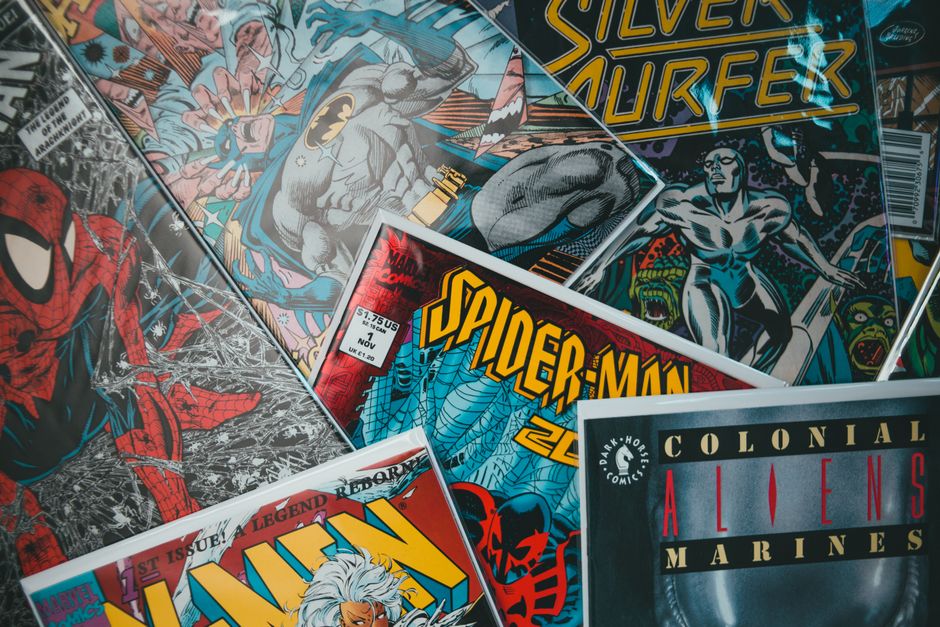
The visual medium of comic books has profoundly shaped superhero fiction, with its unique blend of sequential art and narrative. The dynamic panel layouts, expressive character designs, and vivid coloring contribute significantly to the genre’s impact. This visual language has been successfully translated to other media, most notably film and television, leading to the unprecedented popularity of superhero blockbusters. These adaptations, while often striving for faithfulness, also bring new interpretations and expand the audience for superhero stories. The success of the Marvel Cinematic Universe (MCU) and the DC Extended Universe (DCEU) demonstrates the genre’s immense commercial viability and its ability to resonate with a global audience. These cinematic universes, through their interconnected narratives and ambitious storytelling, have further solidified the genre’s place in popular culture.
Beyond the action and spectacle, superhero fiction offers a rich tapestry of allegorical and symbolic meaning. Many heroes and their struggles can be interpreted as metaphors for various aspects of human experience. Superman, for instance, can be seen as a symbol of unwavering idealism and immigrant experience, while Captain America embodies the enduring spirit of patriotism and moral fortitude. The X-Men, with their narrative of ostracized mutants fighting for acceptance, have become potent symbols for marginalized groups and the struggle against prejudice. These allegorical layers add depth and resonance to the stories, allowing them to speak to audiences on multiple levels and foster empathy and understanding. The genre’s ability to engage with complex social and political issues through fantastical narratives makes it a powerful tool for social commentary.
The enduring appeal of superhero fiction can be attributed to its inherent optimism, even in its darker iterations. While heroes may face overwhelming odds and experience profound loss, their ultimate commitment to fighting for what is right offers a message of hope and resilience. The genre consistently posits that even in the face of immense darkness, individuals can make a difference. This fundamental belief in the possibility of positive change, coupled with the inherent thrill of extraordinary abilities and epic battles, ensures the continued vitality and relevance of superhero fiction. The genre’s capacity for reinvention, coupled with its deep-seated appeal to fundamental human desires for justice and heroism, guarantees its continued prominence in the landscape of popular culture.
The economic impact of superhero fiction is undeniable. From comic book sales to blockbuster film revenues, merchandise, and video games, the genre represents a multi-billion dollar industry. This economic success is a testament to its widespread appeal and its ability to consistently attract and engage audiences across diverse demographics. The symbiotic relationship between the comic book source material and its various adaptations fuels a continuous cycle of creation and consumption, ensuring the genre’s longevity and influence. The development of expansive cinematic and television universes has further amplified this economic power, creating cohesive narrative worlds that foster immense fan engagement and drive significant revenue streams.
The future of superhero fiction promises continued innovation and exploration. As creators push the boundaries of storytelling, we can expect to see more diverse characters, more complex narratives, and a deeper engagement with contemporary social and political issues. The genre’s inherent adaptability and its ability to absorb and reflect the zeitgeist suggest that superhero fiction will remain a dynamic and influential force in popular culture for generations to come, continually finding new ways to inspire, entertain, and provoke thought. The ongoing evolution of the genre, driven by a desire to reflect the multifaceted nature of heroism and the complexities of the human condition, ensures its continued relevance and its enduring power to captivate audiences worldwide.
