The European Economy: A Multifaceted Landscape of Growth, Challenges, and Innovation
The European economy, a sprawling and intricate network encompassing diverse nations with varying economic models, represents a significant force in the global economic arena. Characterized by a long history of industrialization, advanced infrastructure, and a strong commitment to social welfare, the continent presents a unique blend of established strengths and emergent vulnerabilities. Its economic output, driven by sectors like manufacturing, services, and increasingly, technology and green industries, places it among the world’s largest economic blocs. The European Union (EU) acts as a central coordinating body for many of these economies, fostering integration through a single market, a common currency (the Euro for a significant portion of its members), and harmonized regulations. This integration has facilitated trade, investment, and the free movement of people, creating a powerful economic union. However, the European economic landscape is not monolithic. It is a tapestry woven with threads of stark contrasts, from the highly industrialized powerhouse economies of Germany and France to the more nascent but rapidly developing economies of Eastern Europe, and the deeply integrated financial hub of the United Kingdom (despite its departure from the EU). Understanding the European economy requires a deep dive into its foundational principles, its ongoing evolution, its persistent challenges, and its strategic future directions.
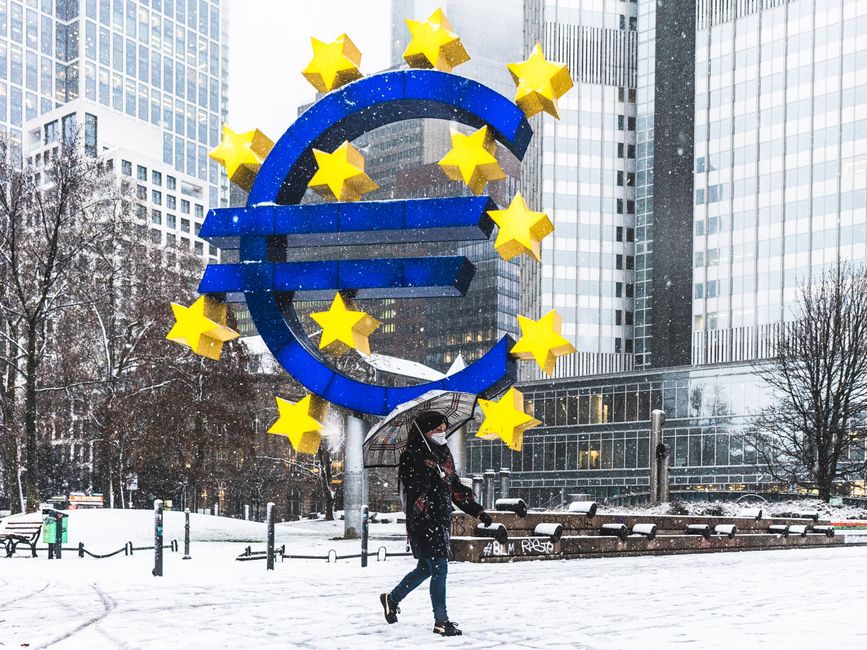
At its core, the European economic model has historically emphasized a "social market economy" – a system that blends free-market principles with a strong social safety net and a commitment to equitable distribution of wealth and opportunity. This philosophy underpins many of the continent’s social policies, including robust healthcare systems, generous unemployment benefits, and strong worker protections. While this approach has contributed to high living standards and social cohesion, it also presents certain economic trade-offs, such as higher labor costs and potentially more rigid labor markets compared to some other global economies. The post-World War II reconstruction and the subsequent establishment of the European Economic Community (EEC), later the European Union, were pivotal in shaping the modern European economy. The aim was to foster peace and prosperity through economic interdependence, breaking down trade barriers and creating a common market where goods, services, capital, and people could move freely. This has led to significant gains in efficiency, specialization, and overall economic growth across member states. The Euro, introduced in 1999, further cemented this integration, eliminating currency exchange risks and simplifying cross-border transactions for a large number of European nations. The Eurozone’s economic performance, therefore, is a critical barometer for the broader European economy, with significant implications for monetary policy, inflation, and fiscal stability across its member states.
The manufacturing sector has long been a cornerstone of the European economy, particularly in countries like Germany, Italy, and France. This sector is characterized by high-value production, innovation, and a strong focus on quality. Industries such as automotive, aerospace, pharmaceuticals, and machinery are world leaders, exporting their products globally. These industries are increasingly integrating advanced technologies, including automation, artificial intelligence (AI), and the Internet of Things (IoT), to enhance efficiency, productivity, and competitiveness. The shift towards Industry 4.0 is a significant trend, aiming to create "smart factories" that are more agile, responsive, and sustainable. However, this sector also faces increasing competition from emerging economies and is heavily reliant on global supply chains, which have proven vulnerable to geopolitical disruptions and pandemics. The services sector has also grown exponentially, now representing a dominant share of GDP and employment across most European countries. This includes a vast array of sub-sectors, from financial services, banking, and insurance to tourism, retail, consulting, and creative industries. The digital transformation is profoundly impacting the services sector, with the rise of e-commerce, fintech, and digital platforms reshaping how businesses operate and consumers interact. Europe’s strong educational institutions and skilled workforce provide a solid foundation for continued growth in this sector, but adapting to rapid technological change and ensuring cybersecurity remain critical priorities.
Emerging sectors are increasingly defining the future trajectory of the European economy. The green economy, driven by the urgent need to address climate change, is a major area of focus and investment. Europe is a global leader in renewable energy technologies, such as wind and solar power, and is investing heavily in hydrogen technology, energy efficiency, and sustainable transportation. The EU’s Green Deal, a comprehensive policy initiative, aims to make the bloc climate-neutral by 2050, creating vast opportunities for innovation, job creation, and economic restructuring. This transition requires significant investment in new infrastructure, research and development, and workforce retraining. The digital economy is another critical growth area. European nations are investing in digital infrastructure, promoting AI development, and fostering a vibrant startup ecosystem. Initiatives like the European Digital Decade aim to boost digital skills, secure digital infrastructure, and facilitate digital transformation for businesses. The success of these emerging sectors is crucial for maintaining Europe’s global competitiveness and for addressing its long-term economic and environmental challenges.
Despite its strengths, the European economy faces a complex set of challenges. Demographic shifts, characterized by aging populations and declining birth rates in many member states, pose significant fiscal and labor market challenges. An aging population increases the burden on pension and healthcare systems, while a shrinking workforce can lead to labor shortages and slower economic growth. Addressing these issues requires comprehensive reforms to social security systems, policies to encourage higher birth rates, and strategies to integrate older workers and attract skilled labor from abroad. Geopolitical instability and security concerns, particularly in Eastern Europe, create economic uncertainty and can disrupt trade flows and investment. The ongoing war in Ukraine, for instance, has led to significant energy price volatility, supply chain disruptions, and increased defense spending, all of which have a tangible impact on economic activity. Inflation has been a persistent concern in recent years, driven by a combination of factors including energy price shocks, supply chain bottlenecks, and expansionary fiscal and monetary policies. Central banks across Europe have been actively working to curb inflation through interest rate hikes, which can, in turn, dampen economic growth. The legacy of the sovereign debt crisis, which affected several Eurozone countries a decade ago, still casts a shadow, highlighting the importance of fiscal discipline and robust economic governance within the Eurozone.
Technological disruption, while presenting opportunities, also poses challenges related to job displacement and the need for continuous reskilling and upskilling of the workforce. The rapid advancement of AI and automation necessitates proactive strategies to support workers transitioning to new roles and to ensure that the benefits of technological progress are broadly shared. Income inequality remains a concern in many European countries, with the gap between the highest and lowest earners widening in some regions. Addressing this requires a combination of progressive taxation, investments in education and training, and policies that promote fair wages and working conditions. The fragmentation of the single market, despite its aims, still presents some barriers to trade and investment, particularly for small and medium-sized enterprises (SMEs). Further harmonization of regulations and the reduction of administrative burdens are crucial for unlocking the full potential of the single market.
Looking ahead, the strategic direction of the European economy is increasingly defined by several key priorities. The ongoing transition to a green and sustainable economy is paramount. This involves not only investing in renewable energy but also promoting circular economy principles, reducing waste, and developing sustainable industrial practices. The digital transformation continues to be a major focus, with efforts to enhance digital infrastructure, foster AI innovation, and promote digital literacy across the population. Building resilience in supply chains, a lesson learned from recent global disruptions, is another critical strategic objective, with a focus on diversifying sourcing, onshoring or near-shoring production where feasible, and investing in domestic industrial capacity. Enhancing economic competitiveness on the global stage is an overarching goal, requiring continued investment in research and development, innovation, and human capital. This also involves navigating complex geopolitical relationships and trade agreements to secure favorable market access for European goods and services.
The role of SMEs within the European economy cannot be overstated. They are the backbone of many national economies, accounting for a vast majority of businesses and a significant portion of employment. Supporting their growth through access to finance, reduced administrative burdens, and facilitated market access is crucial for overall economic dynamism. The future of European economic integration, particularly within the EU, remains a subject of ongoing debate and evolution. The pursuit of deeper fiscal integration, further coordination of economic policies, and potential expansion of the Union are all part of this ongoing discussion. The ability of European nations to effectively coordinate their responses to global challenges, from climate change to pandemics and geopolitical crises, will be a defining factor in their future economic success and resilience. The European economy, with its rich history, diverse strengths, and ongoing adaptation to new global realities, remains a compelling and dynamic entity, constantly navigating a landscape of both profound opportunities and significant challenges. Its commitment to a balanced approach, striving for economic prosperity alongside social well-being and environmental sustainability, positions it as a significant player in shaping the future of the global economy.
