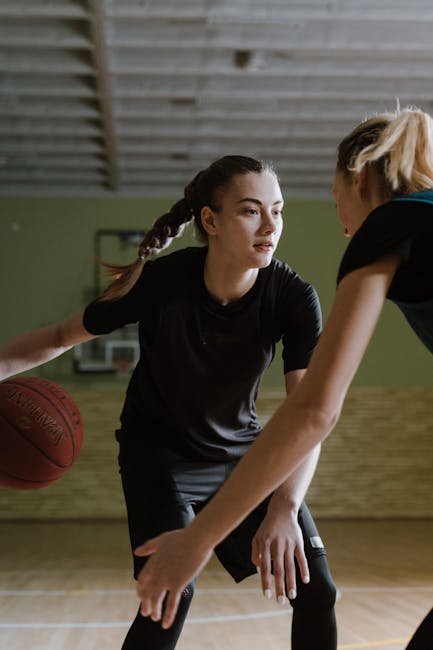
Unlocking Potential: A Deep Dive into Women’s Sports
The landscape of athletic competition has been dramatically reshaped by the burgeoning power and undeniable talent within women’s sports. Far beyond a niche interest, women’s athletics now represents a significant and rapidly growing sector of the global sports industry, encompassing a vast array of disciplines, professional leagues, grassroots movements, and dedicated fan bases. This article explores the multifaceted world of women’s sports, examining its historical evolution, current state, key challenges, and promising future, with a specific focus on SEO considerations to maximize reach and impact. The term "women’s sports" itself is a broad umbrella, encompassing everything from elite professional leagues like the WNBA and the NWSL to Olympic events, amateur competitions, collegiate athletics, and recreational participation. Understanding the nuances and interconnectedness of these various levels is crucial for appreciating the full scope of its significance.
The historical trajectory of women’s involvement in sports is a narrative of persistent struggle and hard-won progress. For much of history, societal norms and legal barriers significantly limited women’s access to organized athletic pursuits. The early 20th century saw the slow emergence of women’s teams and leagues, often in less physically demanding sports or under the shadow of men’s competitions. The fight for equal opportunities, access to facilities, funding, and recognition has been a defining characteristic of women’s sports development. Landmark legislation, such as Title IX in the United States, enacted in 1972, was a pivotal moment, mandating equal opportunities for women in educational institutions receiving federal funding, which dramatically propelled women’s collegiate sports forward. However, the battle for true equity continues, with disparities in pay, media coverage, and sponsorship opportunities still prevalent across many sports.
Currently, women’s sports are experiencing an unprecedented surge in popularity and investment. Professional leagues are growing, attracting larger crowds and broadcast deals. The FIFA Women’s World Cup consistently breaks viewership records, demonstrating a global appetite for top-tier women’s football. Similarly, basketball, soccer, tennis, gymnastics, and athletics, among others, are witnessing increased professionalization and fan engagement. This growth is driven by several factors: the exceptional skill and athleticism of female athletes, compelling narratives of determination and resilience, increasing media visibility, and a growing demographic of fans who actively seek out and support women’s competitions. The rise of social media has also played a crucial role in amplifying athletes’ voices, fostering direct connections with fans, and promoting the sports they participate in. Athletes are no longer just competitors; they are influencers, entrepreneurs, and role models, contributing to the broader cultural impact of women’s sports.
However, significant challenges persist, hindering the full realization of women’s sports potential. The most prominent among these is the persistent gender pay gap. In many professional sports, female athletes earn a fraction of what their male counterparts do, even when performing at comparable elite levels and generating similar revenue. This disparity reflects deeply ingrained societal biases and a historical undervaluation of women’s athletic contributions. Media coverage remains a critical hurdle. While improving, women’s sports still receive considerably less airtime and less prominent placement in sports news compared to men’s sports. This lack of visibility directly impacts sponsorship opportunities, fan engagement, and the overall perception of legitimacy and importance. Sponsorship dollars, while increasing, often lag behind those for men’s sports, creating a cycle where less investment leads to less development and fewer resources.
The infrastructure and development pathways for women’s sports also require continued attention. Access to quality coaching, training facilities, and support staff can be inconsistent, particularly at lower levels. The pipeline from youth participation to elite competition needs to be strengthened to ensure a continuous flow of talent. Furthermore, addressing issues of body image, mental health, and athlete well-being is paramount. Women athletes often face unique pressures and scrutiny, and providing comprehensive support systems is essential for their long-term success and health. Addressing these challenges requires a multi-pronged approach involving governing bodies, leagues, sponsors, media outlets, and fans.
SEO, or Search Engine Optimization, is vital for ensuring that the rich content and stories within women’s sports reach the widest possible audience. Optimizing for keywords like "women’s soccer," "WNBA scores," "women’s tennis rankings," "female athletes," "Title IX impact," "women’s sports news," and specific team or athlete names is fundamental. Long-tail keywords, such as "best women’s basketball players to watch" or "future of women’s professional soccer," can capture highly engaged searchers. The content itself must be authoritative, informative, and engaging. This means providing in-depth analysis of games, player profiles, historical context, and discussions about the business and cultural impact of women’s sports. High-quality images and videos, properly tagged and described, significantly enhance SEO and user experience.
Content marketing strategies can leverage these SEO principles to create a powerful online presence. This includes publishing regular blog posts, creating infographics about statistics and achievements, producing video interviews with athletes and coaches, and engaging on social media platforms with relevant hashtags. Building a community around women’s sports through these channels is crucial. User-generated content, such as fan forums and social media discussions, can also contribute to a broader online footprint. Technical SEO aspects, such as website speed, mobile-friendliness, and structured data, are equally important for search engine crawlability and indexing. Ensuring that content is accessible to people with disabilities is also increasingly recognized as an important aspect of digital inclusivity and can positively impact SEO.
The economic impact of women’s sports is undeniable and growing. Leagues are becoming more commercially viable, attracting significant investments and generating substantial revenue through ticket sales, merchandise, broadcasting rights, and sponsorships. The fan base for women’s sports is diverse and passionate, with a growing number of young girls and women seeing themselves represented on the field and court. This representation is powerful, inspiring future generations of athletes and leaders. The rise of athlete activism within women’s sports has also brought important social issues to the forefront, further enhancing the cultural relevance and impact of these competitions. Athletes are using their platforms to advocate for gender equality, social justice, and mental health awareness, resonating with a broad audience beyond just sports enthusiasts.
The future of women’s sports is exceptionally bright, marked by continued growth, innovation, and a deepening commitment to equity. Several key trends are shaping this trajectory. Increased investment from major corporations and venture capitalists signals growing confidence in the commercial potential of women’s leagues. The expansion of professional leagues into new markets and the establishment of new competitions will broaden access and opportunities. Technological advancements, from enhanced broadcasting techniques to data analytics for performance improvement, will further elevate the professionalization of women’s sports. The ongoing push for greater media coverage and more equitable broadcasting deals will be critical in maintaining this momentum. Furthermore, the amplification of athlete voices through social media and direct fan engagement will continue to drive interest and build stronger communities.
The role of grassroots development cannot be overstated. Investing in youth programs, school sports, and community initiatives is essential for nurturing future talent and fostering a lifelong love of sport among girls and women. This includes ensuring access to safe and well-maintained facilities, qualified coaching, and age-appropriate equipment. Partnerships between professional leagues, amateur organizations, and educational institutions are vital for creating seamless pathways for progression.
The continued professionalization of women’s sports will also see advancements in areas such as player unions, collective bargaining agreements, and comprehensive athlete support services. This includes robust mental health resources, injury prevention and rehabilitation programs, and career development support for post-athletic careers. The focus on holistic athlete well-being will become increasingly central, recognizing that an athlete’s success is intertwined with their overall health and happiness.
For SEO purposes, continuous content creation and audience engagement are paramount. This involves staying abreast of emerging trends, player performances, and league developments. Producing timely and relevant content that answers user queries is key. This includes detailed match previews and reviews, in-depth player statistics and analysis, interviews with rising stars, and features on the historical significance of key moments in women’s sports. Leveraging data analytics to understand what content resonates most with the target audience will inform future content strategies.
Furthermore, building relationships with sports journalists, bloggers, and influencers can amplify reach and generate valuable backlinks, which are a crucial component of SEO. Cross-promotion with other sports-related websites and content creators can also expand visibility. The development of comprehensive glossaries and FAQs related to specific women’s sports can provide valuable on-page SEO benefits and establish authority.
The global nature of many women’s sports necessitates a consideration of international SEO strategies, including content translation and localization where appropriate. Keywords will vary by region, and understanding these regional search habits is essential for maximizing global reach. The increasing accessibility of streaming platforms for women’s sports events also presents opportunities for integrated content strategies that promote viewership and engage with fans in real-time.
In conclusion, women’s sports represent a dynamic and rapidly evolving sector of the global sporting landscape. While historical challenges related to equity and visibility persist, the current trajectory is one of unprecedented growth and opportunity. By embracing a strategic approach to SEO, content creation, and community engagement, the narratives, achievements, and immense talent within women’s sports can be amplified, reaching a wider audience and fostering continued progress towards full parity and recognition. The ongoing development of professional leagues, grassroots programs, and increased media investment, all underpinned by robust SEO strategies, will undoubtedly lead to an even more prominent and influential future for women’s athletics. The journey is far from over, but the momentum is undeniable, and the future is undeniably bright for women in sport.
