The Profound Impact of Organ Donation Conversations: Care and Legacy
Initiating conversations about organ donation transcends the mere logistical act of registering as a donor; it is a powerful catalyst for care, a deeply personal expression of legacy, and a profound mechanism for societal impact. These dialogues, often initiated by medical professionals, family members, or even within personal contemplation, lay the groundwork for immense compassion and offer a tangible pathway for individuals to continue impacting lives beyond their own existence. The act of sharing one’s wishes regarding organ donation can alleviate immense emotional burden for loved ones during times of grief, transforming a potentially agonizing decision-making process into a reflection of the donor’s values and generosity. This pre-emptive communication empowers families to honor their loved one’s wishes, ensuring their final acts are in alignment with their life’s ethos. Furthermore, the very act of discussing organ donation can foster a greater understanding and appreciation for the complex medical and ethical considerations involved, thereby demystifying a process that can otherwise appear daunting or even taboo. It encourages empathy by prompting individuals to consider the potential of their organs to alleviate suffering and extend life for others, cultivating a broader sense of community and shared responsibility for well-being. The ripple effect of these conversations extends far beyond the immediate family, influencing public perception and encouraging a more widespread acceptance and understanding of organ donation as a life-affirming choice. Ultimately, the impact of these conversations is multifaceted, encompassing immediate emotional relief, the preservation of a donor’s values, and the critical cultivation of a society that embraces life-saving generosity.
The genesis of organ donation conversations frequently originates within the healthcare system, particularly when patients face critical illness or end-of-life scenarios. Hospitals and transplant centers play a crucial role in educating patients and their families about the possibility of organ donation, explaining the process, and addressing any concerns or misconceptions. This interaction, while often occurring under difficult circumstances, is a vital touchpoint for initiating dialogue. Medical professionals are trained to approach these conversations with sensitivity, respect, and a thorough understanding of both the medical and emotional aspects. Their role is not to pressure but to inform and empower, ensuring that families have the information they need to make decisions that align with the patient’s expressed wishes or, in their absence, what they believe the patient would have wanted. The timing and manner of these discussions are critical. Sensitive and timely communication can transform a moment of profound loss into an opportunity for profound good. When conversations are approached with empathy and clarity, they can offer a sense of hope and purpose amidst despair, allowing families to feel that their loved one’s life continues to have meaning. The integration of these conversations into routine medical care, where appropriate, helps to normalize the topic and reduce the stigma often associated with discussing death and dying. Furthermore, healthcare providers can serve as invaluable resources, connecting families with transplant coordinators and support services that can offer further guidance and assistance throughout the donation process.
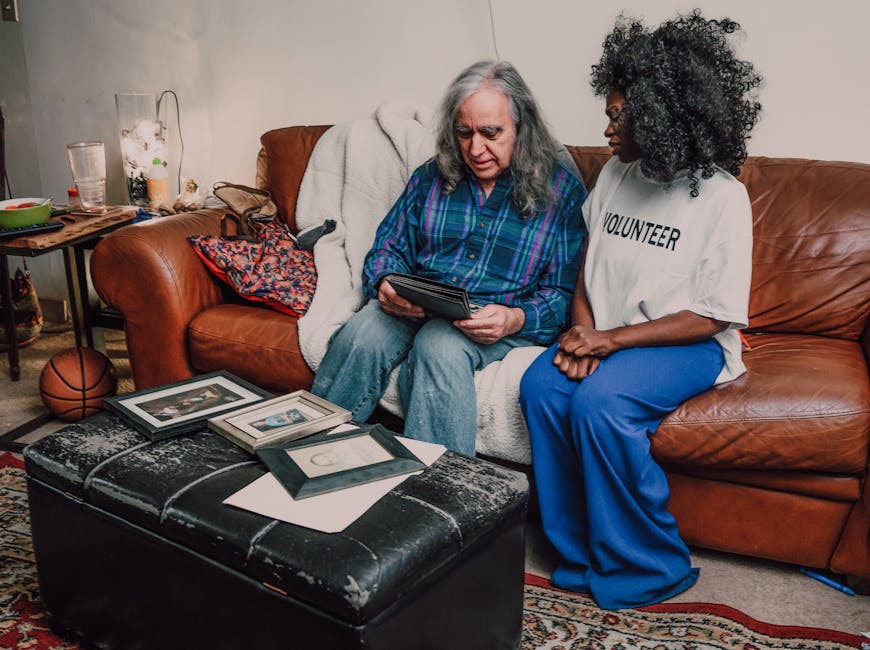
Beyond the clinical setting, family discussions form the bedrock of informed and empowered organ donation decisions. Proactive conversations within families, initiated during periods of good health, are instrumental in ensuring that an individual’s wishes are known and respected. These dialogues allow for open expression of values, beliefs, and any hesitations or questions surrounding organ donation. When families have previously discussed organ donation, the burden of making a decision during a crisis is significantly reduced, allowing them to focus on grief and remembrance rather than on an agonizing choice under immense pressure. These conversations foster a sense of shared understanding and can strengthen family bonds through a collective commitment to generosity and altruism. It’s important to acknowledge that these conversations may not always be easy. They can involve confronting mortality, exploring personal beliefs, and addressing potential anxieties. However, the long-term benefits of such open communication far outweigh the temporary discomfort. Creating a safe and supportive environment for these discussions, where all voices are heard and respected, is paramount. This can involve sharing educational resources, attending community events related to organ donation, or simply dedicating time to talk openly and honestly about one’s wishes. The legacy created through these conversations is one of profound care and consideration for others, a testament to the donor’s enduring compassion.
The concept of legacy is intrinsically linked to organ donation conversations. For many, the decision to become an organ donor and the subsequent conversations that facilitate this choice are a profound way to leave a lasting positive impact on the world. It represents an extension of their values and their desire to contribute to the well-being of humanity, even after their physical presence has ceased. This act of generosity creates a unique and enduring legacy, one that is measured not in material possessions but in lives saved, families united, and the alleviation of suffering. The impact of a donated organ can extend for years, allowing recipients to live full and meaningful lives, to witness their children grow, to pursue their passions, and to contribute to society in countless ways. This ripple effect of generosity is a powerful testament to the donor’s enduring spirit. Conversations surrounding organ donation allow individuals to articulate this desire for a lasting legacy, ensuring their wishes are understood and honored. It transforms the final act of life into a powerful statement of hope and continuity, demonstrating that even in death, life can be given and transformed. This narrative of enduring impact is a vital component of the organ donation process, offering solace and pride to families who can reflect on their loved one’s profound contribution.
The societal impact of organ donation conversations is immeasurable, extending far beyond individual acts of altruism. When communities openly discuss organ donation, it cultivates a culture of awareness, understanding, and acceptance. This normalization of the conversation helps to break down barriers of misinformation and fear, encouraging more individuals to consider becoming donors. Increased donor registration rates directly translate into more lives saved and improved quality of life for those awaiting transplants. Public campaigns, educational initiatives, and personal testimonials play a critical role in this broader societal shift. By sharing stories of recipients and the impact of organ donation, these conversations humanize the process and highlight the profound difference it makes. Furthermore, a society that embraces organ donation fosters a sense of collective responsibility and compassion. It underscores the interconnectedness of humanity and the power of individuals to make a significant difference in the lives of others. This shared commitment to saving lives strengthens community bonds and promotes a more empathetic and supportive society. The ongoing dialogue about organ donation is therefore not just about registering donors; it is about building a society that values life, celebrates generosity, and understands the transformative power of human kindness. It is a continuous process of education, encouragement, and remembrance that ensures the legacy of organ donation continues to thrive, offering hope and healing to those in need. The sustained engagement with this topic is essential for addressing the ongoing demand for organs and for ensuring that the altruistic spirit of donation continues to flourish. This encompasses not only the initial registration but also ongoing public awareness campaigns, educational programs in schools and workplaces, and accessible resources for individuals seeking more information.
The practical implications of organ donation conversations are significant in ensuring the timely and effective transplantation of organs. When a person registers as an organ donor, this decision, when clearly communicated to family, is a crucial step. However, even with registration, the family’s consent is often sought and vital during the donation process. Therefore, having had prior conversations empowers families to confirm the deceased’s wishes, thereby expediting the evaluation and allocation of organs. This immediate clarity can be critical, as organ viability is time-sensitive. The emotional well-being of the grieving family is also profoundly impacted by these conversations. Knowing that their loved one’s final wishes are being honored can provide a significant source of comfort and solace during an incredibly difficult period. It allows them to focus on their grief and remembrance without the added burden of making a potentially agonizing decision about organ donation in a crisis. The transparency and pre-planning fostered by these discussions can transform a moment of profound loss into a testament to the donor’s enduring generosity, creating a positive legacy that offers comfort and pride to the bereaved. This pre-emptive approach streamlines the medical process, maximizes the opportunity for successful transplants, and offers a profound emotional benefit to the grieving family, underscoring the multifaceted importance of these crucial dialogues. The ethical considerations surrounding organ donation, such as the definition of death, the matching of donors and recipients, and the allocation of organs, are complex. Open conversations can help demystify these aspects, promoting a greater understanding and trust in the organ donation system. This includes discussing the criteria for brain death, the rigorous matching processes that ensure the best possible outcomes for recipients, and the ethical frameworks that guide organ allocation. By fostering a more informed public, these dialogues contribute to the integrity and effectiveness of the entire organ transplantation program.
The role of technology and digital platforms in facilitating organ donation conversations is becoming increasingly prominent. Online registration portals, social media campaigns, and dedicated websites provide accessible avenues for individuals to learn about organ donation, register their intentions, and share their decisions with their families. These digital tools can also serve as platforms for sharing personal stories, testimonials, and educational resources, further promoting awareness and encouraging dialogue. Mobile applications can offer reminders for registration renewal and provide easy access to information about the donation process. Virtual reality experiences can offer immersive insights into the journey of a transplant recipient or the medical procedures involved, helping to demystify the process and foster empathy. The ease of sharing information online allows individuals to reach a wider audience, engaging friends and family in conversations about their donation wishes. Social media can be used to create awareness days, share impactful statistics, and highlight the urgent need for organ donors. These platforms provide a continuous and evolving space for education and engagement, ensuring that the conversation around organ donation remains current and accessible. The integration of these technologies ensures that organ donation remains a visible and actively discussed topic in modern society, leveraging the power of connectivity to amplify its life-saving message and encourage a greater commitment to this altruistic cause. The accessibility of digital platforms also allows for the dissemination of information to diverse demographics, breaking down geographical barriers and reaching individuals who might not otherwise have access to such resources. This broad reach is crucial in building a comprehensive and engaged donor community.
The long-term impact of organ donation conversations extends to fostering a deeper understanding of human resilience and the power of collective action. Witnessing the transformation of lives through transplantation, whether through personal connection or public awareness, instills a sense of hope and inspires further acts of generosity. It underscores the remarkable capacity of individuals to overcome adversity and the profound impact that one person’s decision can have on multiple lives. These conversations contribute to a broader societal appreciation for the medical advancements in transplantation and the dedication of healthcare professionals involved. They highlight the critical role of research, innovation, and unwavering commitment in making life-saving procedures a reality. The continued success of organ transplantation relies on sustained public engagement and a consistent supply of donated organs. Therefore, the ongoing nature of these conversations is paramount. It involves not only the initial act of registering but also the continuous reinforcement of the importance of organ donation through education, advocacy, and the sharing of positive outcomes. This sustained dialogue ensures that organ donation remains a priority and that the legacy of generosity continues to inspire future generations to embrace this life-affirming choice. The impact of these conversations is thus a perpetual cycle of awareness, action, and enduring hope, solidifying the vital role of organ donation in shaping a more compassionate and life-affirming future. It encourages a proactive approach to end-of-life planning and empowers individuals to make informed decisions that reflect their values and contribute to the greater good.
