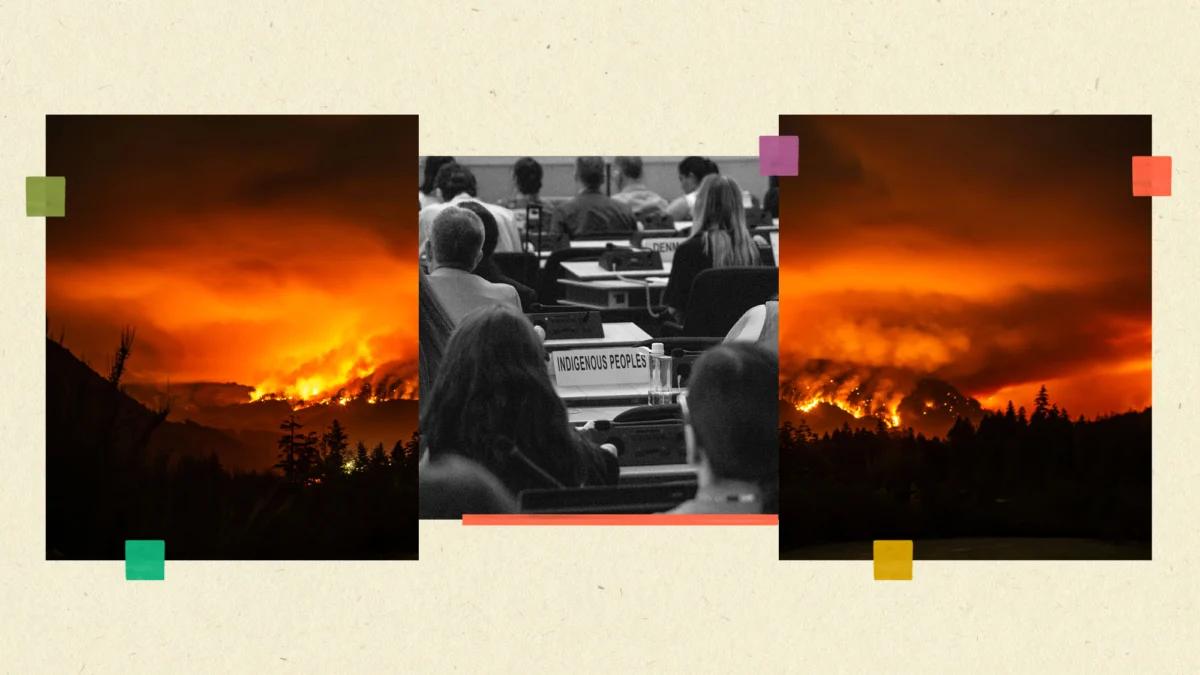
The scale of the wildfire crisis currently unfolding across Canada has reached a catastrophic inflection point, with more than 900 active blazes threatening the safety and sovereignty of Indigenous communities from coast to coast. As of the latest reports, 903 fires are burning throughout the country, of which 750 remain classified as "out of control," a statistic that underscores the immense challenge facing emergency responders and provincial authorities. The human cost of this environmental emergency is being felt most acutely by First Nations, with 13 distinct Nations currently under mandatory evacuation orders. These orders have displaced at least 2,182 people, forcing families to abandon their ancestral lands and seek refuge in urban centers or temporary shelters as the flames consume the boreal landscape.
Among the most tragic developments in this escalating season is the near-total destruction of the Namaygoosisagagun First Nation, also known as Collins. Located approximately 125 miles north of Thunder Bay in a remote region of Ontario, the community was decimated by a fast-moving wildfire on Wednesday. Witnesses and local leadership report that the blaze, fueled by high winds and tinder-dry conditions, moved through the settlement with such speed that the entire community was effectively razed in less than an hour. The speed of the advancement left residents with only minutes to gather essential belongings. With no road access to the community, more than two dozen residents were forced to flee by boat, watching from the water as their homes and community buildings were overtaken by the inferno.
The Rapid Descent of the Namaygoosisagagun Fire
The timeline of the destruction at Namaygoosisagagun highlights a critical failure in early warning systems and emergency communications. Residents reported that they received no official advance warning from provincial or federal authorities regarding the proximity or trajectory of the fire. Instead, the evacuation was initiated by community members themselves, who went door-to-door to alert neighbors as smoke began to fill the air.
Anishinabek Nation Grand Council Chief Linda Debassige confirmed in a poignant statement that while the physical infrastructure of the community has been lost, all members have been accounted for following a preliminary assessment. “It is with heartfelt sadness that I share that our member First Nation, Namaygoosisagagun First Nation, has been devastated by an unexpected and fast-moving wildfire,” Debassige stated. She emphasized that the damage to homes and community buildings is extensive, leaving the population essentially homeless and without a base of operations.
The incident has sparked outrage regarding the lack of support provided during the onset of the crisis. Reports indicate that the community received no evacuation support from the provincial or federal government during the critical window when the fire was approaching. The reliance on private boats for a hasty retreat across local waterways was a desperate measure that highlights the vulnerability of remote, road-inaccessible Indigenous settlements in the face of climate-driven disasters.
Jurisdictional Disputes and the Recognition Gap
While the physical loss of the community is a tragedy, a secondary crisis has emerged regarding the legal status of Namaygoosisagagun and its eligibility for federal disaster relief. Despite the fact that the residents are recognized as First Nations people under the federal Indian Act, the community itself—the land base and its administrative structure—is not officially recognized as a "First Nation" community by the Canadian government.
This technicality has led to a harrowing situation where residents are reportedly being denied the full suite of emergency, recovery, and reconstruction supports typically afforded to recognized First Nations. Meaghan Daniel, a lawyer representing the Collins First Nation, has formally challenged this stance. In a letter addressed to Mandy Gull-Masty, the Indigenous Services minister, Daniel argued that denying aid based on administrative technicalities could lead to the permanent dissolution of the community.
"To be clear, if Namaygoosisagagun is denied access to the emergency and rebuilding supports available to recognized First Nations, it will not simply suffer a slower recovery," Daniel wrote. "It may lose forever the opportunity to rebuild the community its members spent decades creating. In those circumstances, the question is not merely whether recovery will be delayed. It is whether Namaygoosisagagun will have a future in the place it has called home since time immemorial."
The federal government has responded to these concerns with a degree of caution. Eric Head, a spokesperson for Indigenous Services Canada (ISC), stated in an email that efforts are currently underway to determine the community’s immediate needs. He indicated that the agency is working to coordinate support, though the extent to which this support will match the comprehensive funding provided to officially recognized reserves remains unclear.
Regional Impact Across Ontario and the North
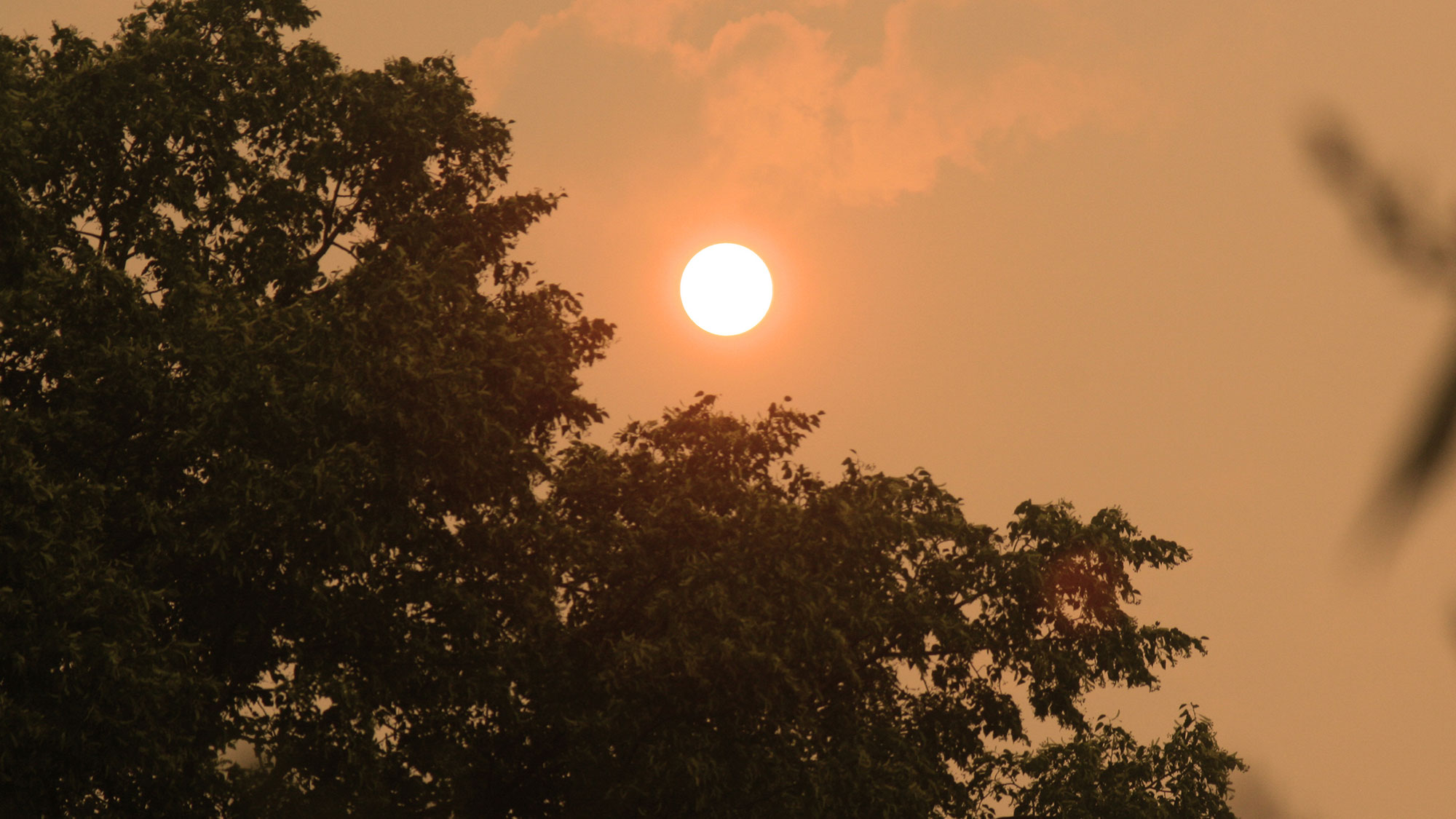
The wildfire situation in Ontario is particularly dire, representing a significant portion of the national crisis. Currently, 193 fires are burning within the province, seven of which have forced the total evacuation of First Nations communities. The Chiefs of Ontario have noted that several of these evacuations were conducted under mandatory orders issued by local leadership, supported by the Ontario Provincial Police (OPP).
In addition to Namaygoosisagagun, other communities facing severe impacts include:
- Whitesand First Nation: Undergoing evacuation protocols as fires threaten local infrastructure.
- Kiashke Zaaging Anishinaabek (Gull Bay): Facing immediate threats to air quality and safety.
- Animbiigoo Zaagi’igan Anishinaabek: Impacted by mandatory evacuation orders and the loss of traditional hunting grounds.
The crisis is not limited to Indigenous communities; dozens of non-Indigenous settlements across Northern Ontario have also been placed under evacuation orders. However, the unique challenges of remote Indigenous communities—such as the lack of road access, limited local firefighting equipment, and historical underfunding of infrastructure—render them disproportionately vulnerable to these events.
Bureaucratic Friction and Emergency Response Frustrations
The administrative hurdles faced by Namaygoosisagagun are symptomatic of a broader frustration expressed by Indigenous leadership across Ontario. During an emergency meeting held on Wednesday, Ontario Chiefs voiced significant concerns regarding the "bureaucratic processes" required to access emergency response services.
Ontario Regional Chief Abram Benedict has been vocal about the life-and-death consequences of these delays. He criticized the current system for prioritizing financial discussions and technicalities over the immediate safety of displaced people. "Jurisdictional disputes and administrative delays have immediate consequences and put lives at risk," Benedict stated. "The priority of our leadership is to get people out as quickly and safely as possible. This needs to be everyone’s priority rather than financial discussions and technicalities."
Benedict’s comments reflect a long-standing tension between First Nations and the federal government regarding who bears the financial and logistical responsibility for emergency management on Indigenous lands. Under the current framework, First Nations often find themselves caught between provincial agencies that manage wildfires and federal agencies that fund community services, leading to gaps in communication and service delivery during the critical first hours of an emergency.
National Support and the Path to Recovery
The Assembly of First Nations (AFN), meeting for its national assembly in Ottawa this week, has moved to address the crisis through legislative and political channels. The AFN passed emergency resolutions specifically aimed at providing support for Namaygoosisagagun and other impacted Nations. These resolutions call upon the federal government to bypass traditional bureaucratic hurdles and provide immediate, ongoing support throughout the duration of the wildfire season and into the reconstruction phase.
The Anishinabek Nation has also called for a spirit of solidarity and privacy for the affected members. "We ask that you please keep Chief Paavola, the citizens of Namaygoosisagagun First Nation, and all those affected by these wildfires in your prayers," the Nation said in a statement. They emphasized that the "tremendous loss of their entire community" requires a period of grieving and space before the long process of rebuilding can truly begin.
Analysis: The Growing Threat to Northern Communities
The current wildfire season serves as a stark reminder of the increasing frequency and intensity of extreme weather events in Canada’s north. Scientific data suggests that the boreal forest is becoming more susceptible to "megafires" due to rising average temperatures and prolonged periods of drought. For remote communities like Namaygoosisagagun, which rely on the surrounding environment for sustenance, culture, and transportation, these fires are not just a threat to property but to their very way of life.
The "recognition gap" identified by legal representatives for the Collins First Nation highlights a significant policy failure in Canadian Indigenous affairs. As climate change accelerates, the legal frameworks governing emergency aid must evolve to ensure that all Indigenous people, regardless of the specific designation of their land base under the Indian Act, have access to the resources necessary to survive and rebuild.
The case of Namaygoosisagagun may set a precedent for how the Canadian government handles future disasters in non-recognized Indigenous settlements. If the government provides full reconstruction support, it may signal a shift toward a more equitable, needs-based approach to disaster relief. Conversely, a refusal to provide such aid could result in the permanent displacement of an entire population, furthering the historical trend of Indigenous dispossession.
As of Friday, the 43 new fires started within the previous 24 hours indicate that the crisis is far from over. With 750 fires still out of control, the focus remains on immediate suppression and the safety of the thousands of displaced people. However, once the smoke clears, the conversation will inevitably turn to the systemic failures that left Namaygoosisagagun vulnerable and the legal battles that will determine if they can ever go home.