The global race toward a carbon-neutral future has found an unlikely and violent epicenter in the rugged mountains of eastern Myanmar. Here, amidst a brutal civil war and a crumbling economy, a clandestine industry is extracting the heavy rare earth elements essential for the permanent magnets found in electric vehicle (EV) motors, wind turbines, and advanced missile guidance systems. While these minerals are framed as the "vitamins" of the green energy transition, their extraction in Myanmar has created what researchers call "sacrifice zones"—regions where environmental protections and human rights are discarded in favor of rapid industrial output.
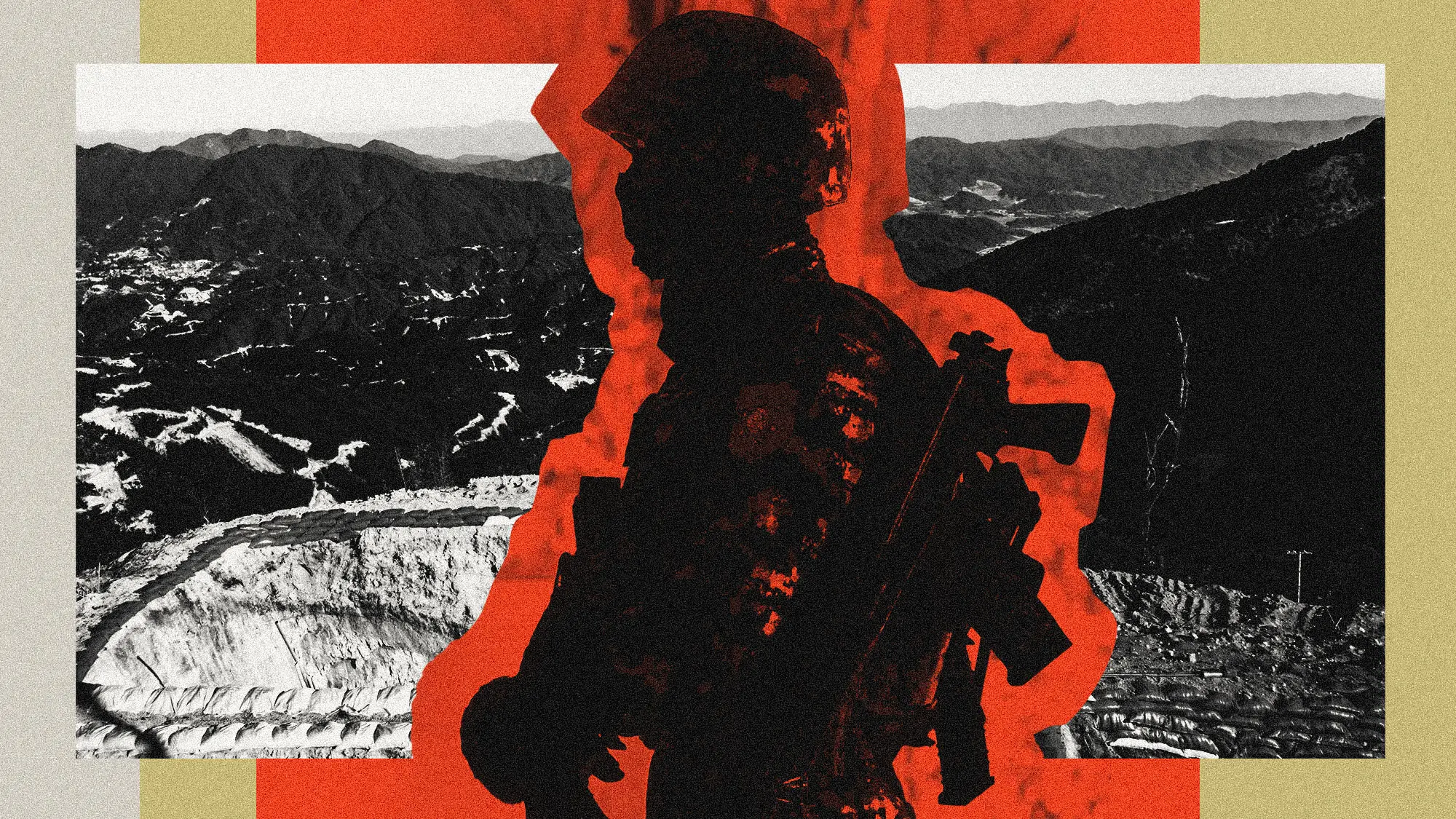
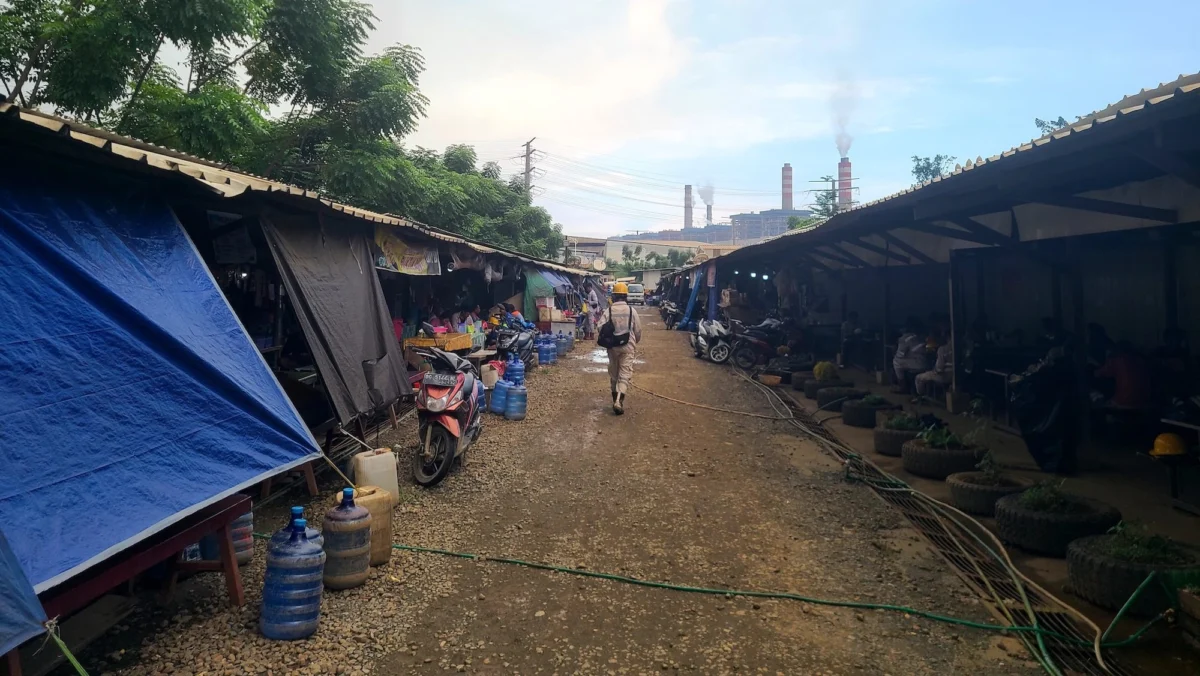
For workers like Min, a young man from the war-torn Sagaing Region, these mines represent one of the few remaining ways to survive. Following the February 2021 military coup, Myanmar’s formal economy collapsed, leaving millions in poverty. The situation grew more desperate in early 2024 when the military junta introduced mandatory conscription, forcing thousands of young people to flee to border regions controlled by ethnic armed organizations (EAOs). Min and his younger brother paid a broker 2,000 Chinese yuan ($290) to secure jobs at a rare earth site in an autonomous zone near the Chinese border.
The financial lure was significant: 3,000 yuan ($430) a month, far exceeding wages in any other accessible industry. However, the cost of the job was catastrophic. Within weeks of their arrival, Min’s brother was killed in a landslide while operating heavy machinery on a steep, unstable slope. His body could not be recovered or transported home; the family was forced to perform religious rites without his remains. Despite the tragedy, Min stayed. "There are not many other job options," he said, highlighting the coercive economic reality facing Myanmar’s displaced youth.
A Chronology of Extraction and Conflict
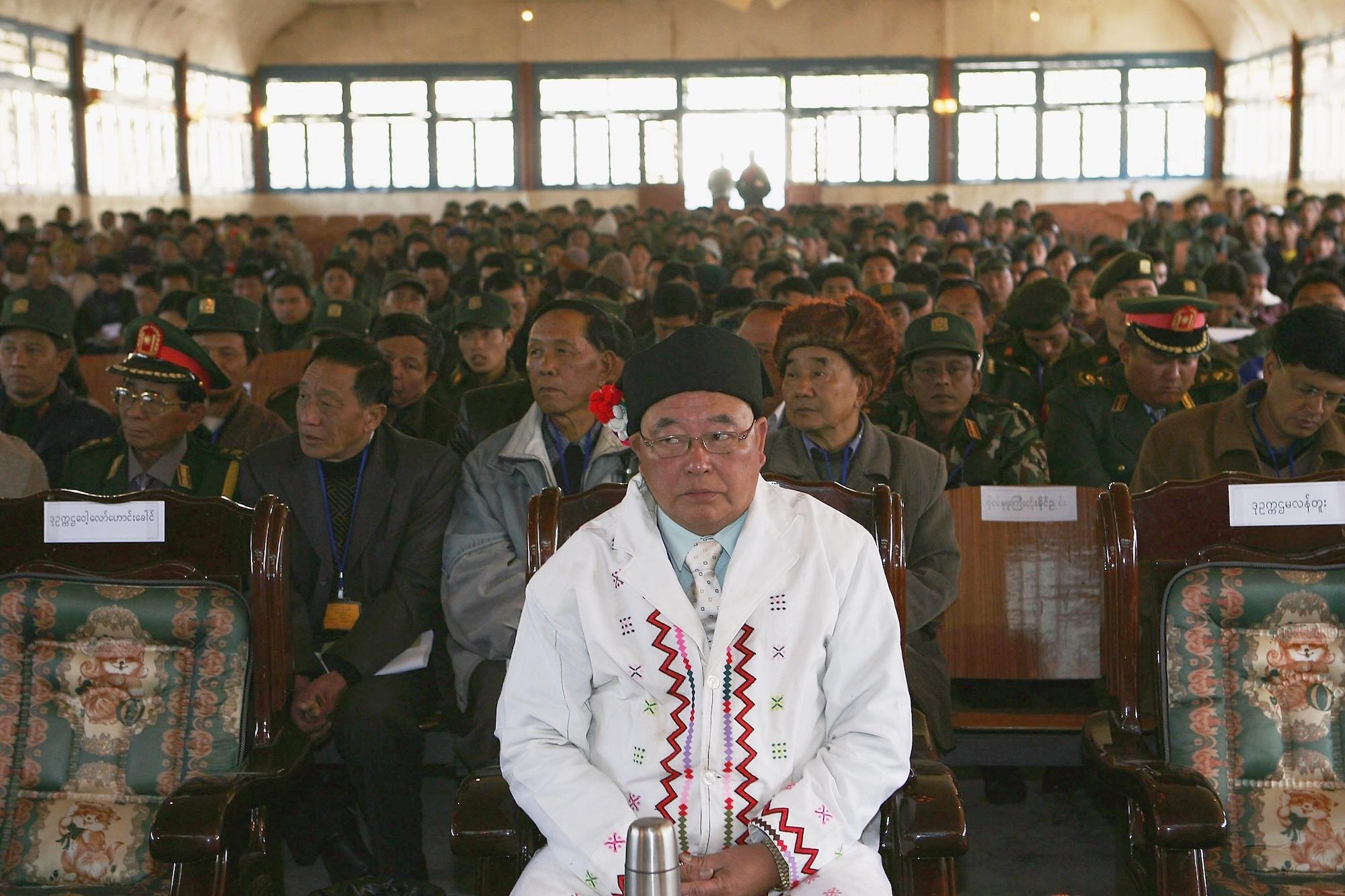
Myanmar’s role as a mineral hub is deeply rooted in its complex history of ethnic insurgency and "ceasefire capitalism." Since gaining independence from Britain in 1948, the country has been embroiled in the world’s longest-running civil war. In the late 1980s, the military government began signing ceasefires with various ethnic armies, granting them high degrees of autonomy and the right to exploit natural resources in exchange for ending active hostilities.
The rare earth boom began in earnest around 2012, triggered by domestic policy shifts in neighboring China. For decades, China had been the world’s primary source of rare earths, but the environmental toll—poisoned groundwater, radioactive tailings, and devastated landscapes in provinces like Jiangxi—reached a tipping point. The Chinese government introduced strict environmental regulations and cracked down on "dirty" mining practices, inadvertently pushing the industry across the border into Myanmar’s lawless frontier.
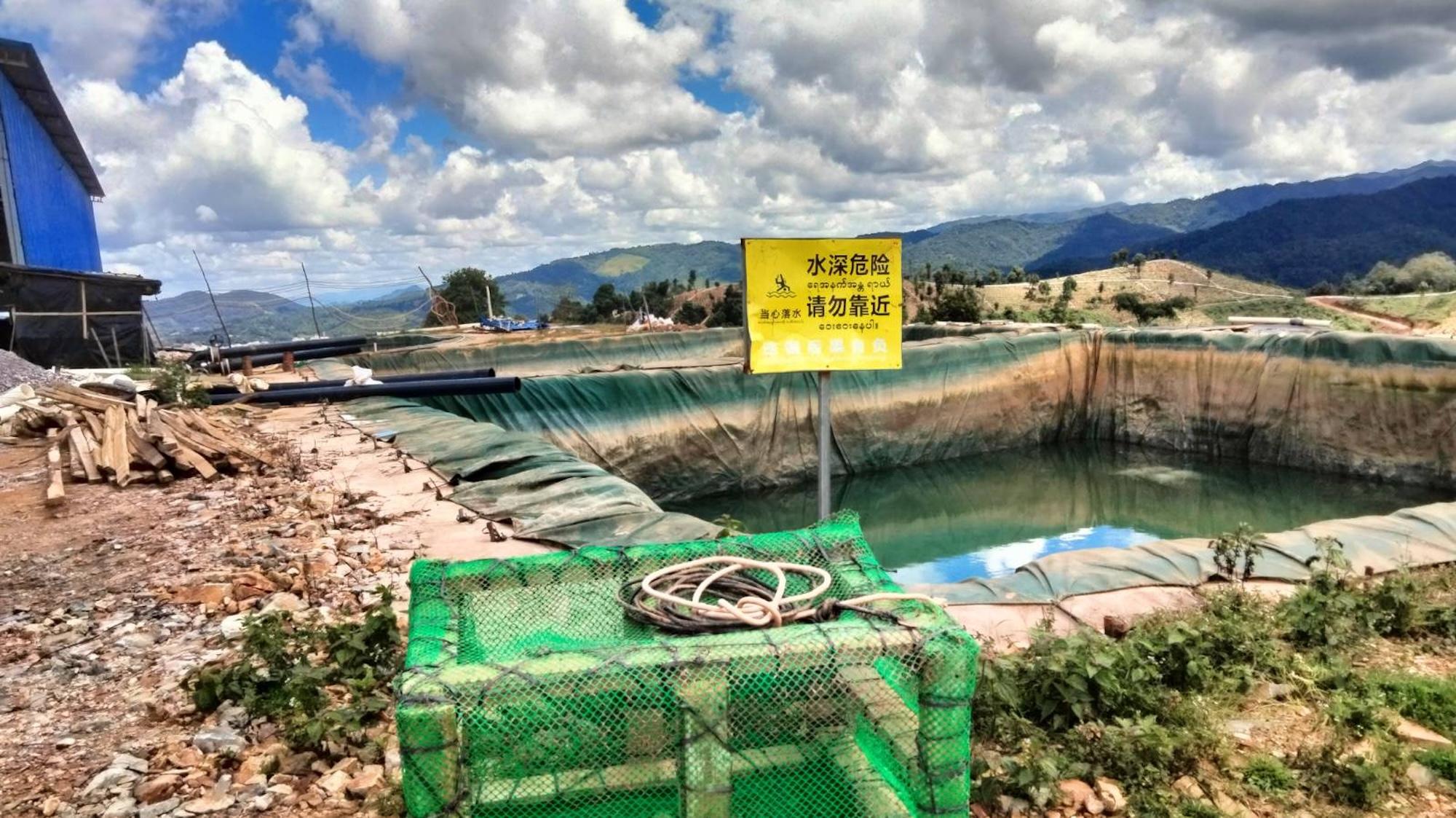
By 2017, satellite imagery and Chinese customs data indicated that rare earth mining in Myanmar’s Kachin State had reached an industrial scale. The industry flourished under warlords like Zahkung Ting Ying, a former insurgent who transformed his territory into a "Special Region" that served as a gateway for Chinese investment in logging, mining, and poppy cultivation. Following the 2021 coup, the industry exploded. With the central state in chaos and the junta desperate for revenue, Myanmar surpassed China as the world’s largest source of heavy rare earths, specifically dysprosium and terbium.
The Environmental Cost: In-Situ Leaching
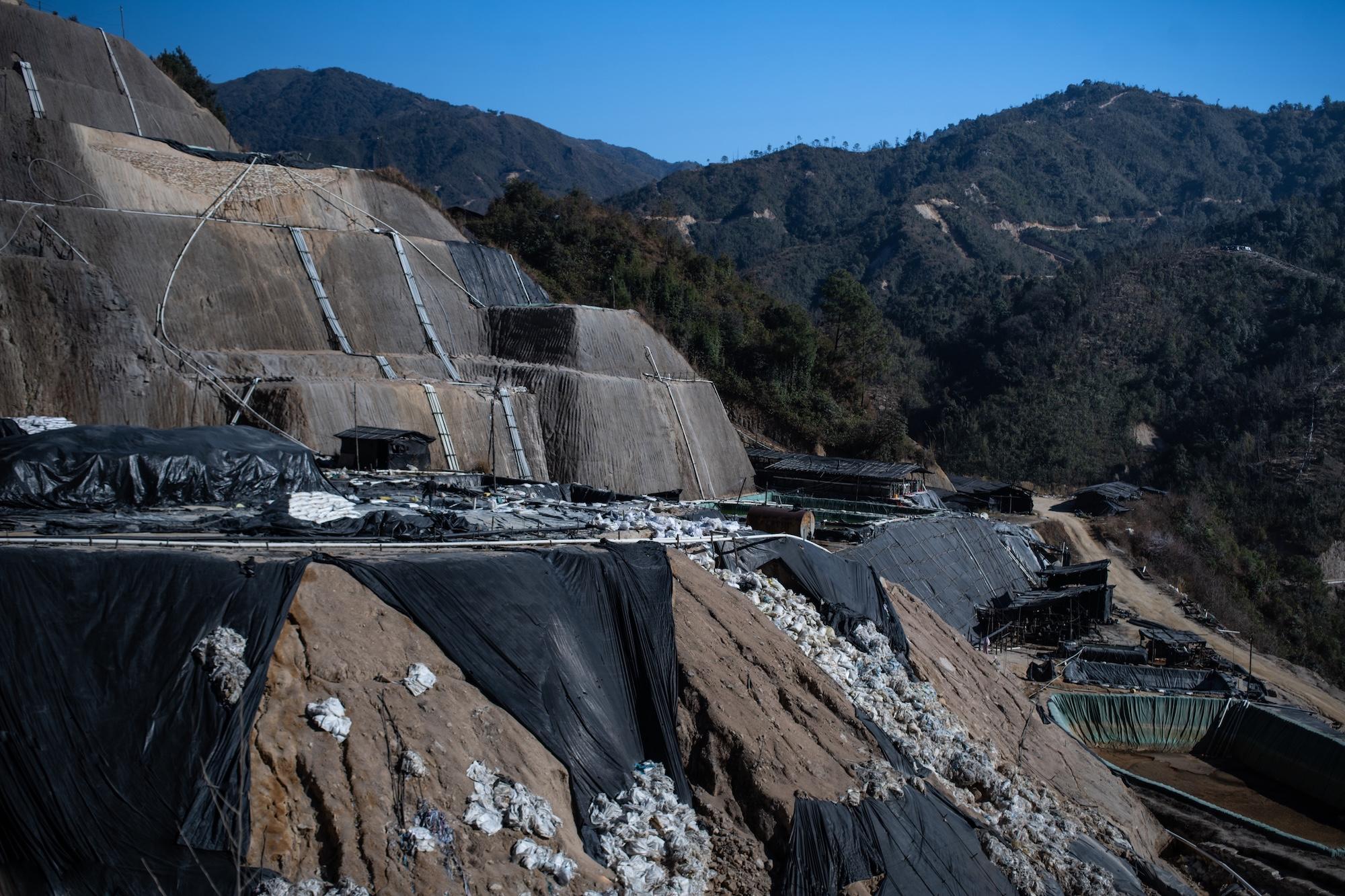
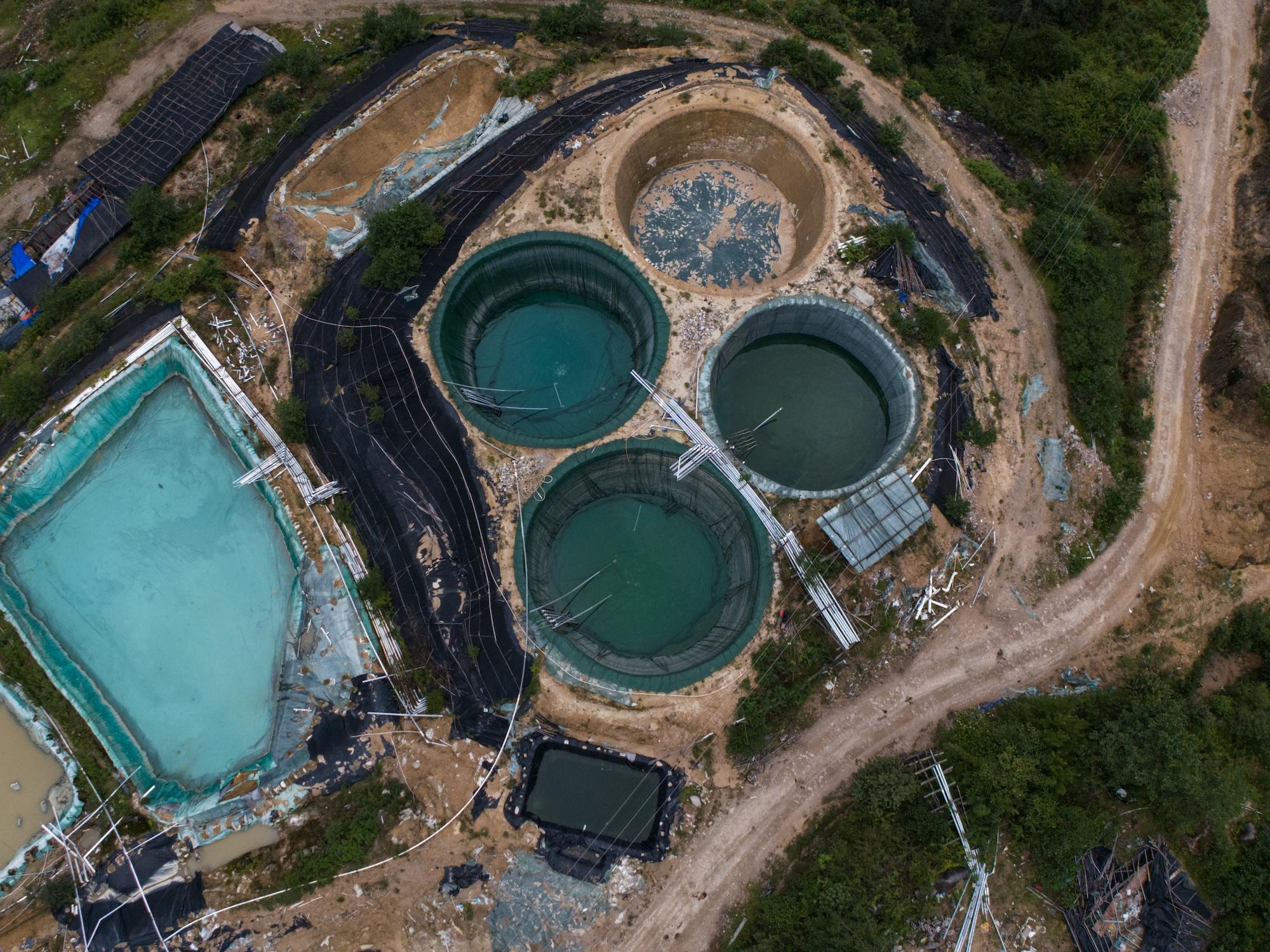
Unlike traditional open-pit mining, heavy rare earths in Myanmar are typically extracted using a process known as in-situ leaching. This method involves drilling hundreds of boreholes into mountainsides and injecting a mixture of ammonium sulfate and other chemical solvents directly into the earth. The chemicals dissolve the rare earth elements, which are then collected in plastic-lined ponds at the bottom of the slopes.
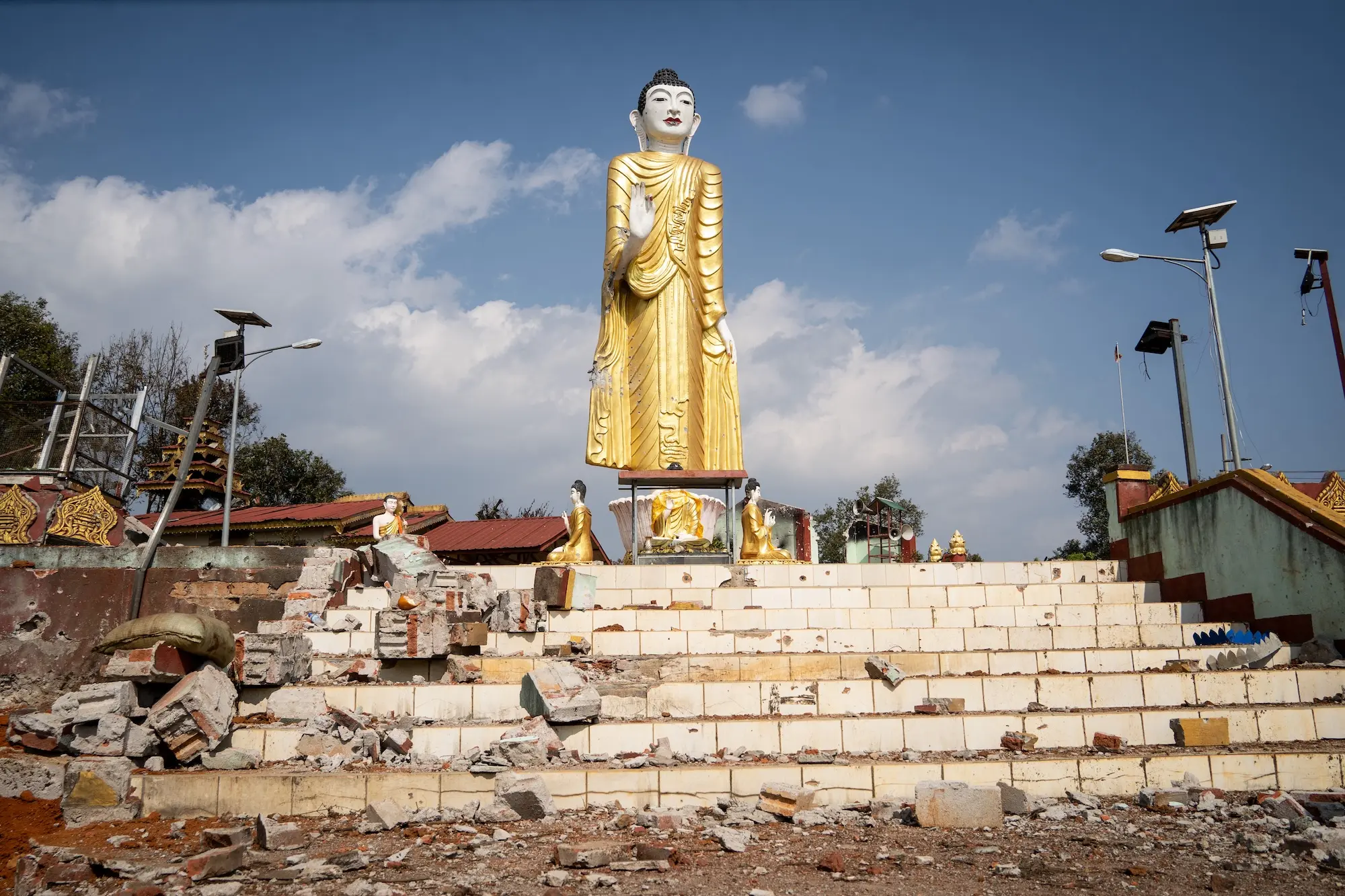
The environmental consequences are devastating and often permanent. Regan Kwan, a research analyst at the Stimson Center, notes that this process turns entire mountain ranges into "chemical sponges." When the chemicals leak—as they inevitably do—they contaminate groundwater and flow into major river systems. In Kachin State, local residents report "lifeless" streams where fish have disappeared and the water is a sickly, opaque hue.
Research conducted by Naresuan University in Thailand found that water samples from these mining areas contained levels of radioactive elements and toxic heavy metals that would "substantially exceed" regulatory thresholds in any developed nation. For the Indigenous communities who rely on these lands for subsistence farming and livestock, the mining has rendered their ancestral territory uninhabitable. Nyi Tun, a village elder, observed that the soil, once rich and reddish, has turned a "pale, yellowish desert," and crop yields have plummeted to the point where families can no longer produce a surplus to sell.
Labor Exploitation and "Slave Labor"
The industry operates in a legal grey area, shielded by the guns of ethnic armies and the complicity of the Myanmar military. This lack of oversight has fostered a culture of extreme labor exploitation. Workers report a rigid hierarchy where Chinese nationals hold all senior management positions and earn significantly higher wages than their Myanmar counterparts.
The disparity extends even to the value of life. According to Kaung, a former supervisor, the compensation for the death of a Myanmar worker is typically between 80,000 and 100,000 yuan ($11,000 – $14,000), whereas the family of a Chinese national killed on-site might receive upwards of 2 million yuan ($280,000).

More alarming are reports of forced labor. In May 2024, human rights groups documented cases in eastern Shan State where prisoners and human trafficking victims were being used as "slave labor" in rare earth mines. These operations are often protected by groups like the United Wa State Army (UWSA), which maintains a massive, well-equipped military force and operates with total impunity along the Chinese border.
Geopolitical Stakes and Global Supply Chains
The crisis in Myanmar is inextricably linked to the global "Critical Minerals" race. China currently controls over 90% of the world’s rare earth processing capacity. In response to U.S. tariffs and export controls, Beijing has begun restricting its own exports of heavy rare earths, sending global markets into a scramble.
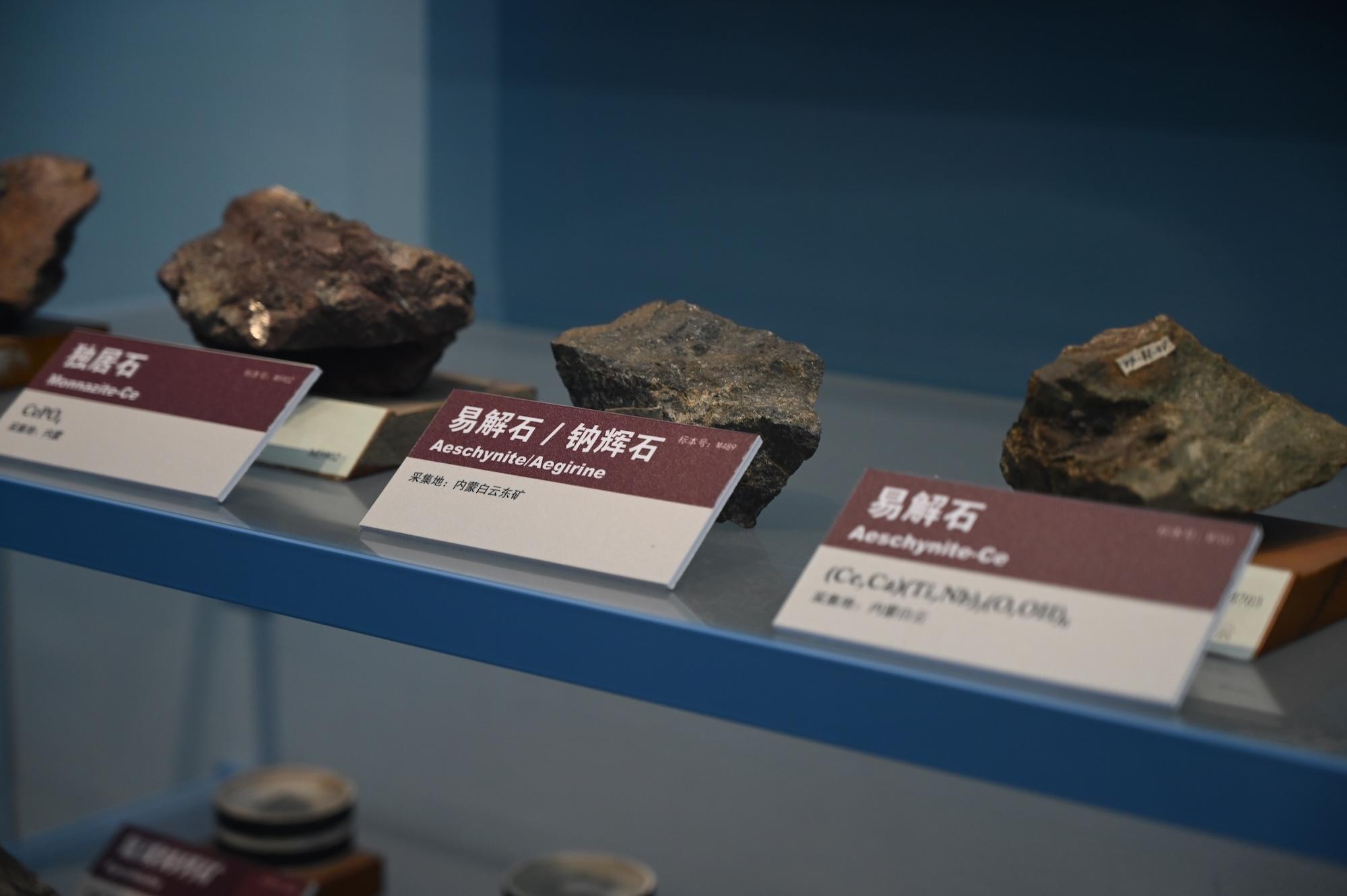
The U.S. and its allies are desperate to de-risk their supply chains, yet they find themselves in a moral and logistical quagmire. While the U.S. has sanctioned many of the Myanmar military’s business conglomerates for human rights abuses, the complexity of rare earth processing makes tracing the origin of these minerals nearly impossible. Once the raw ore from Myanmar crosses the border into China, it is mixed with material from other sources in a process experts compare to a "coffee grinder," effectively laundering the conflict minerals into the global market.
Recent diplomatic maneuvers underscore the strategic value of these elements. In 2026, the Trump administration signed a deal with India to cooperate on securing critical mineral supplies, a move widely seen as an attempt to bypass Chinese dominance. Shortly thereafter, Myanmar’s junta leader, Min Aung Hlaing, met with Indian officials to discuss "deepening cooperation" in the sector—even though many of the richest mining sites have recently fallen to the Kachin Independence Army (KIA) in a series of rebel victories.
Analysis of Implications: A "Race to the Bottom"
The situation in Myanmar presents a profound challenge to the ethics of the global energy transition. If the materials required to save the planet from climate change are sourced through the destruction of Indigenous lands, the use of forced labor, and the funding of war crimes, the "green" credentials of the technology are called into question.
Geographer Julie Michelle Klinger warns that the narrative of a "green transition" often masks more traditional strategic interests. Rare earths are not just for EVs; they are vital for the "permanent magnets" used in the motors of Virginia-class submarines and the guidance systems of Predator drones. "In the context of global rearmament, it is reasonable to guess that an even smaller share of global rare earth output is actually going toward technologies that might be used in an energy transition," Klinger noted.
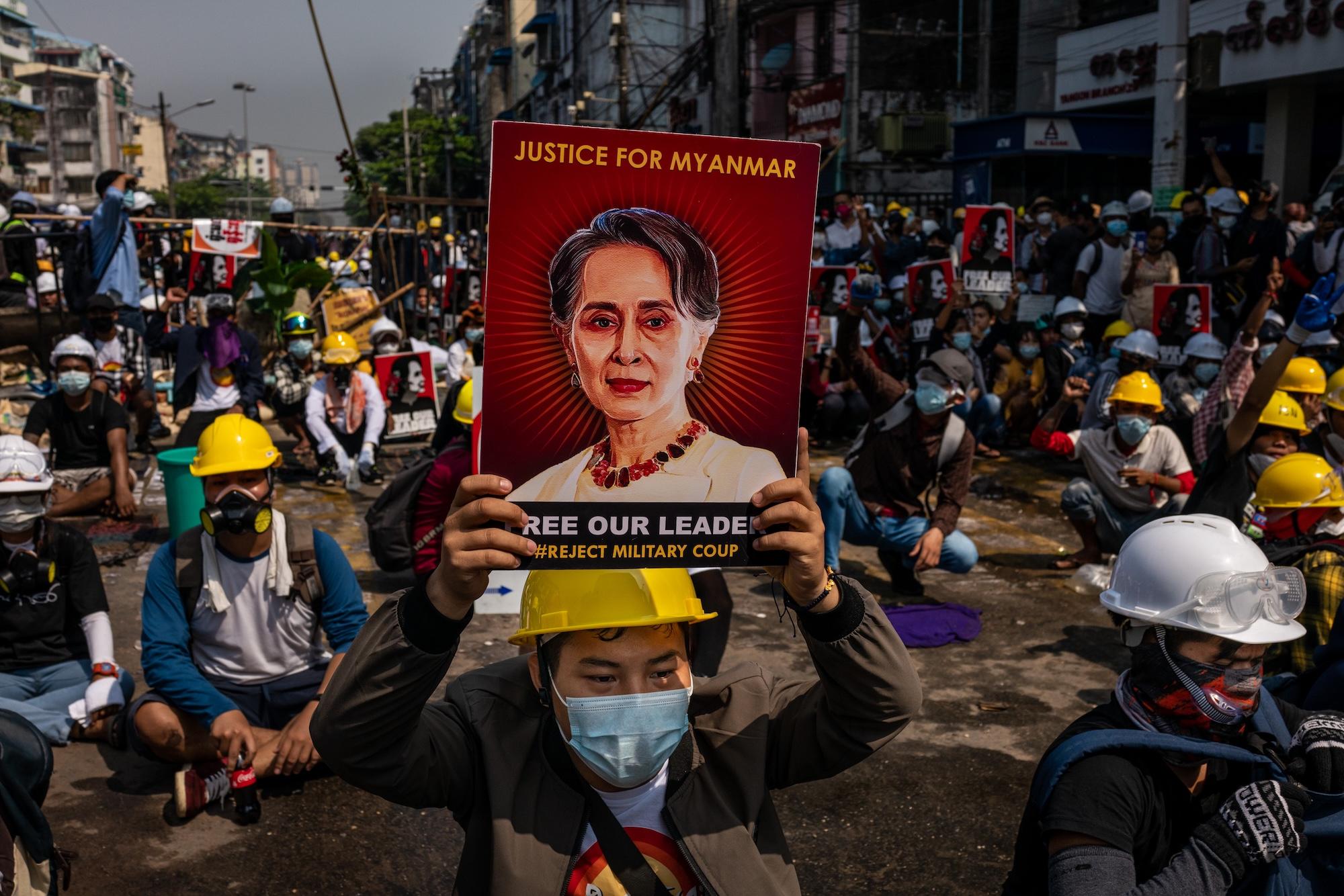
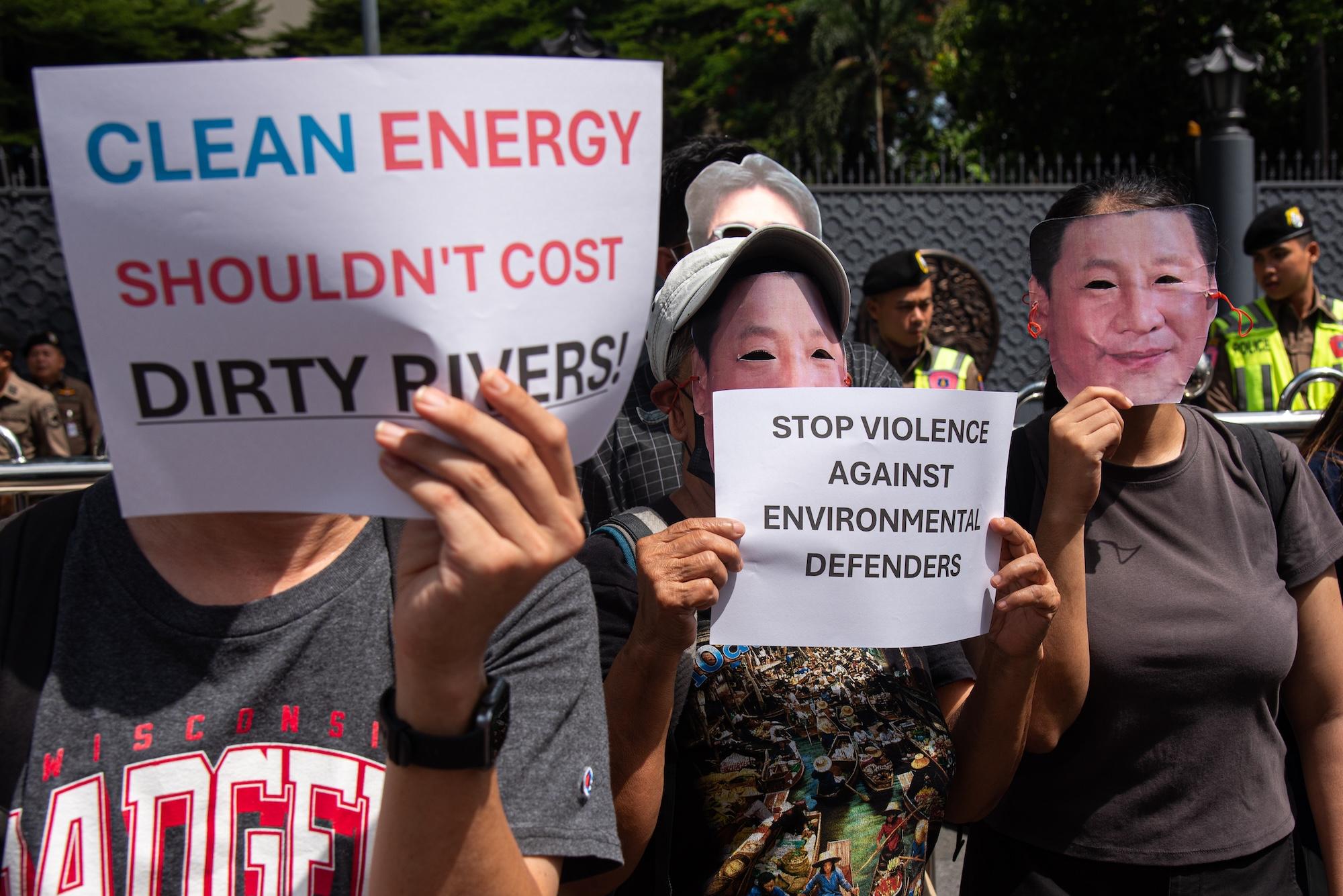
Furthermore, the "race to the bottom" in Myanmar is now spilling over borders. In 2025 and 2026, activists in Thailand documented toxic contamination in the Mekong River’s tributaries, linked directly to mining runoff from Shan State. This cross-border pollution is creating diplomatic friction and highlighting the inability of regional bodies to regulate non-state actors and illicit economies.
Conclusion
As long as the global demand for high-tech magnets remains insatiable, the "slow, perpetual violence" in Myanmar’s borderlands is likely to continue. For the people living in these sacrifice zones, the distinction between a "just energy transition" and colonial-style extraction is non-existent.
The KIA’s recent takeover of rare earth sites in Kachin State offers a slim hope for reform, as the group has a history of engaging with civil society. However, the pressure to generate revenue for the revolution is immense, and the temptation to maintain the status quo of "ceasefire capitalism" remains strong. Without a transparent, internationally monitored supply chain and a commitment from global tech giants to move beyond "complexity" as an excuse for inaction, the mountains of Myanmar will continue to bleed acid and silence the voices of those who once called them home.