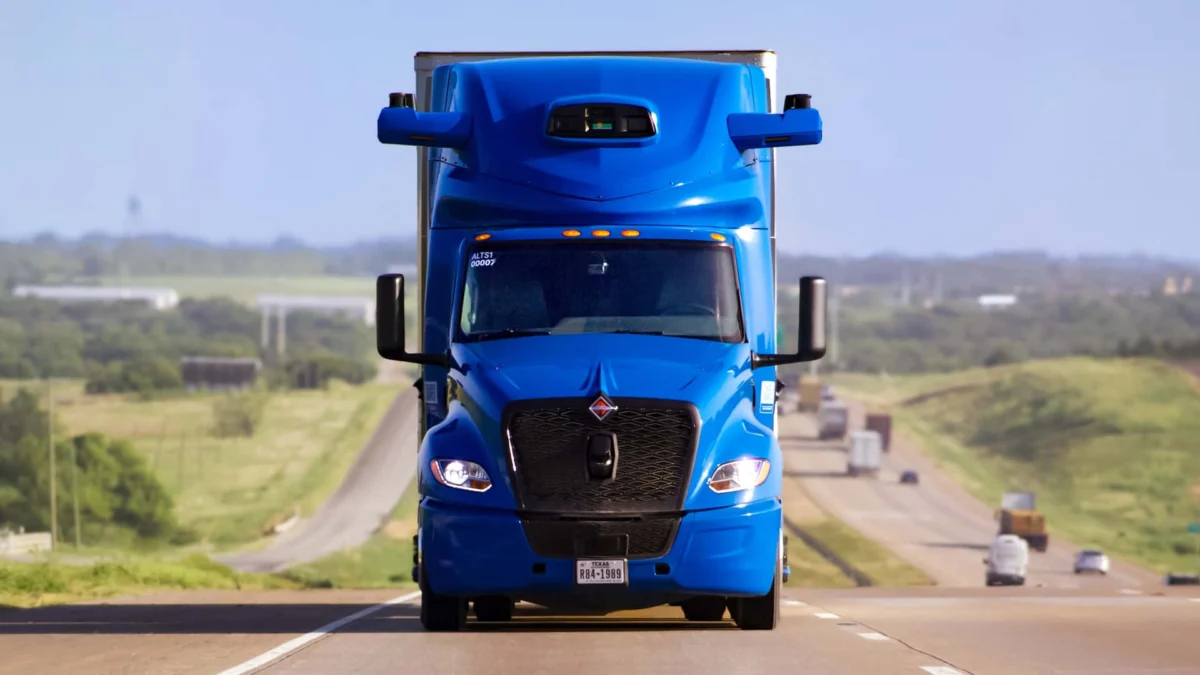
Aurora Innovation, the Pittsburgh-based leader in autonomous vehicle technology, has officially debuted its second-generation hardware suite, a significant milestone intended to transition the company from the experimental phase to large-scale commercial operations. Known as Aurora Driver 2, the updated system is engineered to transform standard Class 8 heavy-duty trucks into fully autonomous freight-hauling machines capable of operating without a human pilot. This new iteration represents a pivotal shift in the company’s strategy, focusing on three core pillars: enhanced sensory perception, extreme environmental ruggedization, and a drastic reduction in the total cost of ownership for fleet operators. By integrating more advanced sensors and streamlining the hardware architecture, Aurora claims the new system can deliver one million miles of driverless freight transport while simultaneously cutting hardware production costs by 50% compared to its first-generation predecessor.
Technological Advancements in Long-Range Perception
The cornerstone of the Aurora Driver 2 system is its overhauled sensory array, which is headlined by a proprietary, advanced forward-facing Lidar sensor. Unlike standard Lidar systems that often struggle with distance and environmental interference, Aurora’s new unit can detect objects up to half a mile (approximately 800 meters) away. This long-range capability is critical for high-speed highway operations, where a fully loaded semi-truck—which can weigh upwards of 80,000 pounds—requires significant stopping distances. The sensor is designed to maintain high-fidelity performance even in challenging lighting conditions, such as direct sunlight or the pitch-black darkness of rural interstate corridors.
In addition to the primary Lidar, the hardware suite includes an array of high-resolution cameras and radar sensors that provide a 360-degree field of view around the vehicle. This multi-modal approach ensures that the "electronic brain" of the truck has overlapping data points, a concept known as sensor fusion. By cross-referencing Lidar, radar, and visual data, the system can accurately identify obstacles, predict the movement of other motorists, and navigate complex construction zones with a level of precision that exceeds human capability.
Ruggedization and the Built-in Cleaning System
Autonomous technology has historically been criticized for its fragility in real-world weather conditions. To address this, Aurora has ruggedized every component of the second-generation hardware. The sensors and housing units are tested to withstand a full spectrum of environmental stressors, including high-frequency vibrations from the road, abrasive dust in arid regions, heavy rain, and extreme temperature fluctuations ranging from the desert heat of Arizona to the freezing winters of the Midwest.
One of the most practical innovations in the Driver 2 suite is an updated, automated cleaning system. In traditional trucking, dirt, insects, and road grime can quickly obscure a driver’s vision; for an autonomous truck, such debris can be catastrophic to the sensor data. Aurora’s solution involves integrated jets that use pressurized water and air to clear the sensors in real-time. This ensures that the truck can maintain operational continuity during inclement weather or through dusty environments without requiring the vehicle to pull over for manual cleaning, thereby maximizing "uptime"—the primary metric for profitability in the logistics industry.
Computational Power and Redundancy
The processing heart of the Aurora Driver 2 is a brand-new central computer powered by Nvidia’s high-performance chips. This computer is designed to process millions of data points every second, enabling the vehicle to make complex driving decisions in mere milliseconds. Safety is bolstered by a fully redundant architecture; the system features backup power supplies and secondary processing units that can take over immediately if a primary component fails.
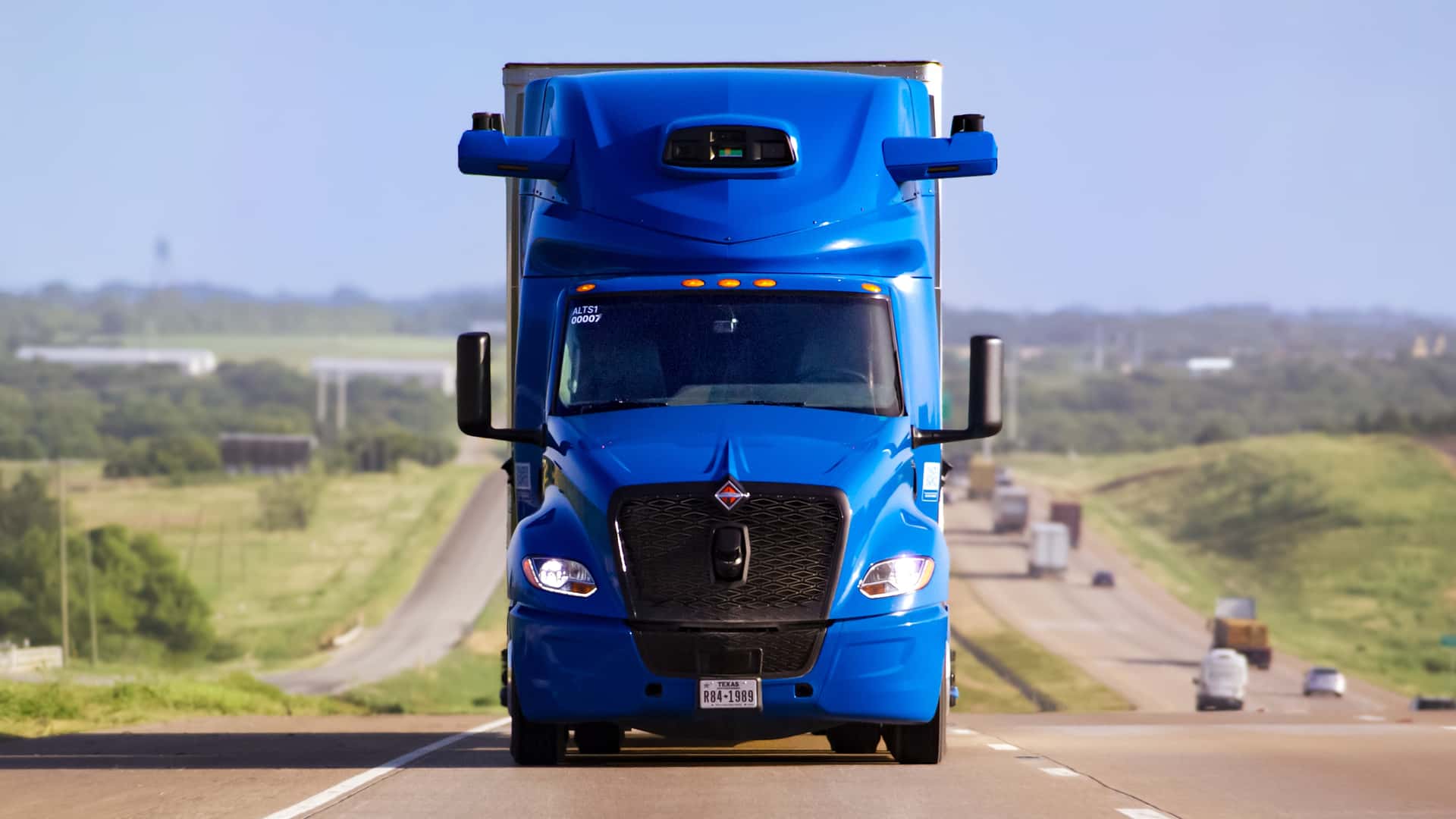
Furthermore, Aurora has managed to house this immense computing power in a chassis that is 40% smaller than the previous version. This reduction in physical footprint is not merely an aesthetic improvement; it allows for easier integration into various truck models and reduces the complexity of the upfitting process. By shrinking the hardware, Aurora has also lowered the manufacturing cost, which is a key factor in making the technology accessible to large-scale fleet owners who operate thousands of vehicles.
The Economic Case for Autonomous Freight
The deployment of autonomous trucks is driven largely by the promise of superior economics compared to traditional human-operated fleets. Under current Federal Motor Carrier Safety Administration (FMCSA) regulations, human drivers are restricted by "Hours of Service" (HOS) rules, which generally limit driving to 11 hours within a 14-hour window, followed by a mandatory 10-hour rest period.
Aurora asserts that its autonomous trucks can effectively double the revenue per truck by operating nearly 24 hours a day, stopping only for refueling and maintenance. For example, on a standard route from Fort Worth to Phoenix, a human driver must stop for a mandatory 10-hour break, extending the delivery window significantly. Aurora claims its system can slash delivery times on such routes by up to 40%. For logistics companies, this translates to faster turnaround times, lower labor costs, and a more predictable supply chain. By removing the need for "team driver" configurations—where two drivers alternate shifts to keep a truck moving—fleet owners can achieve significant savings on payroll and benefits while increasing the total mileage covered by each asset.
Manufacturing Partnerships and Scalability
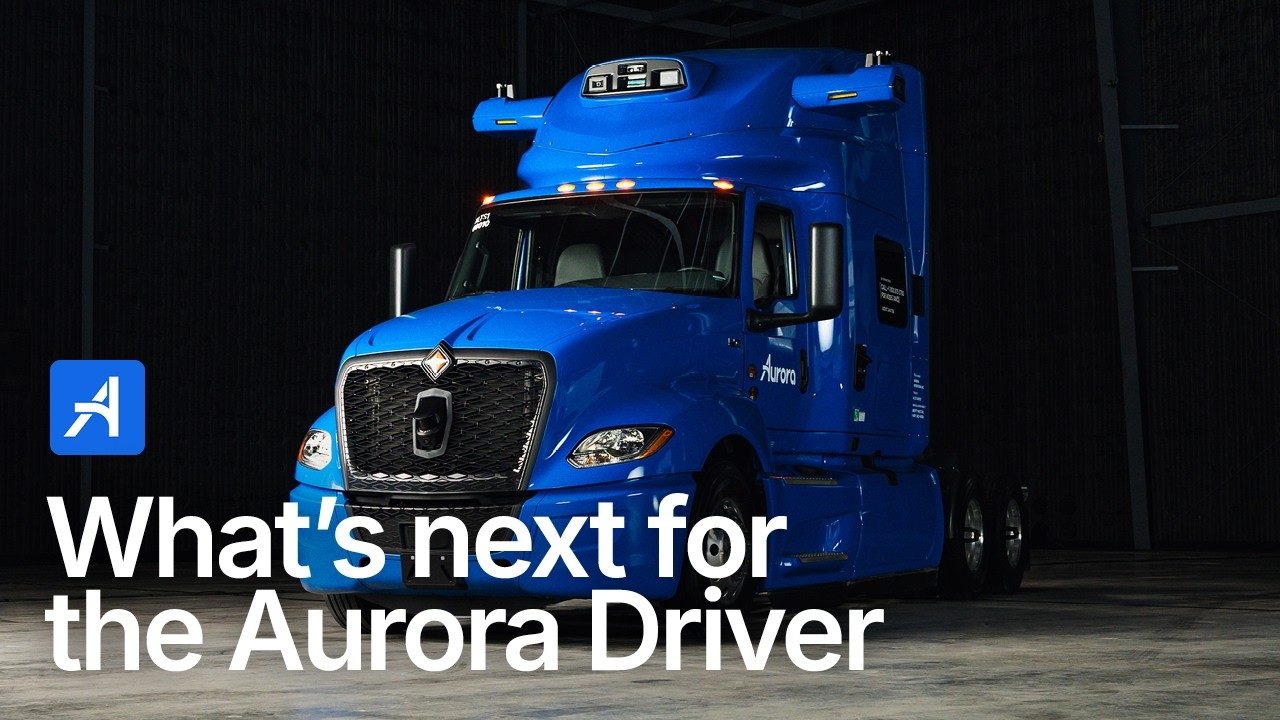
To bring this technology to market, Aurora is not building its own trucks from the ground up. Instead, it has adopted an "upfitting" model. The company has partnered with Roush, a world-renowned engineering and manufacturing firm, to integrate the Driver 2 hardware into existing Class 8 truck platforms. The current focus is on the International LT and the Volvo VNL Autonomous models, two of the most widely used long-haul trucks in North America.
The partnership with Roush is designed to facilitate a rapid production ramp-up. Aurora’s stated goal is to produce 1,000 autonomous big rigs per year, a volume that would make it one of the largest players in the nascent self-driving freight sector. This scalable manufacturing approach allows Aurora to focus on its core competency—software and sensor integration—while leveraging the established manufacturing expertise and dealership networks of legacy truck manufacturers.
Industry Context and the Path to Commercialization
The unveiling of Driver 2 comes at a critical time for the autonomous vehicle industry. While the robotaxi sector has faced regulatory scrutiny and technical setbacks, the autonomous trucking sector is often viewed as a more viable short-term application of self-driving technology. Highway driving is generally more predictable than urban navigation, with fewer pedestrians, cyclists, and complex intersections.
Aurora’s progress is measured against a backdrop of significant testing. To date, trucks equipped with the first-generation hardware have logged nearly 440,000 miles in autonomous mode, primarily on the "Freight Alley" corridors of Texas. These real-world miles have provided the data necessary to refine the algorithms that now power the second-generation system. As the company moves toward its commercial launch, expected in late 2024 or early 2025, the focus has shifted from "can it drive?" to "can it drive profitably and reliably?"
Implications for the Logistics Labor Market
The rise of autonomous trucking inevitably raises questions about the future of the American truck driver. Currently, the American Trucking Associations (ATA) estimates a shortage of over 60,000 drivers, a figure that could double by 2030 as the workforce ages. Aurora and its proponents argue that autonomous technology is not intended to replace drivers immediately but rather to fill the gap in long-haul, "middle-mile" logistics—the grueling, multi-day routes that are difficult to recruit for.
By automating the long, monotonous stretches of highway, proponents suggest that human drivers can transition to "first-mile" and "last-mile" roles, which involve navigating complex city streets and interacting with customers—tasks that remain difficult for current AI systems. This hybrid model could potentially improve the quality of life for truck drivers by allowing them to stay closer to home while robots handle the transcontinental hauls.
Safety Analysis and Regulatory Oversight
Safety remains the primary hurdle for the widespread adoption of Aurora Driver 2. The company has emphasized its "Safety Case" framework, a transparent methodology used to demonstrate that its vehicles are safe to operate on public roads. This involves rigorous simulation testing, closed-track validation, and the aforementioned redundant hardware.
Regulatory bodies like the Department of Transportation (DOT) and the National Highway Traffic Safety Administration (NHTSA) are closely monitoring the development of autonomous heavy-duty vehicles. While there is currently no federal law prohibiting self-driving trucks, a patchwork of state-level regulations exists. Texas has emerged as the epicenter for this technology due to its favorable regulatory environment and vast highway network. The success of Aurora’s second-generation hardware will likely serve as a benchmark for future federal safety standards.
Conclusion and Future Outlook
The introduction of Aurora Driver 2 represents a maturation of the autonomous trucking industry. By focusing on cost reduction, environmental durability, and extreme-range perception, Aurora is addressing the practical realities of the freight business. The transition from 440,000 miles of testing to a commercial fleet of 1,000 trucks will be the ultimate test of the company’s technology and business model. If Aurora can deliver on its promise to double truck revenue and halve hardware costs, the second generation of the Aurora Driver may well be the catalyst that finally brings the "driverless revolution" to the American highway. As the company continues its partnership with Roush and deepens its integration with Volvo and PACCAR, the industry will be watching closely to see if these autonomous rigs can truly master the complexities of the open road.