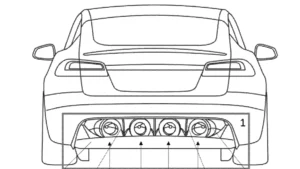
The National Highway Traffic Safety Administration (NHTSA) has officially declined a petition to open a formal safety defect investigation into the interior door release mechanisms of the Tesla Model 3. While this decision provides a temporary reprieve for the electric vehicle (EV) giant, it simultaneously signals a significant shift in the federal oversight of automotive design. In a move that carries far broader implications for the entire automotive industry, the agency announced it will instead initiate a comprehensive rulemaking proceeding intended to mandate standardized, "robust and obvious" emergency exit systems for all motor vehicles sold in the United States.
This regulatory pivot follows years of mounting scrutiny regarding the safety of electronic door latches—a design trend popularized by Tesla but increasingly adopted by a wide range of legacy and startup manufacturers. The core of the controversy lies in the transition from traditional mechanical linkages to solenoid-actuated electronic buttons, which can become inoperable if a vehicle loses electrical power following a collision or submersion.
The Evolution of the Electronic Door Handle
For decades, the automotive door handle remained a largely unchanged mechanical component. A physical cable or rod connected the interior and exterior handles to the latch mechanism. However, as the industry shifted toward electrification and high-efficiency aerodynamics, the door handle became a focal point for innovation.
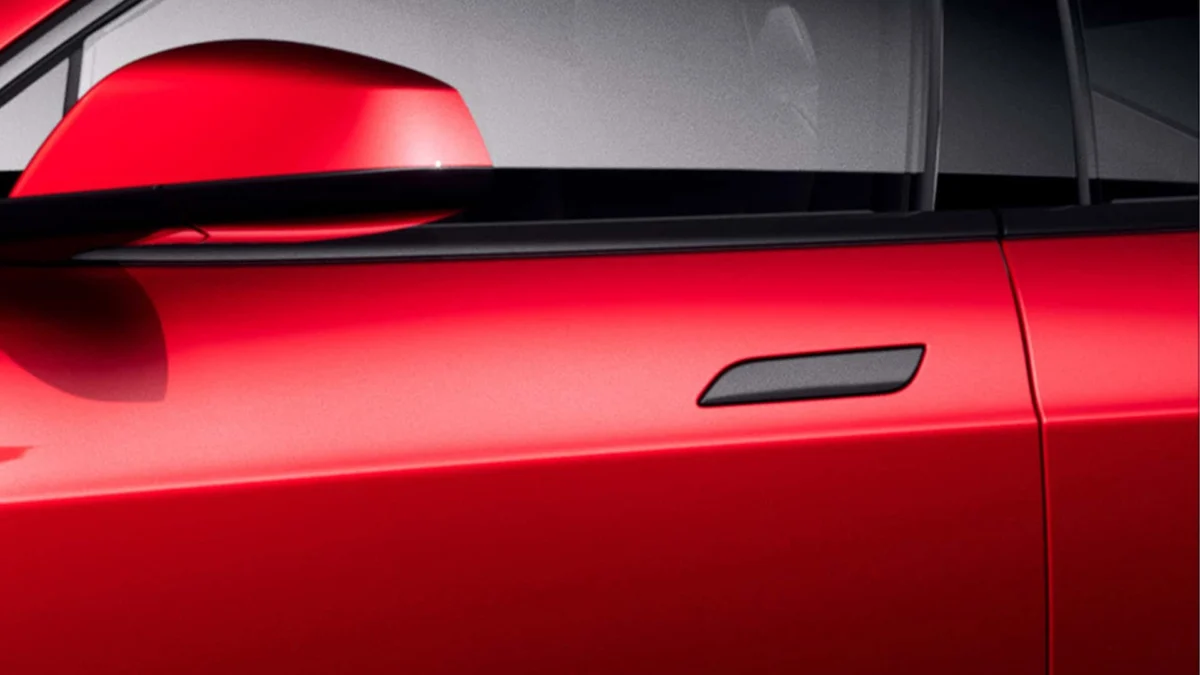
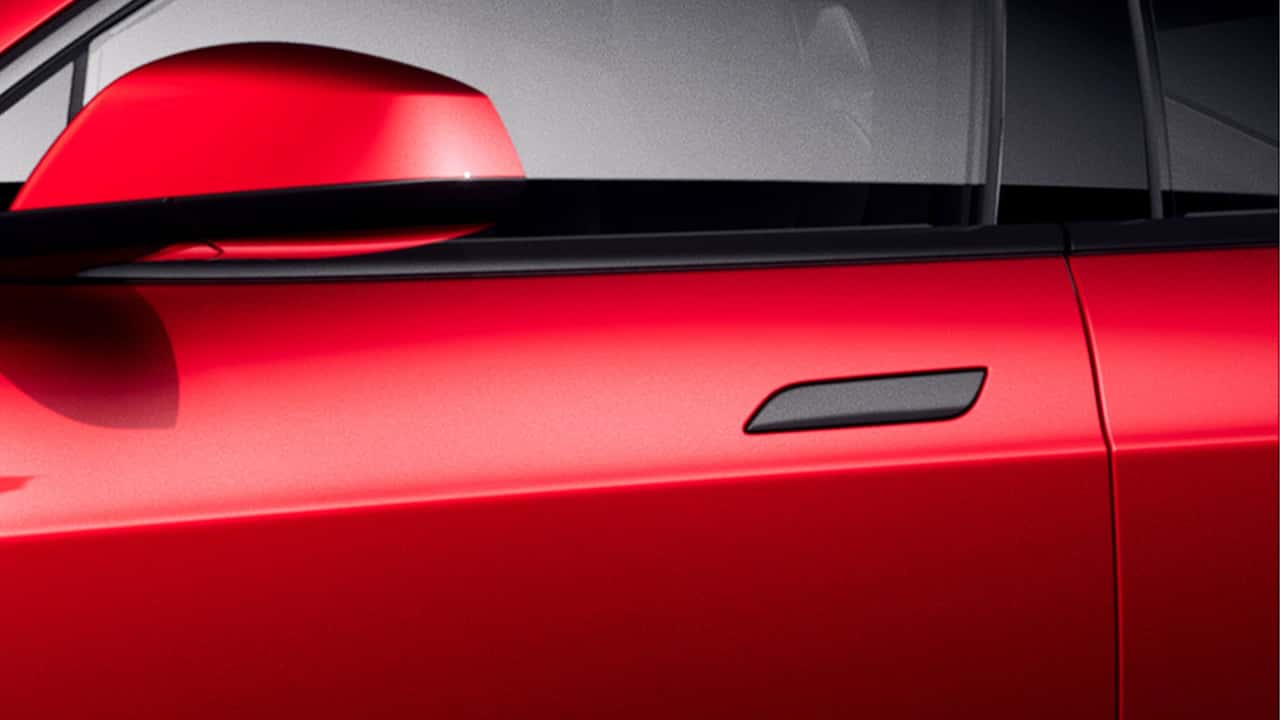
Tesla was at the forefront of this transformation. Beginning with the Model S in 2012, the company introduced motorized "pop-out" exterior handles that retract flush with the bodywork to reduce drag. Later, with the introduction of the Model 3 and Model Y, Tesla moved to electronic push-button releases for the interior doors. By eliminating mechanical linkages, manufacturers can reduce vehicle weight, simplify assembly, and improve the coefficient of drag, which is critical for extending the range of battery-electric vehicles.
While these designs are sleek and modern, they introduce a layer of complexity. In a standard electronic setup, pressing a button sends a signal to a computer, which then triggers a motor to release the door latch. If the 12-volt battery system is compromised—common in severe accidents—the electronic release may fail. While Tesla and other manufacturers include manual override levers, these are often placed in non-obvious locations, such as inside armrests, at the base of the door, or even behind speaker grilles, leading to confusion during high-stress emergency situations.
The Catalyst: Petitions and Fatal Incidents
The NHTSA’s decision to pursue industry-wide rulemaking rather than a Tesla-specific investigation comes after several high-profile incidents highlighted the potential dangers of electronic latches. Investigative reporting by Bloomberg and other outlets has documented cases where occupants were trapped inside burning or sinking Teslas because they could not locate the manual release or because first responders could not open the doors from the outside.
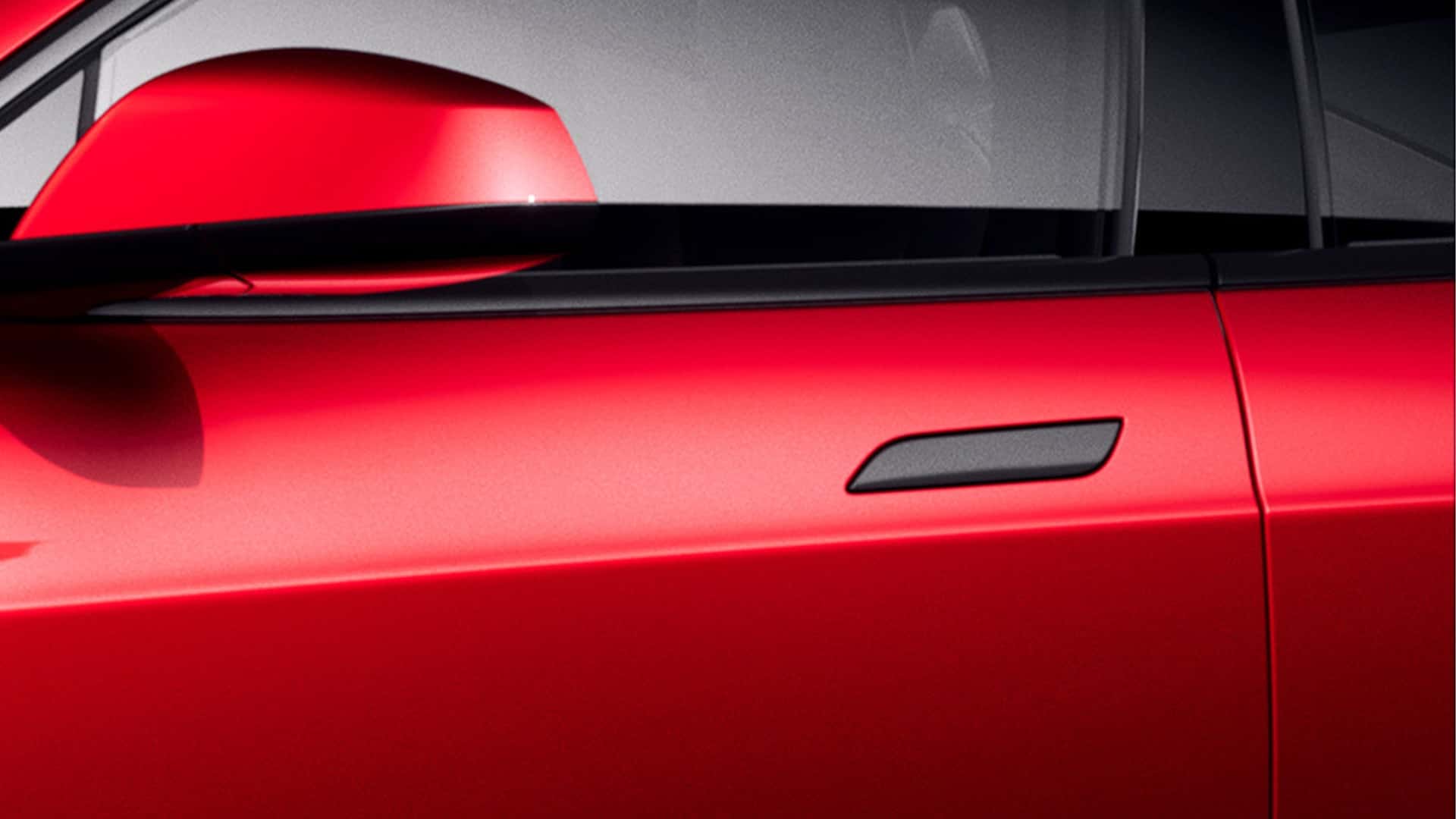
One notable incident involved a 2019 crash in Florida where a Tesla Model S hit a tree and caught fire. Bystanders and a police officer were reportedly unable to open the doors because the handles remained retracted, and the driver ultimately perished. While Tesla has maintained that its vehicles are among the safest on the road, the reliance on electronic systems for basic ingress and egress has remained a point of contention for safety advocates.
The specific petition recently rejected by the NHTSA focused on the Model 3’s interior releases. The petitioner argued that the design was inherently defective because it relied on electricity and that the manual backup was not sufficiently intuitive. In its response, the NHTSA acknowledged the concerns but stated that a single-manufacturer investigation was not the most effective way to address what has become a systemic industry trend.
Chronology of Regulatory and Legislative Action
The path to this new rulemaking proceeding has been marked by several key milestones:
- 2012–2017: Tesla introduces flush-mounted exterior handles and electronic interior buttons on the Model S and Model 3, respectively.
- 2019–2022: A series of consumer complaints and media reports emerge regarding "entrapment" scenarios in EVs following power failures.
- January 2024: U.S. lawmakers, led by Representative Seth Moulton and Senator Sheldon Whitehouse, introduce the "Safe Exit Act." This proposed legislation would require the NHTSA to establish standards for manual door releases that are easily identifiable and operable without power.
- Mid-2024: The NHTSA begins reviewing a petition to investigate Tesla’s door handles specifically as a safety defect.
- Late 2024: China’s Ministry of Industry and Information Technology announces that, beginning in 2027, all vehicles sold in China must have mechanical door release mechanisms that are functional even when the main power is lost.
- Present: The NHTSA denies the Tesla-specific petition but announces the commencement of a federal rulemaking process to address egress safety across the entire U.S. fleet.
Technical Challenges and the "Safe Exit" Requirement
The upcoming NHTSA rulemaking will likely focus on updating Federal Motor Vehicle Safety Standard (FMVSS) No. 206, which currently governs door locks and door retention components. Established in the era of purely mechanical cars, FMVSS 206 does not explicitly account for the nuances of electronic latches or the visibility requirements of manual backups.
The agency’s goal is to ensure that "egress"—the ability to exit the vehicle—is guaranteed under all circumstances. This involves several technical hurdles for manufacturers:
- Standardization of Manual Releases: Currently, the manual override in a Tesla Model 3 is a small lever in front of the window switches. In a Chevrolet Corvette, it is a lever on the floor. In some Ford Mustang Mach-E models, it requires a specific "double-pull" of the interior handle. The NHTSA may mandate a standardized location or a specific color (such as "emergency red") to make these releases obvious to panicked occupants.
- Exterior Accessibility: For first responders, exterior handles that remain flush during a power failure are a significant obstacle. Future rules may require a mechanical way to "pop" the handles from the outside or a fail-safe that extends the handles automatically upon airbag deployment.
- Labeling and Education: The agency may require illuminated or luminescent signage for emergency releases, similar to the glow-in-the-dark trunk releases mandated in the early 2000s to prevent child entrapment.
Industry Reactions and Implications
The automotive industry has had a mixed reaction to the prospect of new regulations. Manufacturers like Volvo have already begun proactively addressing the issue. The upcoming Volvo EX60, for instance, features a design that integrates the mechanical backup more seamlessly into the primary door handle to ensure there is no learning curve for the user during an emergency.
However, other manufacturers may face significant engineering costs. Redesigning door architectures to include robust mechanical overrides can interfere with side-impact protection structures and add weight. Furthermore, the aesthetic appeal of "minimalist" interiors—a major selling point for modern EVs—may be compromised by the requirement for conspicuous emergency levers.
Tesla has historically argued that its electronic systems are reliable and that the manual overrides are clearly documented in the owner’s manual. However, safety experts point out that in the "golden minutes" following a crash, users often revert to "muscle memory" and may not remember instructions read months or years prior.
Analysis of the Long-Term Impact
The NHTSA’s decision to move toward a general rule rather than a specific investigation is a tactical choice. By establishing a federal standard, the agency avoids a protracted legal battle with a single manufacturer and instead creates a level playing field for all. This approach also acknowledges that the "Tesla-fication" of the car industry is nearly complete; with brands like Audi, Hyundai, and Cadillac all adopting similar handle designs, a Tesla-only fix would leave millions of other drivers at risk.
Furthermore, this rulemaking aligns the United States with global safety trends. With China already setting a 2027 deadline for mechanical door safety, the U.S. risks becoming a secondary market with lower safety standards if it does not act. For global automakers, having a unified standard between the U.S., Europe, and China simplifies manufacturing and reduces the need for region-specific door assemblies.
The process of "rulemaking," however, is notoriously slow. The NHTSA itself noted that this is the "longest-running" regulatory tool at its disposal. The process involves an Advanced Notice of Proposed Rulemaking (ANPRM), followed by a period of public comment, a formal proposal, and finally a multi-year phase-in period for manufacturers. It is unlikely that any new federal requirements will take effect before 2027 or 2028.
Conclusion
While the federal government has declined to single out Tesla for its controversial door handle design, the message to the automotive industry is clear: the era of unregulated electronic door latches is coming to an end. The NHTSA’s move toward mandating "robust and obvious" egress systems marks a critical recognition that high-tech convenience must not come at the expense of basic survival.
As vehicles become increasingly defined by software and electronic actuators, the humble door handle has become a symbol of the tension between innovation and safety. For drivers, the eventual result of this rulemaking will likely be a return to more intuitive, fail-safe mechanisms—ensuring that even in the most modern, high-tech vehicle, the way out remains as simple as it was fifty years ago. For the industry, it serves as a reminder that while the future of the car may be electric, the fundamental requirements of human safety remain grounded in the physical and the mechanical.