Swedish researchers are embarking on a groundbreaking initiative to harness the nation’s rich mineral resources, aiming to establish a more sustainable and domestically controlled supply chain for critical rare earth elements (REEs) and the powerful magnets derived from them. This ambitious undertaking, a cornerstone of the Sustainable Materials and Material Flows research area, is spearheaded by Martin Sahlberg, Professor of Materials Chemistry at Uppsala University, who is meticulously investigating the potential for Sweden’s geological endowments to underpin a future magnet industry with significantly reduced environmental and geopolitical vulnerabilities.
The urgency for such domestic exploration is underscored by the global reality that many materials indispensable for clean energy systems and advanced technologies, including rare earth magnets, are currently produced through processes fraught with substantial environmental costs. The vast majority of these magnets are manufactured in China, a nation with distinct environmental regulations and industrial standards compared to Sweden. This concentration of production creates inherent risks, not only from an environmental perspective but also from a geopolitical standpoint, as highlighted by Professor Sahlberg.
Geopolitical Tensions and the Global Magnet Monopoly
"It’s a geopolitical problem," Professor Sahlberg states unequivocally, pointing to recent international events that have exposed the fragility of global supply chains for critical minerals. He recalls the trade war and the imposition of US tariffs in the past year, which led to China temporarily halting exports of rare earth elements. This incident served as a stark reminder of the leverage held by dominant producers. Furthermore, Sahlberg references broader geopolitical maneuvers, such as former US President Trump’s interest in Greenland’s mineral resources and the Ukraine-United States Mineral Resources Agreement, as indicative of ongoing global competition and strategic realignments concerning vital materials.
The environmental burden associated with rare earth material production further amplifies the need for alternative, more sustainable sourcing and processing methods. The separation and purification of REEs from their mineral deposits are notoriously complex and often necessitate the use of toxic chemicals. Compounding this challenge, radioactive substances are frequently found in the same geological formations from which REEs are extracted, adding another layer of environmental hazard and requiring stringent waste management protocols. "It’s rather a dirty business today," Sahlberg candidly admits, underscoring the current industrial reality.
Understanding Rare Earth Elements: Abundance vs. Accessibility
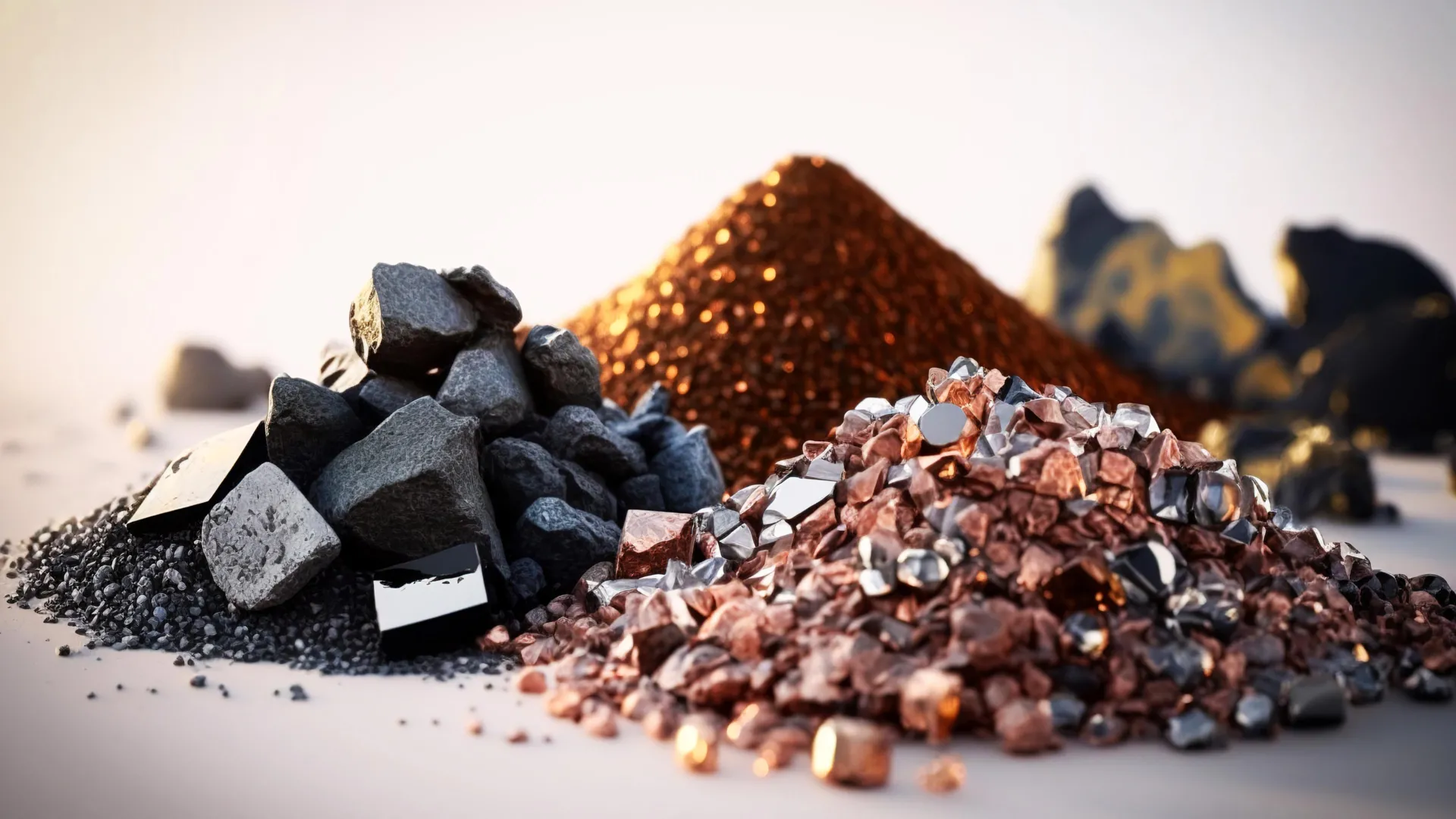
Despite their name, rare earth elements are not as rare as their nomenclature might suggest. These 17 metallic elements – including lanthanum, cerium, neodymium, and dysprosium – are foundational to numerous modern technologies. They are crucial components in the permanent magnets used in electric vehicle motors, wind turbines, smartphones, medical imaging equipment, and defense systems, all vital for the global transition to a more sustainable society. The true challenge lies not in their scarcity but in identifying deposits where they occur in concentrations high enough to make economic extraction feasible and efficient.
Sweden, long recognized for its robust mining heritage and significant mineral reserves, presents a promising landscape for REE exploration. "In Sweden our possibilities for extracting REE, even when compared internationally, are relatively good," Sahlberg affirms. The country possesses known deposits of rare earth minerals in key regions, including Kiruna in the north, the historic mining district of Bergslagen in central Sweden, and Norra Kärr, located outside Gränna in southern Sweden. These deposits represent a tangible resource base upon which a domestic REE industry could be built.
A Novel Approach: Tailoring Magnets to Local Resources
Professor Sahlberg’s research endeavors are specifically aimed at laying the scientific groundwork necessary for both the domestic extraction of these valuable resources and the development of novel, high-performance functional magnets. A key departure from conventional practices is the researchers’ intention to move away from forcing Swedish minerals to conform to existing, often globally standardized, manufacturing formulas. Instead, the focus is on designing magnets whose chemical composition is intrinsically aligned with the materials naturally present in Sweden’s local geological deposits.
This innovative approach promises to significantly reduce the amount of processing required for both purification and manufacturing. By minimizing the need for extensive chemical treatment and extensive refinement to achieve specific alloy compositions, the environmental footprint of the entire production cycle, from the mine to the finished magnet, can be substantially lowered.
"Today, China basically has a world monopoly, but we not only have deposits but also good access to water and relatively cheap energy," Sahlberg elaborates, highlighting Sweden’s inherent advantages. "There is also an interest in leading the green transition here in Sweden," he adds, pointing to a national and international political will to foster sustainable industries. This confluence of abundant resources, favorable energy conditions, and political support creates a unique window of opportunity for Sweden to carve out a significant role in the global REE market.
A Comprehensive Inventory: Understanding Sweden’s "Mineral Fridge"
The interdisciplinary nature of this research is paramount to its success. The project is expected to span many years, with an initial and critical priority being the creation of a comprehensive and detailed inventory of the rare earth minerals available across Sweden. This undertaking is likened by Professor Sahlberg to the popular television show "What’s in Your Fridge," an analogy that effectively captures the essence of the exploratory process.
"Historically, we have mined for a specific metal – iron, copper or maybe gold," Sahlberg explains. "We’re taking a broader approach here to find out what elements there are in the deposits and in what proportions. We make an inventory of ‘what’s in the fridge’ so that we can use all these elements in the most efficient way possible. We’re creating new ‘magnet recipes’ based on the elements we have available." This means that instead of targeting a single, historically valuable metal, the researchers are examining the entire spectrum of elements present within each mineral deposit. The overarching goal is to maximize the utilization of these materials and to develop magnet formulations that are inherently suited to the specific elemental compositions of Sweden’s natural resources.
Building a Sustainable Value Chain: From Rock to Magnet
The collaborative effort involves a diverse team of experts, including materials theoretical physicists, geologists, and materials engineers. Their collective expertise is being leveraged to meticulously map out the most sustainable route from raw mineral deposits to the finished products that will power future technologies. This holistic approach ensures that every stage of the process, from understanding the intricate geological formations and mineralogy to the precise design and manufacturing of the magnets themselves, is evaluated through the lens of environmental responsibility and resource efficiency.
Professor Sahlberg characterizes the initiative as "application-inspired basic research." While the work delves into fundamental scientific questions concerning material properties and chemical interactions, it is intrinsically linked to technologies that are poised to become increasingly vital for Sweden’s economic prosperity and the broader global green economy. The pursuit of knowledge in this domain is not merely academic; it is directly aimed at fostering tangible advancements that can address pressing global challenges.
"What we are doing is basic research but in an area that is technologically incredibly important," Sahlberg emphasizes. This sentiment underscores the dual nature of the project: a deep dive into fundamental science with the explicit objective of driving significant technological and industrial innovation.
Broader Implications and Future Outlook
The success of this Swedish initiative could have far-reaching implications, potentially reshaping the global landscape for rare earth elements and advanced magnets. By establishing a secure, environmentally responsible, and domestically controlled supply chain, Sweden could significantly reduce its reliance on foreign sources, thereby mitigating geopolitical risks. This could serve as a model for other nations seeking to develop their own critical mineral capabilities.
Furthermore, the emphasis on designing magnets tailored to specific local resources represents a paradigm shift in materials science. This approach could lead to the development of novel magnet compositions with unique properties, potentially exceeding the performance of current technologies. The reduction in processing steps and the use of less toxic chemicals would also contribute to a cleaner and safer manufacturing environment.
The economic benefits are also substantial. A burgeoning domestic REE and magnet industry could create high-skilled jobs, stimulate innovation, and position Sweden as a leader in the green technology sector. The country’s existing infrastructure, skilled workforce, and strong commitment to sustainability provide a fertile ground for such an industry to flourish.
However, challenges remain. The exploration and extraction of rare earth minerals are complex and capital-intensive endeavors. Significant investment will be required to develop the necessary infrastructure and technologies. Environmental impact assessments and public engagement will also be crucial to ensure that any mining operations are conducted responsibly and with the consent of local communities.
Despite these hurdles, the research being conducted in Sweden represents a significant step forward in the quest for a more sustainable and secure future for critical materials. By leveraging its natural resources and embracing innovative scientific approaches, Sweden is positioning itself at the forefront of a new era of responsible mineral resource management and advanced materials development. The "mineral fridge" of Sweden may well hold the key to unlocking a cleaner, more resilient future for industries worldwide.