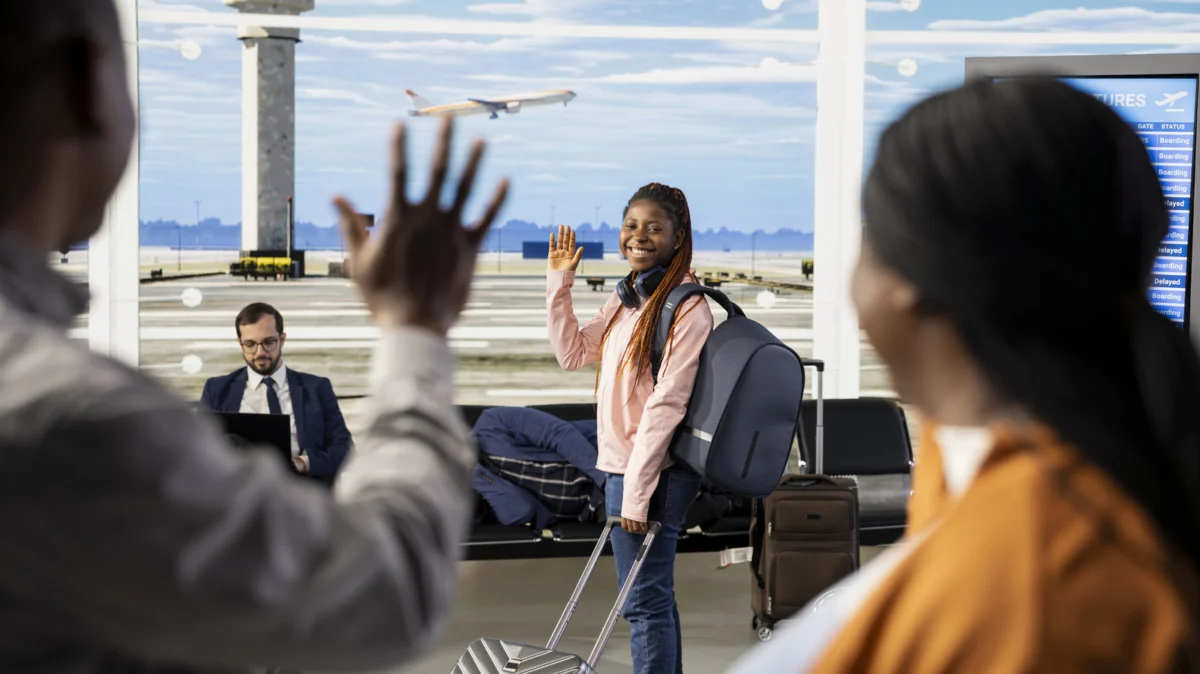
For travelers and their families navigating the modern aviation landscape, the ritual of saying goodbye at the curb or greeting arriving passengers at baggage claim has long been an immutable reality of post-9/11 security protocols. For more than two decades, non-passengers have been strictly barred from moving past security checkpoints, transforming terminal gates into exclusive zones reserved strictly for ticketed flyers. However, a significant operational shift is currently underway. The Transportation Security Administration (TSA) has introduced a pilot initiative known as "Gateside," a program designed to evaluate the feasibility of granting pre-screened members of the public access to airport terminal gates without a boarding pass. This development marks a potential turning point in how commercial airports balance rigorous national security measures with passenger convenience and the restoration of pre-millennium travel traditions.
The Mechanics of the Gateside Initiative
The Gateside program functions as an extension of the existing TSA PreCheck framework, leveraging pre-existing background checks and trusted traveler statuses to vet individuals requesting terminal access. Under the initial rollout guidelines established by the federal agency, interested participants who hold active TSA PreCheck memberships can submit an online request for a gate-access pass.
The application process requires careful timing. Requests must be submitted strictly between one and three days in advance of the planned terminal visit. Because the agency is treating this initial phase as a limited trial, daily passes are capped at each participating location, meaning application does not automatically guarantee approval. Those who successfully secure a pass receive authorization that remains valid for a single calendar day, with provisions for exiting and re-entering the security checkpoint during that timeframe. Crucially, the service is being offered to qualifying PreCheck members free of charge.
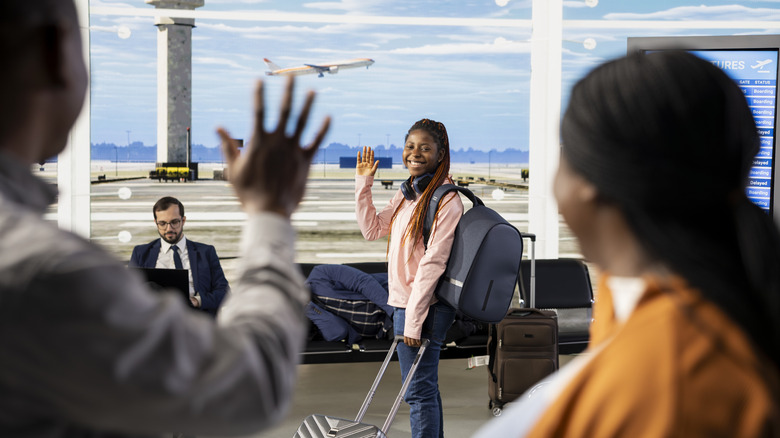
Travel analysts and industry observers note that while the application parameters are narrow, the psychological and operational implications are vast. For families, the ability to meet elderly relatives, unaccompanied minors, or returning service members directly at the arrival gate revives a level of hospitality and convenience that vanished from American aviation following the turn of the century.
Historical Context and the Evolution of Airport Security
To understand the weight of the TSA’s current experimentation, one must examine the landscape of American commercial aviation prior to November 2001. Before the establishment of the Transportation Security Administration, airport security operations were decentralized, managed largely by individual airlines or private contractors hired by local airport authorities. While screening protocols varied widely in stringency across different regional facilities, nearly all major airports permitted non-passengers to pass through metal detectors or checkpoint areas simply by obtaining a gate pass from airline ticket counters or, in many cases, walking directly to the boarding gates.
Terminal concourses served as community hubs filled not only with flyers, but also with well-wishers, romantic partners bidding adieu, children watching aircraft take off from panoramic windows, and local residents utilizing airport restaurants and duty-free retail spaces.

The catastrophic events of September 11, 2001, fundamentally altered this reality. The Aviation and Transportation Security Act, signed into law in November 2001, created the TSA and centralized all civil aviation security under federal oversight. Among the immediate and sweeping changes implemented was the restriction of secure areas exclusively to individuals possessing valid boarding passes and government-issued identification. This perimeter security model was enacted to reduce the density of non-essential personnel within sensitive airside zones, streamline crowd management, and focus security resources entirely on active travelers.
Over the subsequent two decades, these rules remained rigid. While the introduction of biometric scanning, advanced imaging technology, and trusted traveler programs like TSA PreCheck and Global Entry gradually expedited the screening process for flyers, the absolute barrier preventing non-travelers from entering the gates remained firmly in place—until now.
Initial Rollout and Participating Facilities
The launch of the Gateside initiative is being executed incrementally to gauge infrastructure capacity, security checkpoint queue impacts, and overall passenger flow management. In its inaugural phase, the program has been deployed across a select group of 13 major domestic airports. While the TSA has not yet published an exhaustive, permanent registry of every participating terminal in this pilot phase, the agency selected these initial hubs based on checkpoint configuration, spatial capacity, and the existing volume of PreCheck traffic.
Aviation authorities are closely monitoring how these specific facilities handle the influx of additional non-traveling pedestrians. Major metropolitan hubs, particularly those already grappling with high passenger volumes and congested parking structures, present unique logistical challenges. For instance, navigating terminals at sprawling facilities like Los Angeles International Airport (LAX) or John F. Kennedy International Airport requires careful consideration of ground transportation, parking availability, and intra-airport transit systems. As the pilot progresses, the TSA intends to evaluate performance metrics from these initial 13 locations before determining a timeline and criteria for broader nationwide expansion.
Balancing Security Protocols with Passenger Experience
The implementation of the Gateside program reflects a broader philosophical evolution within the TSA under recent leadership. Over the past several years, the agency has faced continuous public scrutiny regarding checkpoint bottlenecks, inconsistent wait times, and the friction inherent in rigorous, one-size-fits-all screening procedures. In response, the TSA has increasingly focused on risk-based security models—allocating intensive screening resources based on known traveler risk profiles rather than subjecting every individual to identical measures.
This risk-based approach has manifested in several recent operational adjustments and proposed modernizations across the American aviation sector. Beyond the gate-access pilot, the agency has explored and implemented technologies aimed at reducing passenger friction, such as automated screening lanes, credential authentication technology (CAT) units that verify identities without physical boarding passes, and trials exploring whether trusted travelers might eventually be permitted to keep certain items, such as shoes, comfortably donned during screening. Furthermore, ongoing discussions regarding scanning technology improvements hint at a future where liquid restrictions might also be re-evaluated.
Industry experts emphasize that the Gateside program fits neatly into this continuum. By limiting gate access exclusively to vetted TSA PreCheck members—individuals who have already undergone comprehensive background checks, fingerprinting, and vetting by federal authorities—the TSA mitigates potential security vulnerabilities. Because these individuals are already cleared trusted travelers, the agency assumes an acceptable, calculated risk in allowing them into the secure airside environment without a flight itinerary.
Implications for Airports, Airlines, and Retailers
The potential widespread adoption of gate-access programs carries significant economic and operational implications for airport operators, commercial airlines, and terminal concessionaires.
From a commercial perspective, the return of non-passengers to terminal gates represents a lucrative opportunity for airport retail and dining programs. For decades, airport concession revenue has been constrained by the captive audience model: only ticketed passengers who have successfully cleared security can access terminal shops, restaurants, and duty-free boutiques. By opening these zones to pre-screened local visitors, airports could see a notable surge in non-aeronautical revenue. Families waiting for delayed flights, friends dining with arriving passengers, and local residents utilizing airport dining options could inject millions of dollars into terminal economies.
However, these economic benefits are counterbalanced by substantial operational challenges. Airport terminal architecture across the United States varies dramatically. Many older facilities feature narrow concourses, limited seating capacities at boarding gates, and restricted restroom facilities that already experience severe strain during peak travel banks. Introducing non-travelers into these spaces risks exacerbating congestion, complicating boarding procedures for airline gate agents, and increasing wait times at security checkpoints for actual flyers.
Furthermore, parking infrastructure and curbside management will require careful coordination. Airports heavily reliant on Kiss-and-Fly lanes and short-term parking garages may need to adapt to increased vehicular traffic generated by locals visiting terminals solely to greet or bid farewell to loved ones, independent of an actual flight schedule.
Future Outlook and Next Steps
As the TSA continues its initial rollout of the Gateside initiative, the ultimate trajectory of the program will depend heavily on empirical data gathered from the participating airports. Agency officials have indicated that passenger feedback, security checkpoint throughput metrics, and coordination with local airport authorities will dictate whether the program is expanded to additional domestic hubs.
For the traveling public, the return of open gate access—even in a restricted, pre-screened capacity—signals a welcome acknowledgment of the human element in air travel. While the days of unrestricted terminal wandering for the general public remain a relic of aviation history, the Gateside program offers a measured compromise: a bridge between the uncompromising security imperatives of the twenty-first century and the timeless desire to share unforgettable moments of reunion right at the terminal gate.