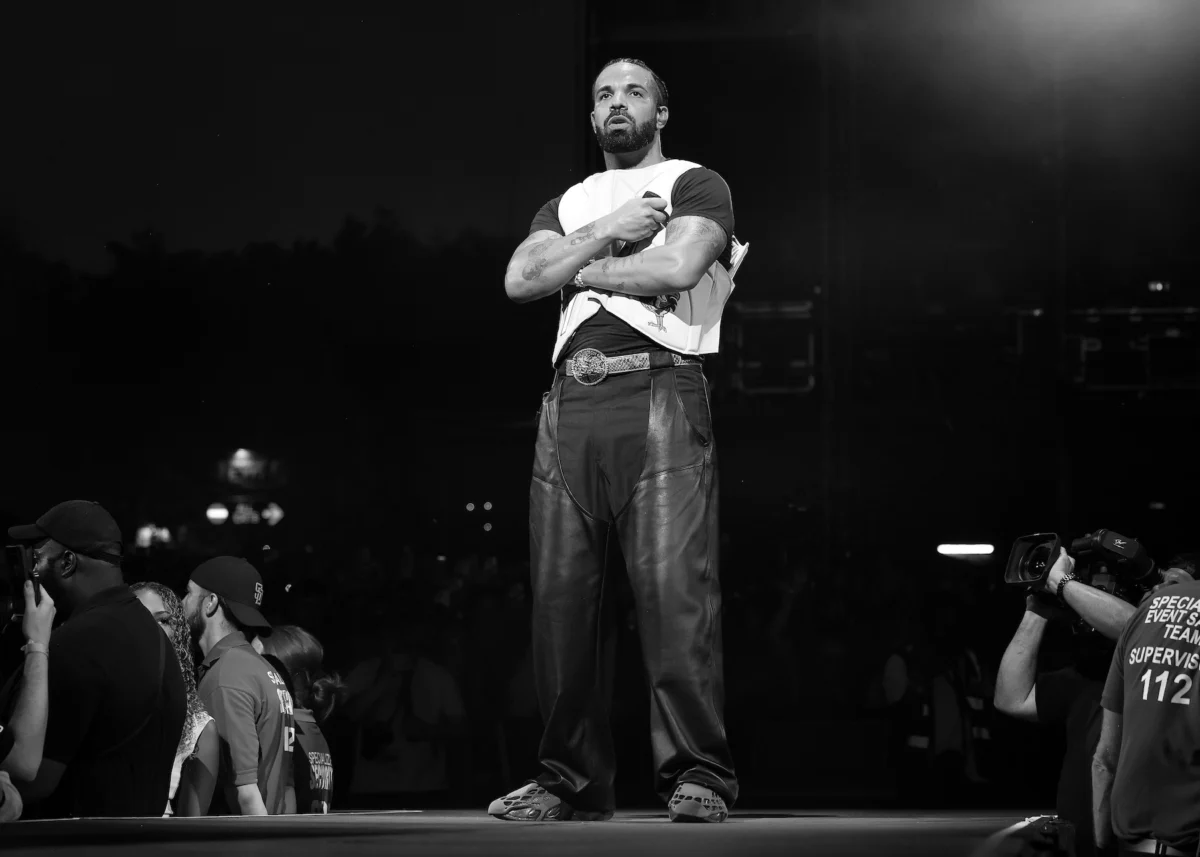
Drake has officially confirmed that his highly anticipated project, Fear of Missing Out, is a cinematic endeavor, putting an end to weeks of intense fan speculation regarding the nature of the September 15 release. The Toronto-born rapper took to his social media channels this past Saturday to clarify that the upcoming work is, in his own words, a "not so short film" that has been both directed and scored by his immediate family. This revelation provides much-needed context to a rollout campaign that has relied heavily on ambiguity, cryptic imagery, and high-concept marketing tactics.
The Anatomy of the Rollout
The promotional cycle for Fear of Missing Out began in earnest during the final weeks of August 2026. Drake’s initial approach was minimalist, utilizing his personal social media platforms to seed the idea of a project titled "FOMO 2026." The posts featured intimate, candid photographs of the rapper with his family, framing the concept of "fear of missing out" not as a commercial buzzword, but as an exploration of personal legacy and human connection.
By early September, the campaign pivoted toward more traditional, albeit mysterious, imagery. Drake shared a photograph of a physical CD cover bearing the project’s title. This tactical shift triggered widespread debate across digital forums and music journalism outlets. Theories ranged from the release of a surprise studio album—a hallmark of Drake’s mid-2010s output—to a potential concert film, a visual EP, or even a brand-led lifestyle campaign. The clarification on Saturday that the project is a "not so short film" aligns with a growing trend among major musical artists to pivot away from traditional album cycles in favor of multi-disciplinary visual storytelling.
Visual Clues and Narrative Themes
The official announcement was accompanied by a short, atmospheric teaser clip. In the footage, Drake is seen piloting a high-speed neon yellow boat, a visual metaphor that contrasts with the introspective, existential tone of the voiceover that plays throughout the clip. The narration poses a poignant question: "What if I told you there were two versions of your life? In one, you avoid risk and withhold love. You feel like you’ve gone missing from yourself. You look for something you can’t find. In the other version of your life… you find it."
This narrative framework suggests that Fear of Missing Out will depart from the standard music video format. By describing the project as being "scored by the family," Drake indicates a collaborative creative process that likely prioritizes narrative cohesion and emotional weight over chart-topping hooks. The choice of director—noted as being within the family unit—suggests an autobiographical tone, perhaps seeking to strip away the artifice of the "superstar" persona that has defined his career for over a decade.
A History of Guerrilla Marketing
The mystery surrounding this release is consistent with Drake’s established history of utilizing elaborate, high-effort promotional stunts that force fan interaction. His approach to the music business has evolved into a form of performance art, where the "rollout" is often as significant as the music itself.
A primary example of this occurred in April 2026, when the rapper promoted his Iceman trilogy. Rather than opting for a traditional digital press release, Drake commissioned the installation of a massive, multi-ton block of ice in a public parking lot in downtown Toronto. Inside the ice, he encased the release date and promotional details for the project. The stunt effectively gamified the announcement, leading to a viral phenomenon where fans arrived on-site with various tools—ranging from sledgehammers to blowtorches—to excavate the information. This method of "experiential marketing" highlights Drake’s commitment to high-stakes engagement, ensuring that the audience feels a sense of ownership and discovery when they finally access the content.
The Shift Toward Visual-First Media
Industry analysts have noted that the music industry is currently undergoing a structural shift. With the oversaturation of streaming platforms, artists are increasingly looking to long-form video content to differentiate their output. By positioning Fear of Missing Out as a film rather than a traditional audio project, Drake is tapping into a broader cultural appetite for "prestige" content.
From a commercial perspective, this pivot allows for a more versatile distribution strategy. A short film can be premiered at festivals, hosted on streaming video platforms, or integrated into an immersive digital experience, whereas a standard album release is often confined to the constraints of the DSP (Digital Service Provider) ecosystem. Furthermore, the involvement of his family in the creative process adds a layer of authenticity that is frequently leveraged by artists looking to pivot their public image toward a more mature, introspective phase of their career.
Market Implications and Expectations
As September 15 approaches, the expectations surrounding the project are significant. Given Drake’s track record, the film will likely be subject to intense scrutiny regarding its production quality, its thematic depth, and its potential to influence his musical direction moving forward.
The financial and cultural implications of this release are substantial. For a global icon, the ability to command attention through non-traditional media is a vital asset. By keeping the details under wraps until the final week, Drake has maintained a high level of "cultural capital," ensuring that the conversation remains centered on the project rather than on external gossip. However, this strategy carries risks. By setting the bar for anticipation so high, the project must deliver a level of artistic merit that satisfies the curiosity generated by the months of secrecy.
The Role of Narrative in 2026
The thematic focus on "risk," "withholding love," and "finding oneself" suggests that Fear of Missing Out may serve as a departure from the braggadocio often found in mainstream hip-hop. If the film successfully balances its cinematic ambitions with its musical score, it could represent a new template for how major artists release "mid-cycle" projects.
The collaborative element—specifically the mention of the "family" as the creative force—is perhaps the most intriguing aspect of the announcement. In an era where music is often crafted by massive teams of songwriters and producers, the emphasis on a familial, intimate creative circle suggests a move toward a more curated, personal artistic statement. This mirrors the trajectory of several other A-list artists who, after years of massive commercial success, have begun to prioritize narrative control and creative legacy over sheer volume of output.
Conclusion: The Road to September 15
With the release date firmly set for September 15, the countdown to Fear of Missing Out has entered its final phase. For the millions of fans who have followed the clues, from the social media teasers to the philosophical voiceover, the film represents more than just a new entry in a discography—it is a piece of long-form art designed to be analyzed, discussed, and debated.
Whether the film will satisfy the high expectations set by the Iceman trilogy and the various social media cryptic posts remains to be seen. However, one thing is certain: Drake has successfully navigated the complexities of modern music promotion, proving once again that in an age of instant gratification, the allure of a well-executed mystery remains one of the most powerful tools in the industry. As the premiere approaches, the focus now shifts from the "how" of the rollout to the "what" of the content, as audiences prepare to see how Drake defines the concept of fear, risk, and self-discovery in this new chapter of his career.
As the industry watches, the success of this project will likely determine whether other artists follow suit, moving away from the traditional album-and-tour model toward more complex, multi-media projects that blend cinema, music, and performance art into a single, cohesive experience. The "Fear of Missing Out" is no longer just a project title—it is the central theme of the 2026 pop-culture landscape.