When Anthropic officially enters the public markets, it is poised to disrupt more than just the artificial intelligence sector; it is set to dismantle the traditional Silicon Valley playbook for executive compensation. As the company prepares for a landmark initial public offering that some market observers believe could value the firm between $1.5 trillion and $2 trillion, the distribution of wealth among its seven cofounders has emerged as a focal point of corporate governance. Unlike the typical "winner-take-all" structure seen at other tech giants, Anthropic’s core septet—Dario Amodei, Daniela Amodei, Tom Brown, Jared Kaplan, Sam McCandlish, Jack Clark, and Chris Olah—holds nearly identical equity stakes, positioning each individual for a windfall valued between $21 billion and $30 billion.
This egalitarian approach represents a sharp departure from the conventional pyramid-shaped pay structure, where CEOs and founders often command vastly larger shares of equity than their peers. At Anthropic, the seven cofounders appear to hold stakes of between 231 million and 244 million shares each, representing roughly 1.4% to 1.5% of the company per person. This distribution effectively flattens the internal hierarchy, even as the company maintains a formal organizational structure with Dario Amodei serving as CEO and Daniela Amodei leading as president and board chairperson.
The Mechanics of the Equitable Pay Structure
The sheer scale of the wealth involved is staggering, with the aggregate value of the founders’ combined stakes projected to reach approximately $200 billion upon the IPO. According to regulatory filings, this equity is composed of a precise combination of vested stock options and restricted stock units (RSUs). Each cofounder currently holds 2,185,400 stock options available for exercise, supplemented by 639,500 RSUs that are scheduled to vest upon the completion of the IPO.
The company’s commitment to internal parity is not merely a byproduct of its early-stage culture but a stated policy. Anthropic’s registration statement filed with the Securities and Exchange Commission (SEC) explicitly addresses this philosophy: “We take internal parity into account when determining executive compensation. Each co-founder is paid equal compensation.” This policy extends beyond initial equity grants to include annual salary adjustments and performance-based awards. In July of this year, both Dario and Daniela Amodei received salary increases, bringing their annual base compensation to $1.4 million. Their recent equity grants—comprised of approximately 1.4 million stock options and 2.4 million RSUs awarded in February, followed by an additional 537,000 RSUs in July—further mirror this commitment to balanced ownership.
While the filing specifically highlights the compensation of the Amodei siblings due to their status as executive officers, the parity extends to the remaining five cofounders. Though Tom Brown, Jared Kaplan, Sam McCandlish, Jack Clark, and Chris Olah serve in specialized roles—such as chief compute officer and chief science officer—their equity holdings, within a narrow margin of shares, align perfectly with the awards granted to the Amodeis.
A Contrast to the SpaceX Model
The implications of this structure become particularly clear when compared to the recent public debut of SpaceX. In the months leading up to its June 2026 IPO, SpaceX implemented a compensation model that centered almost entirely on Elon Musk. Musk was granted 1.3 billion restricted shares, with performance milestones tied to ambitious goals such as the establishment of a human colony on Mars and the deployment of orbital data centers. Should these benchmarks be met, the value of those awards could soar to between $650 billion and $700 billion.
By contrast, Anthropic has chosen to dilute the concentration of power and wealth among seven individuals. While the company acknowledges that Dario and Daniela Amodei are “distinctly equipped to be stewards of our mission” and are “critical to setting our strategic direction,” it has resisted the temptation to elevate their financial stakes above their fellow cofounders. This decision creates a unique governance dynamic where, although the founders collectively control the shareholder vote through a dedicated trust, no single individual possesses the overwhelming financial leverage seen at other mega-cap firms.
Philanthropic Commitments and Future Outlook
The financial narrative surrounding the Anthropic IPO is further complicated by the founders’ public commitment to philanthropy. Collectively, the seven cofounders have pledged to donate 80% of their equity to charitable causes. If realized, this pledge could result in a total philanthropic contribution ranging from $80 billion to $165 billion. While these pledges are not legally binding, they underscore the founders’ stated intent to prioritize long-term societal impact over personal wealth accumulation.
The structure of these awards is specifically designed to allow the founders to retain operational control over Anthropic, even as they divest the vast majority of their financial interest. This separation of economic interest and governance control is a sophisticated mechanism that could serve as a model for other mission-driven AI labs. However, market experts remain cautious. Robin Ferracone, founder of compensation consulting firm Farient Advisors, notes that while the "egalitarian approach" is a noble gesture, it is highly unusual for a group as large as seven founders. "It’s unusual to give all the founders the same thing," Ferracone observed. "It usually evolves eventually as awards start to vest and pay becomes more linked to specific positions and performance outcomes."
Governance and Oversight
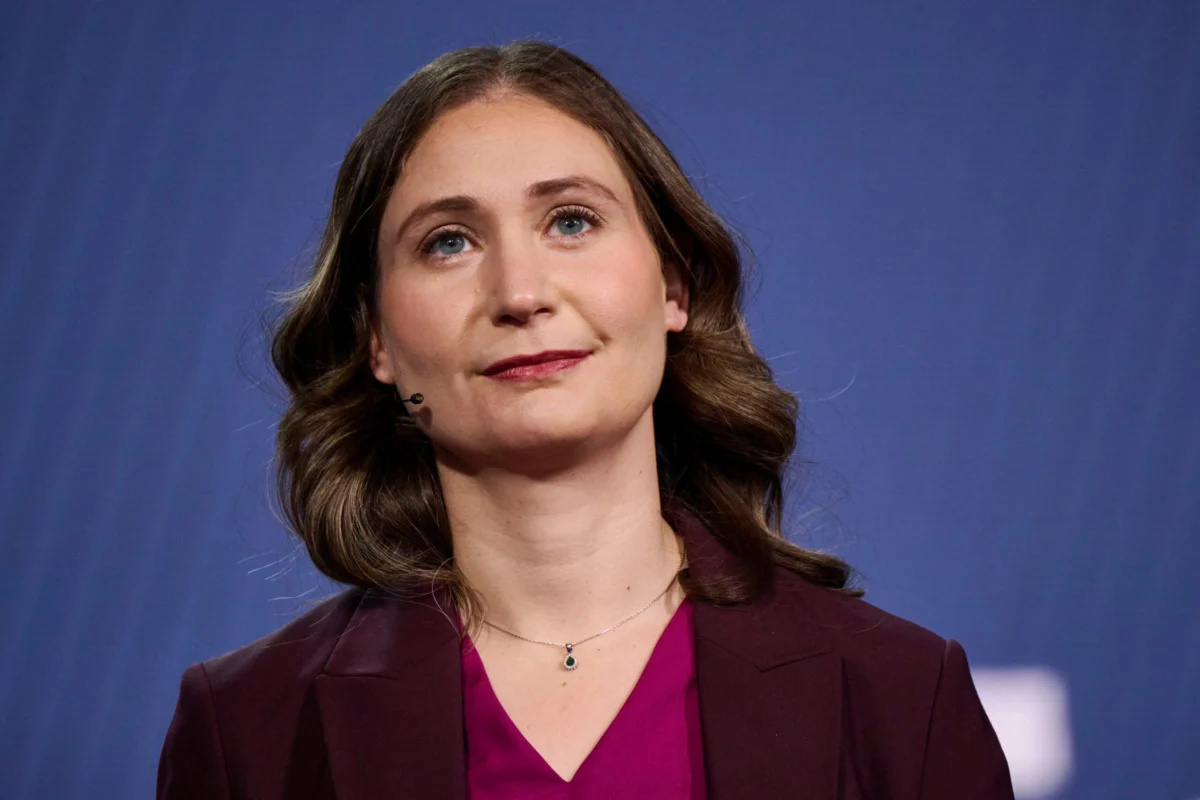
As the company transitions to a public entity, oversight of executive compensation will fall to a committee composed of individuals with deep ties to the firm. The compensation committee is chaired by Vas Narasimhan, CEO of Novartis, who invested $10 million in Anthropic shortly after joining the board. He is joined by Yasmin Razavi, a general partner at Spark Capital, a firm that has deployed $777 million into Anthropic since 2023.
The presence of these investors on the compensation committee suggests that while the current egalitarian structure is intact, the board will eventually face pressure to align pay with market benchmarks and individual performance. The lockup period for the founders adds another layer of complexity; while all seven are listed as selling stockholders, they are restricted from offloading their shares until at least six months after the IPO, with the remainder becoming eligible for sale after one year. Some founders have already begun to monetize their stakes through private tender offers, such as the April transaction where the Amodeis sold shares at $25.91 per share.
Implications for the AI Industry
Anthropic’s IPO will be a litmus test for the sustainability of "founder-led" AI labs in the public market. The tension between maintaining a flat, mission-focused culture and the demands of public shareholders for accountability and clear leadership hierarchies is profound. By choosing to formalize a broad, equal distribution of equity, Anthropic is signaling to the market that it views its core team as a collective asset rather than a single-leader organization.
Whether this model can survive the rigors of quarterly earnings calls, activist investor scrutiny, and the inevitable shifts in the competitive AI landscape remains to be seen. If the strategy succeeds, it could set a new industry standard for how "frontier" technology companies reward their founding scientists. If it falters, it may be remembered as an idealistic but impractical experiment in corporate structure. For now, the "magnificent seven" of Anthropic remain in lockstep, both in their equity holdings and in their public-facing mission to steer the development of safe and responsible artificial intelligence. As the IPO date approaches, the eyes of Wall Street will remain fixed on whether this cooperative, egalitarian model can deliver the same market dominance as the more traditional, top-down structures of its predecessors.