For decades, nutritional science has delivered a remarkably consistent, albeit simplified, message regarding plant-based diets: eat your fiber, protect your gut, and enjoy lifelong wellness. The conventional narrative positioned dietary fiber as the undisputed hero of gastrointestinal health—a non-digestible carbohydrate acting as sweepstakes fuel for the trillions of microorganisms residing in the human lower intestine. However, a sweeping body of new research emerging from the Princeton Branch of the Ludwig Institute for Cancer Research is fundamentally rewriting this biological script. Scientists have discovered that dietary fiber is merely one chapter in a much more complex metabolic story.
Two landmark studies, spearheaded by researcher Jenna AbuSalim and Joshua Rabinowitz, director of the Princeton Branch of the Ludwig Institute for Cancer Research, have brought this paradigm shift to light. The investigations reveal that certain overlooked plant proteins—which resist digestion just like fiber—play an unexpectedly pivotal role in sculpting the gut microbiome. Simultaneously, a companion study shatters a foundational dogma of modern microbiology by proving that many of the chemical compounds long assumed to be manufactured exclusively by gut bacteria are actually synthesized directly by human mammalian cells.
Published respectively in the Proceedings of the National Academy of Sciences (PNAS) and Nature Metabolism, these findings promise to alter everything from future nutritional labeling and dietary guidelines to the development of microbiome-targeted therapies for cancer, kidney disease, and metabolic disorders. As medical disciplines increasingly look to manipulate the human microbiome for therapeutic gains, these discoveries provide the precise chemical roadmap required to make such interventions successful.
Unlocking the Chemistry of Phenol Metabolites
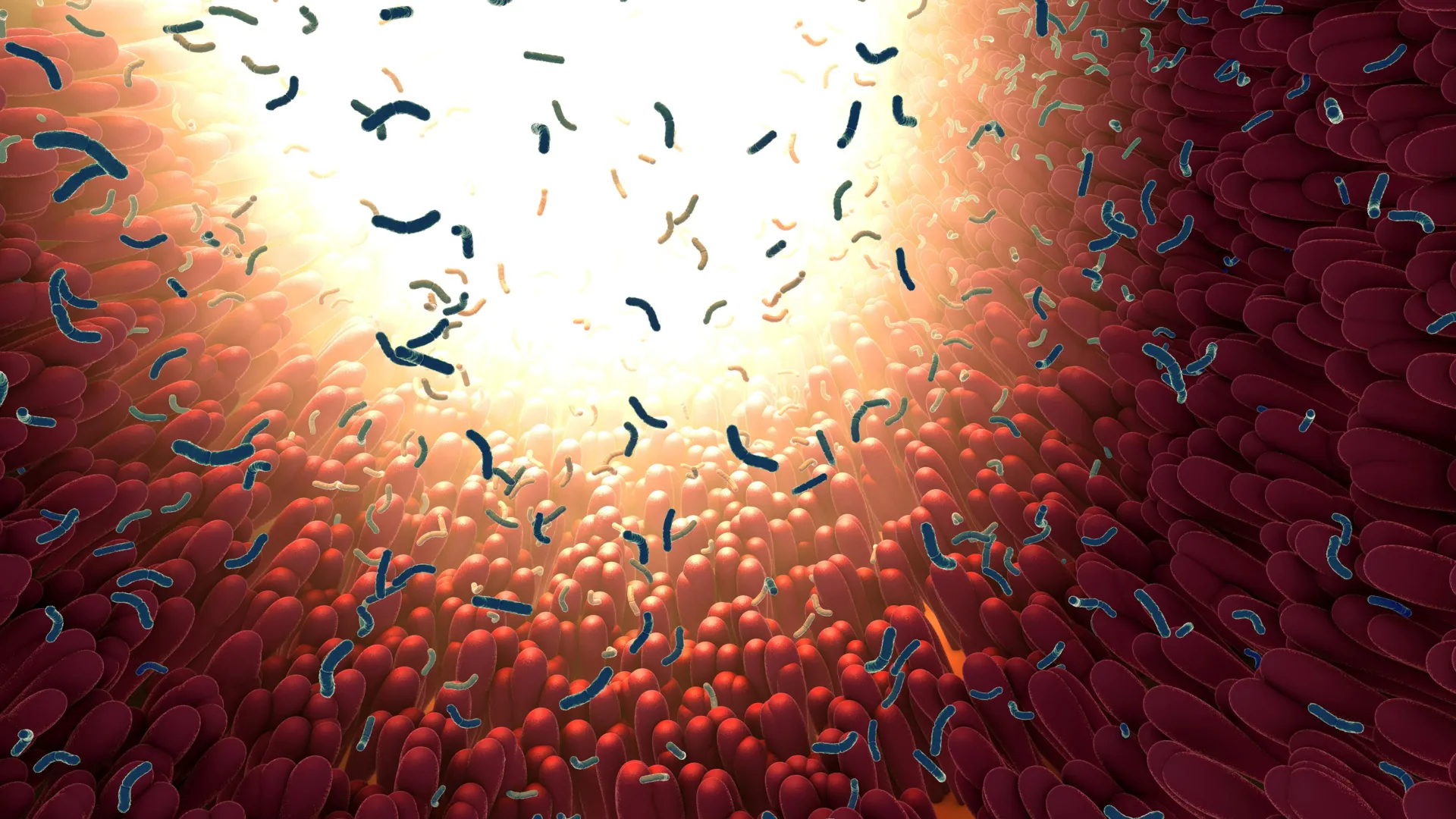
To comprehend the magnitude of these findings, one must examine the intricate biochemical landscape of the human gut. When humans consume food, the digestive tract breaks macronutrients down into fundamental building blocks. However, components that escape upper-gut digestion pass into the colon, where they are metabolized by the dense community of microorganisms collectively known as the gut microbiome. These microbes transform nutrients into secondary chemicals known as metabolites, which subsequently enter the bloodstream and circulate throughout the body, influencing physiological systems ranging from cardiovascular health to immune function.
Among these metabolic byproducts, a specific class called phenol metabolites has drawn intense scrutiny from researchers. Phenol metabolites are generated when gut bacteria process two specific amino acids: tyrosine and phenylalanine. Though both amino acids are common components of dietary proteins, the metabolic outcomes of their bacterial processing diverge dramatically in their biological effects.
Two particular metabolites derived from phenylalanine—phenylpropionate and hippuric acid—have repeatedly been associated in clinical studies with healthy body weight, optimal metabolic function, and robust gastrointestinal barrier integrity. Conversely, two compounds derived from tyrosine—p-cresol sulfate and phenol sulfate—exhibit markedly darker profiles. These tyrosine-derived metabolites have been directly linked to adverse clinical outcomes in cancer patients and systemic toxicity in individuals suffering from chronic kidney disease, where their accumulation exacerbates renal decline and vascular damage.
For years, scientists understood that diet influenced microbial populations, but the precise dietary levers controlling the production of beneficial versus harmful phenol metabolites remained obscure. The PNAS study conducted by AbuSalim and Rabinowitz sought to bridge this critical knowledge gap.
The Discovery of Prif: Proteins Imitating Fiber
In their investigation of dietary inputs, the research team focused on a category of substances they have termed "proteins imitating fiber," or Prif. While nutritionists and food scientists have exhaustively cataloged the physiological impacts of dietary fiber—such as cellulose, hemicellulose, and pectin—indigestible plant proteins have largely escaped rigorous study. These are intact or partially structured proteins native to plant tissues that successfully navigate the human stomach and small intestine without being fully hydrolyzed by gastric acids or host enzymes.
When these proteins reach the large intestine, they do not simply pass through inertly. Instead, they serve as a rich, alternative substrate for bacterial metabolism. Through carefully controlled experiments utilizing stable isotope tracing in murine models, the researchers tracked the exact trajectories of these dietary molecules.
The data yielded a revelation: Prifs do not act in isolation; rather, they cooperate synergistically with dietary fiber to fundamentally alter the behavior of intestinal bacteria. When both fiber and Prifs are present in adequate quantities, they induce a profound chemical shift in the gut ecosystem. Specifically, this combination suppresses the bacterial generation of harmful, tyrosine-derived metabolites while supercharging the production of beneficial, phenylalanine-derived compounds.
In effect, Prifs supply the microbiome with an abundant, alternative nitrogen and carbon source, steering bacterial enzymatic machinery away from dangerous metabolic pathways. According to the researchers, this upends the traditional view that nutritional value is dictated solely by recognized fiber concentrations, vitamins, and minerals. The precise quantity and structural composition of proteins escaping upper-gut digestion are now recognized as critical determinants of metabolic health.
Protecting the Intestinal Barrier
Perhaps the most striking mechanistic insight yielded by the isotope-tracing methodology involves the precise origin of the raw materials used to manufacture harmful metabolites. By labeling dietary proteins with non-radioactive stable isotopes—giving the molecules a distinct, trackable chemical signature without introducing radioactivity—the research team was able to pinpoint precisely where gut bacteria harvested the building blocks for toxic phenols.
The experiments revealed a stark dichotomy. While beneficial phenol metabolites were synthesized almost entirely from the indigestible plant proteins supplied by food (Prifs), the potentially harmful phenols originated from a much more concerning source: the host’s own bodily proteins.
Specifically, when dietary fiber and alternative protein sources ran scarce in the murine digestive tracts, gut bacteria began degrading host-derived proteins, including the vital glycoproteins comprising the mucosal lining of the intestines. This protective mucus layer acts as a critical physical barrier separating trillions of luminal microbes from the delicate epithelial cells lining the host’s gut, playing an indispensable role in immune regulation and preventing chronic systemic inflammation.
When fiber intake plummeted, starving microbes resorted to consuming this protective mucosal shield, inadvertently generating harmful phenols in the process. Dietary fiber acted as a metabolic shield, preserving the mucosal layer by satisfying bacterial energetic demands, while Prifs actively promoted the synthesis of health-promoting metabolites.
"We think Prifs represent an emerging class of dietary nutrients that shape the composition of the gut microbiome and could have a far-reaching influence on metabolic health," noted Jenna AbuSalim. The implications of this discovery are vast enough that lead investigator Joshua Rabinowitz half-jokingly suggested a future for food science packaging: "Food packaging may eventually list Prif right below fiber."
Challenging Microbiome Dogma: The Nature Metabolism Study
While the PNAS investigation reshaped the understanding of dietary inputs, the companion study published in June in Nature Metabolism challenged an even more deeply entrenched dogma regarding the origins of circulating bodily metabolites.
For decades, the mainstream scientific consensus held that numerous vital chemical compounds found in human blood—particularly indole metabolites derived from the amino acid tryptophan—originated exclusively from the metabolic labor of intestinal bacteria. Tryptophan-derived indoles have occupied center stage in biomedical research due to their profound involvement in inflammation, neurodegeneration, inflammatory bowel disease (IBD), and oncology. Certain indoles are known to modulate the immune system’s capacity to recognize and destroy tumors, while others influence the central nervous system through the gut-brain axis.
Because these compounds were universally believed to be bacterial byproducts, a multi-billion-dollar therapeutic industry emerged focused on manipulating the microbiome. Probiotics, prebiotics, and specialized dietary formulations were designed with the explicit goal of steering microbial populations to increase beneficial indole output.
However, this therapeutic architecture rested on an untested assumption: that intestinal microbes were indeed responsible for producing the vast majority of these circulating metabolites. If mammalian host cells were actually capable of synthesizing substantial quantities of these compounds independently, altering the microbiome through diet or probiotics might prove entirely ineffective for modulating their systemic levels.
To test this hypothesis, the research team deployed advanced isotope tracing across mouse, rat, and human cellular models. The results directly contradicted decades of textbook biochemistry.
Mammalian cells, it turned out, possess the intrinsic biochemical machinery to generate numerous phenol and indole metabolites independently of any microbial assistance. Among these endogenously produced compounds were indole-3-lactate and indole-3-acetate—two biologically active molecules that had long been classified as undisputed markers of microbial metabolism.
To further validate these surprising insights, the researchers analyzed metabolite concentrations following the administration of broad-spectrum antibiotics designed to eradicate the intestinal microbiome. If metabolites like indole-3-lactate relied strictly on bacterial synthesis, their concentrations in the bloodstream should have crashed to near-zero following antibiotic deployment.
Instead, many of these metabolites remained at substantial, robust levels in the blood of both antibiotic-treated laboratory animals and human patients undergoing antibiotic therapy, including individuals receiving active cancer treatments. Conversely, other compounds—such as indole-3-propionate and p-cresol sulfate—vanished entirely, confirming that they were indeed strictly dependent on microbial processing.
This clear distinction between host-derived and microbe-derived metabolites provides a critical cautionary tale for translational medicine. It demonstrates that future therapeutic interventions aiming to alter systemic chemical profiles must account for both the metabolic output of the microbiome and the independent, internal metabolic capabilities of the human host.
Broader Implications for Medicine and Nutrition
The convergence of these two studies establishes a new methodological and conceptual framework for nutritional science and clinical medicine. By illuminating the cooperative mechanics of plant fiber and indigestible proteins (Prifs), and by dismantling assumptions regarding the exclusive microbial origins of vital metabolites, the research opens several distinct avenues for future inquiry:
-
Nutritional Precision and Food Labeling: As researchers map the specific metabolic pathways influenced by Prifs, public health agencies and private food manufacturers may eventually revise dietary guidelines to emphasize not just total fiber intake, but the quality and quantity of non-digestible plant proteins. Food labeling could evolve to provide consumers with transparency regarding the protein structures that survive upper-gut digestion.
-
Oncology and Cancer Therapeutics: Given that certain harmful phenol metabolites exacerbate tumor progression and worsen clinical outcomes in cancer patients—while specific indoles assist immune surveillance—understanding the precise dual origins of these chemicals (host vs. microbe) will allow oncologists to design more effective dietary adjuncts during chemotherapy and immunotherapy.
-
Nephrology and Chronic Kidney Disease: Patients with advanced renal failure suffer heavily from the systemic accumulation of toxic protein-derived metabolites like p-cresol sulfate, which healthy kidneys normally filter out. Dietary interventions that strategically deploy fiber and Prif combinations to shut down the bacterial production of these specific uremic toxins could alleviate disease severity and slow renal decline.
-
Tailored Microbiome Interventions: The realization that the human body synthesizes many metabolites previously credited to bacteria means that clinicians can no longer rely on a one-size-fits-all approach to probiotics. Therapies must be custom-tailored based on whether a patient’s deficit in a given metabolite stems from microbial dysbiosis or intrinsic host metabolic dysfunction.
A Call for Clinical Translation
Despite the profound implications of these discoveries, the researchers emphasize a necessary note of scientific caution. The vast majority of the experimental data supporting these conclusions was generated using animal models (mice and rats) and in vitro human cell cultures. Translating these complex biochemical mechanisms into validated, long-term dietary recommendations and clinical therapies for human populations will require rigorous, large-scale human clinical trials.
Nevertheless, the foundational clarity provided by AbuSalim, Rabinowitz, and their colleagues marks an irreversible step forward. By peering past the traditional boundary of dietary fiber and uncovering the hidden biochemical interplay of Prifs, host mucosal preservation, and endogenous mammalian metabolism, science is finally catching up to the ancient wisdom of plant-based nutrition.
As these insights transition from the laboratory bench to clinical practice, they promise to sharpen the tools available to doctors and nutritionists, transforming vague dietary advice into precise, molecularly targeted strategies for disease prevention and human longevity.
Funding for these groundbreaking studies was provided by the Ludwig Institute for Cancer Research, the National Institutes of Health (NIH), the National Institute of Diabetes and Digestive and Kidney Diseases (NIDDK), the Princeton Alliance for Collaborative Research and Innovation, and Princeton University. Joshua Rabinowitz serves as Director of the Princeton Branch of the Ludwig Institute for Cancer Research, Professor in the Department of Chemistry & Lewis-Sigler Institute for Integrative Genomics, and is an active member of the Rutgers Cancer Institute.