Black Lives Matter: A Visual Chronicle of a Movement Through the Lens of Photographers
The Black Lives Matter (BLM) movement, a global phenomenon demanding racial justice and an end to systemic racism and police brutality, has been profoundly shaped and amplified by the power of visual storytelling. Photographers, both established and emerging, have risked their safety and dedicated their craft to documenting protests, personal stories, and the broader societal impact of the movement. This photo essay explores the critical role of Black Lives Matter artists – specifically photographers – in capturing the raw emotion, resilience, and unwavering resolve of those fighting for equality. These images are not merely documentation; they are acts of activism, offering vital perspectives that challenge dominant narratives and foster empathy. Through their lenses, these artists have created a powerful visual archive, preserving the history of this crucial moment for future generations and serving as a constant reminder of the ongoing struggle for liberation.
The genesis of the Black Lives Matter movement in 2013, sparked by the acquittal of George Zimmerman in the shooting death of Trayvon Martin, was met with initial, often fragmented, media coverage. However, as protests grew in response to subsequent killings of Black individuals by law enforcement, the role of independent photographers became indispensable. These artists, often embedded within communities, were able to capture the authentic spirit of the demonstrations, moving beyond sensational headlines to reveal the depth of pain, anger, and solidarity. Their work has consistently centered the experiences of Black communities, providing an unfiltered look at the human cost of racial injustice. Images of peaceful marches interwoven with moments of intense confrontation, the grieving faces of families, and the defiant stances of protestors all contribute to a multifaceted understanding of the movement’s complexity. This visual discourse challenges generalizations and offers nuanced narratives that are crucial for genuine societal change.
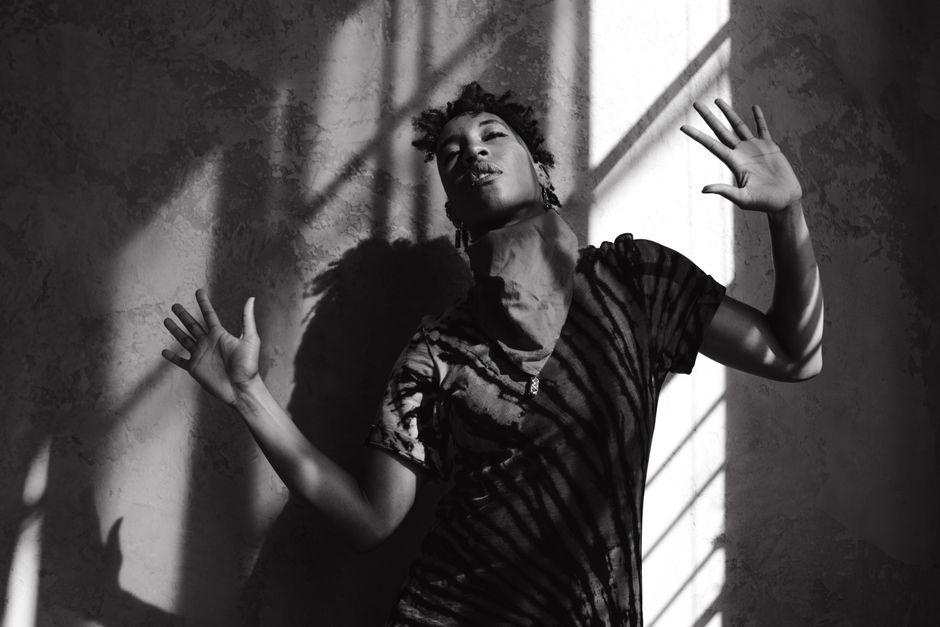
One of the most striking aspects of Black Lives Matter photo essays is their ability to convey a spectrum of emotions with potent clarity. Photographers have masterfully captured the collective grief that often underpins the movement, depicting mothers weeping over lost children, or crowds united in somber reflection. Simultaneously, their work highlights the indomitable spirit of resilience. Images of protestors raising their fists, chanting slogans, or holding signs emblazoned with powerful messages – "I Can’t Breathe," "Say Her Name," "Justice for All" – become potent symbols of resistance. These visual narratives don’t shy away from the confrontational aspects of activism, but they also illuminate the profound sense of community and shared purpose that fuels the movement. The visual language employed by these artists often utilizes stark contrasts, powerful compositions, and an acute awareness of light and shadow to amplify the emotional resonance of their subjects.
The concept of "Say Her Name" has been a particularly significant theme within BLM photo essays. When Black women and girls are victims of police violence, their stories are often marginalized or forgotten. Photographers have made a conscious effort to rectify this by prominently featuring images of victims like Breonna Taylor, Sandra Bland, and Atatiana Jefferson, often alongside portraits of their grieving families and supporters. These visual tributes serve not only as memorials but also as powerful calls to action, demanding that these lives be recognized and that justice be served. The repetition of their names and faces through photography ensures that their experiences are not erased and that their legacies continue to inspire the fight for accountability. This deliberate focus on often-overlooked victims underscores the intersectional nature of racial injustice and the need for a comprehensive approach to dismantling oppressive systems.
Beyond the immediate documentation of protests, Black Lives Matter photo essays have also delved into the lived experiences of Black communities, showcasing the systemic issues that the movement seeks to address. This includes depicting disparities in education, healthcare, and economic opportunity, as well as the lingering impact of historical trauma. Photographers have also used their platforms to highlight acts of resistance that extend beyond street demonstrations, such as community organizing, artistic expression, and educational initiatives. These broader visual narratives offer a more holistic understanding of the movement’s aims, demonstrating that the fight for Black lives is not solely about ending police brutality but also about achieving full liberation and equity across all facets of life. The visual storytelling often employs intimate portraits, everyday scenes, and symbolic imagery to connect viewers to the deeper, often unseen, realities faced by Black individuals.
The accessibility of digital platforms has revolutionized the dissemination of Black Lives Matter photo essays. Social media, online galleries, and independent media outlets have become crucial spaces for photographers to share their work directly with a global audience, bypassing traditional gatekeepers. This democratization of visual storytelling has allowed for a more diverse range of voices and perspectives to emerge, challenging the dominant media narratives that often perpetuate stereotypes or sensationalize the movement. Hashtags like #BlackLivesMatter, #SayHerName, and #JusticeNow have facilitated the virality of these images, creating a powerful visual dialogue that transcends geographical boundaries. This immediate and widespread dissemination ensures that the urgency and importance of the movement are continuously communicated.
However, the act of photographing the Black Lives Matter movement is not without its risks. Photographers, particularly those from Black and marginalized communities, often face harassment, intimidation, and even violence from law enforcement and counter-protestors. The dedication of these artists to their craft, even in the face of such dangers, underscores their commitment to bearing witness and ensuring that the truth is documented. Their courage in capturing these often-volatile situations is a testament to their belief in the power of photography as a tool for social change. Many of these photographers are not just observers; they are active participants in the communities they document, bringing a unique understanding and perspective to their work.
The legacy of Black photojournalism has deeply informed the visual language of the Black Lives Matter movement. Artists drawing inspiration from pioneers like Gordon Parks, Ernest Withers, and Jamel Shabazz have continued to build upon a rich tradition of documenting Black experiences with dignity, complexity, and unflinching honesty. Parks’ iconic photographs of the Civil Rights Movement, for instance, showed the humanity and resilience of Black Americans facing oppression. Similarly, Withers captured the everyday lives and struggles of Black communities in the South. Contemporary BLM photographers often echo these themes, using portraiture, street photography, and documentary approaches to create powerful visual narratives that resonate with historical context. This connection to a lineage of Black artistic activism provides a strong foundation for the current movement’s visual representation.
The power of a single image to ignite conversation and inspire action cannot be overstated. Photographs of George Floyd’s murder, of Breonna Taylor’s blood-stained apartment, or of the tear-gassed protestors in Lafayette Square have become indelible symbols of the movement, seared into the collective consciousness. These images transcend mere reporting; they are visceral calls for accountability and justice. Photo essays compile these individual moments into a larger narrative, demonstrating the pervasive nature of police brutality and the widespread demand for reform. The careful curation of these images within a photo essay allows for a deeper exploration of themes and a more profound emotional impact on the viewer.
The impact of these photo essays extends beyond raising awareness; they also serve as vital historical archives. In a world increasingly saturated with fleeting digital content, these carefully composed and powerfully resonant images offer a tangible record of a transformative period in history. They provide future generations with an unvarnished account of the struggles, triumphs, and enduring spirit of the Black Lives Matter movement. By meticulously documenting protests, individual stories, and the societal impact of the movement, these photographers are creating a visual legacy that will inform, inspire, and challenge for years to come. The meticulous attention to detail, the narrative arc, and the emotional depth found in these essays ensure their lasting significance.
Furthermore, Black Lives Matter photo essays are instrumental in challenging dominant narratives and dismantling racist stereotypes. By centering Black voices and experiences, these images offer a counter-narrative to the often-biased portrayals found in mainstream media. They reveal the humanity, diversity, and strength of Black communities, humanizing those who are too often dehumanized by systemic racism. The visual evidence presented in these essays serves as irrefutable proof of the ongoing fight for equality and the urgent need for systemic change. This act of visual reclamation is a powerful form of resistance in itself, asserting the right of Black people to define their own stories and images.
The economic realities of photography as an art form and a profession are also relevant to the Black Lives Matter movement. Many of the photographers documenting the movement are independent artists who rely on grants, commissions, and sales of their work to sustain themselves. The increasing visibility and demand for their work within the context of BLM have provided opportunities for some, but the struggle for equitable compensation and recognition for Black artists remains a critical issue. Supporting these artists, both through patronage and through amplifying their work, is an essential aspect of empowering the movement’s visual storytelling. Ensuring that these artists are fairly compensated for their vital contributions is a matter of economic justice in itself.
Looking ahead, the ongoing evolution of Black Lives Matter photo essays will undoubtedly continue to push the boundaries of visual storytelling. As the movement adapts and expands, so too will the approaches and perspectives of the photographers documenting it. Emerging technologies, such as drone photography and interactive digital platforms, may offer new ways to capture and present the complexities of the struggle. Regardless of the technological advancements, the core mission remains the same: to bear witness, to amplify marginalized voices, and to use the power of the image to drive social change and advocate for a more just and equitable world for Black lives. The enduring power of the photograph, when wielded by committed artists, will continue to be a cornerstone of this vital movement.
