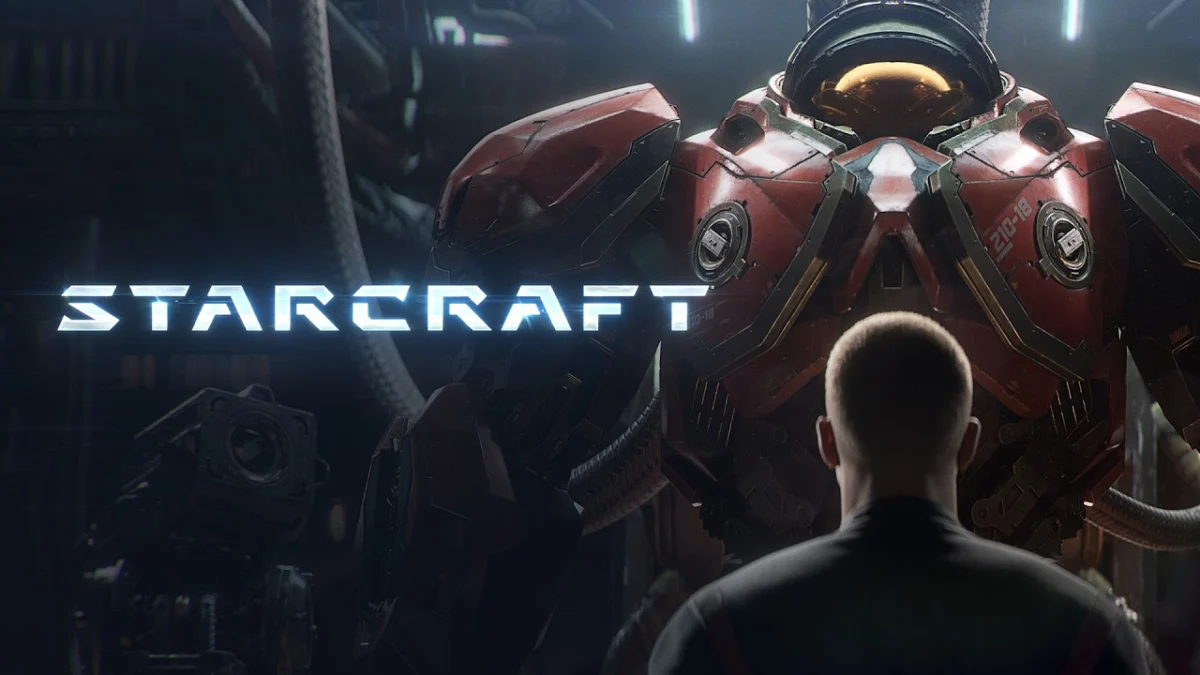
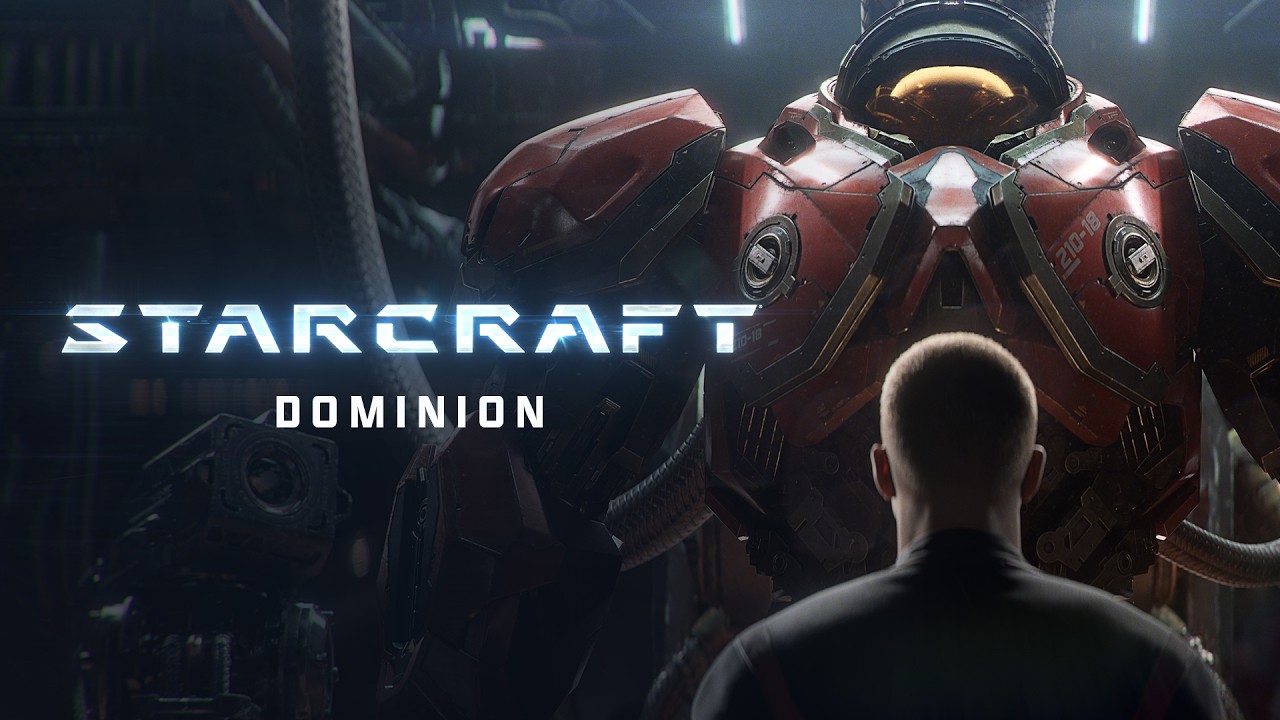
Blizzard Entertainment made a monumental splash over the weekend at BlizzCon 2026, delivering a series of high-profile announcements that included the reveal of Diablo 5 and a fresh expansion for Warcraft 3. However, the convention’s headline-stealing moment belonged to the science-fiction division, as the studio officially confirmed the long-rumored return of its iconic StarCraft franchise. Breaking away from its traditional real-time strategy (RTS) roots, the upcoming project—tentatively titled StarCraft: Dominion based on its debut cinematic—is slated as a narrative-driven, open-world third-person shooter targeted for a 2030 launch.
This announcement arrives sixteen years after the initial release of StarCraft 2 in 2010, ending more than a decade of uncertainty regarding the future of the beloved intellectual property. Creative Director Dan Hay, recognized widely for his pivotal work on Ubisoft’s modern Far Cry franchise, is spearheading the project. According to early developer briefings and the cinematic reveal, the game is set approximately 70 years after the conclusion of the StarCraft 2 trilogy, exploring a largely uncharted era of the Koprulu Sector. Unlike many contemporary AAA releases, Blizzard has explicitly positioned the title as a definitive, single-player-focused experience with a concrete narrative arc, eschewing live-service mechanics, seasonal content models, and recurring battle passes—at least in its current stage of development.
Chronology of a Franchise Reborn
To understand the magnitude of Blizzard’s announcement, one must examine the timeline of the StarCraft universe, which has remained largely dormant in terms of mainline releases for over a decade.
- 1998: Blizzard Entertainment releases the original StarCraft, alongside its critically acclaimed expansion, StarCraft: Brood War, establishing a foundational pillar for the competitive real-time strategy genre.
- 2010–2016: The release of StarCraft 2 unfolds across three distinct chapters: Wings of Liberty (2010), Heart of the Swarm (2013), and Legacy of the Void (2015), culminating in the Nova Covert Ops mission packs in 2016. Following this, active development on new StarCraft content slows significantly, with key team members transitioning to other projects.
- 2020–2025: Rumors persistently swirl regarding various spin-off concepts within Blizzard, including canceled first-person shooter projects codenamed "Ares," but no official mainline titles are greenlit as the company undergoes major corporate restructuring and its eventual acquisition by Microsoft.
- 2026: BlizzCon 2026 serves as the official resurrection venue. Blizzard pulls back the curtain on StarCraft: Dominion, setting an ambitious global release window of 2030 and confirming a radical genre pivot to a third-person, open-world narrative shooter.
Shifting Perspectives: From Strategy to the Trenches
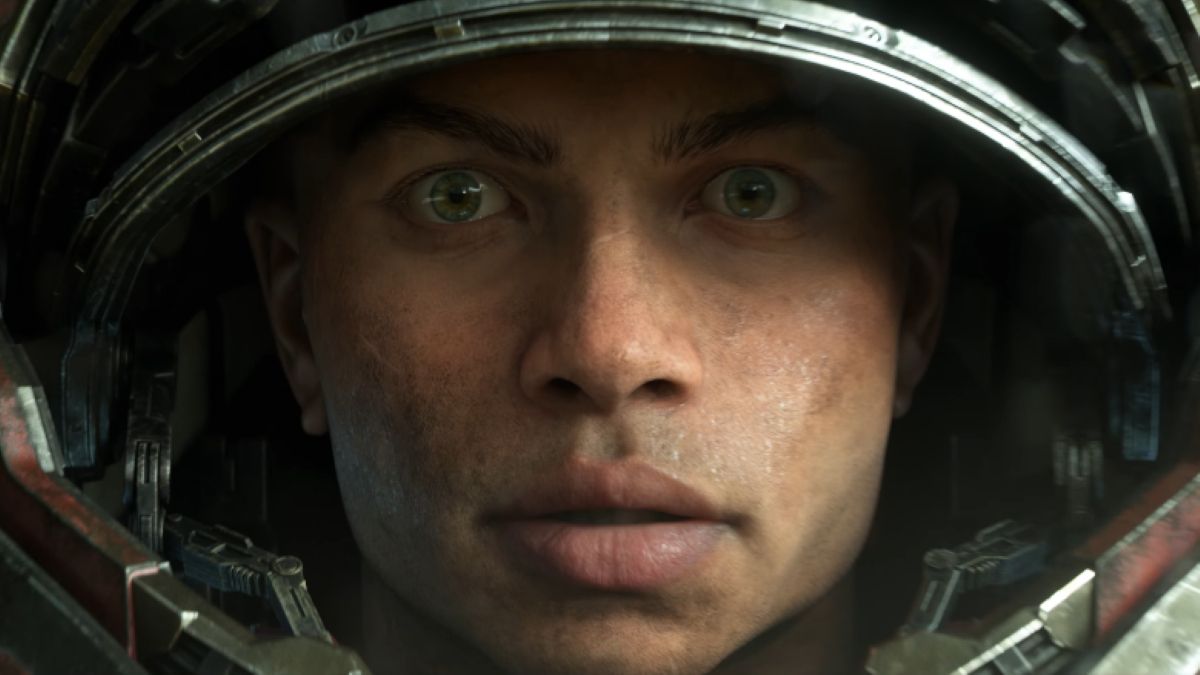
The cornerstone of the BlizzCon reveal was a high-fidelity cinematic trailer that starkly contrasted with the macro-level perspective historically associated with the franchise. While traditional StarCraft gameplay requires players to command armies from an omniscient, top-down tactical viewpoint, the new title plunges the audience directly into the boots of a Confederate Marine facing the relentless terror of the Zerg swarm.
The trailer depicts a grim, visceral interpretation of the universe, illustrating the staggering human cost of the ongoing interstellar conflict. Thousands of marine units are deployed into a chaotic combat zone, highlighting the brutal reality of frontline warfare against an adaptive hive-mind species. Creative Director Dan Hay emphasized during post-reveal panels that the development team is heavily focused on ensuring players "feel powerful" while navigating this hostile environment. By choosing a third-person perspective rather than a first-person view, Blizzard aims to balance immersive combat encounters with the ability for players to visibly customize and appreciate the iconic, bulky power armor that has defined the franchise’s aesthetic for nearly thirty years.
Industry Context and Market Implications
The decision to transition StarCraft from an RTS monolith into an open-world narrative shooter reflects broader shifts in the AAA gaming landscape. Over the past decade, traditional real-time strategy games have struggled to achieve the massive, mainstream commercial success commanded by action-adventure titles, open-world RPGs, and tactical shooters.
By pivoting toward a third-person narrative format, Blizzard is stepping into a genre space recently energized by titles like Arrowhead Game Studios’ Helldivers and Saber Interactive’s Warhammer 40,000: Space Marine 2. The latter proved that mature, action-heavy adaptations of dense sci-fi military lore can achieve tremendous critical and commercial resonance. However, whereas Space Marine 2 relied primarily on a linear level structure, Blizzard’s choice of an open-world design signals an ambition to offer greater player agency and environmental exploration.
Furthermore, the choice to eschew live-service trends in favor of a standalone, narrative-driven experience marks a deliberate strategic pivot for Blizzard under Microsoft’s broader corporate umbrella. In an industry increasingly saturated by perpetually online, games-as-a-service (GaaS) models plagued by fatigue, a high-budget, single-player sci-fi epic with a definitive beginning, middle, and end may serve as a powerful differentiator for the studio.
Fan Reactions and Community Discourse
The announcement has elicited a complex spectrum of reactions from the passionate StarCraft community. Longtime RTS purists, who have kept the competitive scene alive through StarCraft: Remastered and community balance patches for StarCraft 2, have expressed mixed feelings regarding the abandonment of the franchise’s strategy roots. Concerns remain over whether Blizzard will ever return to the top-down tactical formula that built the game’s legendary eSports legacy.
Conversely, narrative enthusiasts and modern action-gamers have enthusiastically embraced the announcement. The prospect of exploring the Koprulu Sector through an intimate, ground-level storytelling lens offers a fresh avenue for universe-building. The deep lore surrounding the Terran Dominion, the remnants of Raynor’s Raiders, and the ever-evolving Zerg and Protoss factions provides an expansive sandbox for writers to explore decades after the fall of Amon.
Looking Ahead to 2030
With a tentative release window four years away, concrete gameplay footage remains under wraps, leaving many industry analysts and fans waiting to see how Blizzard translates the intricate mechanics of StarCraft factions into an open-world third-person action framework. Questions linger regarding whether cooperative multiplayer components will accompany the single-player campaign, or if the title will remain strictly solo-focused.
As development ramps up under Dan Hay’s leadership, StarCraft: Dominion stands as one of the most ambitious and risky ventures in Blizzard’s recent history. Whether the studio can successfully bridge the gap between its strategic heritage and modern action-adventure standards will remain one of the most closely watched storylines in the gaming industry as the road to 2030 unfolds.