Pancreatic cancer has long remained one of the most formidable and treatment-resistant malignancies in modern oncology, but a team of researchers at the Sylvester Comprehensive Cancer Center—part of the University of Miami Miller School of Medicine—is preparing to test a groundbreaking strategy designed to dismantle the disease’s protective biological fortress. By focusing on a crucial receptor known as IL1RAP, which helps coordinate the dense network of cells shielding tumors from standard therapies, the scientific team is advancing toward a first-of-its-kind neoadjuvant clinical trial. This upcoming trial will combine an IL1RAP-targeted therapy with conventional chemoimmunotherapy for patients diagnosed with operable pancreatic cancer, administering the treatment regimen prior to surgical removal in an effort to alter the tumor microenvironment and significantly improve long-term patient outcomes.
The urgency driving this research is underscored by the notoriously grim statistics surrounding pancreatic cancer. According to epidemiological data from the American Cancer Society, pancreatic cancer accounts for a disproportionate share of cancer-related deaths globally, typically boasting a five-year relative survival rate hovering near 13 percent. This high mortality rate is largely attributed to late diagnoses and an extraordinary resistance to conventional therapeutic modalities, including chemotherapy, radiation, and emerging immunotherapies. While recent scientific breakthroughs—such as novel KRAS-targeted therapies—have shown immense promise in extending survival for patients battling metastatic disease, translating these advances to patients with localized, surgically removable tumors is projected to take years of meticulous clinical investigation. Consequently, there remains an immediate and desperate clinical need for innovative strategies that can render early-stage and operable tumors more vulnerable to existing and emerging treatments.
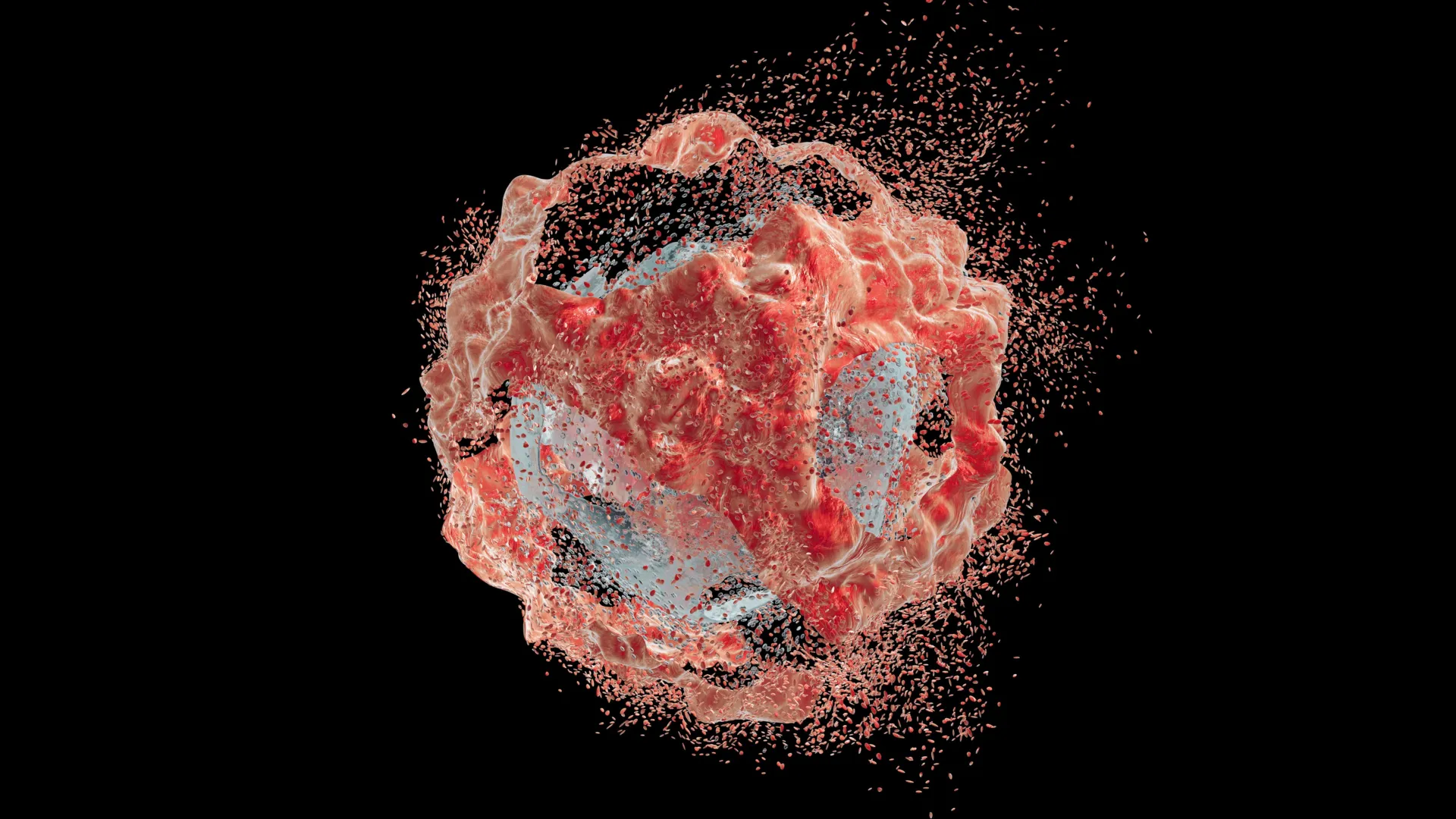
At the heart of the newly published study, which appeared in the peer-reviewed journal JCI Insight, is an investigation into the complex ecosystem surrounding pancreatic tumors. Unlike many other cancer types that exist as isolated clusters of malignant cells, pancreatic tumors are deeply embedded within a notoriously resilient tumor microenvironment (TME). This microenvironment is composed of a dense matrix of structural tissues, cancer-associated fibroblasts, and various immune cells that actively collaborate to promote tumor survival, stimulate unchecked growth, and block the body’s natural immune response.
The Sylvester research team, led by senior author Dr. Jashodeep Datta—a prominent pancreatic and hepatobiliary surgical oncologist and co-leader of the Gastrointestinal Site Disease Group at Sylvester—discovered that the receptor protein IL1RAP acts as a master coordinator within this destructive network. Specifically, IL1RAP serves as a shared signaling conduit that allows tumor cells, immunosuppressive cells, and fibroblasts to communicate and maintain a united front against medical interventions.
"When we target IL1RAP, we are blocking a shared ‘helper’ receptor that many inflammatory signals rely on to transmit their message," explained Dr. Datta. By functioning as a centralized control point for multiple inflammatory pathways, IL1RAP enables pancreatic tumors to sustain an environment that is simultaneously intensely inflamed and profoundly immune-suppressed. This paradox—an inflamed yet immune-evasive microenvironment—is a primary reason why standard chemotherapeutic agents and immunotherapies frequently fail to elicit a durable response in pancreatic cancer patients. High expression levels of IL1RAP actively help maintain both rapid tumor proliferation and robust treatment resistance.
Disrupting the Inflammatory Network: Preclinical Findings and Mechanisms
To determine whether disabling this receptor could dismantle the tumor’s defenses, Dr. Datta and his colleagues conducted a series of rigorous preclinical studies. By inhibiting IL1RAP in laboratory models, the research team observed profound alterations within the tumor microenvironment. Most notably, the population of immune-suppressive cells—which typically act as cellular shields preventing T cells from attacking the cancer—shrank significantly.
Concurrently, infiltrating T cells became markedly more active, regaining their cytotoxic capability to recognize and destroy malignant cells. Furthermore, the structural makeup of the tumor changed: the dense, fibrotic scar tissue characteristic of pancreatic cancer, known as desmoplasia, was substantially reduced. This reduction in fibrosis effectively lowered the physical barriers that typically prevent therapeutic drugs from penetrating the tumor core, allowing subsequent combination treatments to work with dramatically increased efficacy.
Rather than relying solely on traditional cytotoxic approaches aimed strictly at directly killing cancer cells, the strategy pioneered by the Sylvester team represents a paradigm shift toward environmental conditioning. By altering the surrounding cellular ecosystem that nourishes and protects the malignancy, researchers hope to prime the tumor for destruction, making standard therapeutic regimens far more potent than they would be in an unaltered, highly guarded microenvironment.
The Path to the Clinic: Designing the Neoadjuvant Trial
Building upon these compelling preclinical discoveries, the research team successfully secured the translational foundation necessary to transition the strategy from the laboratory bench to human clinical trials. Sylvester Comprehensive Cancer Center is now actively advancing toward a groundbreaking neoadjuvant clinical trial.
In oncology, neoadjuvant therapy refers to treatment administered before the primary surgical procedure, designed to shrink the tumor, eradicate microscopic disease, and test the biological responsiveness of the cancer in real time. In this upcoming trial, patients diagnosed with operable pancreatic cancer will receive the novel IL1RAP-targeted treatment combined with standard chemoimmunotherapy prior to undergoing surgery.
This timing offers an extraordinary scientific advantage. Because patients will receive the experimental therapy while their tumors are still intact, researchers will have direct access to biospecimens collected both before and after treatment. This pre- and post-therapy tissue analysis will provide an unprecedented window into the human body, allowing oncologists to observe precisely how individual patient tumors adapt, evolve, or succumb to the combined therapeutic pressure at a cellular and molecular level.
"Moving this work into a clinical trial is a landmark development for our GI cancer program at Sylvester," noted Dr. Datta, emphasizing the translational significance of the milestone. "We’re testing a clear, patient-centered strategy to disrupt IL1RAP using a treatment plan that can be delivered safely and effectively in the clinic."
Co-author Dr. Peter Hosein, who serves as co-leader of the Gastrointestinal Cancers Site Disease Group, associate director for clinical research at the Sylvester Pancreatic Cancer Research Institute (SPCRI), and professor of clinical medicine at the Miller School, echoed the sentiment regarding the trial’s unique investigative value. "Every new approach helps us learn more," Dr. Hosein stated. "This trial gives us a unique window to connect the science directly to patient outcomes, which is essential for moving the field forward."
Funding and Competitive National Recognition
The ambitious trajectory of this research has not gone unnoticed by the broader scientific community. The project’s progression from basic science to human clinical testing has been heavily accelerated and supported by a prestigious, highly competitive Translational Research Grant awarded by the V Foundation for Cancer Research.
The V Foundation grant process is notoriously stringent, subjecting potential nominees to a rigorous national peer-review process conducted by panels of leading oncology experts. Each year, only a select few translational research initiatives nationwide are chosen to receive funding. Selected teams are awarded $800,000 distributed over a four-year period, specifically earmarked to bridge the traditional gap between laboratory discoveries and early-phase clinical trials—a critical phase often referred to as "bench-to-bedside" research. This vital financial backing has enabled the Sylvester team to navigate the complex regulatory, logistical, and operational hurdles required to bring a first-in-class biologic therapy into a human clinical trial.
Broader Implications and Future Outlook for Pancreatic Oncology
The initiation of this clinical trial at Sylvester Comprehensive Cancer Center arrives at a critical juncture in the history of pancreatic cancer research. For decades, therapeutic progress has been painstakingly slow, largely due to the unique biological complexity of the disease and its ability to outmaneuver pharmaceutical interventions by co-opting surrounding normal cells.
If the upcoming neoadjuvant trial successfully demonstrates that targeting IL1RAP can safely and effectively neutralize the tumor microenvironment in humans, it could pave the way for an entirely new class of combination therapies. Such a breakthrough would not only improve surgical outcomes and long-term survival rates for patients with operable pancreatic cancer, but it might also open new avenues for treating other therapy-resistant, inflammation-driven solid tumors that rely on similar microenvironmental survival mechanisms.
As the medical community watches closely, the transition of this research from conceptual immunology to active clinical investigation stands as a testament to the power of translational science. By shifting the tactical focus from merely attacking cancer cells to systematically dismantling the architectural and immunological barriers that protect them, the researchers at Sylvester are offering a renewed sense of hope in the ongoing battle against one of medicine’s most difficult adversaries.