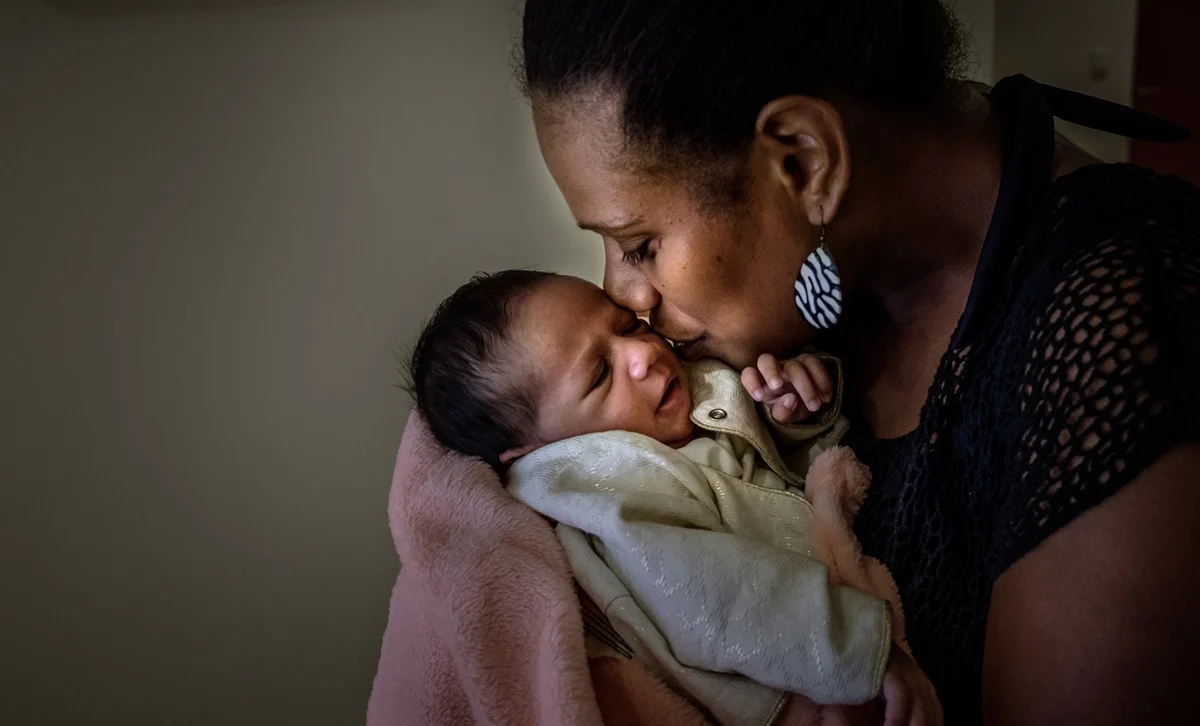
Marking its 77th anniversary on April 7, 2025, the World Health Organization (WHO) spearheaded an unprecedented wave of global mobilization under the banner of World Health Day 2025. Centered on the vital theme "Healthier beginnings, hopeful futures," the landmark initiative brought together more than 100 WHO country offices, national governments, grassroots communities, frontline health workers, international donor agencies, and civil society organizations. The concerted global actions—ranging from high-level policy forums in Geneva to community-led health dialogues in rural South America—were urgently convened to address a looming existential threat: severe funding cuts and fiscal contractions that jeopardize decades of hard-won progress in maternal and newborn health.
The 2025 campaign serves as the launchpad for a critical year-long international advocacy effort. As global health budgets face unprecedented downward pressures due to shifting geopolitical priorities, macroeconomic instability, and declining official development assistance (ODA), United Nations agencies have sounded the alarm. Without immediate, sustained financial investment and structural political commitment, the international community risks catastrophic backsliding in the global fight to eradicate preventable maternal and newborn mortality.
Main Facts of the 2025 Global Mobilization
The mobilization observed on April 7, 2025, transcends traditional commemorative events, functioning instead as an emergency rallying cry for the global health architecture. WHO leadership, alongside regional partners, utilized World Health Day to underscore that the health of mothers and newborns forms the bedrock of resilient families, stable communities, and productive national economies.
At the heart of the 2025 campaign is a stark paradox: while medical science and public health protocols have never been more advanced or capable of preventing maternal and neonatal complications, the delivery systems required to administer these interventions are starved of resources. Essential services—ranging from antenatal care and skilled birth attendance to emergency obstetric care and postnatal nutritional support—are increasingly inaccessible in fragile settings and low-resource environments.
In Chile, for instance, high-profile events highlighted the intersection of culturally competent care and universal health coverage. Dr. Giovanni Escalante Guzmán, the PAHO/WHO Chile Country Representative, participated in pivotal discussions alongside Mapuche leader Juana Cheuquepan. Their dialogue, focused on mother and newborn health as the foundation for healthy families and communities, underscored the necessity of integrating indigenous perspectives and community-led frameworks into national public health strategies. Similar localized actions unfolded across all six WHO administrative regions, reflecting a truly global consensus on the urgency of the crisis.
Background Context and Historical Timeline
To understand the gravity of the 2025 campaign, it is essential to examine the historical trajectory of global maternal and child health initiatives over the past three decades.
The modern movement to reduce maternal mortality gained significant momentum with the launch of the Safe Motherhood Initiative in 1987. This foundational effort drew international attention to the staggering number of women dying from pregnancy- and childbirth-related complications, primarily in developing nations.
Subsequent milestones reshaped the global landscape:
- 2000: The adoption of the Millennium Development Goals (MDGs) established explicit targets. MDG 5 aimed to reduce the maternal mortality ratio by three-quarters between 1990 and 2015, while MDG 4 focused on reducing child mortality. While significant progress was made, many regions fell short of the ambitious targets.
- 2015: Transitioning from the MDG framework, the United Nations launched the Sustainable Development Goals (SDGs). SDG Target 3.1 set a new global benchmark: reducing the global maternal mortality ratio to less than 70 per 100,000 live births by 2030. Concurrently, SDG Target 3.2 aimed to end preventable deaths of newborns and children under five years of age.
- 2016–2020: The introduction of the WHO Strategies for Ending Preventable Maternal Mortality (EPMM) provided countries with operational roadmaps, emphasizing quality of care, equity, and human rights. Global maternal mortality rates demonstrated a slow but steady downward trend.
- 2020–2022: The COVID-19 pandemic severely disrupted global health systems. Supply chains collapsed, health workers were reallocated to emergency pandemic response, and fear of infection kept pregnant women away from clinical facilities. The pandemic erased years of fragile gains, triggering the first major reversal in maternal health metrics in a generation.
- 2023–2024: As the world emerged from the acute phase of the pandemic, international financial institutions and bilateral donors began tapering emergency health funding. Concurrently, global inflation, debt crises in low- and middle-income countries, and competing humanitarian emergencies diverted critical capital away from primary healthcare infrastructure.
- April 7, 2025: Marking the 77th anniversary of the WHO’s founding, World Health Day is dedicated entirely to "Healthier beginnings, hopeful futures." The day serves as a formal alarm bell, warning that ongoing aid cuts threaten to undo decades of cumulative progress.
Supporting Data and Epidemiological Realities
The urgency driving the 2025 World Health Day campaign is anchored in sobering epidemiological data compiled by the WHO, UNICEF, the United Nations Population Fund (UNFPA), and the World Bank Group.
Despite substantial improvements between 2000 and 2020, the global burden of maternal and neonatal mortality remains unacceptably high. According to the latest comprehensive UN inter-agency estimates:
- Daily Toll: Approximately 800 women die every single day from preventable causes related to pregnancy and childbirth. This equates to roughly one woman dying every two minutes.
- Neonatal Vulnerability: The first 28 days of life—the neonatal period—represent the most vulnerable window for human survival. In 2022 alone, approximately 2.3 million children died in their first month of life, accounting for nearly half of all under-five mortality worldwide.
- Geographic Disparities: The burden of mortality is deeply inequitable. Sub-Saharan Africa and Central and Southern Asia bear the heaviest toll, accounting for approximately 87% of all global maternal deaths. In these regions, a woman’s lifetime risk of maternal death can be as high as one in 40, compared to one in 4,800 in high-income countries.
- Underlying Causes: The vast majority of maternal deaths are entirely preventable and treatable. Severe bleeding (hemorrhage), infections (usually after childbirth), high blood pressure disorders during pregnancy (preeclampsia and eclampsia), complications from delivery, and unsafe abortions account for nearly 75% of all maternal deaths.
Financial Vulnerability and Aid Architecture
Compounding these clinical challenges is an unfolding financial crisis within the global health funding architecture. Over the past twenty-four months, traditional donor nations have enacted significant budgetary revisions, scaling back bilateral assistance for reproductive, maternal, newborn, child, and adolescent health (RMNCAH).
Analysis from international development economists indicates that international aid for primary health care has experienced its steepest contraction in a decade. Programmatic funding for family planning, midwifery training, and rural clinic maintenance has faced disproportionate cuts. In fragile and conflict-affected states—where health systems are already fractured—the withdrawal of external financing threatens immediate institutional collapse, leaving millions of pregnant women without access to basic emergency obstetric care.
Official Responses and Institutional Perspectives
The coordinated rollout of advocacy actions on April 7 reflected deep alignment across the United Nations system regarding the necessity of policy intervention.
In official statements released to mark the 77th anniversary of the organization, WHO leadership stressed that maternal and newborn health cannot be treated as a variable dependent on economic fluctuations. Health advocates and agency representatives emphasized that investing in the health of mothers and newborns yields exponential dividends, fostering economic productivity, educational attainment, and gender equality.
Regional offices orchestrated tailored responses to local realities:
- African Region: Focused intensely on strengthening community health worker networks and addressing systemic bottlenecks in emergency referral pathways.
- Region of the Americas (PAHO): Emphasized universal health coverage, human rights in childbirth, and the inclusion of marginalized indigenous and afro-descendant populations, exemplified by the collaborative dialogues in Chile.
- Eastern Mediterranean Region: Addressed the acute challenges of maternal care delivery amidst protracted humanitarian crises, displacement, and infrastructure damage.
- European Region: Concentrated on migrant health vulnerabilities, quality improvement in perinatal care, and addressing rising maternal mental health concerns.
- South-East Asia Region: Highlighted nutritional support for pregnant women and the expansion of midwifery-led care models to remote rural districts.
- Western Pacific Region: Focused on digital health innovations, telemedicine integration for antenatal monitoring, and health system resilience against climate-induced disruptions.
Broader Impact and Strategic Implications
The launch of the year-long campaign on World Health Day 2025 carries profound implications for international development policy and domestic governance.
First, the campaign challenges national treasuries to reprioritize domestic resource mobilization. For too long, many developing nations have relied excessively on external donor assistance to finance their core public health infrastructure. As international aid contracts, governments are being forced to increase domestic budget allocations for health, implement innovative financing mechanisms, and plug systemic inefficiencies.
Second, the mobilization underscores the integral link between gender equality and maternal health. Restricting access to comprehensive maternal care is recognized by human rights experts not merely as a public health failure, but as a violation of fundamental human rights. Ensuring a "healthier beginning" requires dismantling structural barriers that limit women’s autonomy, educational opportunities, and decision-making power within households and societies.
Finally, the 2025 initiative serves as a crucial stress test for the Sustainable Development Goals. With only five years remaining until the 2030 deadline, current trajectories suggest that the world will fall significantly short of SDG targets 3.1 and 3.2 unless immediate corrective measures are taken. The year-long advocacy campaign initiated by the WHO is designed to force policymakers to pivot from passive acknowledgment of these failures to aggressive, well-funded legislative and operational interventions.
As the global health community moves forward through 2025, the success of this monumental campaign will ultimately be measured not in the volume of communiqués issued or conferences convened, but in the tangible preservation of health services on the ground—ensuring that every mother and newborn, regardless of geography or socioeconomic status, is afforded the fundamental right to a safe start and a hopeful future.