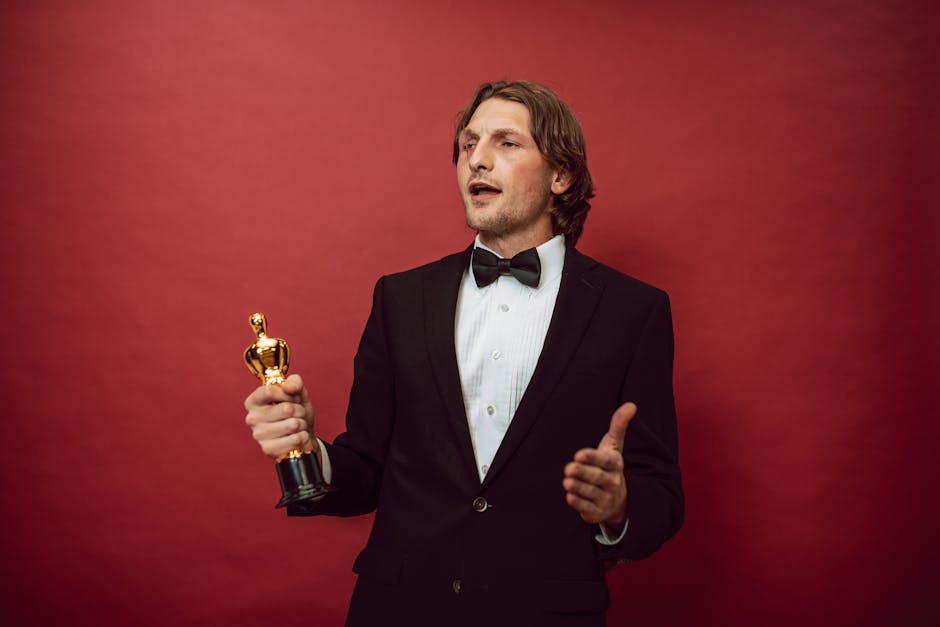
Celebrity Speeches: The Art of Inspiring and Influencing
Celebrity speeches transcend mere entertainment; they are powerful platforms for communication, inspiration, and influence. From award ceremonies to commencement addresses, these moments capture public attention, shape narratives, and can leave a lasting impact on audiences. This exploration delves into the multifaceted world of celebrity speeches, analyzing their effectiveness, the strategies employed by speakers, and the enduring appeal of hearing from public figures on significant stages. The power of a celebrity’s voice, amplified by their existing fame, allows them to connect with a broad audience, often transcending traditional media barriers and reaching millions instantaneously. This inherent reach makes their words carry considerable weight, whether they are advocating for a cause, sharing a personal journey, or offering words of wisdom. The careful crafting of these addresses, therefore, becomes paramount, as even a few well-chosen sentences can spark movements or shift perspectives.
The effectiveness of a celebrity speech is often measured by its ability to resonate with the audience on an emotional and intellectual level. This resonance is not solely dependent on the speaker’s fame; it hinges on the authenticity, clarity, and relatability of their message. When a celebrity shares a personal vulnerability or champions a cause they genuinely believe in, the impact is amplified. This authenticity creates a connection, making their words more persuasive and memorable. For instance, a celebrity overcoming adversity and speaking about their struggles can offer hope and inspiration to countless individuals facing similar challenges. Conversely, a hollow or disingenuous speech, even from a beloved personality, can quickly fall flat, eroding trust and diminishing the speaker’s credibility. The selection of topics is also crucial. Celebrities often leverage their platforms to discuss social justice, environmental issues, mental health, or personal growth, aligning with contemporary societal concerns. Their involvement can bring much-needed attention and resources to these areas.
Crafting a compelling celebrity speech involves a strategic blend of content, delivery, and stage presence. The content must be carefully considered, often tailored to the specific occasion and audience. For a commencement address, the tone might be aspirational and forward-looking, encouraging graduates to embrace their futures. At an awards ceremony, the speech might be more reflective, expressing gratitude and acknowledging the collaborative nature of their success. Regardless of the setting, a strong narrative arc is essential. This often involves an opening that grabs attention, a central message that is clear and concise, and a closing that leaves a lasting impression. The use of storytelling is a powerful tool, allowing speakers to illustrate their points with personal anecdotes or compelling examples. These narratives humanize the celebrity, making them more approachable and their message more impactful.
Delivery is equally critical. A celebrity’s natural charisma can be a significant asset, but it must be combined with practiced vocal inflection, pacing, and body language. Eye contact with the audience, confident posture, and genuine enthusiasm can transform a good speech into a great one. Conversely, a nervous or monotonous delivery can undermine even the most profound message. The best celebrity speakers are often masters of non-verbal communication, using their presence to connect with and engage their listeners. The stage itself becomes a canvas for their message, and their movements and expressions contribute to the overall impact. Furthermore, the use of humor, when appropriate, can lighten the mood, make the speaker more relatable, and enhance memorability. A well-timed joke can break down barriers and foster a sense of shared experience.
The enduring appeal of celebrity speeches stems from several factors. Firstly, the inherent curiosity and admiration people have for public figures create a natural draw. Audiences want to hear from those they perceive as successful, influential, or inspiring. Secondly, celebrity speeches often coincide with significant events, such as graduations, award ceremonies, or major charitable initiatives, imbuing them with a sense of occasion and importance. The gravitas of these events lends weight to the words spoken. Thirdly, in an age of information overload, celebrity voices can cut through the noise. Their endorsements and opinions often carry more weight than those from less visible sources, making their pronouncements influential. This amplification effect is a key reason why brands and organizations seek out celebrity spokespersons and speakers.
The planning and preparation behind a successful celebrity speech are often extensive, even if the final delivery appears effortless. This can involve extensive research into the event’s theme, the audience demographics, and the desired outcome. Speechwriters, often highly skilled professionals, play a crucial role in distilling the celebrity’s thoughts and experiences into a coherent and impactful narrative. They work to ensure the message is aligned with the celebrity’s public persona while also conveying a clear and compelling point. Rehearsals are paramount, allowing the celebrity to internalize the speech, refine their delivery, and become comfortable with the material. This practice helps to minimize the risk of errors or awkward pauses and ensures a polished and professional presentation. The ability to adapt to unexpected circumstances, such as technical difficulties or audience reactions, is also a sign of a well-prepared speaker.
The impact of celebrity speeches can be far-reaching and long-lasting. Beyond the immediate applause and positive media coverage, these addresses can inspire social change, raise awareness for critical issues, and motivate individuals to pursue their dreams. For example, a powerful speech on climate change delivered by a globally recognized figure can galvanize public support and put pressure on policymakers. Similarly, a commencement address that speaks to the challenges and opportunities of a new generation can leave an indelible mark on graduating students, shaping their aspirations and their outlook on life. The legacy of a particularly impactful speech can endure for years, becoming a touchstone for societal discourse and individual reflection. Social media further amplifies this effect, allowing clips and key messages to go viral, reaching audiences far beyond the original event.
Analyzing specific categories of celebrity speeches reveals distinct characteristics and objectives. Commencement speeches, as mentioned, often focus on themes of education, future potential, and the transition into adulthood. They are typically delivered by individuals who have achieved significant success, offering advice and encouragement based on their life experiences. Award ceremonies provide a platform for acknowledging achievements and expressing gratitude, often touching on the dedication and hard work involved in their craft. Acceptance speeches, in particular, offer a glimpse into the personal journey of the celebrity, highlighting challenges overcome and the importance of support systems. Motivational speeches, often delivered at corporate events or conferences, aim to inspire and empower audiences, drawing on the speaker’s resilience and determination. Finally, advocacy speeches are designed to raise awareness and garner support for specific causes, leveraging the celebrity’s influence to drive action and change.
The ethical considerations surrounding celebrity speeches are also important to acknowledge. While celebrities wield significant influence, they also bear a responsibility to use their platforms wisely and ethically. This includes ensuring the accuracy of any factual claims made, avoiding the promotion of harmful stereotypes, and being mindful of the potential impact of their words on vulnerable audiences. The pressure to deliver a perfect speech can sometimes lead to over-reliance on prepared remarks, potentially sacrificing authenticity. However, when celebrities strike a balance between prepared content and genuine personal reflection, their speeches can be truly transformative. The amplification of their voices means that missteps or irresponsible statements can have disproportionately negative consequences, underscoring the need for careful consideration and thoughtful articulation.
The evolution of celebrity speeches is also a fascinating area of study. In earlier eras, speeches might have been more formal and less personal. Today, there is a greater emphasis on authenticity, vulnerability, and relatable storytelling. Social media has also democratized the way speeches are consumed and disseminated. Viral clips, quotes, and behind-the-scenes glimpses of speech preparation are now commonplace, creating a more interactive and engaging experience for audiences. The rise of online platforms has also allowed for a greater diversity of voices to be heard, although traditional celebrities still command significant attention. The accessibility of recording and sharing technology means that even smaller, less public speeches can gain widespread traction if they resonate with a particular sentiment or message.
The role of technology in celebrity speeches cannot be overstated. From teleprompters that ensure smooth delivery to sophisticated sound and lighting systems that enhance the visual and auditory experience, technology plays a vital role. Livestreaming and on-demand video platforms ensure that speeches can reach global audiences instantaneously, transcending geographical limitations. This omnipresence of technology also allows for real-time audience engagement through social media hashtags and live Q&A sessions, further blurring the lines between speaker and audience. The ability to dissect and analyze speeches through digital tools also provides valuable feedback for future speakers.
Ultimately, the power of a celebrity speech lies in its ability to connect with people on a human level, transcending the superficiality of fame. When a celebrity speaks from the heart, shares a meaningful experience, or advocates for a cause they deeply believe in, they can inspire, educate, and motivate. The carefully chosen words, delivered with conviction and authenticity, have the potential to spark conversations, ignite change, and leave a lasting legacy. The intricate interplay of narrative, delivery, and the inherent charisma of the speaker creates a potent formula for influence. As society continues to evolve, so too will the landscape of celebrity speeches, but their fundamental purpose – to engage, to inspire, and to influence – will undoubtedly remain. The ongoing dialogue between celebrities, their audiences, and the platforms they utilize ensures that these speeches will continue to be a significant and compelling aspect of our cultural landscape, offering moments of reflection, motivation, and connection in an ever-changing world.
