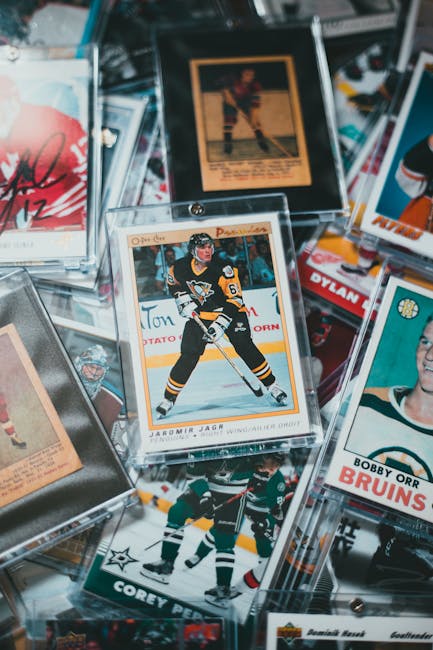
NHL News: Breaking Down the Latest Headlines, Trades, and Standings
The National Hockey League (NHL) is a dynamic and ever-evolving landscape, where player movements, team performance, and emerging trends constantly shape the narrative. Staying abreast of NHL news is crucial for fans, fantasy hockey players, and anyone invested in the business and sport of professional ice hockey. This comprehensive overview delves into the current state of NHL news, dissecting key storylines, analyzing significant trades, and examining the impact of standings shifts. From the intensity of playoff races to the strategic maneuvering of general managers, understanding these elements provides a holistic view of the league’s heartbeat.
The Current NHL Standings: A Snapshot of Dominance and Disappointment
The NHL standings serve as the ultimate barometer of success and struggle. At any given point in the season, they reveal which teams are solidifying their playoff aspirations and which are facing uphill battles. Analyzing the standings involves more than just looking at win-loss records. Key metrics like points percentage, goal differential, and special teams performance offer deeper insights into a team’s strengths and weaknesses. Eastern Conference powerhouses often emerge from divisions like the Atlantic, which can feature stacked rosters and fierce rivalries. Similarly, the Central Division in the Western Conference is renowned for its parity and physicality, leading to tightly contested playoff races.
The top teams typically exhibit a combination of elite goaltending, potent offensive firepower, and a disciplined defensive structure. Conversely, teams languishing at the bottom of the standings may be undergoing a rebuild, struggling with injuries, or simply failing to gel as a cohesive unit. Understanding the nuances of these standings, including the tie-breaking procedures, is essential for predicting playoff matchups and identifying potential Stanley Cup contenders. The geographic distribution of teams also plays a role, with conferences and divisions creating distinct competitive environments. For instance, teams in the Pacific Division often face extensive travel, which can impact their performance.
Key Storylines Shaping the NHL Narrative
Beyond the raw data of the standings, the NHL news cycle is driven by compelling storylines that capture the attention of the hockey world. These can range from individual player milestones and dramatic comebacks to controversial officiating calls and emerging team identities. The performance of star players is always a focal point. A surge in scoring from a perennial All-Star or a breakout season from a young talent can significantly alter a team’s trajectory and generate considerable media attention. Likewise, injuries to key players can derail the ambitions of even the most dominant teams, creating opportunities for others to step into prominent roles.
Coaching changes are another significant driver of NHL news. A new bench boss can implement fresh strategies, foster a new team culture, and unlock the potential of players who may have been underperforming. The impact of these changes is often immediate, leading to improved team play and renewed optimism among the fanbase. The trade deadline is arguably the most electrifying period for NHL news, as teams make aggressive moves to bolster their rosters for a playoff push or to begin a long-term rebuild. The ensuing frenzy of player movement generates countless headlines and sparks debates about the future of franchises.
Emerging trends also contribute to the ongoing narrative. The increasing emphasis on speed and skill, the rise of analytics in player evaluation, and the growing international influence on the game are all evolving aspects of the NHL that generate news and discussion. Furthermore, the league’s commitment to social responsibility and player wellness initiatives are becoming increasingly prominent features of NHL news. These storylines provide a rich tapestry of narratives that keep fans engaged throughout the long NHL season.
The Art of the Trade: Analyzing Significant NHL Transactions
NHL trades are the lifeblood of team building and often the most talked-about events in the league. General managers (GMs) constantly assess their rosters, identifying areas of need and seeking opportunities to improve. The trade market is a complex ecosystem, influenced by team needs, player contracts, salary cap implications, and draft capital. A successful trade can transform a struggling team into a contender, while a misguided transaction can set a franchise back for years.
When analyzing trades, several factors come into play. The immediate impact on the acquiring team’s roster is paramount. Does the new player fill a critical void? Does their skillset complement the existing talent? Equally important is the long-term outlook. What assets were surrendered? Were draft picks, promising prospects, or established players exchanged? The salary cap is a constant consideration. Teams must manage their cap space effectively to accommodate new contracts and maintain roster flexibility.
Trades can be categorized based on their strategic intent. Some are designed to acquire immediate impact players for a Stanley Cup run, often involving the trading of future assets. Others are part of a rebuilding process, where veteran players are moved for draft picks and younger talent. Blockbuster trades, involving multiple high-profile players, generate significant buzz and can reshape the competitive balance of entire divisions or conferences. The timing of trades, particularly around the deadline, adds an extra layer of pressure and excitement. GMs must make difficult decisions under intense scrutiny, with the future of their franchises on the line.
Analyzing the ripple effects of trades is also crucial. A significant acquisition by one team can force rival clubs to respond in kind, leading to a cascade of moves. The draft is an integral part of this cycle, as teams use draft picks acquired in trades to select the next generation of NHL stars. Understanding the motivations behind each trade, the potential synergies of player combinations, and the long-term financial implications provides a comprehensive understanding of the league’s strategic maneuvering.
Player Performance and Emerging Talent: The Stars of Tomorrow
The individual performance of players is a constant source of NHL news and analysis. From established superstars to rising talents, their contributions on the ice drive team success and captivate audiences. Elite forwards who consistently light the scoreboard, Norris Trophy-caliber defensemen who anchor their teams’ bluelines, and Vezina Trophy-contending goaltenders who steal games are all central figures in the NHL narrative.
Beyond the established stars, the emergence of new talent is always a compelling storyline. Rookie sensations who quickly make an impact, young players who take significant steps forward in their development, and prospects who exceed expectations are closely watched. The NHL Entry Draft is the primary pipeline for this emerging talent, and draft profiles, scouting reports, and post-draft analysis are key components of NHL news. The development curve of these young players is often unpredictable, leading to both excitement and occasional disappointment.
Player statistics, both traditional and advanced, are used to evaluate performance and identify trends. Goals, assists, plus-minus ratings, and save percentages are fundamental metrics, but advanced analytics offer deeper insights into possession, shot quality, and individual impact. Tracking player trends, such as a sudden scoring surge or a defensive slump, can indicate underlying issues or positive developments.
The impact of player movement on individual performance is also noteworthy. A change of scenery can revitalize a player’s career, leading to increased production and a renewed sense of purpose. Conversely, a move to a less offensive system or a more demanding role can present challenges. The narrative of players overcoming adversity, whether through injury or performance slumps, adds a human element to the competitive landscape of the NHL. The ongoing evolution of playing styles, with an increasing emphasis on speed, skill, and puck possession, influences how player performance is evaluated and discussed in NHL news.
The Spectacle of the Playoffs: A Deeper Dive into NHL Postseason Analysis
The NHL playoffs are a pinnacle of professional sports, characterized by intense competition, unpredictable outcomes, and unforgettable moments. Once the regular season concludes, the focus shifts to the 16 teams vying for the Stanley Cup. Playoff analysis involves a granular examination of matchups, coaching strategies, goaltending performances, and the impact of momentum.
The seeding within each conference is crucial, as it determines the initial matchups and the potential path to the finals. A top seed facing a wildcard team often presents a fascinating dynamic, where talent disparity is contrasted with the potential for an upset. Coaching decisions become amplified in the playoffs. Tactical adjustments, line matching, and special teams strategies can often be the difference between victory and defeat.
Goaltending is frequently cited as the most important factor in playoff success. A hot goaltender can single-handedly carry a team through multiple rounds, while a struggling netminder can be an insurmountable obstacle. The mental fortitude of players is also put to the test. The pressure of playoff hockey, with its razor-thin margins and high stakes, can lead to exceptional performances or costly mistakes.
The physical toll of playoff hockey is immense. Players often battle through injuries, and the depth of a team’s roster becomes a significant advantage. Teams with multiple forward lines capable of contributing offensively and defense pairings that can log significant minutes are better equipped to withstand the rigors of the postseason. Analyzing momentum swings, the impact of home-ice advantage, and the psychological aspects of competition are all integral to understanding playoff dynamics. The Stanley Cup Final, the culmination of this grueling journey, represents the ultimate prize and the culmination of a season’s worth of effort. The narratives that emerge from the playoffs, from underdog stories to dynasty-defining victories, are etched into NHL history.
NHL News: A Constant Stream of Information and Analysis
The NHL news ecosystem is vast and multifaceted. Major news outlets, dedicated hockey blogs, team-specific publications, and social media platforms all contribute to the constant flow of information. Staying informed requires a multi-pronged approach, consuming content from various sources to gain a comprehensive perspective. This includes official NHL releases, press conferences from GMs and coaches, player interviews, and post-game analysis from seasoned hockey journalists.
The increasing reliance on analytics has also transformed how NHL news is reported and consumed. Advanced metrics and data-driven insights are now commonplace, offering a deeper understanding of player performance and team strategies. Fantasy hockey leagues further fuel the demand for detailed player analysis, injury updates, and prospect evaluations. The business side of the NHL, including salary cap management, player contracts, and league revenue, also forms a significant part of the news cycle, impacting team decisions and the overall direction of the sport. The global reach of the NHL, with its increasing number of international players and the expansion of the league into new markets, also contributes to the diversity of NHL news, offering insights into different hockey cultures and player development systems. The continuous evolution of the game, from rule changes to technological advancements in equipment and broadcasting, ensures that NHL news remains a dynamic and engaging subject.
