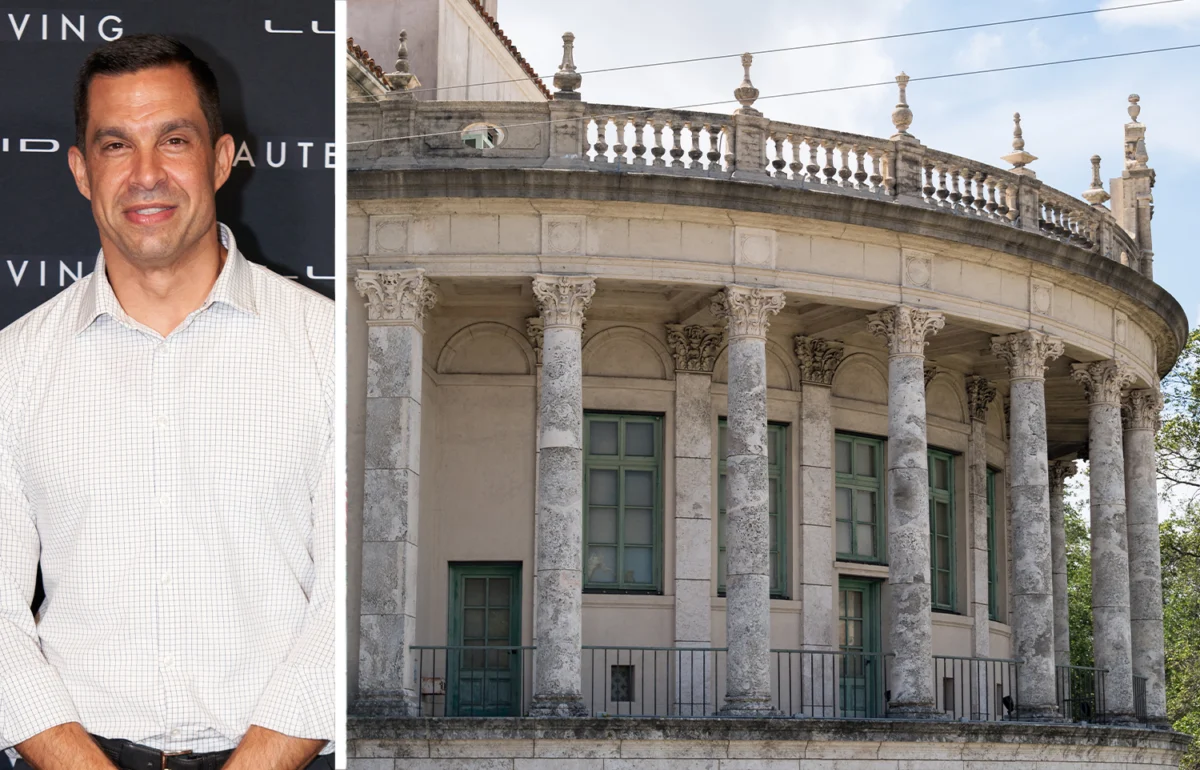
The City of Coral Gables, Florida, has officially finalized the acquisition of the Biltmore Medical Center, located at 475-495 Biltmore Way, for $24 million. This transaction marks the conclusion of a years-long negotiation process and secures municipal ownership of the entire 400 block of Biltmore Way, a prime corridor within the city’s administrative and commercial heart. The four-story, 53,029-square-foot facility serves as a vital anchor in the city’s real estate portfolio, and its transition from private ownership to public use reflects the city’s long-term strategy for operational efficiency and urban development.
Chronology of the Acquisition
The acquisition is the culmination of a decade of planning and periodic negotiations. Initial discussions regarding the city’s interest in the Biltmore Medical Center began around 2019, coinciding with the property’s last private-market transaction. In 2019, Jacksonville-based ShareMD acquired the medical center for $14.6 million. During its five-year tenure as owner, ShareMD, in collaboration with leasing agent Blanca Commercial Real Estate, implemented significant asset management improvements.
Under ShareMD’s stewardship, the property’s performance metrics saw substantial growth. Occupancy rates climbed from 82 percent to 94 percent, and the net operating income (NOI) grew by approximately 40 percent. These operational successes, while beneficial to the private owners, also highlighted the building’s increasing value to the city, which had identified the site as a necessary expansion space for its growing administrative needs.
Earlier this year, the Coral Gables City Commission formally voted to approve the intent to purchase the building. The subsequent closing of the $24 million deal signals a pivot in how the municipality will utilize the space. To ensure a seamless transition, the city has retained Medicus Asset Management—an affiliate of ShareMD—to manage the building’s operations for an initial one-year term.
The Strategic Rationale for Acquisition
The timing of the purchase is closely tied to the city’s broader infrastructure roadmap. The historic Coral Gables City Hall, a cornerstone of local government, is slated for a comprehensive, multi-million-dollar renovation project. The project is expected to disrupt standard office operations within the landmark building, necessitating a functional "swing space" for key personnel.
The Biltmore Medical Center is uniquely positioned to serve this role. City officials plan to relocate development staff and various administrative departments to the newly acquired property while the primary City Hall undergoes its structural and aesthetic upgrades. By controlling the entire 400 block of Biltmore Way, the city now possesses the flexibility to centralize its administrative operations, reducing the reliance on scattered leased office spaces and creating a more cohesive municipal campus.
Market Dynamics and Economic Context
The $24 million price tag reflects a significant appreciation in the asset’s value since 2019, driven by the strong demand for high-quality commercial space in Coral Gables. The city’s professional office market remains robust, bolstered by its reputation as a hub for international business and a prestigious professional district.
Industry analysts suggest that the city’s purchase is not merely an act of necessity, but a sound fiscal move. Real estate in the "City Beautiful" maintains high barriers to entry, and owning a contiguous block of prime property provides the municipality with a permanent hedge against volatile commercial rental rates. By eliminating future lease obligations for administrative departments, the city is effectively consolidating its long-term occupancy costs.
Furthermore, the retention of Medicus Asset Management for the transitional period is viewed by market observers as a prudent risk-mitigation strategy. By leveraging the existing management team, the city avoids the potential service disruptions that often accompany a change in ownership, ensuring that current medical tenants—who occupy a significant portion of the building—remain satisfied with the level of service and maintenance.
Implications for the Coral Gables Community
For the residents of Coral Gables, the acquisition carries several implications. First, it ensures that the character of the 400 block of Biltmore Way remains aligned with the city’s long-term urban planning goals. Public ownership provides the commission with greater control over future land-use decisions, potentially allowing for better integration between city administrative services and the surrounding medical and professional ecosystem.
Second, the renovation of City Hall is a high-profile project that requires significant logistical coordination. Having the Biltmore Medical Center as a city-owned asset provides the necessary breathing room to execute the renovation without compromising the quality of government services. The proximity of the two locations—just a short distance apart—ensures that the transition will be relatively seamless for both city employees and members of the public who interact with these departments.
From a public policy perspective, the decision to purchase rather than lease is a significant commitment. While the $24 million capital outlay is substantial, it represents a shift from operational expenditure (rent) to capital investment (ownership). In a high-interest-rate environment, the city’s ability to secure and fund this property underscores the strength of its balance sheet and its commitment to infrastructure sustainability.
Supporting Data and Property Profile
The Biltmore Medical Center serves as a high-traffic facility, and its retention as a mixed-use space—continuing to house medical tenants while hosting municipal staff—will likely stabilize the building’s revenue stream. Key metrics of the property include:
- Total Square Footage: 53,029 square feet.
- Height: Four stories.
- Occupancy Rate at Time of Sale: 94 percent.
- Asset Class: Medical Office/Professional.
- Management Transition: Managed by Medicus Asset Management (a ShareMD affiliate) for a one-year post-sale term.
The integration of municipal offices into a medical building is a trend observed in other growing suburban hubs, where administrative needs often outpace available space in historic civic buildings. The multi-tenant nature of the building allows the city to act as both a landlord and an occupant, maintaining a steady flow of rental income from private medical practices while occupying the remaining floor plates for government functions.
Official Outlook and Future Governance
While the City Commission has not yet released a detailed floor-by-floor utilization plan for the Biltmore Medical Center, the primary directive remains clear: the facility is intended to facilitate the administrative continuity of the city. Officials have emphasized that the move is designed to support the expansion of development services, which are critical to the city’s ongoing urban renewal and zoning initiatives.
The partnership with Medicus Asset Management will likely focus on maintaining the high standards set during the ShareMD ownership period. As the city enters this new phase, the transition will be monitored to ensure that service levels for the existing medical tenants remain undisturbed. Should the city decide to fully convert the building to municipal use in the future, the flexibility of the floor plans—a hallmark of modern medical office construction—will allow for efficient reconfiguration into traditional government office suites.
The acquisition of the Biltmore Medical Center marks a significant chapter in the administrative history of Coral Gables. By securing a critical asset in the heart of its business district, the city has signaled its intent to maintain a permanent and prominent presence in the area. As the City Hall renovation project approaches, the medical center will stand as a testament to the city’s proactive approach to infrastructure and its dedication to maintaining high-quality facilities for both public servants and the private medical community.
Looking forward, the city is expected to provide further updates on the specific departmental relocations as the renovation timeline for the historic City Hall becomes finalized. Until then, the transition at 475-495 Biltmore Way remains a prime example of strategic municipal real estate acquisition, balancing the immediate need for administrative space with the long-term goal of fiscal and operational stability.