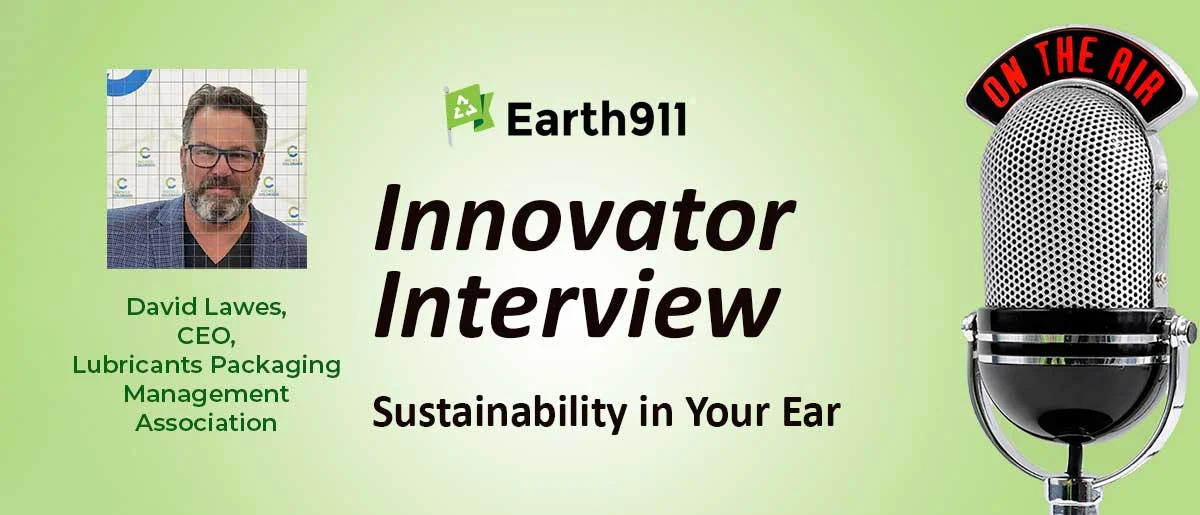
The State of Colorado has officially become the primary testing ground for a revolutionary shift in how the United States manages hazardous automotive waste and its associated packaging. In a landmark move toward a circular economy, five of the world’s largest petroleum entities—BP Lubricants, Chevron, ExxonMobil, Shell, and Valvoline—have joined forces to establish the Lubricants Packaging Management Association (LPMA). This independent producer responsibility organization (PRO) is tasked with overseeing the lifecycle of motor oil and its plastic containers, marking the first time such a specialized extended producer responsibility (EPR) program has been implemented in the American market. Led by CEO David Lawes, a veteran of environmental policy, the LPMA aims to bridge the massive gap between current disposal habits and sustainable resource recovery.
The Scale of the Lubricant Waste Challenge
To understand the necessity of the LPMA, one must examine the staggering volume of waste generated by the automotive sector. According to industry data, Americans consume and subsequently dispose of approximately 1.3 billion gallons of used motor oil every year. While the recovery of the oil itself has seen some success, the figures remain concerning: only about 800 million gallons are currently collected for recycling. Perhaps more importantly, the quality of this recycling is often low. The vast majority of recovered used oil is treated as a "transitional fuel" and burned for energy in industrial furnaces or marine engines, rather than being re-refined into high-quality base oil for new lubricant products.
The environmental challenge extends beyond the liquid itself to the containers that house it. Most motor oil is sold in High-Density Polyethylene (HDPE) bottles. While HDPE is a highly recyclable plastic in other contexts—such as milk jugs or detergent bottles—motor oil containers are notoriously difficult to process. Residual oil film inside the bottles acts as a significant contaminant. When these bottles enter standard municipal curbside recycling streams, the oil can leak onto other materials like paper and cardboard, rendering entire batches of recyclables unmarketable and destined for the landfill. Consequently, most curbside programs in the U.S. explicitly prohibit oil containers, leading to a recycling rate for this specific packaging of less than 1% in most states.
Legislative Background: Colorado’s HB22-1355
The catalyst for the formation of the LPMA was Colorado’s House Bill 22-1355, also known as the Producer Responsibility Program for Collection of Recyclable Materials. Signed into law in 2022, this legislation mandated that companies selling products in plastic packaging, paper, and food service ware must fund and manage a statewide recycling system. The law provided producers with two distinct pathways for compliance: they could either join the Circular Action Alliance (CAA), a broad-based PRO that manages general packaging and paper, or they could petition to form a sector-specific PRO if they could demonstrate that a specialized program would yield superior environmental outcomes.
The petroleum industry, recognizing that its waste stream requires specialized hazardous material handling that a general-purpose recycler is not equipped to provide, chose the independent path. By founding the LPMA in September 2024, the five founding oil majors signaled a commitment to creating a dedicated infrastructure for "difficult-to-recycle" materials. This decision was rooted in the logistical reality that motor oil packaging cannot be co-mingled with food-grade plastics or office paper without compromising the entire system.
The Canadian Blueprint and the Role of David Lawes
The appointment of David Lawes as CEO of the LPMA is a strategic move intended to import proven success from the North. Lawes brings over two decades of experience in EPR policy, including ten years spent regulating and managing programs in Canada. In British Columbia, where Lawes previously operated, a similar industry-led EPR program has achieved a remarkable 96% recycling rate for oil containers.

The Canadian model relies on a network of dedicated collection depots and specialized processing facilities rather than curbside pickup. By training staff at automotive shops, hardware stores, and recycling centers to handle the material correctly, the program ensures that the plastic is cleaned of residual oil and processed into high-quality resin that can be used to manufacture new oil bottles—a true "closed-loop" system. Lawes has emphasized that the LPMA’s goal in Colorado is not to circumvent the state’s rigorous environmental standards but to meet them through a more efficient, industry-specific framework that avoids the pitfalls of general municipal recycling.
Operational Strategy: From Collection to Re-refining
The LPMA’s operational strategy in Colorado focuses on three primary pillars: accessibility, contamination control, and high-value recovery.
-
Dedicated Collection Infrastructure: Instead of asking residents to place oily bottles in blue bins, the LPMA is working to expand a network of "point-of-return" locations. This includes partnerships with quick-lube stations, auto parts retailers, and municipal household hazardous waste (HHW) sites. By providing consumers with clear, convenient locations to drop off both used oil and empty containers, the program aims to capture the 500 million gallons of oil currently lost to improper disposal.
-
Advanced Plastic Processing: The program will utilize specialized wash lines designed to remove petroleum hydrocarbons from HDPE plastic. Once the residual oil is stripped away, the plastic can be shredded and pelletized. This recycled resin is then sold back to manufacturers to create new lubricant packaging, significantly reducing the demand for virgin plastic derived from fossil fuels.
-
Promoting Re-refining over Burning: A core tenet of the LPMA’s mission is to move the industry up the "waste hierarchy." While burning used oil for fuel is better than illegal dumping, re-refining is the gold standard. Re-refining used oil requires about 50% to 85% less energy than refining crude oil from the ground. The LPMA intends to use its collective market influence to support the growth of re-refining facilities that can return used motor oil to its original state, allowing it to be used indefinitely.
Industry and Stakeholder Reactions
The launch of the LPMA has drawn a variety of reactions from industry analysts and environmental advocates. Supporters of the initiative point to the "Producer Responsibility" aspect as a critical shift in corporate accountability. By forcing the companies that profit from the sale of oil to take financial and logistical responsibility for its end-of-life management, the law incentivizes better bottle design and more efficient collection methods.
"This is a pragmatic approach to a complex problem," noted one environmental policy analyst. "We cannot expect municipal governments to solve the problem of hazardous waste packaging on their own. By allowing the industry to lead, we leverage their logistics expertise and their capital to build a system that actually works."

However, some advocacy groups remain cautious, noting that the success of the program will depend heavily on transparency and rigorous state oversight. There are concerns that industry-led PROs might prioritize cost-saving over maximum recovery. In response, Lawes has asserted that the LPMA will be subject to the same performance targets and reporting requirements as the Circular Action Alliance, ensuring that the petroleum industry is held to the highest possible standard.
Economic and Environmental Implications
The economic implications of the LPMA extend beyond simple waste management. By creating a reliable stream of recycled HDPE and re-refined base oil, the program supports a domestic secondary materials market. This reduces the volatility of raw material costs for oil producers and creates "green-collar" jobs in the collection and processing sectors.
Environmentally, the stakes are even higher. Used motor oil is a major source of water pollution; a single gallon of used oil can contaminate up to one million gallons of fresh water. By providing a structured, no-cost return system for DIY oil changers—who are responsible for a large portion of improperly disposed oil—the LPMA program directly protects Colorado’s watersheds and soil quality. Furthermore, the reduction in plastic waste contributes to the state’s broader goals of reducing greenhouse gas emissions and landfill reliance.
A National Model for the Future
As Colorado begins the implementation phase of the LPMA program, other states are watching closely. California, Oregon, and Washington have already passed or are considering similar EPR legislation for packaging. The success or failure of Colorado’s specialized approach for the oil industry will likely determine whether the U.S. moves toward a fragmented patchwork of state-by-state rules or a harmonized national standard.
David Lawes and the founding members of the LPMA have expressed a desire for the Colorado program to serve as a blueprint. If the association can replicate the 90%+ recovery rates seen in Canada, it will provide a powerful argument for industry-led, sector-specific EPR programs across the country.
The transition to a circular economy for automotive lubricants represents a significant departure from the "take-make-waste" model that has dominated the 20th century. Through the LPMA, the petroleum industry is attempting to prove that it can be part of the solution to the plastic and hazardous waste crisis. As the program rolls out through 2025 and beyond, the data collected from Colorado’s garages and recycling centers will offer a definitive look at whether the "industry-friendly" pathway to sustainability can deliver the results the environment desperately needs.