Google Maps Gulf of America Search: Navigating Data Streams for Geopolitical and Socioeconomic Insights
The "Google Maps Gulf of America search" is not a singular, discrete query but rather a complex interplay of geospatial data, algorithmic processing, and user intent, which, when analyzed in conjunction with other search trends such as "impeach Trump calendar" and "holidays," can reveal fascinating insights into public interest concerning geopolitical events, economic indicators, and social calendars. Understanding the nuances of these searches requires a deep dive into how Google processes location-based data, the motivations behind user queries, and the potential applications of correlating these disparate information streams.
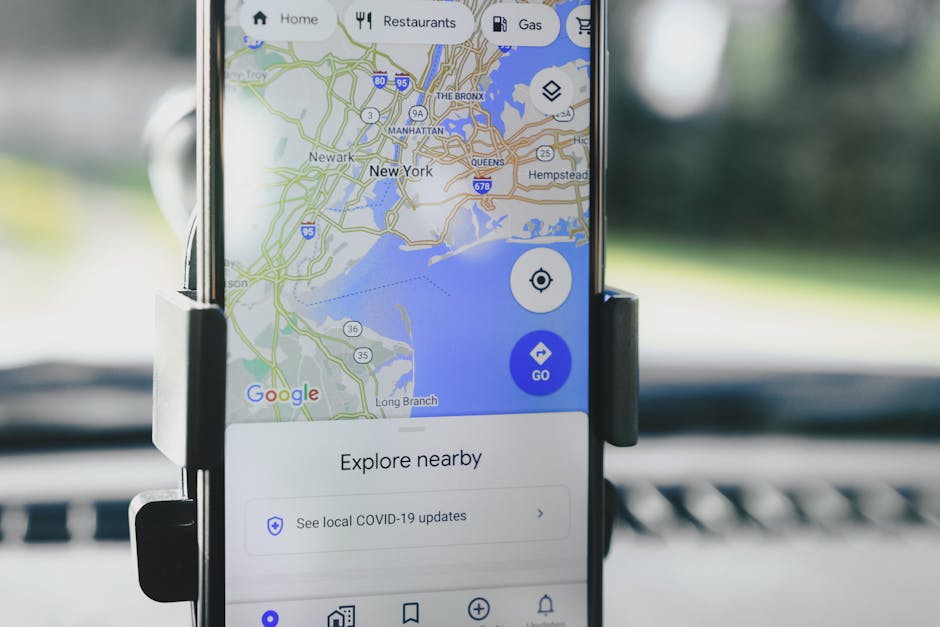
Google Maps, at its core, is a powerful platform for visualizing and interacting with geographical information. When a user initiates a search that includes "Gulf of America," they are likely seeking information related to the body of water commonly known as the Gulf of Mexico. However, the phrasing itself, "Gulf of America," might indicate a less precise understanding of geography, or perhaps a broader conceptualization of the region encompassing the Gulf of Mexico and its surrounding American territories. This ambiguity is precisely where the analytical power of search trend correlation becomes valuable. Google’s algorithms, designed to interpret intent, will invariably parse this query through its vast database of geographical locations, points of interest, and associated data. This could include shipping routes, offshore oil and gas platforms, fishing grounds, coastal communities, environmental data, or even historical events that transpired within or around the Gulf. The "search" aspect, therefore, implies an active information-gathering process, where users are not just passively viewing a map but actively seeking specific data points or understanding the geographical context of other interests.
The inclusion of "impeach Trump calendar" in a combined search analysis introduces a significant geopolitical and socio-political dimension. This query directly reflects public engagement with a specific political process and its timeline. Users searching this would be looking for dates of key hearings, votes, committee meetings, or pronouncements related to impeachment proceedings. The "calendar" element underscores a desire for structured, chronological information. When juxtaposed with "Google Maps Gulf of America search," the correlation might be purely coincidental, or it could suggest a user attempting to contextualize political events within geographical regions, perhaps seeking information on the impact of federal policy or political instability on specific coastal areas within the Gulf, or even exploring the logistical challenges and timelines associated with political processes that might involve federal agencies with a presence or interest in the Gulf region. For example, a user might be researching how environmental regulations, influenced by political decisions in Washington D.C. (where impeachment proceedings would likely be centered), might affect offshore drilling operations in the Gulf of Mexico. Alternatively, it could be a broader exploration of how political events in the United States, as a whole, resonate across its vast geographical expanse, including regions like the Gulf of America.
The addition of "holidays" to this analytical framework further diversifies the user intent. "Holidays" can range from national public holidays to religious observances, cultural festivals, or even informal long weekends. This element introduces a temporal and cultural layer to the search. When combined with "Google Maps Gulf of America search," it could point to users planning travel or leisure activities within the Gulf region, seeking to align their visits with specific holidays or to avoid peak travel times. If "impeach Trump calendar" is also part of the query set, the temporal aspect becomes even more pronounced. A user might be trying to understand how the political calendar, specifically impeachment events, might intersect with or disrupt holiday travel plans, or conversely, how holiday periods might affect the pace or visibility of political proceedings. For instance, a user might be checking if a key impeachment hearing is scheduled during a major holiday, potentially impacting public attention or the availability of officials.
The technical underpinnings of how Google processes such multifaceted queries are crucial for understanding the potential for insight. Google Maps does not simply store static geographical data; it is a dynamic system that integrates real-time information, user-generated content, and data from various governmental and commercial sources. For "Gulf of America," this would include satellite imagery, street views, business listings, traffic data, and environmental sensor information. The search algorithms then leverage natural language processing (NLP) to deconstruct user queries, identify keywords, understand context, and predict intent. When multiple search terms are analyzed in proximity, Google’s systems can infer relationships between them. For example, if searches for "Gulf of America" and "oil prices" frequently appear together, Google might begin to associate the geographical region with economic indicators related to the energy sector.
Applying this to the specific query combination: "Google Maps Gulf of America search impeach Trump calendar holidays" suggests a user engaged in a complex information-gathering strategy. They are likely not looking for a direct, literal intersection of these terms but rather using them as facets to explore a larger set of interconnected interests. This could be a researcher, a journalist, an analyst, or a concerned citizen attempting to:
-
Understand the geographical distribution of political impact: They might be looking at how a particular political event, like impeachment proceedings, might have tangible effects on specific regions, such as the Gulf Coast. This could involve researching industries in the Gulf that are subject to federal regulation or influence, or areas with significant economic ties to federal policy. Google Maps could then be used to identify specific locations within the Gulf that are relevant to these broader political and economic discussions.
-
Analyze the temporal synchronization of events: The "calendar" and "holidays" components highlight an interest in the timing of events. A user might be trying to understand if the political calendar, with its potential for disruption and heightened scrutiny, is being influenced by or influencing the holiday season. This could be for planning purposes, to gauge public attention, or to understand the strategic timing of political actions.
-
Assess the socioeconomic implications: The combination of geopolitical events (impeachment), geographical location (Gulf of America), and temporal markers (calendar, holidays) can be used to infer potential socioeconomic impacts. For instance, a period of political uncertainty might coincide with increased holiday travel, potentially impacting local economies in the Gulf region. Or, certain federal policies being debated during an impeachment process could have direct consequences on industries prevalent in the Gulf, such as fishing or tourism, especially as these industries experience seasonal fluctuations around holidays.
-
Inform risk assessment and strategic planning: For businesses operating in or with interests in the Gulf of America, understanding the confluence of political stability, economic activity, and social calendars is crucial for risk management and strategic planning. For example, an oil company might monitor political developments that could impact offshore drilling regulations while also considering how holiday periods might affect labor availability or consumer demand for refined products.
The SEO (Search Engine Optimization) perspective on this multifaceted search trend is equally significant. For entities operating within the Gulf of America, particularly those in sectors influenced by federal policy or national events, understanding these interconnected search patterns can inform their content strategy. This means creating content that addresses the potential intersections between geographical realities, political developments, and social calendars. For example, a coastal tourism board might create blog posts discussing how to enjoy local holidays in the Gulf while also acknowledging the broader national political discourse. An energy company might publish reports on regulatory landscapes in the Gulf and how they are influenced by the federal policy cycle, perhaps even discussing how holiday periods might affect operational timelines or resource allocation.
Furthermore, the analysis of "Gulf of America" as a search term, rather than the more precise "Gulf of Mexico," suggests an opportunity for SEO professionals to clarify geographical terminology. While Google is adept at disambiguation, consistent and accurate labeling of geographical regions is still beneficial. For businesses and organizations in the region, ensuring their online presence uses precise and relevant geographical keywords, alongside broader terms, can improve discoverability for a wider range of potential users, including those who might initially use less precise phrasing.
The "impeach Trump calendar" search, while highly specific to a particular political figure and event, also reflects a broader trend of users seeking real-time, structured information about significant public affairs. For organizations or individuals involved in public relations, government affairs, or advocacy, understanding how these political search terms combine with geographical and temporal queries can inform their communication strategies. They might aim to create content that bridges the gap between national political narratives and their impact on specific regions, or to highlight how periods of heightened political attention might intersect with important community events or economic cycles.
The "holidays" component, as discussed, introduces a layer of consumer and leisure-oriented search behavior. For businesses in the hospitality, travel, and retail sectors within the Gulf of America, understanding how holiday searches intersect with other trends can be invaluable. For instance, a resort might analyze whether searches for "Gulf of America holidays" increase when there is significant national political news, suggesting that some individuals might be seeking to escape or process such events through travel, or conversely, that political uncertainty might deter travel.
In conclusion, the conceptualization of a "Google Maps Gulf of America search impeach Trump calendar holidays" is not about a single, literal search result. Instead, it represents a sophisticated analytical lens through which to understand interconnected user interests. By examining the interplay of geographical queries, geopolitical events, and temporal markers, we can glean insights into public engagement with a complex world. For SEO, content creation, and strategic planning, understanding these multidimensional search behaviors allows for more targeted and effective communication, ensuring that information is accessible and relevant to diverse audiences navigating a landscape of ever-evolving political, economic, and social currents. The ability to connect seemingly disparate search terms within the vast data ecosystem of Google is a testament to the power of algorithmic interpretation and the growing sophistication of how users interact with online information.
