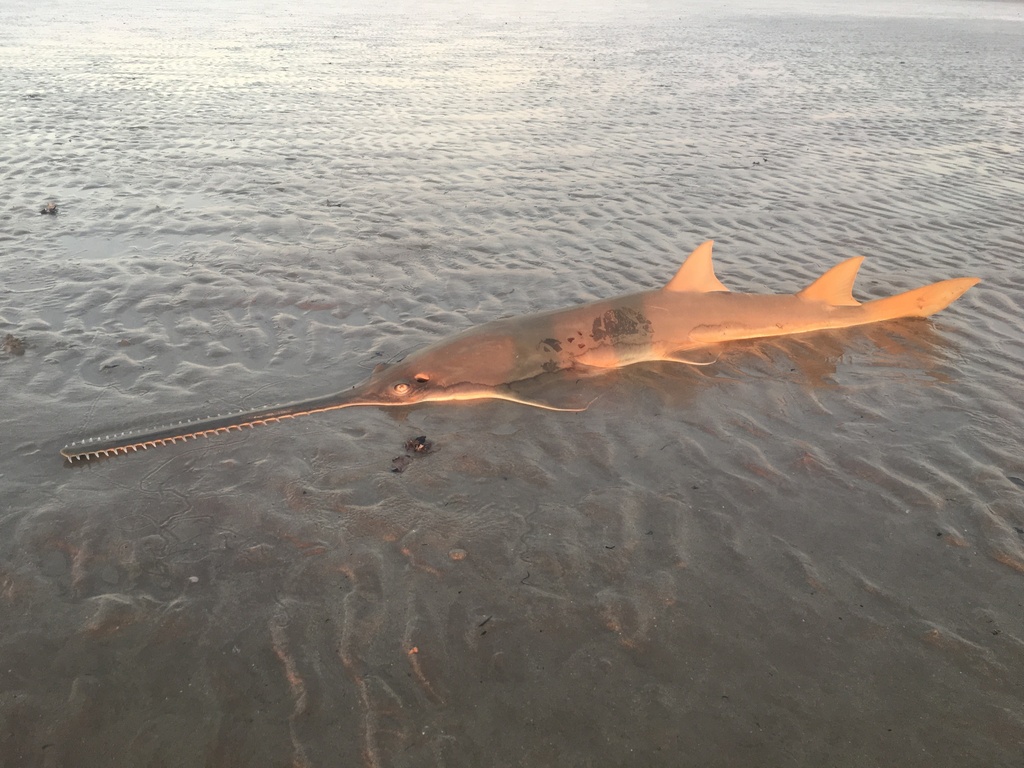
The sawfish, a prehistoric-looking group of large marine rays, possess one of the most distinctive features in the animal kingdom: the rostrum. This elongated, saw-like snout is lined with specialized scales known as rostral teeth, which the fish uses to detect the electric fields of its prey and to physically disable them with swift, lateral strikes. However, this evolutionary marvel has become the centerpiece of a clandestine and highly lucrative illegal trade across Latin America. Despite international bans and the critically endangered status of all sawfish species, their teeth continue to be harvested and sold as high-end spurs for cockfighting, according to a recent study published in the journal Conservation Letters.
The Biological Significance of the Sawfish Rostrum
To understand the gravity of the illegal trade, one must first recognize the biological importance of the rostrum to the sawfish (family Pristidae). Unlike the teeth in a sawfish’s mouth, the "teeth" on its snout are actually modified dermal denticles—the same material that makes up the scales of sharks and rays. These rostral teeth are not just weapons; they are sophisticated sensory organs.
Research has shown that the rostrum is packed with thousands of tiny pores called ampullae of Lorenzini, which allow the sawfish to sense the heartbeat and movement of hidden prey in murky coastal waters. When a sawfish locates a school of fish, it uses the rostrum as a sword, swinging it with enough force to impale or stun its targets before consuming them. This unique hunting mechanism has allowed sawfish to thrive as apex predators for millions of years. However, this same appendage has made them highly vulnerable to human exploitation. Their long snouts are easily entangled in fishing nets, making them a frequent victim of accidental bycatch. Once caught, the value of the rostrum often exceeds the value of the fish’s meat, leading fishermen to "de-fin" and "de-rostrum" the animals for the black market.

A Cultural Tradition Fueling Extinction
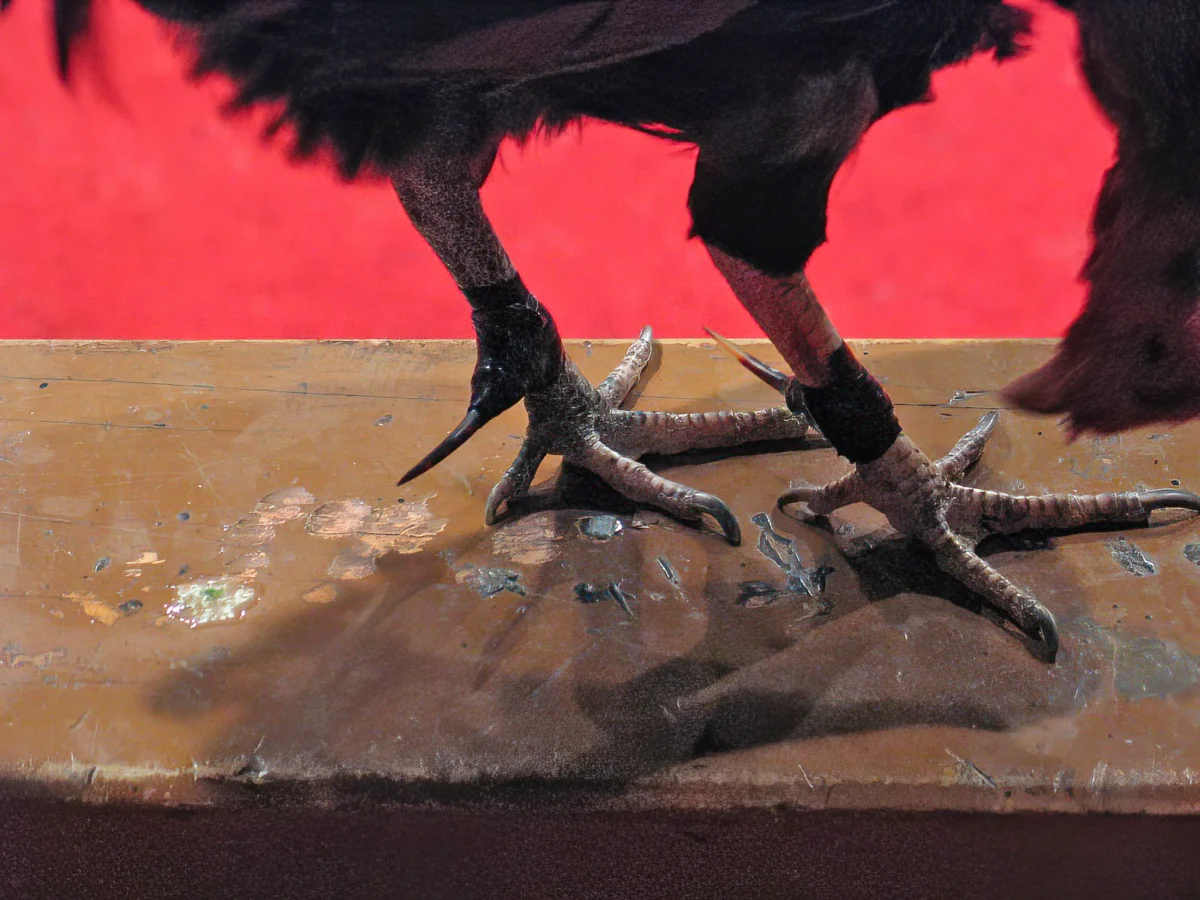
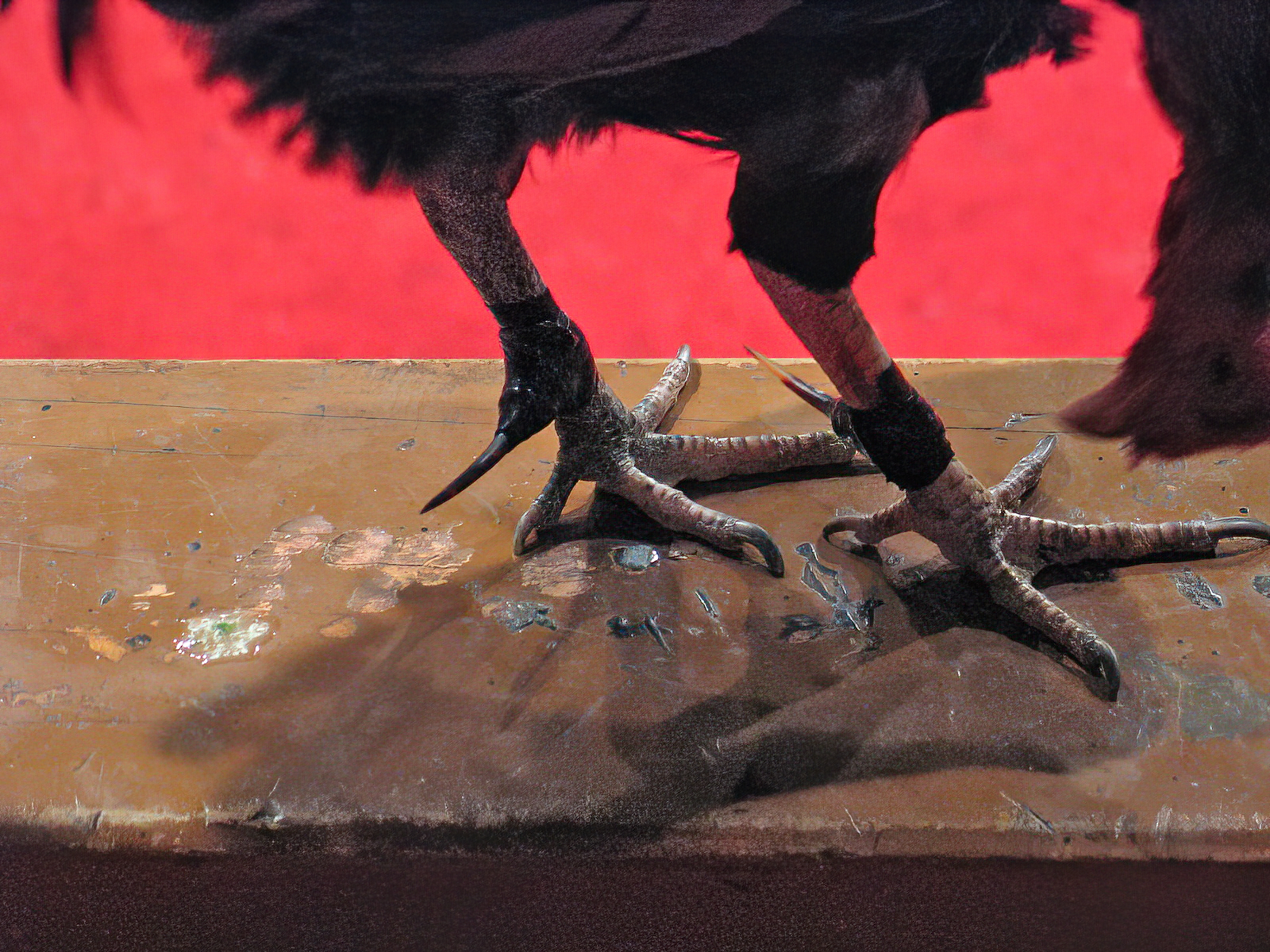
In many parts of Latin America, cockfighting is more than a pastime; it is a deeply rooted cultural tradition with significant economic activity. In these arenas, gamecocks are fitted with artificial spurs attached to their legs to maximize the lethality of their kicks. Historically, materials such as bone, tortoiseshell, and sawfish teeth have been the preferred medium for these spurs due to their durability and sharpness.
Sawfish teeth are particularly prized among practitioners of the sport. The teeth are carved and polished into curved blades known as "spurs" or "gaffs." Within the cockfighting community, there is a specific hierarchy of quality. The most coveted are the "caramelo" (caramel-colored) spurs, which are fashioned from the teeth found in the center of the rostrum. These are believed to be the hardest and most resilient, capable of delivering fatal blows to an opponent bird with minimal wear. Some practitioners mistakenly believe these teeth come only from female sawfish, adding a layer of folklore to their market value.
While many official cockfighting associations in countries like Mexico and Puerto Rico have moved toward banning natural materials in favor of plastic or metal spurs to protect endangered species, the demand remains high in informal and unregulated circuits. In Peru, where cockfighting remains legal and highly popular, the use of sawfish spurs is a common, albeit illegal, sight in the "coliseos" (arenas).
The Chronology of Regulation and the "Hidden" Trade
The decline of sawfish populations was first noted by marine biologists in the late 20th century. Between 1980 and 2000, the trade in sawfish parts reached its peak, driven by demand for fins in the Asian shark fin market and rostra as curios and spurs in the Americas.

In response to the plummeting numbers, the international community took action. In 2007, all species of sawfish were listed under Appendix I of the Convention on International Trade in Endangered Species of Wild Fauna and Flora (CITES). This listing represents the highest level of international protection, effectively banning all commercial international trade in sawfish parts. Domestically, many Latin American nations followed suit, implementing national bans on the capture and sale of sawfish.
Despite these legal frameworks, the recent study led by Mariano Cabanillas-Torpoco of the Instituto Chico Mendes de Conservação da Biodiversidade (ICMBio) reveals that the market has simply moved underground. Between 2016 and 2022, researchers interviewed 47 Peruvian cockfighting practitioners and five association representatives across the region. Their findings were stark: the trade has not stopped; it has evolved.
Economic Incentives and Smuggling Tactics
The financial rewards for those involved in the sawfish trade are substantial, creating a powerful incentive for illegal activity. According to the study, a single large rostrum can sell for approximately $1,242 on platforms like eBay, despite the site’s policies against selling endangered species parts. However, when the rostrum is broken down into individual teeth for the cockfighting market, its value skyrockets.
A typical rostrum may contain around 40 teeth. Each tooth can be used to produce an average of four spurs, totaling roughly 160 spurs per fish. In the Peruvian market, a pair of these spurs can command prices between $100 and $130. This brings the potential net profit of a single sawfish rostrum to approximately $8,000. For a fisherman in a developing coastal community, this represents a life-changing sum of money, often outweighing any fear of legal repercussions.
Smugglers have also become more sophisticated. In the past, entire rostra were often transported, but these are large, conspicuous, and easily identified by customs officials. Today, there is a marked shift toward the trade of loose teeth. These small, bone-like fragments are much easier to hide in personal luggage or ship via standard mail services. Without specialized training or forensic tools, it is nearly impossible for border agents to distinguish a sawfish tooth from other biological materials.
Geographic Hotspots and the Role of Peru
The research identifies a clear trans-border network facilitating this trade. While sawfish are found in the coastal waters of Brazil, Ecuador, and Colombia, Peru has emerged as the primary destination for their teeth. This is largely due to the legal status of cockfighting in Peru, which creates a concentrated demand that does not exist in neighboring countries where the sport is banned or strictly limited.
Most of the teeth entering the Peruvian market are sourced from the Amazonian regions of Brazil and the coastal waters of Ecuador. In Brazil, despite strict environmental laws, the vastness of the Amazon and the Atlantic coastline makes patrolling for sawfish bycatch nearly impossible. Once a sawfish is caught—often in nets intended for catfish or sharks—the teeth are extracted and moved across porous borders into Peru.
Mario Espinoza, a researcher at the University of Costa Rica, noted that public awareness campaigns have sometimes backfired. When his team displayed sawfish rostra for educational purposes in 2016, they were approached by individuals on social media platforms like Facebook and WhatsApp looking to purchase the specimens for the spur trade. This highlights the boldness of the black market and the challenges of changing cultural attitudes toward the use of endangered species.

Ecological Consequences and the Risk of Extinction
The loss of sawfish is not merely the loss of a single species; it is a blow to the health of the entire marine ecosystem. As apex predators, sawfish play a critical role in regulating the populations of smaller fish and crustaceans. Furthermore, because they are highly mobile, they facilitate the transfer of nutrients between different habitats, such as mangroves, estuaries, and coral reefs.
All five species of sawfish—the Largetooth, Smalltooth, Green, Dwarf, and Narrow sawfish—are currently listed as Critically Endangered on the IUCN Red List. They are long-lived animals with slow growth rates and low reproductive yields, meaning they cannot recover quickly from population losses. In many parts of their historical range, including several areas in South America, they are already considered locally extinct.
The ongoing trade in their teeth adds a specific pressure that targets the most mature individuals. Larger sawfish have larger rostra and larger teeth, making them the most profitable targets for those seeking to manufacture spurs. By removing these breeding-age adults from the population, the illegal trade is effectively "beheading" the species’ ability to reproduce.
The Path Forward: Enforcement and Cooperation
The authors of the study and conservationists across the globe are calling for an urgent, coordinated response to the "hidden" trade. The recommendations focus on several key pillars:
- Stricter Law Enforcement: National governments must move beyond "paper parks" and theoretical bans. This includes increased patrols in known sawfish habitats and more rigorous inspections of cockfighting arenas.
- Forensic Training: Customs and border protection agents need specialized training to identify sawfish teeth. The development of visual guides and rapid DNA testing kits could significantly improve the detection of smuggled parts.
- Regional Cooperation: Since the trade is international, the response must be as well. Enhanced communication between the environmental agencies of Peru, Brazil, Ecuador, and Colombia is essential to disrupt the supply chain.
- Engagement with Cockfighting Associations: While the informal trade is the primary concern, formal associations can play a role by strictly enforcing the use of synthetic materials and educating their members on the environmental impact of using natural spurs.
- International Pressure through CITES: The study urges CITES to take a more active role in monitoring the trade of sawfish teeth in Latin America, potentially through targeted sanctions or mandatory reporting requirements for member states.
The struggle to save the sawfish is a race against time. As long as the "caramelo" spur remains a symbol of prestige in the cockfighting arena, the incentive to hunt these ancient rays will persist. Protecting the sawfish requires a delicate balance of cultural sensitivity and unwavering environmental protection. Without a significant shift in both enforcement and public perception, the biological "saw" that has served this species for millions of years may ultimately be the tool of its extinction.