Corbin Burnes Tommy John Surgery: A Deep Dive into the Diamondbacks Ace’s Potential Road Ahead
The specter of Tommy John surgery looms large over any pitcher, and for Corbin Burnes, the ace of the Arizona Diamondbacks, the prospect, while not yet confirmed, has sent ripples of concern through the fanbase and the baseball world. Burnes, renowned for his electric fastball, devastating slider, and dominant presence on the mound, represents the cornerstone of the Diamondbacks’ pitching staff. Any significant injury, particularly one requiring the reconstructive ulnar collateral ligament (UCL) surgery, would undoubtedly be a seismic event for the club’s aspirations. This article will explore the implications of such a scenario for Burnes, the Diamondbacks, and the broader landscape of Major League Baseball pitching.
Understanding Tommy John Surgery and UCL Injuries
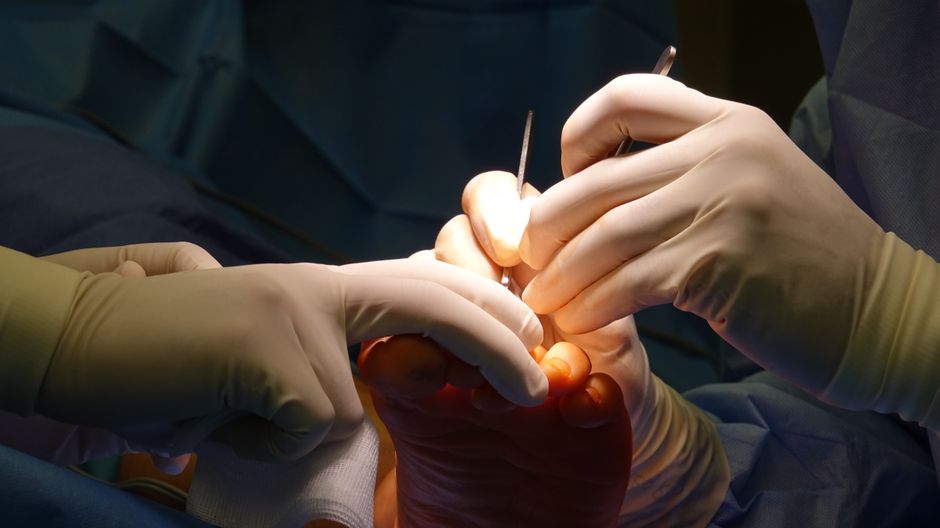
Tommy John surgery, named after the first MLB pitcher to undergo the procedure in 1974, is a surgical reconstructive procedure where a torn or damaged ulnar collateral ligament (UCL) in the elbow is replaced with a tendon graft. The UCL is a critical ligament that runs along the inside of the elbow, providing stability during the violent and repetitive motions of pitching. Overuse, fatigue, and improper mechanics can all contribute to the gradual tearing or sudden rupture of this ligament. The surgery itself involves harvesting a healthy tendon, typically from the forearm or hamstring, and then threading it through the elbow to create a new UCL. The rehabilitation process is notoriously long and arduous, often requiring 12 to 18 months before a pitcher can return to competitive play, and even then, there is no guarantee of regaining pre-injury velocity or effectiveness.
The Anatomy of Burnes’ Dominance and Potential Vulnerabilities
Corbin Burnes’ meteoric rise to superstardom has been defined by his raw power and an arsenal that consistently overwhelms hitters. His fastball, often touching the upper 90s and even 100 mph, is the foundation of his dominance. Complementing this is a slider that is widely regarded as one of the best in the game, a pitch with sharp, late break that generates a high whiff rate. His repertoire also includes a cutter, a sinker, and an occasional curveball, giving him multiple ways to attack opposing lineups. This potent combination has led to Cy Young Awards and consistently elite statistical performances.
However, the very nature of high-velocity pitching inherently places significant stress on the elbow. The rapid acceleration and deceleration of the arm, coupled with the torque generated at the point of release, create immense forces on the UCL. While Burnes has demonstrated exceptional durability throughout his career to date, no pitcher is immune to the cumulative effects of such stress. Factors such as pitch count, inning volume, the intensity of outings, and the physical demands of a 162-game season can all contribute to the gradual breakdown of the UCL. Furthermore, even minor mechanical inefficiencies, when magnified by thousands of repetitions, can exacerbate this stress. While there have been no public reports of an acute tear or significant elbow discomfort plaguing Burnes, the mere mention of the possibility, given his pitching style and the prevalence of UCL injuries in modern baseball, warrants serious consideration.
The Impact on the Arizona Diamondbacks
The Arizona Diamondbacks have invested heavily in building a competitive roster, and Corbin Burnes is undeniably the centerpiece of their pitching staff. Acquiring him was a significant move, signaling their intent to contend in the National League West. The loss of Burnes to Tommy John surgery would have immediate and profound repercussions.
Firstly, it would cripple their starting rotation. Burnes was projected to be their ace, the pitcher they rely on to shut down opposing offenses and set the tone for the team. His absence would leave a gaping hole, forcing the remaining starters to shoulder an increased workload and potentially elevating less proven arms into more prominent roles. This could lead to a reliance on a patchwork rotation, making them more susceptible to opposing offenses and less likely to secure crucial wins.
Secondly, it would significantly dampen the Diamondbacks’ playoff aspirations. Contending teams typically boast a strong top-to-bottom rotation, capable of pitching deep into games and limiting runs. Without Burnes, their ability to achieve this would be severely compromised. This could lead to a scenario where they are playing from behind more often, struggling to close out close games, and ultimately falling short of their postseason goals.
Thirdly, the financial implications, while not the primary concern in the immediate aftermath of an injury, would also be a consideration. Burnes is on a long-term contract, and a significant absence would mean paying a premium player who is unable to contribute on the field. This could impact future free agency decisions and trade strategies.
The Broader Implications for Major League Baseball
The prevalence of Tommy John surgery has become a defining characteristic of modern baseball. While advancements in medical science have made the surgery more successful and the recovery protocols more refined, the number of pitchers undergoing the procedure continues to be alarmingly high. This trend raises questions about player development, pitch counts, the increasing emphasis on velocity, and the overall health of the pitching talent pool.
For the league as a whole, a Tommy John surgery to a prominent ace like Burnes highlights the fragility of pitching talent. It underscores the importance of robust player development programs that prioritize arm care and injury prevention. It also forces teams to constantly evaluate their pitching depth, understanding that even their best arms are not immune to injury. The ripple effect of a major injury to a star player can extend beyond their immediate team, impacting the competitive balance of the league and potentially influencing trade deadlines and playoff races.
The Rehabilitation Process: A Grueling Journey
Should Corbin Burnes indeed require Tommy John surgery, his path back to the mound will be a testament to his resilience and dedication. The rehabilitation process is a meticulously structured, multi-phase journey designed to gradually restore strength, flexibility, and throwing mechanics.
The initial phase, immediately post-surgery, focuses on pain management, reducing swelling, and regaining basic range of motion in the elbow. This typically involves passive and active-assisted exercises under the close supervision of physical therapists. As healing progresses, the focus shifts to strengthening the forearm muscles, shoulder, and core, which are crucial for stabilizing the throwing arm.
The next critical phase involves introducing a gradual throwing program. This begins with short, underhand tosses and progressively increases in distance, intensity, and velocity. Each stage is carefully monitored for any signs of pain or discomfort, with deviations from the plan being meticulously managed. This phase can take several months, as the newly reconstructed ligament needs time to adapt to the stresses of throwing.
Once a pitcher can throw comfortably from flat ground at full intensity, they progress to mound work. This simulates the pitching motion and involves throwing breaking balls and other pitch types. The final stages involve increasing pitch counts, working in simulated game situations, and eventually participating in minor league rehabilitation assignments before returning to the major league roster. Throughout this entire process, meticulous attention to biomechanics and proper pitching mechanics is paramount to prevent re-injury. The mental fortitude required to endure this lengthy and often frustrating recovery cannot be overstated, as pitchers must battle setbacks, plateaus, and the psychological pressure of returning to peak performance.
Predicting Performance Post-Surgery
The question on everyone’s mind, should the worst-case scenario unfold, is what kind of pitcher will Corbin Burnes be after Tommy John surgery? Historical data offers a mixed bag of outcomes. Many pitchers have successfully returned from the procedure and performed at a high level, even regaining or exceeding their pre-injury performance. However, there are also notable examples of pitchers who have never quite recaptured their previous dominance, experiencing a decrease in velocity, a loss of sharpness on their breaking pitches, or increased susceptibility to future injuries.
Several factors influence the success of a pitcher’s return:
- Age: Younger pitchers generally tend to recover more effectively and have a longer runway for performance post-surgery.
- Pre-Injury Performance: Pitchers who were already elite performers often have the drive and the physical foundation to return to that level.
- Quality of Rehabilitation: The effectiveness of the surgical team and the dedication to the rehabilitation protocol are crucial.
- Mechanical Adjustments: Successful pitchers often make subtle (or sometimes significant) adjustments to their pitching mechanics to reduce stress on the elbow.
- Luck: Ultimately, a degree of luck is always involved.
For Burnes, his youth, his already elite talent, and the advancements in medical technology provide a strong foundation for a successful return. However, the inherent stress on his powerful pitching style will be a significant factor to monitor. The Diamondbacks, and Burnes himself, will need to be patient and strategic in his return, potentially managing his workload and pitch usage carefully in the seasons following his surgery to maximize his long-term effectiveness and durability.
The Diamondbacks’ Contingency Planning
While the Diamondbacks will undoubtedly hope for the best regarding Corbin Burnes’ health, responsible front offices are always engaged in contingency planning. The potential loss of their ace necessitates a proactive approach to bolstering their pitching staff. This could involve:
- Internal Development: Accelerating the development of promising young pitchers within their farm system.
- Free Agency: Actively scouting and pursuing free-agent pitchers who can fill a starting role, even if they are not considered top-tier aces.
- Trades: Being open to acquiring starting pitching through trades, potentially sacrificing prospects or other established players.
- Bullpen Reinforcement: Strengthening the bullpen to absorb innings and shorten games, reducing the reliance on starters to go deep into contests.
The Diamondbacks’ front office has demonstrated a willingness to make bold moves, and they would likely be prepared to act decisively to mitigate the impact of a significant pitching injury. The depth of their minor league system and their financial flexibility will be key factors in their ability to navigate such a challenge.
Conclusion: A Future Uncertain, But Not Without Hope
The prospect of Corbin Burnes undergoing Tommy John surgery is a sobering one for the Arizona Diamondbacks and their fans. While the procedure is increasingly successful, it represents a significant setback for any pitcher, particularly one with Burnes’ caliber and importance to his team. The coming weeks and months will be crucial in determining the extent of any injury and the subsequent path forward. Should surgery be required, Burnes will embark on a challenging but not insurmountable journey of rehabilitation. The Diamondbacks will face the difficult task of reconfiguring their pitching staff and re-evaluating their championship aspirations. Regardless of the outcome, Burnes’ dedication and the advancements in sports medicine offer a ray of hope for a return to the mound, albeit one that will be closely watched and meticulously managed. The resilience of the human body and the unwavering spirit of athletes like Corbin Burnes will be on full display as they navigate this potential trial.
