Azerbaijan and BP Ink Landmark Agreements for Solar Power Plant in Karabakh, Ushering in a New Era of Renewable Energy
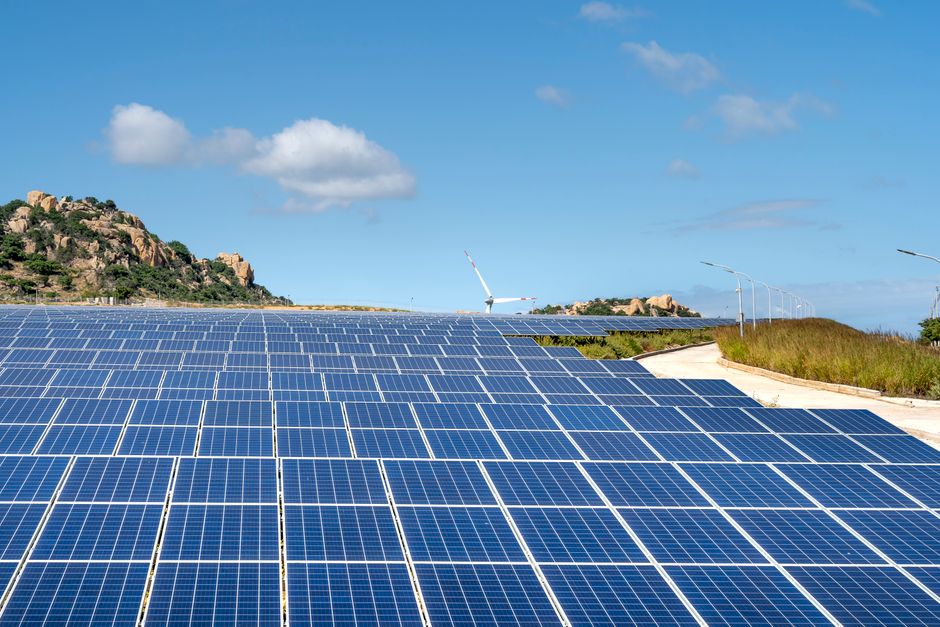
The Republic of Azerbaijan, in a significant stride towards diversifying its energy portfolio and embracing sustainable development, has formally entered into groundbreaking agreements with BP for the development and operation of a large-scale solar power plant within the Karabakh region. This pivotal collaboration marks a historic moment, signifying the integration of renewable energy infrastructure into a region undergoing extensive reconstruction and economic revitalization. The project, poised to be one of the largest solar installations in the South Caucasus, underscores Azerbaijan’s commitment to its ambitious climate goals and its strategic vision for transforming Karabakh into a hub of green technologies. The agreements, finalized after extensive negotiations and due diligence, lay the groundwork for BP to leverage its extensive experience in large-scale energy projects and its growing expertise in renewable energy development to contribute significantly to Azerbaijan’s energy transition. This initiative not only promises to generate substantial clean electricity but also aims to create new employment opportunities, foster local economic growth, and enhance energy security for the nation.
The Karabakh region, historically rich in oil and gas resources, is now being envisioned as a fertile ground for the development of renewable energy. This strategic shift is driven by a confluence of factors, including the global imperative to reduce carbon emissions, Azerbaijan’s own national strategy for economic diversification away from hydrocarbons, and the specific needs of rebuilding and developing the liberated territories. The potential for solar energy in Azerbaijan is immense, with the country enjoying a considerable number of sunny days throughout the year, making it an ideal location for solar power generation. The decision to focus on the Karabakh region for this monumental solar project is a deliberate and strategic one. It reflects a commitment to not only rebuilding infrastructure but also to establishing a modern, sustainable, and forward-looking economy in these areas. By investing in renewable energy, Azerbaijan aims to attract further foreign investment, stimulate technological advancements, and position itself as a leader in the green energy transition within the broader Eurasian landscape. The collaboration with BP, a company with a proven track record in Azerbaijan’s oil and gas sector, brings a wealth of operational expertise, project management capabilities, and financial capacity to this ambitious renewable energy endeavor.
The agreements meticulously detail the scope of work for BP, which will encompass the full lifecycle of the solar power plant. This includes comprehensive feasibility studies, site selection and preparation, the design and engineering of the facility, the procurement of state-of-the-art solar panels and associated equipment, and ultimately, the construction and commissioning of the plant. Furthermore, BP will be responsible for the long-term operation and maintenance of the solar power plant, ensuring its optimal performance and longevity. The scale of the project is substantial, with preliminary estimates indicating a generating capacity that will significantly contribute to Azerbaijan’s national grid. The chosen location within Karabakh has been carefully selected to maximize solar irradiance and minimize environmental impact, while also considering proximity to existing and planned transmission infrastructure. The integration of this new solar power capacity will play a crucial role in meeting the growing energy demands of Azerbaijan, particularly as economic activity and population centers within Karabakh expand in the coming years. The agreements emphasize the transfer of advanced technologies and best practices, aligning with Azerbaijan’s aspiration to develop its domestic renewable energy sector and build local capacity.
One of the most significant aspects of these agreements is the inherent symbolism associated with developing a large-scale renewable energy project in Karabakh. The region, which has been the subject of prolonged conflict, is now at the forefront of Azerbaijan’s reconstruction and development efforts. The establishment of a modern, clean energy facility serves as a powerful testament to peace, progress, and a commitment to a brighter, sustainable future for its inhabitants. This solar power plant will not only provide electricity but will also act as a catalyst for socio-economic development, creating skilled jobs for local communities and fostering a sense of renewed hope and opportunity. The project is expected to attract a skilled workforce for construction and, subsequently, for the operational and maintenance phases, thereby contributing to the economic empowerment of the region. Moreover, the visual presence of a cutting-edge solar farm will serve as a constant reminder of Azerbaijan’s dedication to embracing innovation and its forward-thinking approach to energy infrastructure development. This initiative aligns perfectly with the government’s broader vision for Karabakh as a region characterized by innovation, sustainability, and high quality of life.
The financial and technical frameworks governing the solar power plant project are robust and designed to ensure its successful implementation. While specific financial details remain proprietary, it is understood that the project will be financed through a combination of BP’s investment, potential co-investors, and possibly support from international financial institutions, reflecting the significant capital outlay required for such a large-scale endeavor. BP’s extensive experience in managing complex energy projects, including navigating regulatory environments and securing financing, provides a strong assurance of the project’s financial viability. Technically, the agreements will dictate the use of high-efficiency solar photovoltaic (PV) modules, advanced inverters, and sophisticated grid connection technologies to ensure seamless integration with the national power grid. The plant’s design will also incorporate measures to optimize energy yield, minimize operational costs, and adhere to the highest international standards for safety and environmental protection. The selection of technology will likely prioritize durability and performance in the specific climatic conditions of Karabakh, ensuring long-term operational efficiency and reliability.
The integration of this solar power plant into Azerbaijan’s energy landscape has profound implications for the nation’s energy security and its transition towards a low-carbon economy. By reducing reliance on fossil fuels for electricity generation, Azerbaijan can enhance its energy independence and buffer itself against global energy price volatility. Furthermore, the substantial renewable energy capacity generated by this project will significantly contribute to meeting Azerbaijan’s Nationally Determined Contributions (NDCs) under the Paris Agreement, demonstrating its commitment to global climate action. This proactive approach to decarbonization positions Azerbaijan as a responsible global citizen and a forward-thinking energy producer. The diversification of the energy mix also strengthens the resilience of the national grid, making it less susceptible to disruptions and ensuring a more stable power supply for all consumers. This strategic move towards renewable energy is not merely an environmental imperative but a sound economic and geopolitical strategy.
Environmental considerations have been paramount throughout the negotiation and agreement process. BP, with its established environmental, social, and governance (ESG) principles, is committed to minimizing the ecological footprint of the solar power plant. This includes conducting thorough environmental impact assessments, implementing measures to protect local biodiversity, and ensuring responsible water management practices during construction and operation. The decommissioning of the plant at the end of its lifespan will also be conducted in an environmentally sound manner, adhering to international best practices. The visual impact on the landscape will be carefully managed, with efforts to integrate the facility harmoniously with its surroundings. The focus on renewable energy inherently contributes to cleaner air and a reduced carbon footprint, directly addressing environmental concerns associated with traditional energy sources. This commitment to sustainability extends beyond the immediate operational phase and encompasses the entire lifecycle of the project.
The collaboration between Azerbaijan and BP on this solar power plant in Karabakh signifies a strategic partnership that extends beyond a single project. It represents a shared vision for a sustainable energy future and a commitment to fostering economic development through innovation and green technologies. BP’s long-standing presence and deep understanding of Azerbaijan’s energy sector, combined with its growing global expertise in renewables, make it an ideal partner for this transformative initiative. This agreement serves as a blueprint for future collaborations in the renewable energy space, not only within Azerbaijan but potentially across the wider region. The success of this project will likely pave the way for further investments in solar, wind, and other renewable energy sources, solidifying Azerbaijan’s position as a regional leader in the clean energy transition. This historic collaboration is a clear indicator of the mutual trust and shared objectives between Azerbaijan and BP.
The development of the solar power plant in Karabakh will necessitate the enhancement of existing and the development of new transmission and distribution infrastructure. Agreements will likely include provisions for grid connection upgrades to accommodate the significant influx of renewable energy. This will involve investments in substations, transmission lines, and potentially smart grid technologies to ensure efficient and reliable power delivery across the national network. The integration of a large-scale solar facility requires careful planning and execution to maintain grid stability and power quality. Azerbaijan’s energy authorities and BP will collaborate closely on these critical infrastructure aspects to ensure seamless integration of the new power source. This infrastructure development will also have positive spillover effects, modernizing the overall electricity grid and improving its capacity to handle diverse energy sources.
The long-term impact of this solar power plant on Azerbaijan’s energy sector and economy is expected to be transformative. It will contribute to a more resilient, diversified, and sustainable energy system, reducing the country’s carbon emissions and enhancing its energy security. The project will also create significant economic opportunities through job creation, skills development, and the stimulation of related industries. By embracing renewable energy on such a grand scale, Azerbaijan is actively positioning itself for a prosperous and environmentally responsible future, demonstrating its commitment to leading the energy transition in the region. The economic benefits will extend beyond immediate job creation, fostering local businesses through supply chains and ancillary services. This project is a cornerstone in Azerbaijan’s long-term economic diversification strategy.
In conclusion, the agreements signed between Azerbaijan and BP for the development of a solar power plant in Karabakh represent a monumental step forward in the nation’s pursuit of renewable energy and sustainable development. This ambitious project, situated in a region poised for renewal, symbolizes a commitment to a cleaner, more prosperous, and energy-secure future for Azerbaijan. The collaboration leverages BP’s extensive experience and Azerbaijan’s vast renewable energy potential, setting a precedent for future green energy initiatives and solidifying Azerbaijan’s role as a key player in the global energy transition. This landmark agreement is not just about electricity generation; it is about building a future that is both environmentally sustainable and economically vibrant.
