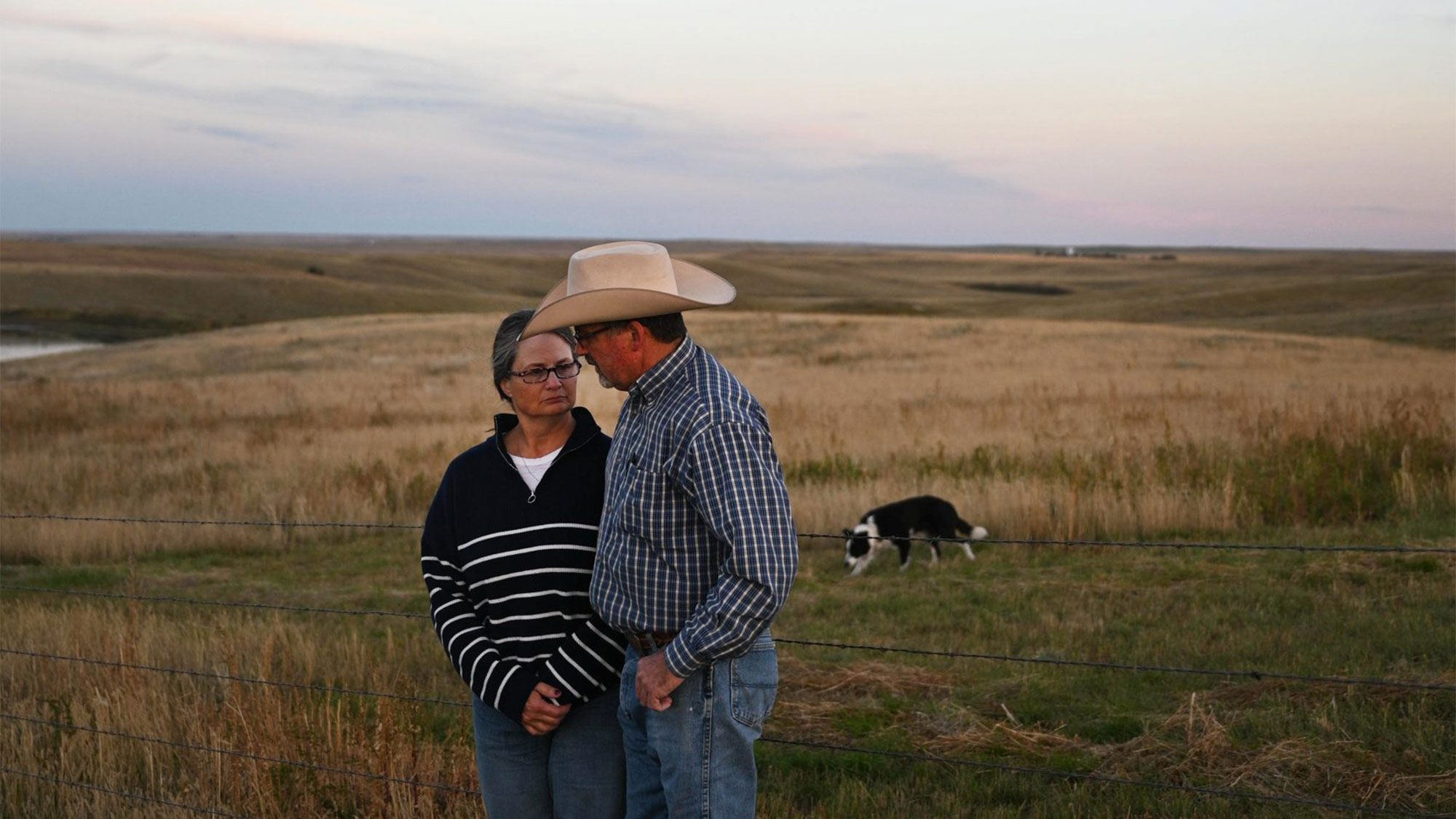
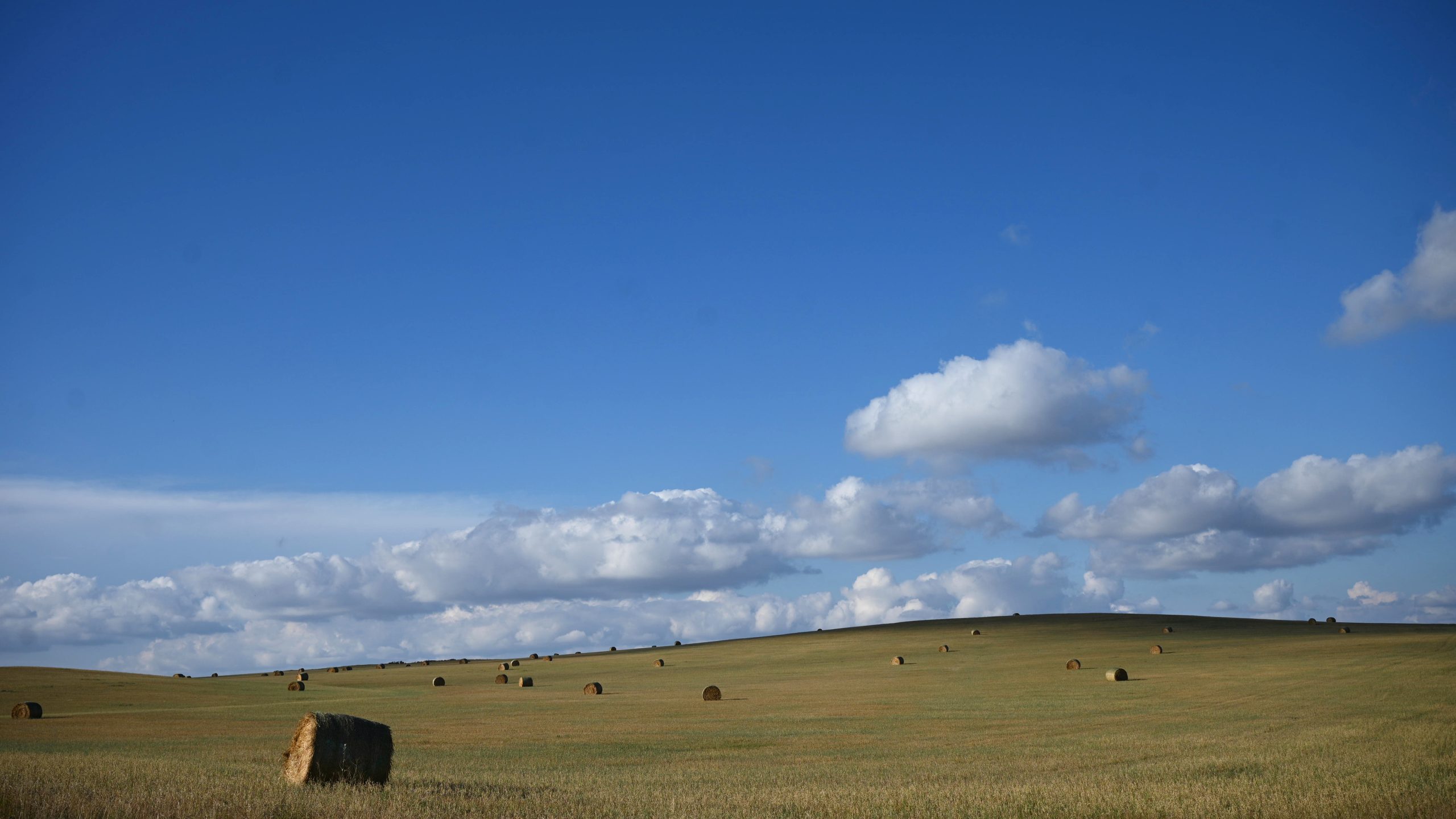
Standing amid rolling hills of harvested grain near Opheim, Montana—a remote farming community of just 72 residents near the Canadian border—Jerry Arnold surveys a landscape defined by both agricultural resilience and economic vulnerability. With a combine idling behind him and a sweat-stained baseball cap coated in fine golden dust, Arnold embodies the quiet tenacity of the American Great Plains. Like many landowners across eastern Montana and Wyoming, Arnold’s livelihood runs on razor-thin profit margins dictated by volatile global commodity markets, high diesel prices, and devastating multiyear droughts. Last year’s record-low snowpack left moisture in desperately short supply, stunting unirrigated crops and squeezing farm finances.
Now, Arnold and nearly 300 other Montana landowners are in the direct path of a proposed infrastructure project that promises substantial financial relief: a 650-mile tar sands oil pipeline spearheaded by Wyoming-based Bridger Pipeline LLC. For financially stressed agricultural operators coping with the aftermath of severe weather and inflationary pressures, the project represents a welcome influx of capital through lucrative land easements. Yet, as the project gains momentum under federal backing, it exposes a deep economic and cultural divide across Montana, pitting rural communities desperate for revenue against Indigenous tribes and environmental advocates bracing for ecological and climate hazards.
Project Scope, Regulatory Milestones, and Federal Backing
The proposed Bridger Pipeline expansion is designed to transport massive volumes of diluted bitumen—a dense, heavy blend of clay, sand, water, and molasses-like petroleum originating in Western Canada. According to scientific literature, extracting and processing tar sands crude generates roughly 20 percent more greenhouse gas emissions than conventional crude oil extraction. The infrastructure corridor will connect an existing Canadian pipeline network with a vital oil refinery hub and trading center in Guernsey, Wyoming.
The project received a significant regulatory boost this spring when President Donald Trump granted a presidential permit authorizing the pipeline to cross the international border in Phillips County, Montana. Bridger Pipeline LLC has stated its intention to break ground within a year, pending the completion of several critical regulatory hurdles.
Before construction can begin, the company must finalize its route assessments, negotiate private easement agreements with landowners, and secure comprehensive compliance permits at both the state and federal levels. The U.S. Bureau of Land Management (BLM) is currently tasked with publishing a draft environmental impact statement for public review, a process that will evaluate topographical challenges and localized environmental impacts along the preferred route. Bridger spokesperson Bill Salvin confirmed that the company has already compensated approximately 450 landowners along the preferred route for access to conduct preliminary topographical and environmental surveys, though he declined to disclose the total collective expenditure for these access agreements.
The Historical Context of Pipelines in Rural Montana
For generational farmers like Arnold, the current pipeline proposal evokes memories of past economic cycles. During the severe agricultural crisis of the 1980s, when a destructive trifecta of drought, extreme heat, and grasshopper infestations decimated crops across the region, the construction of the Northern Border Pipeline provided Arnold with a financial lifeline. The compensation he received for allowing the natural gas pipeline to cross his property generated enough capital to keep his family farm afloat.
Decades later, when the controversial Keystone XL pipeline was proposed to transport Canadian tar sands oil down to Gulf Coast refineries, agricultural communities in eastern Montana anticipated a similar economic injection. Local businesses invested in new equipment, expanded retail shops, and leveraged anticipated tax revenues to fund public infrastructure projects, such as a $16.8 million school bond in Valley County. However, those economic aspirations collapsed when President Joe Biden formally terminated the Keystone XL project via executive order in January 2021.
With a supportive administration back in Washington, D.C., agricultural landowners along the Bridger route are cautiously optimistic that history will repeat itself, offering a renewed opportunity to stabilize farm and ranch operations through one-time easement payouts and long-term tax contributions.
Economic Desperation Versus Regional Inequality
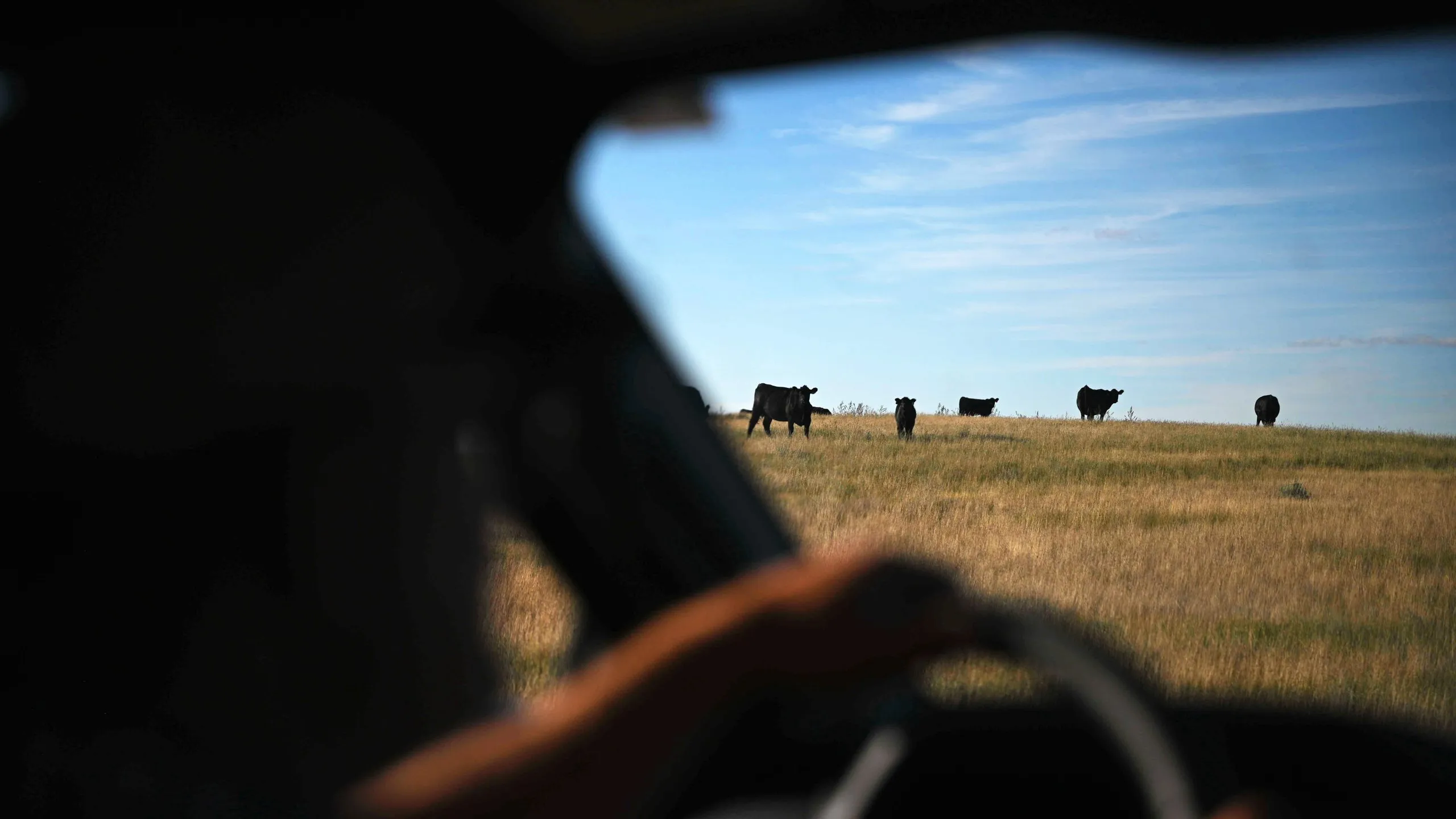
The economic landscape of Montana is starkly polarized by the Continental Divide. While the western half of the state captures the bulk of population growth, tourism revenue, and diversified service-sector employment, the eastern half remains heavily dependent on agriculture and the fossil fuel industry for survival. Local officials argue that tax revenues generated by oil and gas infrastructure are foundational to maintaining local government services, road maintenance, and public education.
In Daniels County, where roughly 11 percent of the population lives in poverty and no existing pipelines contribute to county tax rolls, local leaders have welcomed the project without reservation. Daniels County Commissioner Tammi Fladager described the regional sentiment candidly, noting that consecutive years of economic hardship have left rural communities with few alternatives for fiscal growth.
"We’re kind of desperate," Fladager said. "Anybody that comes with a big check, it’s ‘Where do I sign?’ You don’t want the lottery ticket to walk out the door."
Fladager captured the broader sentiment of economic marginalization felt across the eastern plains, contrasting the region’s financial struggles with the state’s more prosperous western urban centers. "It almost feels like western Montana is eating off of a banquet table, and we’re down here picking up scraps. And this pipeline is like a pork chop falling on the floor. That’s what it is to us."
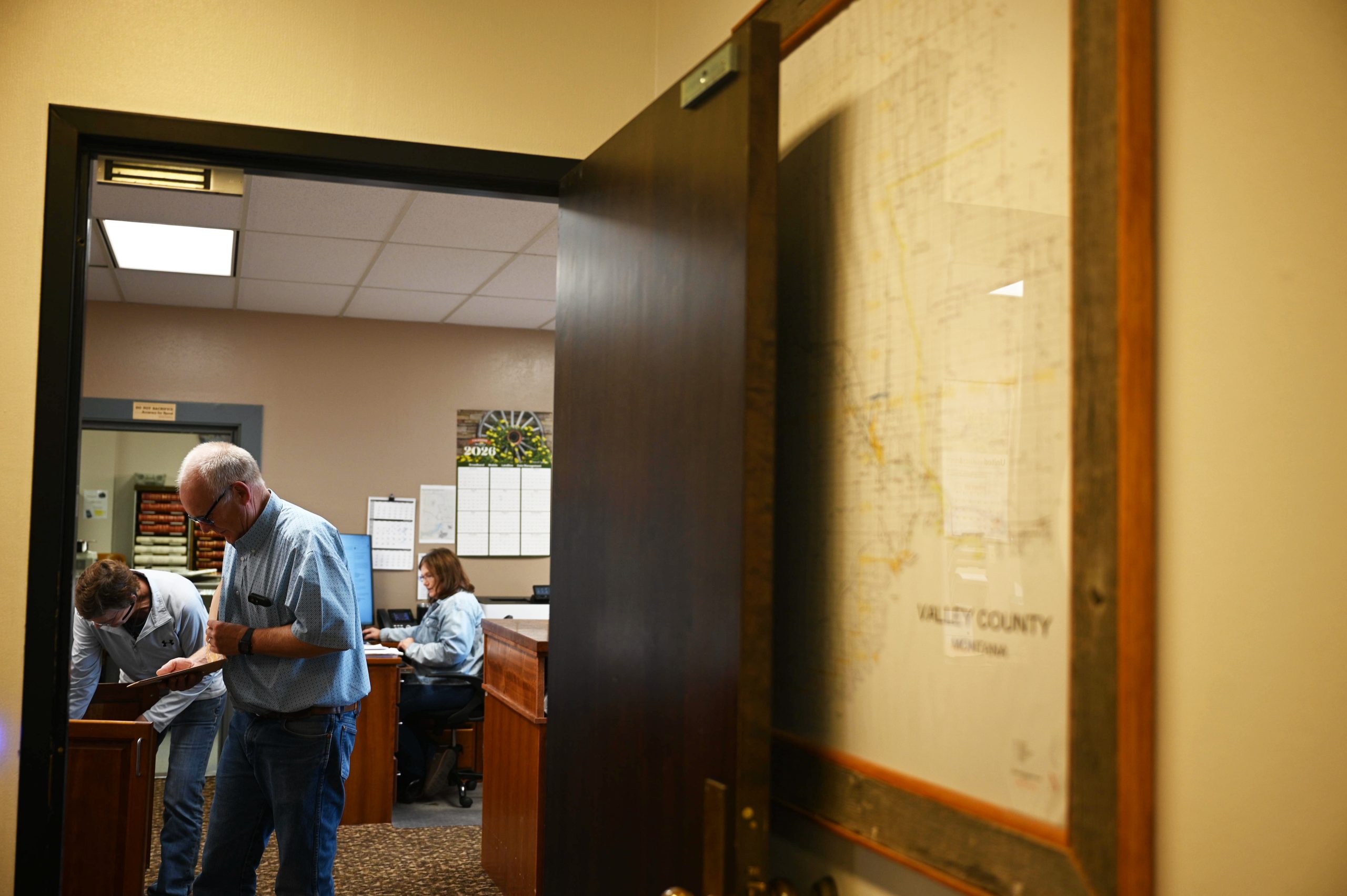
Despite the enthusiasm from local commissioners, many landowners report feeling underinformed about the specifics of the project. While Bridger has established local offices and engaged in regular dialogues with county officials through the Montana Department of Environmental Quality, many agriculturalists remain unclear about the final destination of the crude oil, the specifics of its composition, and whether the increased domestic supply will ultimately translate into lower retail fuel prices for consumers.
Market Stability, Export Realities, and Environmental Risk
Bridger representatives emphasize that the pipeline will bolster regional market stability by moving approximately 550,000 barrels of oil per day at launch, potentially scaling up past one million barrels daily under full capacity. Company officials argue that expanding pipeline infrastructure provides a necessary buffer against global supply shocks and volatility in energy markets.
However, energy analysts and landowners point out that Wyoming is not the final stop for the petroleum. In collaboration with South Bow, another energy infrastructure enterprise, plans are underway to extend transportation capacity from Guernsey through Colorado and Kansas to the major trading hub in Cushing, Oklahoma, from where the product can be stored or exported globally to international markets.
This export orientation has sparked skepticism among local ranchers. Bob Thielen, a rancher near Plevna whose property sits on the pipeline’s preferred route, questioned the tangible return on investment for the average American consumer. "Where’s the oil going? It’d be really nice to know," Thielen said. "The counties might get a little revenue, us ranchers are going to get a little revenue—the American people are going to get absolutely zero from it if it’s just coming in and going out."
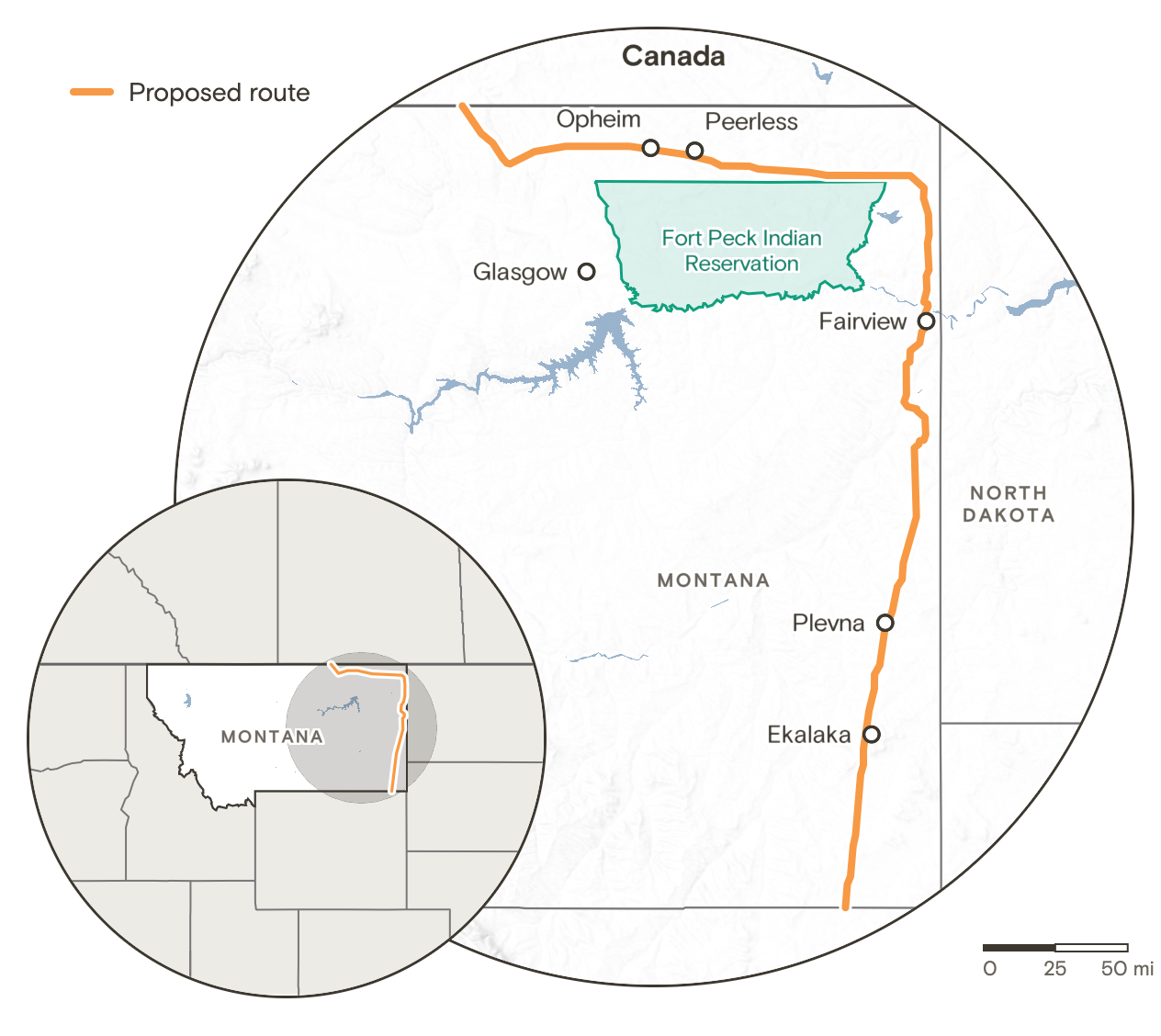
Furthermore, high-capacity pipeline projects inherently carry environmental and public health risks. The pipeline’s preferred route skirts just north of the Fort Peck Indian Reservation boundary, approaching within two miles of tribal lands at its closest point and crossing the Poplar River, a critical tributary of the Missouri River. Tribal leaders and environmental advocates have expressed profound concern that a potential spill could contaminate regional water systems that supply drinking water to thousands of Indigenous and non-Indigenous residents.
Tribal Concerns and Regulatory Limitations
The proximity of the pipeline to reservation boundaries has drawn sharp criticism from Indigenous leaders who view the routing strategy as a deliberate workaround to bypass sovereign legal protections. Krystal Two Bulls, executive director of the Indigenous-led advocacy group Honor the Earth, noted that routing hazardous infrastructure just outside reservation borders is a recurring tactic in major pipeline developments, citing similar routing controversies surrounding the Dakota Access pipeline and Enbridge’s Line 5 project.
"It’s an extremely common practice," Two Bulls said. "It’s like, ‘We’ll put the pipeline just close enough where you don’t have rights. And you can’t say that it’s on the reservation, so, legally, you don’t have the same protections or the same ability to fight it.’ But it’s close enough where it’s going to have an impact."
Bridger’s corporate leadership defended the chosen route, stating that the company intentionally avoided crossing reservation lands due to explicit local opposition. "Their tribe has made it clear they don’t want additional pipelines," Salvin said. "We are of the mind that if people don’t want our pipelines, whether it’s Fort Peck Tribes or an individual landowner, we don’t want to put it there."
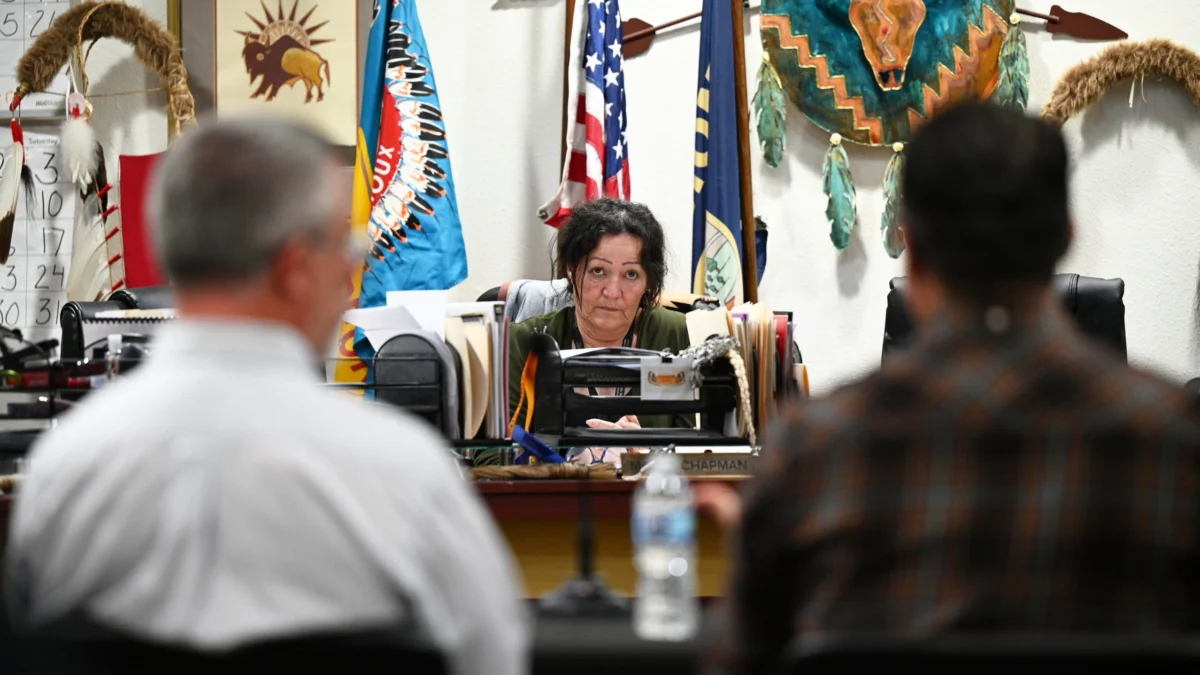
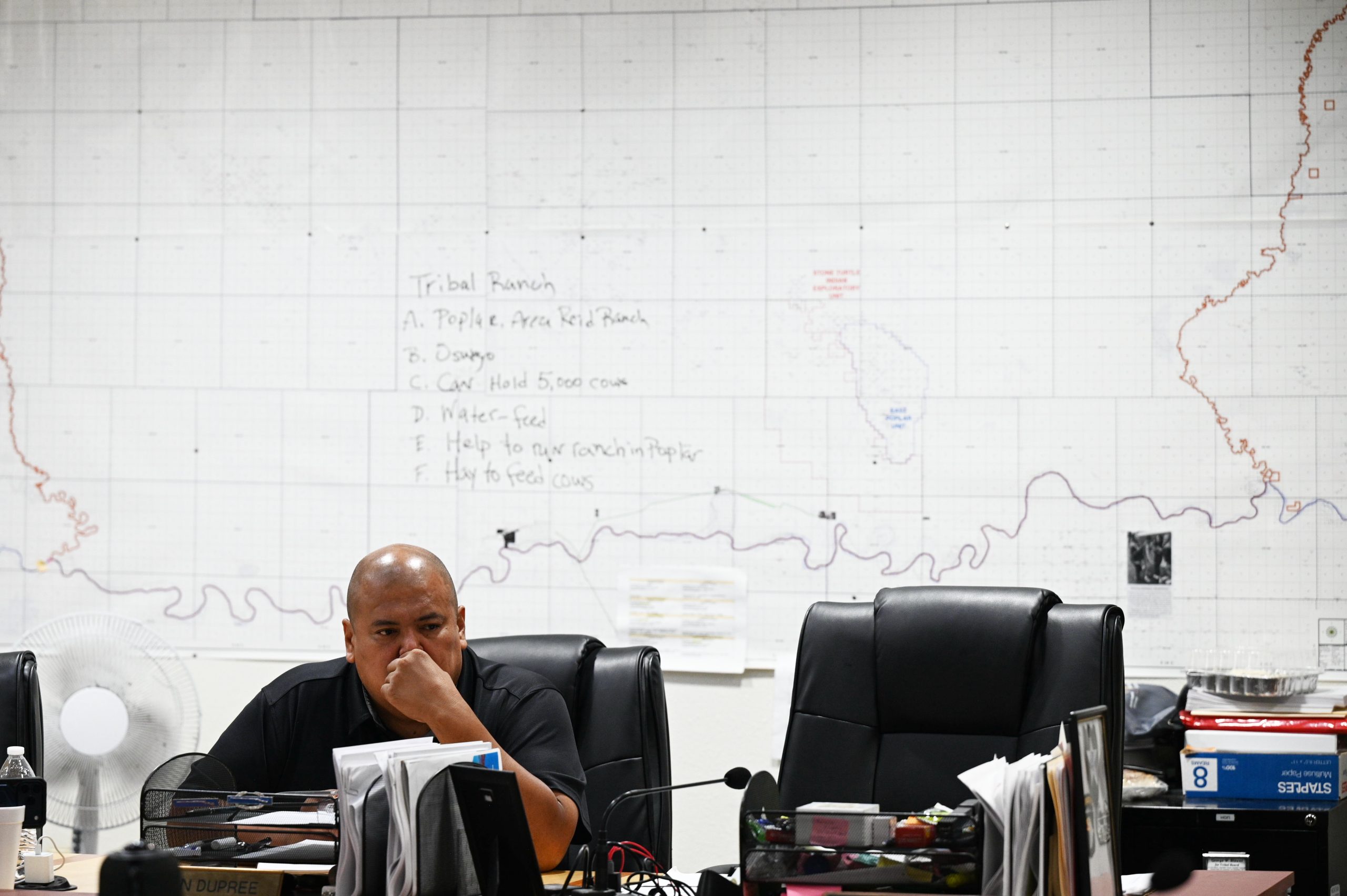
During tribal consultations in Poplar, Montana, members of the Fort Peck Tribal Executive Board, including Jestin Dupree and Marva Chapman, pressed Bureau of Land Management officials on emergency preparedness, spill response protocols, and potential socioeconomic disruptions associated with temporary worker housing, or "man camps," which Bridger expects will house thousands of temporary construction personnel.
Concerns were amplified by Bridger’s corporate safety record. In 2015, a separate pipeline operated by the company ruptured, spilling at least 30,000 gallons of Bakken crude oil into the Yellowstone River and forcing approximately 6,000 residents in Glendive to rely on bottled water. Bridger ultimately settled a civil lawsuit with the Montana Attorney General’s Office for $2 million in 2021. Federal pipeline safety data indicates that Bridger-operated infrastructure has experienced 12 spills since 2012, leading to significant federal penalties, including a joint $12.5 million civil penalty assessed in 2023 under the Clean Water Act and federal pipeline safety statutes.
Bridger representatives maintain that safety protocols have been substantially upgraded since the 2015 incident. Salvin highlighted the integration of advanced 24/7 monitoring technologies, including proprietary artificial intelligence-driven leak detection systems designed to identify pressure anomalies instantaneously.
However, answers regarding comprehensive environmental reviews remain contentious. When tribal council members asked whether the BLM’s environmental analysis would account for downstream lifecycle greenhouse gas emissions resulting from refining and burning tar sands crude, BLM project lead Phillip Blundell cited recent judicial precedents, including Supreme Court interpretations of the National Environmental Policy Act (NEPA). Blundell confirmed that federal evaluations would focus strictly on emissions directly tied to the construction phase rather than downstream consumption impacts.
As federal agencies and corporate representatives prepare for subsequent consultation rounds, local stakeholders remain deeply divided. For agricultural producers facing severe weather and economic pressures, the Bridger Pipeline represents an indispensable financial lifeline. For rural counties, it offers a predictable tax base to sustain local infrastructure. Yet, for tribal nations and environmental watchdogs downstream, the project underscores enduring anxieties over ecological vulnerability, corporate accountability, and the long-term cost of fossil fuel expansion across the American frontier.