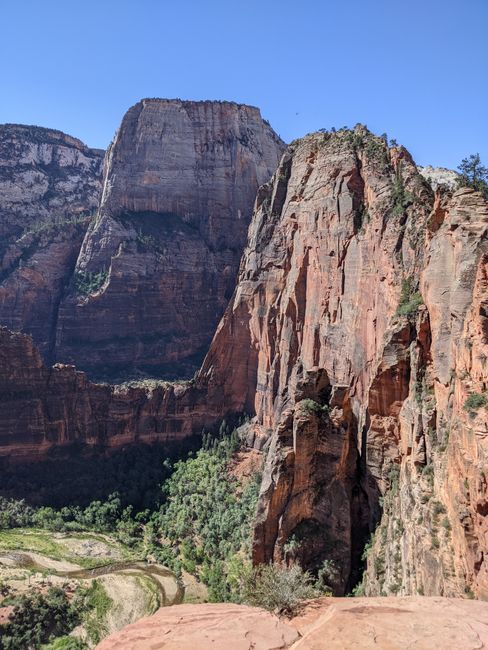
Fatal Fall on Angels Landing Trail Prompts Temporary Closure and Reignites Safety Discussions at Zion National Park
A recent fatal fall on the iconic Angels Landing trail at Zion National Park has led to its temporary closure and intensified long-standing debates surrounding safety protocols and visitor management on one of America’s most popular and perilous hiking routes. The incident, which occurred on [Insert Date of Incident – if publicly available, otherwise omit and generalize], involved a hiker who reportedly lost their footing on the narrow, exposed spine of the trail, a section famously equipped with chains for assistance. This tragic event serves as a stark reminder of the inherent risks associated with Angels Landing and has prompted park officials to reassess current safety measures, while simultaneously reigniting discussions among hikers, park advocates, and safety experts about how best to manage the growing crowds drawn to this breathtaking but dangerous destination. The closure, though temporary, underscores the gravity of the situation and the need for a comprehensive review of visitor access, trail conditions, and the psychological preparedness of those attempting the ascent.
The Angels Landing trail, a 5.4-mile out-and-back route, is renowned for its thrilling final half-mile. This segment traverses a narrow fin of rock with sheer drop-offs on either side, mitigated only by a series of anchored chains. While offering unparalleled panoramic views of Zion Canyon, this section demands significant physical and mental fortitude, including a strong head for heights and considerable upper body strength to navigate the chains. Prior to this latest fatality, the trail had already seen numerous accidents, including falls, minor injuries, and instances requiring helicopter rescues. These occurrences, while tragic, have historically been viewed as unfortunate but inherent risks of such an extreme trail. However, the frequency and severity of incidents have steadily increased with the trail’s surging popularity, escalating concerns about whether current safety measures are adequate for the sheer volume of visitors. The decision to temporarily close the trail, while difficult, signals a proactive response from the National Park Service (NPS) to thoroughly investigate the circumstances of the fatality and to evaluate the overall safety of the route.
The closure of Angels Landing, even for a limited duration, has a significant impact on Zion National Park’s visitor experience and its economic standing. Angels Landing is a bucket-list destination for countless travelers, and its closure diverts traffic to other trails, potentially leading to overcrowding elsewhere. This diversion, in turn, can diminish the wilderness experience for those seeking solitude and potentially introduce new safety concerns on less-trafficked but still challenging routes. For local communities heavily reliant on tourism, a prolonged closure of such a prominent attraction can have substantial economic repercussions. However, park superintendents and safety officials universally emphasize that the paramount concern is the safety and well-being of park visitors. The temporary shutdown allows for an in-depth investigation into the specific circumstances of the fatal fall, including reviewing trail conditions at the time, assessing the visitor’s preparedness, and examining the effectiveness of existing signage and safety recommendations.
The recurring safety concerns on Angels Landing are intrinsically linked to the exponential growth in visitor numbers at Zion National Park. In recent years, Zion has consistently ranked among the most visited national parks in the United States, often exceeding millions of annual visitors. This surge in popularity, while beneficial for tourism, has placed immense pressure on infrastructure and natural resources, particularly on trails like Angels Landing, which are ill-suited for mass visitation. The narrowness and exposure of the final ascent create inherent bottlenecks and heighten the risk of accidents when large numbers of people are present. The NPS has implemented various measures to manage this influx, including a lottery system for permits to hike Angels Landing, aimed at reducing daily visitor numbers and ensuring a more controlled experience. However, the effectiveness and fairness of this permit system, along with the ongoing debate about whether it sufficiently addresses the safety risks, are central to the renewed discussions sparked by the recent fatality.
The permit system, introduced in 2022 after extensive public comment and environmental review, requires hikers to obtain a permit through a seasonal lottery or a day-before lottery. While intended to curb overcrowding and reduce the risk of accidents, the system has faced its own set of criticisms. Some argue that it creates an exclusive experience, making it difficult for spontaneous visitors or those with limited planning windows to access the trail. Others contend that even with the permit system, the density of hikers on the trail, especially during peak seasons, can still lead to dangerous situations. The fatal fall serves as a catalyst to critically re-examine the permit system’s efficacy. Questions arise about whether the allocated number of permits is truly sufficient to ensure safety, whether the lottery system adequately screens for unprepared individuals, and if additional deterrents or educational components are necessary to reinforce the trail’s inherent dangers to permit holders.
Beyond the permit system, discussions often center on the physical and psychological preparedness of hikers attempting Angels Landing. The trail is not marked as technically difficult in the traditional sense of rock climbing, but it requires a significant degree of comfort with heights, a steady hand, and a resilient mindset. Many visitors, enticed by its fame and the stunning photographs they see online, may underestimate the physical and mental demands. The prevalence of social media, with its curated and often idealized portrayals of the hike, can contribute to a misperception of its difficulty. Experts emphasize that beyond physical fitness, mental preparedness – a clear understanding of the risks, a willingness to turn back if uncomfortable, and the ability to remain calm under pressure – is crucial. This has led to calls for more robust visitor education, potentially including mandatory safety briefings for permit holders or more prominent and graphic warnings at the trailhead.
The role of signage and trail infrastructure is also under scrutiny. While the chains are a crucial aid, their condition, placement, and the clarity of accompanying signage are constantly evaluated. Following the fatality, park officials will undoubtedly review whether existing signage adequately conveys the extreme nature of the final ascent. This includes examining the warnings about the exposure, the required physical capabilities, and the potential consequences of a misstep. Some advocate for more visual deterrents or even physical barriers at the start of the chain section to give hikers a final opportunity to reassess their commitment. However, the delicate balance between safety enhancements and preserving the wilderness character of the trail is a significant consideration. Over-engineering the trail could diminish its appeal and the sense of adventure that draws so many to it.
The debate over Angels Landing safety is not new; it’s a recurring conversation that has been amplified by each subsequent accident. Past fatalities and near-misses have prompted NPS to implement incremental changes, such as improved signage and the aforementioned permit system. However, the persistent nature of these incidents suggests that a more comprehensive and potentially paradigm-shifting approach may be required. This could involve exploring alternative trail designs, though this is a monumental undertaking given the geological constraints of the Angels Landing fin. More likely, it involves a multi-pronged strategy that combines stricter visitor management, enhanced educational outreach, potentially more stringent screening for permit holders, and a continuous evaluation of the trail’s physical conditions.
The economic implications of safety measures must also be weighed. While visitor safety is paramount, national parks are also tasked with providing access to natural and cultural resources. Restrictive measures, while potentially increasing safety, can also limit access and impact park revenues and local economies. Finding the optimal balance is a complex challenge for park management. The temporary closure of Angels Landing provides a critical window for introspection and proactive planning. It allows for a thorough examination of the factors contributing to accidents and the exploration of innovative solutions that can enhance visitor safety without irrevocably altering the unique character of this iconic trail.
Ultimately, the fatal fall on Angels Landing serves as a tragic catalyst, forcing a re-evaluation of how we balance adventure with safety in our most cherished natural landscapes. It underscores the responsibility of both park authorities to implement effective management strategies and of visitors to approach such challenging environments with respect, preparedness, and a clear understanding of the risks involved. The conversations reignited by this incident will undoubtedly shape the future management and visitor experience on Angels Landing and potentially serve as a model for addressing similar safety challenges in other popular and inherently risky outdoor destinations across the National Park System. The aim is to ensure that the allure of places like Angels Landing can be experienced by future generations, but with a heightened awareness and a commitment to minimizing the tragic costs of overestimation or under-preparation. The temporary closure is not merely an inconvenience; it is an opportunity for profound reflection and for forging a path toward a safer future for one of America’s most awe-inspiring trails.
