The United States environmental regulatory landscape is facing another sweeping transformation as the Environmental Protection Agency prepares to dismantle federal carbon dioxide emission limits for the nation’s electricity sector. Set to be formally announced at an international energy summit in Texas, this policy reversal marks the latest chapter in a two-decade-long regulatory tug-of-war over the future of coal-fired power. The impending repeal will wipe away the flexible compliance framework established during the Biden administration, which gave utilities the choice between retiring aging coal facilities or adopting carbon capture technology.
By removing these federal constraints, the incoming administration aims to champion what officials describe as American energy dominance. However, the decision arrives at a critical juncture for the energy grid. While federal climate policies have experienced severe whiplash across successive presidential administrations, the power sector is simultaneously grappling with an unprecedented surge in electricity demand driven by the explosive growth of artificial intelligence and energy-intensive data centers. This convergence of deregulatory policy and soaring technological demand has breathed unexpected life into a fossil fuel that market forces and environmental advocates have spent years trying to phase out.
The Historical Context and Regulatory Whiplash
Coal remains globally recognized as the most carbon-intensive of major energy sources, responsible for roughly half of all cumulative global carbon emissions since the dawn of the industrial era. Pound for pound, burning coal releases significantly more carbon dioxide than either oil or natural gas. Consequently, climate scientists and policy experts have long argued that accelerating the retirement of coal-fired power plants is the single most impactful step the global community can take to mitigate the worst effects of global warming.
For the past twenty years, however, federal policy in the United States has swung violently based on the political party in the White House. Following legislative roadblocks that prevented the passage of a comprehensive carbon tax under President Barack Obama, the Obama administration drafted the Clean Power Plan. This ambitious initiative sought to compel electric utilities to reduce emissions by aggressively transitioning away from coal.
The initiative faced fierce legal pushback from industry groups and conservative states. Donald Trump’s first administration subsequently repealed the rule, a move later reinforced by a landmark Supreme Court ruling asserting that the executive branch could not unilaterally force utility companies to abandon specific fuel sources.
Seeking to navigate these legal boundaries, the Biden administration introduced a revised framework in 2024. Rather than issuing a direct mandate to shutter plants, the Biden EPA implemented performance standards that offered utilities a binary choice: retire their coal-fired units during the 2030s or equip them with advanced carbon capture and sequestration technology designed to intercept nearly all smokestack emissions. Both pathways were projected to yield substantial drops in power sector greenhouse gas emissions.
The Pivot to Total Deregulation
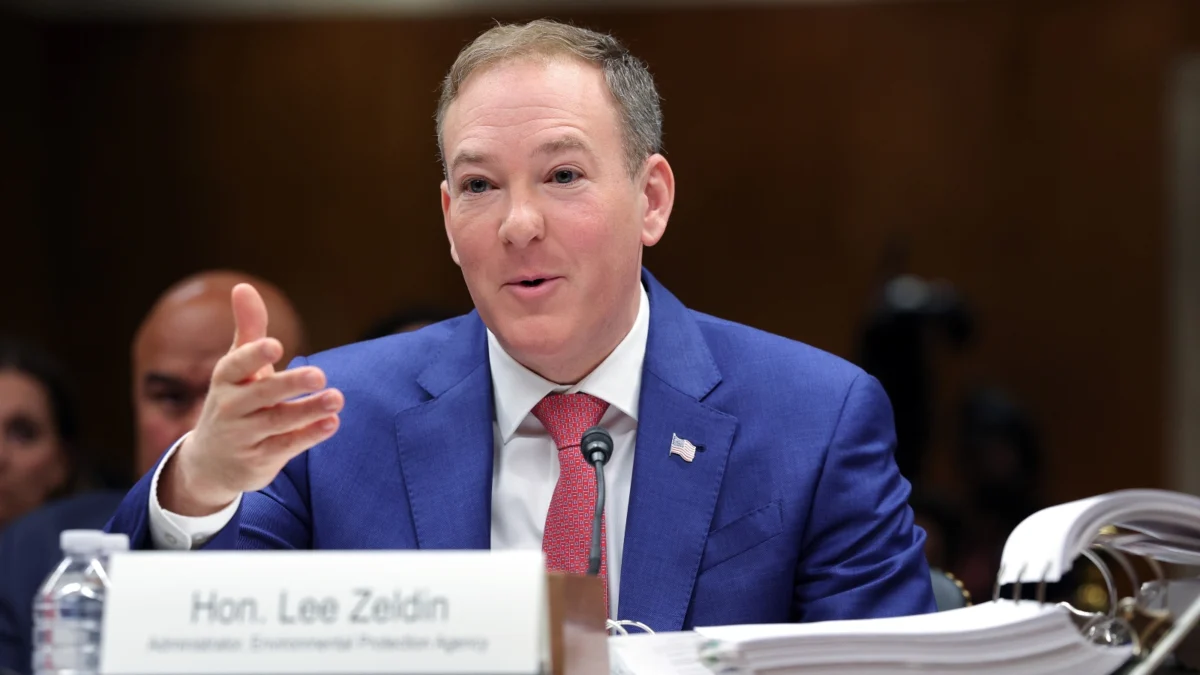
Under EPA Administrator Lee Zeldin, the agency is now moving to rescind the Biden-era framework entirely. Reports indicate that the administration will utilize a similar justification to the one deployed earlier this year when rolling back motor vehicle greenhouse gas standards: questioning the established scientific consensus surrounding climate change and asserting that deregulation will provide immediate financial relief to consumers through lower power bills.
When outlining the preliminary rulemaking, Zeldin criticized previous Democratic policies as heavy-handed regulations designed to force fossil fuels out of existence. The final repeal announcement in Texas is framed by the administration as a vital step toward restoring energy independence and reducing operational burdens on utility operators.
Industry experts note that while the regulatory back-and-forth has created deep uncertainty, neither the Obama nor the Biden rules ultimately served as the primary driver of the domestic coal fleet’s decline. Instead, broader economic shifts—most notably the domestic shale fracking boom—proved far more effective. The surge in hydraulic fracturing drastically lowered the market price of natural gas, making it economically advantageous for utilities to voluntarily transition from coal to cleaner-burning gas plants. This market-driven shift cut overall U.S. power sector emissions by nearly half over the past two decades.
The Artificial Intelligence Boom and the Resurgence of Coal
Despite the long-term downward trajectory of coal, the current landscape is being complicated by an unexpected variable: the massive electricity requirements of the artificial intelligence boom. When the Biden administration formulated its 2024 rules, regulators anticipated a steady, uninterrupted contraction of coal capacity driven by rising operational costs and aging infrastructure.
Instead, the rapid proliferation of data centers has triggered a sharp uptick in electricity demand across multiple regional grids. Utilities that previously scheduled the decommissioning of legacy coal plants are now extending their operational lifespans to meet the unyielding energy appetite of tech infrastructure. In wholesale markets spanning the Midwest and mid-Atlantic, high electricity prices have made keeping older coal units online highly lucrative for operators.
A prominent example of this trend is Southern Company, a major utility provider serving customers across Georgia and Mississippi. Initially committed to shuttering a major Mississippi coal facility by 2028, the company announced updates indicating that regional data center expansion necessitates keeping the plant online well into the 2030s. Previous attempts by the utility to implement large-scale carbon capture technology at similar sites encountered severe financial and technical failures, leaving extended coal combustion as the primary stopgap for meeting near-term capacity needs.
Although the federal Department of Energy has previously attempted to issue direct orders keeping specific aging coal plants online—actions that faced legal setbacks in federal court—the overarching market pull of data center demand remains a potent force sustaining the legacy fleet.
Public Health and Environmental Implications
The systematic rollback of federal carbon oversight carries significant consequences for public health and environmental quality. Beyond carbon dioxide, coal-fired power plants emit hazardous atmospheric pollutants, including mercury, sulfur dioxide, and fine particulate matter, which are linked to thousands of premature deaths and chronic illnesses globally.
According to regulatory impact assessments conducted during the rulemaking process, the Biden administration’s 2024 standards would have prevented approximately $370 billion in cumulative health damages associated with climate change and localized air pollution. Federal models projected that the rule would have averted hundreds of thousands of acute asthma episodes, numerous emergency room admissions, and more than 1,200 premature deaths annually by the year 2035.
Environmental coalitions have sharply criticized the incoming administration’s deregulatory agenda, arguing that sacrificing air quality and climate targets to fuel energy-intensive computing infrastructure sets a dangerous precedent. Conversely, industry stakeholders maintain that flexible operational timelines are necessary to prevent grid instability and rolling blackouts amid unprecedented demand spikes.
Looking Ahead: Market Realities Versus Short-Term Relief
As federal climate policy resets, economists and energy analysts point out that future presidential administrations will encounter the same structural dilemma that confronted Barack Obama and Joe Biden: how to accelerate the phaseout of an energy source that is declining structurally, even if experiencing temporary operational resurgences.
Kenneth Gillingham, a professor of environmental economics at Yale University and a former economic adviser who contributed to the design of the Clean Power Plan, emphasizes the importance of regulatory predictability. While federal targets establish clear investment signals for corporate decision-makers, Gillingham notes that basic economic realities may ultimately limit how long the coal fleet can survive.
The existing fleet of U.S. coal plants is aging rapidly, requiring continuous, capital-intensive maintenance to remain operational. As equipment degrades, many utilities may determine that investing in repairs is economically unviable, choosing instead to pivot toward natural gas, renewables, or advanced energy storage regardless of federal mandates. While immediate electricity demand pressures have lowered the hurdle for coal plants to remain online, the broader structural trend favoring cleaner alternatives persists. As analysts observe, policy can alter the margins, but defying long-term market fundamentals remains an uphill battle for any administration.