The landscape of American energy infrastructure has long been defined by dramatic political pendulum swings, but few sectors have experienced a jolt as abrupt as the offshore wind industry. What began as a federally backed, multibillion-dollar rush to build a green-collar workforce now faces severe contraction, leaving specialized training institutions, labor unions, and thousands of skilled workers scrambling to adapt.
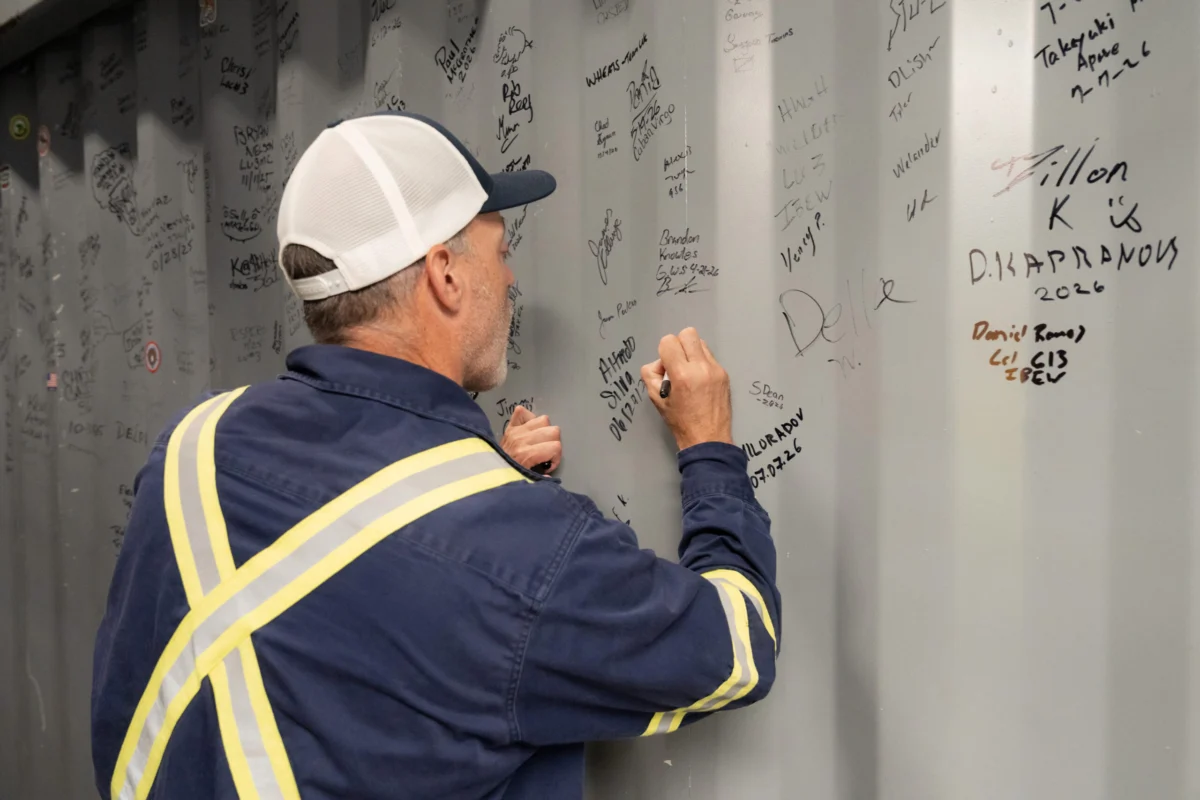
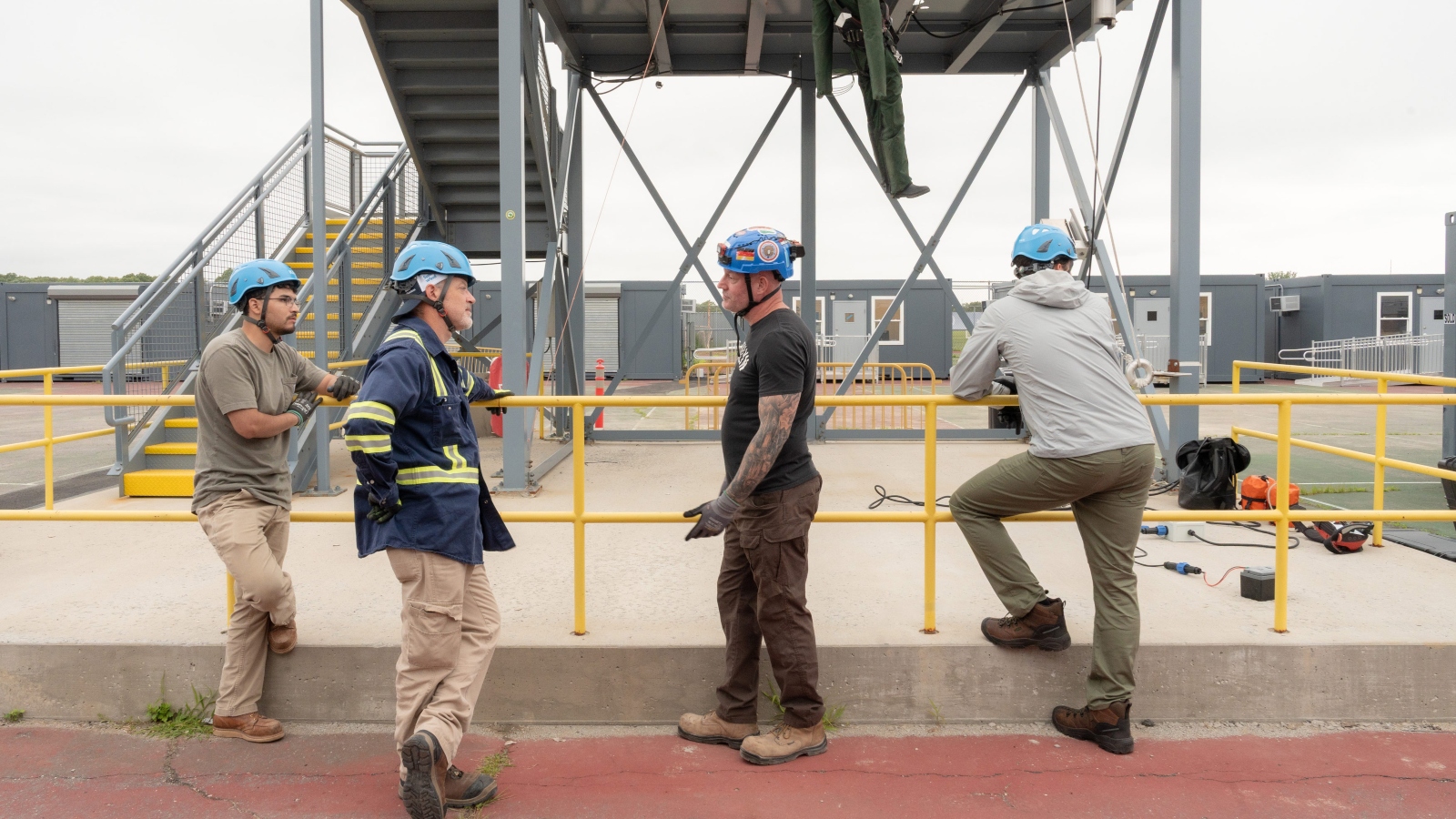
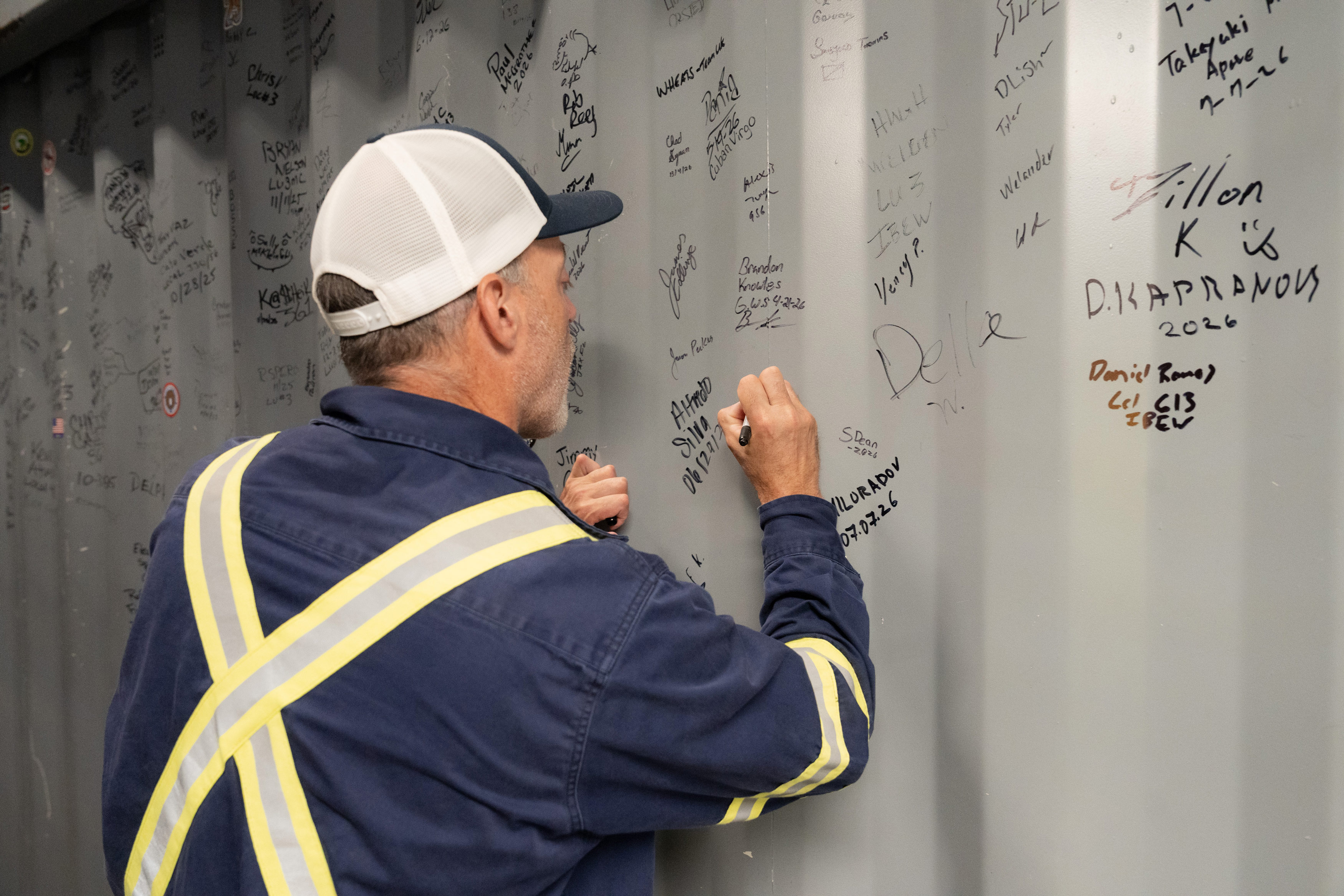
Among those caught in the shifting currents is William “Billy” Bishop, a former U.S. Navy sailor and union laborer belonging to Local 1298 on Long Island. Two years ago, Bishop saw a rare professional alignment: an emerging domestic maritime energy sector crying out for skilled labor, paired with robust federal incentives designed to spark a generation boom. After completing rigorous safety certifications at the National Offshore Wind Training Center (NOWTC)—a collaborative venture between Suffolk County Community College, the Long Island Federation of Labor, and multinational renewable developer Ørsted—Bishop deployed to a wind farm near Rhode Island. Today, he performs structural inspections and maintenance on Sunrise Wind, a commercial-scale project currently under construction off the coast of Long Island.
Yet, Bishop’s long-term future in the sector remains murky. The return of the Trump administration and its aggressive pushback against clean energy projects have stalled the industry’s once-meteoric trajectory.
“I would definitely do this forever, and I’ve looked into it since getting the job. But I see contracts are falling through nonstop now in America,” Bishop said. “This might be the last one for a while.”
The Rise of the American Offshore Wind Sector
To understand the current anxiety, one must look back to the foundational policy shifts of 2021. Early in the Biden administration, the federal government established an ambitious target: generating 30 gigawatts of offshore wind power by the end of the decade, effectively starting from near-zero commercial output. Federal agencies projected that achieving this goal would require an estimated 77,000 workers by 2030. These professionals would be needed across a vast supply chain, encompassing turbine construction, subsea electrical grid integration, facility operations, and the heavy manufacturing of rugged marine steel components.
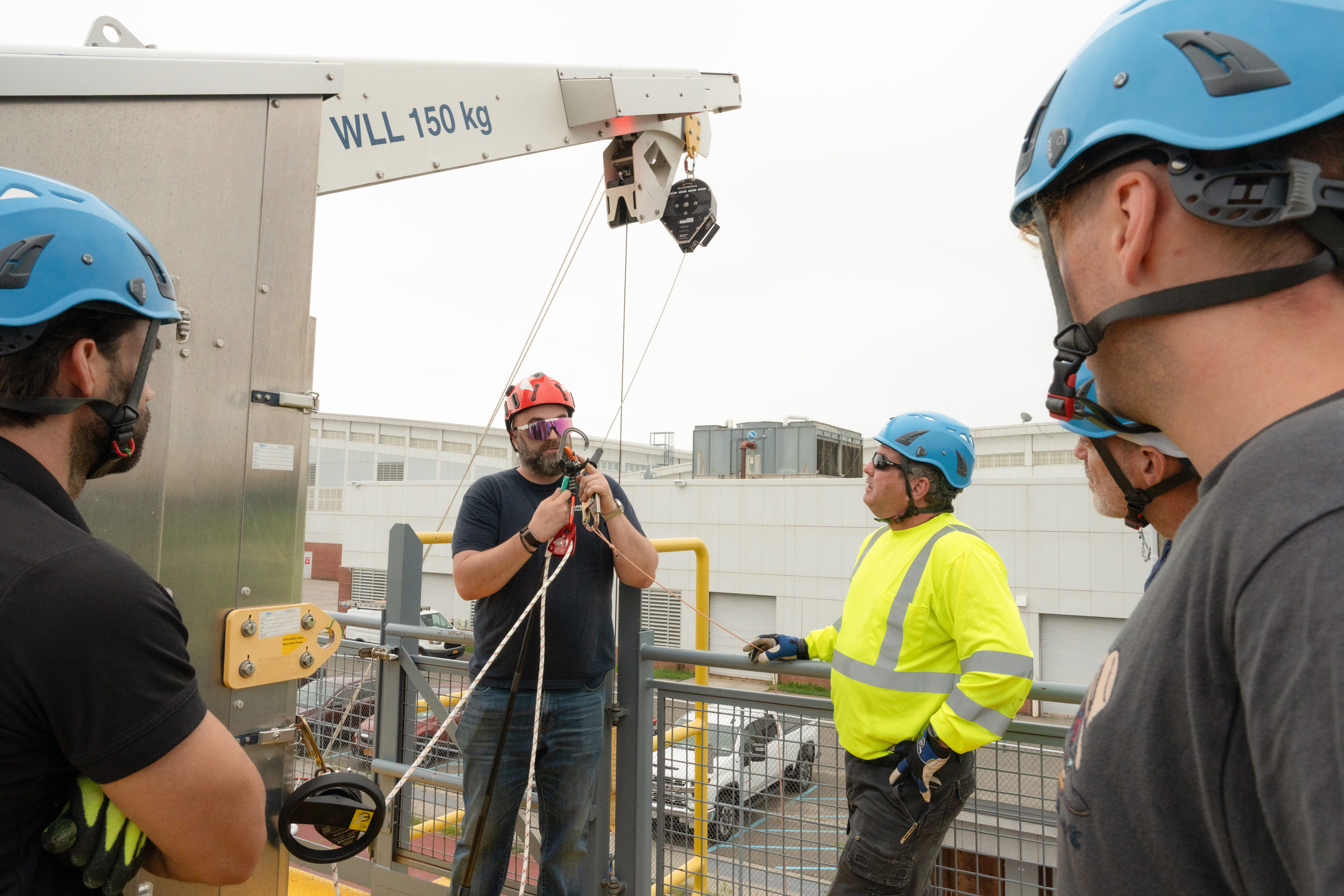
In response, states, energy developers, universities, and labor unions forged unprecedented partnerships. Workforce development initiatives materialized across the nation’s coasts. These programs offered everything from specialized offshore survival and safety certifications for seasoned construction hands to multi-year apprenticeships for wind turbine technicians and graduate-level academic tracks focused on offshore wind policy and spatial planning.
The rationale was clear: the United States was poised to capture a dominant share of a global renewable energy market, bringing well-paying union jobs to coastal communities. The nation’s first commercial-scale offshore wind facility, South Fork Wind off the Long Island coast, successfully delivered its first power to the grid in December 2023. At that moment, dozens of massive projects were making their way through federal permitting pipelines, backed by billions in federal loans, grants, and tax credits.
A Sudden Halt: The 2025 Policy Reversal
That momentum hit a brick wall on January 20, 2025. Upon taking office for his second term, President Donald Trump signed an executive order initiating a temporary withdrawal of Outer Continental Shelf areas from offshore wind leasing, while ordering an exhaustive review of federal permitting practices.
Subsequent months brought additional federal roadblocks. The administration issued emergency stop-work orders for several active offshore wind projects under construction, citing unspecified national security concerns. Although federal courts eventually overturned both the initial leasing pause and the stop-work orders, the administration’s broader strategy persisted.
The federal government subsequently rolled back renewable energy tax credits, dismissing them as market-distorting subsidies for foreign-controlled energy sources, and canceled hundreds of millions of dollars in federal grants earmarked for marine renewable infrastructure. Furthermore, the administration adopted a strategy of financial attrition, initiating federal buyouts to encourage developers to surrender their offshore leases entirely, while systematically slow-walking permit reviews for any lingering projects.
The cumulative effect has drastically reduced the pipeline of active developments. Currently, only about 6 gigawatts of offshore wind capacity are operational or actively under construction off U.S. coasts—less than a third of what federal regulators had previously approved. No new commercial-scale offshore wind projects have broken ground since the political transition, casting a long shadow over the future viability of specialized labor pipelines.
Adaptation in the Classroom and the Union Hall
Rather than closing their doors entirely, institutions designed specifically for the offshore wind boom are executing strategic pivots. Training centers are slimming down operations, shifting their focus toward skills that translate to other infrastructure sectors, or relying on the handful of active projects scheduled for completion over the next two years.
Roger Clayman, a NOWTC director and retired executive director of the Long Island Federation of Labor, noted that while long-term forecasting remains difficult, facilities are maintaining operations with cautious optimism. “We’re not making any decisions right now,” Clayman said. “Offshore wind will be back.”
Clayman estimates that NOWTC will maintain a steady workflow through roughly 2027—the projected completion window for Ørsted’s Sunrise Wind project. Beyond that milestone, however, the horizon grows hazy. Major developers such as Ørsted and Equinor have increasingly curtailed public statements regarding their long-term U.S. capital expenditures, reflecting a cooling market sentiment.
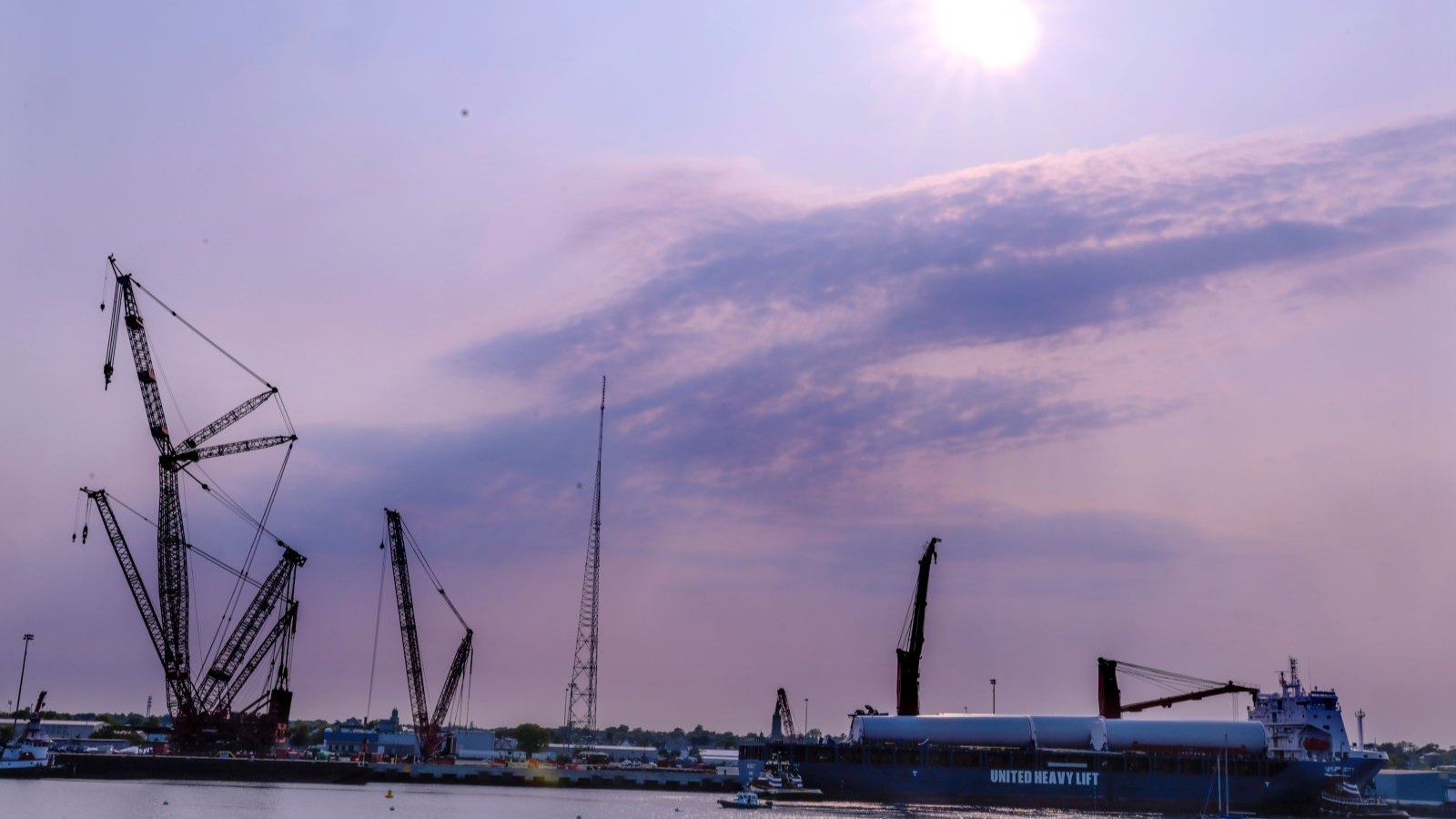
Similar institutional anxieties resonate within heavy-labor unions. In Boston, Pile Drivers Local Union 56 upskilled its members to handle massive marine foundation piles weighing up to 1,800 tons apiece. Backed by grants from the Massachusetts Clean Energy Center and heavy-lift training from European marine contractor Deme, these workers contributed to the successful completion of Vineyard Wind 1 off Martha’s Vineyard and Revolution Wind off Rhode Island.
John Dunderdale, business manager for the pile drivers’ union, expressed frustration over the sudden cessation of projects like New England Wind and SouthCoast Wind, both of which were on the verge of construction when the federal administration shifted.
“We should have been on to the next one,” Dunderdale said. “The jobs were there. The training was there. The money, you know, everything was there.”
Pivoting to Broader Energy Infrastructure
Recognizing the vulnerability of relying on a single, politically volatile sub-sector, educational institutions are quietly broadening their curriculums.
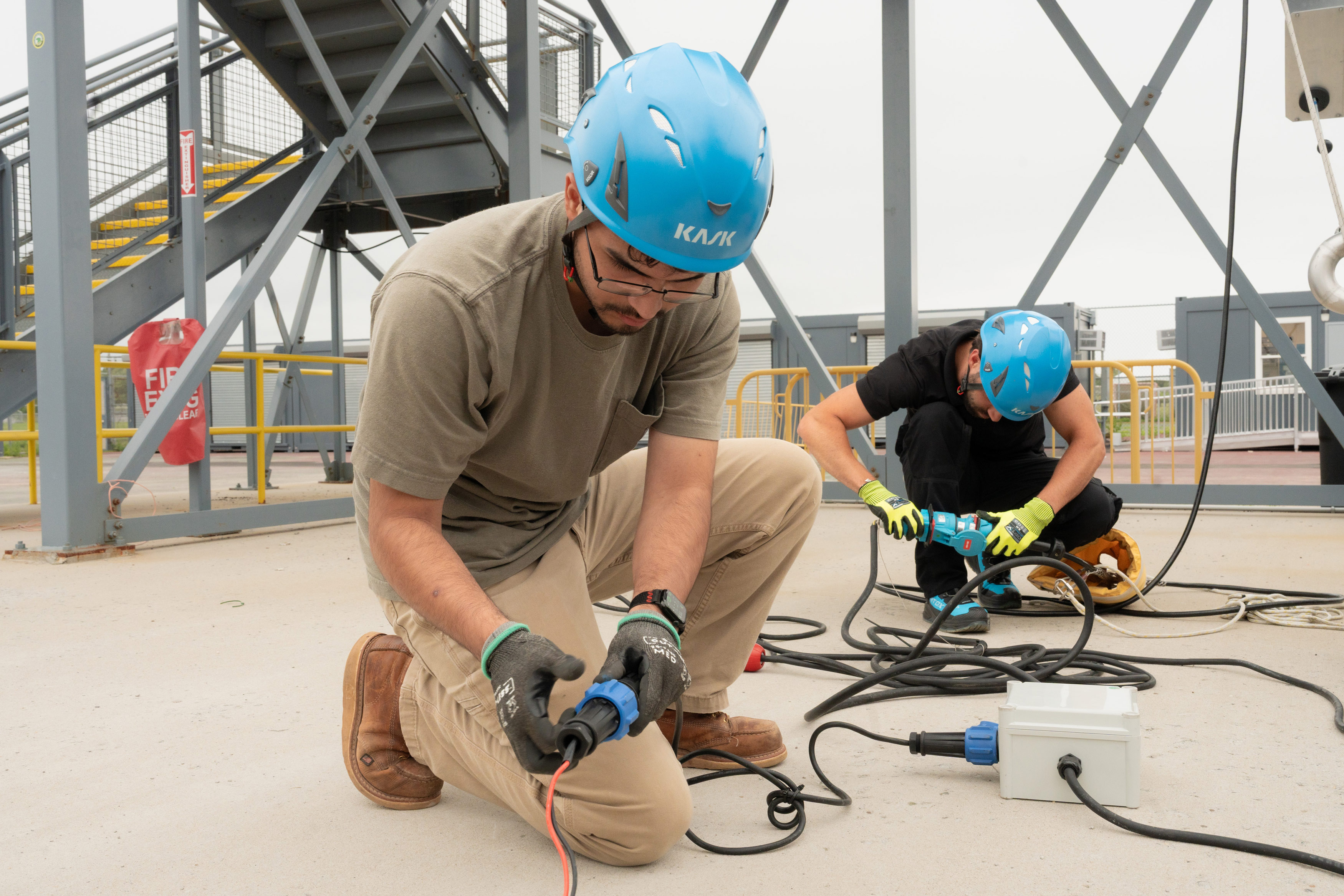
At Stony Brook University, located a short drive from NOWTC, undergraduate engineering students gather in specialized laboratories to study high-voltage direct current (HVDC) power transmission. While the curriculum was originally designed to support offshore wind integration—which requires efficient long-distance transmission from remote marine generation sites to urban population centers—faculty members have modified the coursework. The program now emphasizes broader grid applications, such as connecting utility-scale solar farms to energy storage batteries and stabilizing regional electrical grids.
“Luckily, we have a skill and a discipline that we’re teaching these students that does not entirely rely on offshore wind,” said Derek O’Connor, senior workforce development manager in Stony Brook’s Office for Research and Innovation.
Similar diversification efforts are visible in programs like “A Taste of the Trades,” a collaborative summer initiative involving Stony Brook, Suffolk County Community College, Brookhaven National Laboratory, and industry partners. Originally tailored to introduce high school students to offshore wind careers via microgrid development and advanced welding, the program now provides a comprehensive overview of the entire domestic electrical grid.
This pragmatic versatility mirrors broader trends across the American labor market. According to the U.S. Bureau of Labor Statistics, occupations such as wind turbine service technicians and solar photovoltaic installers remain among the fastest-growing professions nationwide, driven by secular trends in energy demand and grid modernization.
“The industry continues to grow, even with the uncertainty that we’re experiencing,” said Abby Huston, vice president of programs for the Clean Power Institute, the workforce arm of the American Clean Power Association. “What we’ve found is there’s a lot more adaptation in terms of how to build workforce programs rather than closing them down, because there’s still such a huge need.”
State-level agencies are also recalibrating. The Massachusetts Clean Energy Center has redirected a portion of its funding toward a broader portfolio of marine technologies, including coastal resilience engineering and marine ecosystem DNA sequencing. Meanwhile, workforce programs in states like Maryland have successfully transitioned skilled labor candidates from offshore wind pipelines into adjacent fields such as commercial shipbuilding and aerospace manufacturing.
The Broader Economic Implications
Energy analysts emphasize that the underlying drivers of renewable energy adoption—including surging electricity demand from data centers, industrial electrification, and aging grid infrastructure—have not disappeared. Many industry experts argue that escalating fossil fuel volatility and rising power prices may ultimately force future policymakers to reconsider offshore wind as a vital component of a diversified energy portfolio.
For now, however, training centers are experiencing a demographic shift in their applicant pools. Clayman noted that an increasing percentage of enrollees at NOWTC are veteran workers returning to renew expiring two-year safety certifications, rather than fresh cohorts entering the industry for the first time.
For Billy Bishop, the immediate future is tethered to the completion schedule of Sunrise Wind. Once his inspection work concludes, he anticipates returning to land-based heavy construction—unless macroeconomic realities and political winds shift once more to reopen America’s offshore waters.