Researchers at the University of Louisville have identified a precise molecular mechanism through which a naturally occurring compound derived from gut microbes helps protect the intestinal lining, offering a promising pathway for novel therapeutic approaches to inflammatory bowel disease (IBD). Published in the peer-reviewed journal Nature Communications, the study sheds light on how diet, microbial digestion, and human cellular biology intersect to regulate gut health, potentially steering future treatments away from broad immunosuppression toward targeted cellular repair.
The research focuses on urolithin A (UroA), a microbial metabolite produced when gut bacteria digest ellagitannins—compounds abundantly found in everyday foods such as pomegranates, walnuts, and various berries. Led by Venkatakrishna Rao Jala, an associate professor in the Department of Microbiology and Immunology and a researcher at UofL’s Brown Cancer Center, the scientific team uncovered how UroA engages specific cellular receptors to mend damaged intestinal tissue. This discovery marks a significant step forward in understanding the complex biochemical dialogue between the human digestive tract and its resident microbiome.
Understanding Inflammatory Bowel Disease and the Gut Barrier
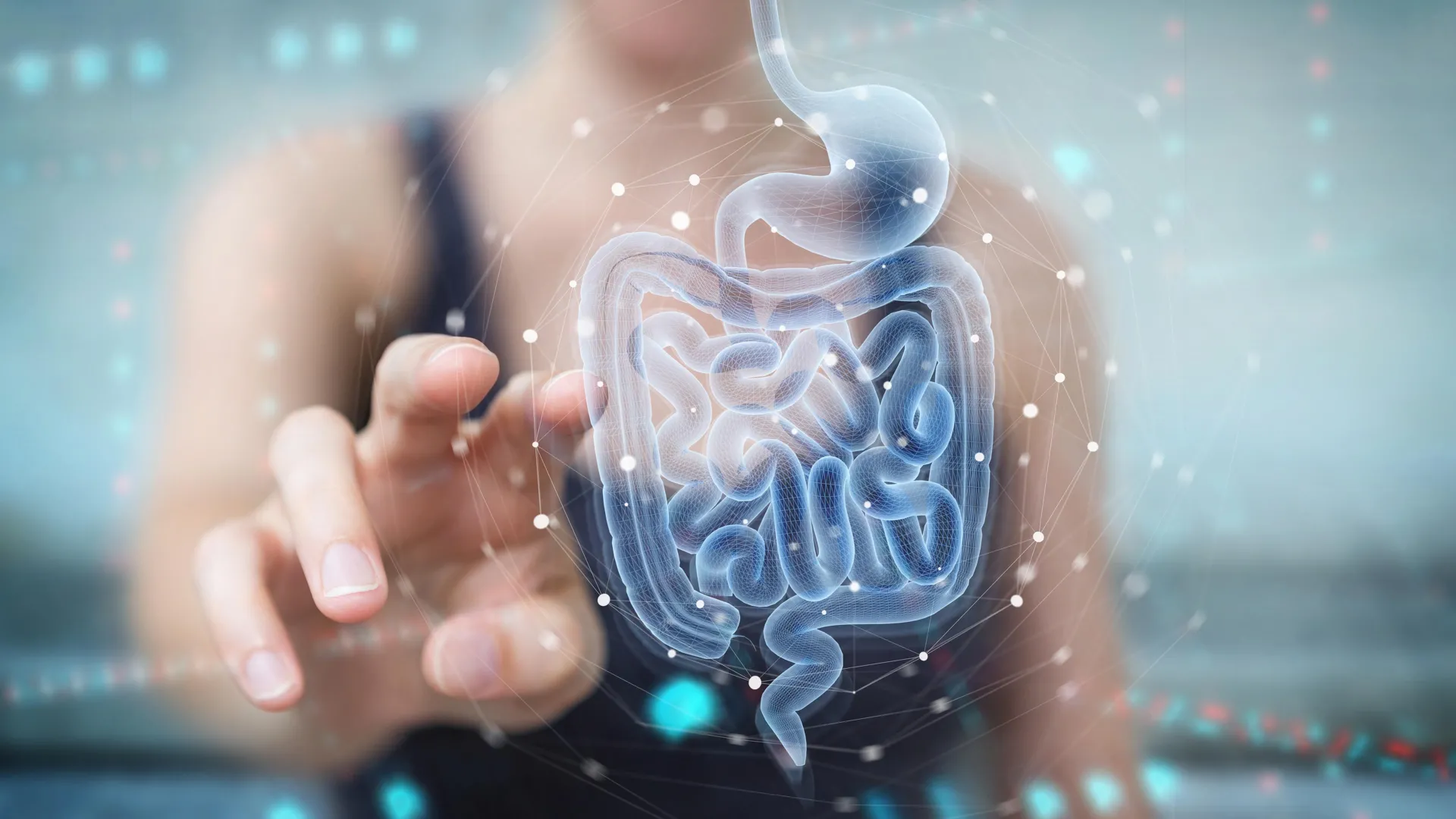
Inflammatory bowel disease, which broadly encompasses conditions such as Crohn’s disease and ulcerative colitis, affects millions of individuals worldwide, causing chronic discomfort, severe abdominal pain, and long-term gastrointestinal complications. At the core of these pathologies is persistent, deregulated inflammation that progressively erodes the structural integrity of the intestinal lining.
In a healthy individual, the gastrointestinal tract acts as a highly selective barrier. It must allow essential nutrients, water, and electrolytes to pass smoothly into the bloodstream while simultaneously blocking the infiltration of harmful luminal bacteria, antigens, and toxins. For patients suffering from IBD, this barrier function becomes severely compromised. The breakdown of the intestinal epithelial layer allows luminal pathogens and foreign substances to leak into underlying tissues, triggering an aggressive, runaway immune response that perpetuates tissue damage and drives chronic inflammation.
Traditional pharmacological interventions for IBD typically rely on broad-spectrum anti-inflammatory drugs or systemic immunosuppressants. While these medications can successfully reduce inflammation in many patients, they often carry substantial side effects, including an increased susceptibility to severe systemic infections, because they dampen the entire immune system rather than correcting the localized cellular defects responsible for barrier breakdown. Consequently, gastroenterologists and immunologists have long sought targeted therapies capable of reinforcing the intestinal barrier and promoting natural tissue healing without compromising the patient’s overall immunity.
The Chronology and Evolution of Urolithin Research
The journey toward understanding the therapeutic potential of UroA has evolved over several years of rigorous scientific inquiry. Long before the recent publication in Nature Communications, Jala and his research team at the University of Louisville recognized the gut-protective properties of urolithin A, publishing foundational work that established its positive influence within the gastrointestinal tract. However, the precise molecular pathways through which UroA exerted its beneficial effects remained largely elusive.
In the years following their initial observations, Jala’s laboratory turned their attention to the aryl hydrocarbon receptor (AHR), a prominent protein found inside cells that acts as a sophisticated environmental sensor. AHR responds to a myriad of external signals, ranging from dietary components and gut microbial metabolites to environmental toxins.
For decades, the scientific community held a somewhat polarized view of AHR. Researchers well documented that when AHR was forcefully activated by certain environmental toxins—such as dioxins—it could trigger detrimental, toxicological, and pro-inflammatory cascades. Conversely, emerging studies began hinting that beneficial dietary compounds could also engage the exact same receptor to support intestinal homeostasis. This dual, seemingly contradictory nature of AHR perplexed immunologists: how could the exact same protein mediate both harmful toxicity and health-promoting protection?
Resolving this scientific paradox required looking closer at the spatial dynamics and signaling strength of receptor activation. The Louisville team hypothesized that the cellular outcome of AHR activation is not uniform, but rather highly dependent on where within the tissue the activation occurs and how intensely the receptor is stimulated.
Unlocking the Cellular Mechanism: From Receptor to Repair
To test this hypothesis, the researchers examined how UroA interacts with AHR across different cell types within the gut. Their investigations revealed a highly selective mechanism: UroA specifically activates AHR within intestinal epithelial cells—the specialized layer of cells that form the primary physical barrier of the gut lining.
When AHR is engaged by UroA in these specific epithelial cells, it initiates a precise biochemical cascade that activates the NLRP6 inflammasome. In contemporary immunology, inflammasomes—including NLRP6—have frequently been viewed with caution, as they are commonly implicated in driving damaging inflammatory cascades in various chronic diseases. However, the University of Louisville study demonstrates that under the right physiological conditions and within specific cell types, inflammasomes can act as vital defenders of tissue health rather than agents of destruction.
When UroA successfully activated the NLRP6 inflammasome inside intestinal epithelial cells, it did not provoke runaway inflammation. Instead, it prompted the controlled, physiological release of specific signaling molecules essential for normal gut maintenance and repair. These targeted molecules played a crucial role in orchestrating several protective functions: they accelerated the repair of the damaged gut lining, structurally reinforced the intestinal epithelial barrier, stimulated increased production of protective mucus to shield tissues from luminal friction and bacteria, and significantly strengthened local antimicrobial defenses.
Sweta Ghosh, formerly a postdoctoral researcher in Jala’s laboratory and the lead investigator on the study, emphasized the paradigm-shifting nature of these findings. "The findings show that not all inflammatory pathways are harmful," Ghosh noted. "Under the right conditions and in the right cells, these pathways can play an essential role in maintaining gut health and supporting tissue repair."
Multi-Model Validation and Human Tissue Testing
To ensure the robustness and clinical relevance of their findings, the research team employed a rigorous, multi-tiered experimental framework. They validated the UroA-AHR-NLRP6 pathway across diverse laboratory models, utilizing advanced cell culture studies, sophisticated 3D organoid models that mimic human intestinal architecture, and primary intestinal tissue samples generously provided by patients suffering from IBD.
Crucially, when the researchers tested the mechanism on human IBD tissue samples, UroA activated the exact same protective pathway observed in their cell and organoid models. This translation from preclinical models to human tissue provides strong preliminary evidence that the therapeutic pathway identified in mice and cellular cultures is conserved in human biology, opening a clear translational bridge toward human clinical applications.
This comprehensive approach allowed the team to map out the exact molecular signaling cascade from ingestion to cellular repair. When individuals consume foods rich in ellagitannins—such as pomegranates, walnuts, and strawberries—gut microbes metabolize these complex plant molecules into urolithin A. Once absorbed into the local environment of the gut, UroA selectively binds to and activates AHR in intestinal epithelial cells, triggering the NLRP6 inflammasome to release restorative factors that heal the mucosal barrier.
Broader Implications for Future Therapeutics
The implications of this study extend well beyond the immediate field of inflammatory bowel disease, pointing toward a paradigm shift in how pharmacologists and gastroenterologists approach chronic inflammatory conditions. By demonstrating that microbial metabolites can harness specific components of the immune system to restore tissue integrity, the research offers a blueprint for designing precision therapeutics.
Traditional IBD treatments are often likened to a blunt instrument, suppressing the immune system broadly to halt inflammation, which can leave patients vulnerable to secondary infections and malignancies. In contrast, understanding precise pathways like the UroA-AHR-NLRP6 axis suggests a far more surgical approach: developing targeted pharmacological agents or dietary supplements that selectively stimulate protective mechanisms within specific cell populations without shutting down the body’s systemic immune defenses.
"This study helps us better understand how natural compounds produced through interactions between diet, gut microbes and the body can influence disease processes," said Jala. "By identifying this specific protective pathway, we may be able to develop more targeted therapeutic approaches that restore intestinal balance instead of broadly suppressing immune responses."
Looking ahead, the research team plans to investigate whether optimizing dietary intake of urolithin A precursors or administering synthetic analogs designed to precisely target this receptor pathway can alter the clinical course of IBD in human clinical trials. While researchers caution that dietary modifications alone cannot replace medical treatment for established, severe autoimmune and inflammatory conditions, harnessing the microbiome-diet interface represents an increasingly vital frontier in modern medicine.
As the scientific community continues to unravel the complex web of interactions between human physiology and the trillions of microbes residing in the gut, studies like this underscore the profound impact of nutritional science. By turning dietary components into targeted molecular medicine, researchers at the University of Louisville have brought medical science one step closer to therapies that work in harmony with the human body’s own regenerative capacities.