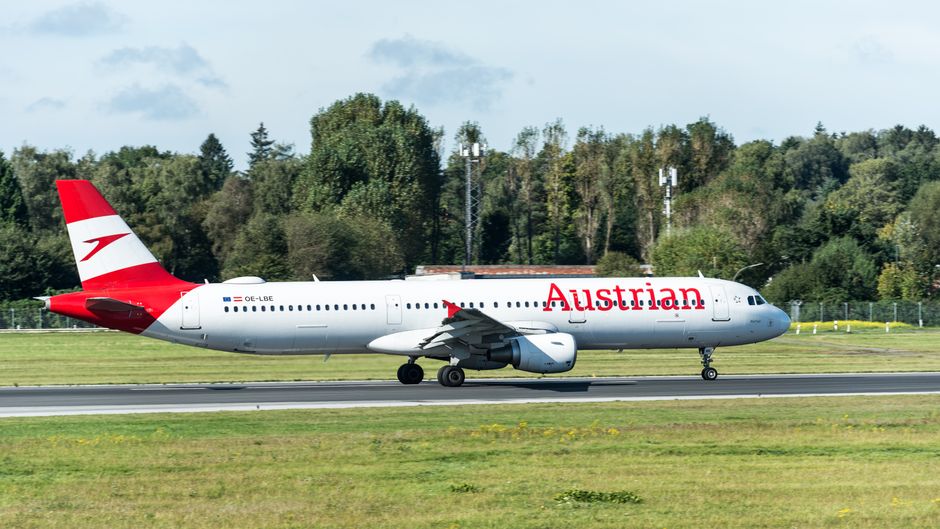
Smoke Cockpit Forces Budapest Lyon Flights Emergency Landing Austria
On a recent Budapest to Lyon flight, a harrowing incident unfolded when a Boeing 737 experienced a significant smoke event in the cockpit, forcing an immediate emergency landing. The flight, operated by a European airline, was en route to its destination when pilots detected the unusual presence of smoke emanating from the flight deck. The source of the smoke was not immediately apparent, triggering a cascade of safety protocols and a rapid assessment of the situation by the flight crew. Air traffic control in the vicinity was alerted to the developing emergency, and contingency plans for an unscheduled diversion were initiated. The safety of passengers and crew was paramount, and the pilots, trained for such critical situations, made the decisive call to divert to the nearest suitable airport, which happened to be in Austria. This event underscores the rigorous training and preparedness of aviation professionals in managing unforeseen emergencies at altitude.
The nature of smoke in an aircraft cockpit is inherently dangerous. Smoke can impair visibility, degrade air quality, and potentially lead to incapacitation of the flight crew. The immediate priority for the pilots is to identify the source of the smoke and, if possible, mitigate it. This often involves activating emergency equipment, such as portable fire extinguishers, and potentially shutting down non-essential systems to isolate the affected area. The sensory experience of smoke, even if not directly harmful in small quantities, creates an environment of extreme stress and urgency. The acrid smell and the visual obstruction demand swift and precise action. In this specific instance, the pilots, operating under immense pressure, were able to maintain control of the aircraft while simultaneously communicating the evolving situation to their cabin crew and air traffic control. The effectiveness of their training in simulating and responding to such emergencies was put to a real-world test.
The decision to divert was a critical one, made after a rapid evaluation of available options. The flight path of the Budapest to Lyon service would have placed the aircraft over significant distances with limited immediate landing opportunities. Austrian airspace, therefore, presented the most viable and safest course of action. Air traffic control agencies in Austria were immediately notified of the emergency landing request, and clearances were granted with utmost priority. This expedited process is standard procedure for emergency diversions, ensuring that the aircraft is directed to a runway with minimal delay, reducing the time the aircraft and its occupants are exposed to the potentially hazardous situation. The coordination between the flight crew and air traffic control is a testament to the robust air traffic management systems in place across Europe.
Upon nearing the designated Austrian airport, the flight crew continued to work through their emergency checklist. This involves a systematic approach to securing the aircraft for landing under non-standard conditions. Factors such as reduced visibility due to smoke, potential system malfunctions, and the psychological stress on the crew are all taken into account. The cabin crew, meanwhile, were tasked with preparing the passengers for an emergency landing. This involves clear and concise instructions regarding safety procedures, such as the brace position, and reassurance. The professionalism and composure of the cabin crew are vital in managing passenger anxiety during such turbulent moments. The communication between the flight deck and the cabin is a critical element of the overall safety strategy.
The landing itself was executed under the guidance of air traffic control and airport emergency services. While the exact details of the landing are subject to ongoing investigation, reports suggest a controlled and successful touchdown. The immediate aftermath of the landing would have involved the aircraft being met by emergency personnel, including fire crews and medical teams. The primary objective is to ensure the safe evacuation of all passengers and crew from the aircraft. The swift and efficient disembarkation of passengers is a top priority, especially in the presence of smoke. Passengers would have been guided away from the aircraft to a safe assembly point.
The investigation into the cause of the smoke event would have commenced immediately. Aircraft manufacturers, regulatory bodies, and the airline would all be involved in a thorough inquiry. Potential causes for smoke in the cockpit can range from electrical malfunctions to issues with environmental control systems or even minor component failures. The examination of flight data recorders and cockpit voice recorders would be crucial in piecing together the sequence of events leading up to the smoke. Detailed inspections of the aircraft’s systems and components would also be undertaken. The aim of such investigations is not only to determine the root cause of the incident but also to implement preventative measures to avoid similar occurrences in the future. The lessons learned from these investigations contribute to the continuous improvement of aviation safety standards worldwide.
The Boeing 737 is one of the most widely used commercial aircraft in the world, with an excellent safety record. Incidents like this, while alarming, are exceptionally rare. The robust design and stringent maintenance schedules of these aircraft, coupled with the comprehensive training of flight crews, contribute to the high level of safety in commercial aviation. The air travel industry operates under a principle of continuous learning and improvement, and every incident, regardless of severity, is an opportunity to enhance safety protocols and procedures. The Budapest to Lyon flight emergency landing in Austria, while a stressful event for those on board, ultimately demonstrated the effectiveness of these safety systems.
The passengers on board, while undoubtedly shaken, would have been the beneficiaries of the pilots’ expertise and the airline’s safety protocols. Post-landing, arrangements would have been made for the passengers’ onward travel, including accommodation and alternative flight arrangements. The airline would have been responsible for managing the logistical and welfare needs of all affected passengers. This includes providing information, support, and ensuring their comfort and safety as they are repatriated or continue their journeys. The experience for these passengers would have been a stark reminder of the inherent risks of air travel, however statistically small, and the critical importance of the professionals who manage them.
The investigation would meticulously examine the electrical systems of the aircraft. Faulty wiring, overloaded circuits, or malfunctioning electronic components can all generate heat and, in some cases, smoke. The environmental control system (ECS) is another potential area of focus. The ECS manages cabin pressure, airflow, and temperature. Malfunctions within the ECS, particularly those involving bleed air from the engines, can sometimes lead to the introduction of fumes or smoke into the cabin and cockpit. The bleed air system itself can be a source of heat if there are leaks or other issues.
Another significant area of investigation would be the auxiliary power unit (APU). The APU is a small turbine engine typically located in the tail of the aircraft, used to provide power on the ground and as a backup in flight. A malfunctioning APU could generate smoke or fumes. The flight data recorder (FDR) would provide critical information about engine parameters, system status, and control inputs leading up to and during the incident. The cockpit voice recorder (CVR) would capture the communications between the pilots and potentially with air traffic control, offering insights into their assessment of the situation and their decision-making process.
The maintenance history of the specific aircraft involved would be thoroughly reviewed. Any recent maintenance activities, component replacements, or reported issues would be scrutinized to determine if they played a role in the incident. Aircraft components are subject to rigorous testing and certification, but even the best systems can, on rare occasions, experience failures. The nature of the smoke, its color, odor, and location within the cockpit, as reported by the flight crew, would provide valuable clues to investigators. For instance, oily smoke might suggest an engine or hydraulic system issue, while electrical smoke could point to a wiring problem.
The incident would also trigger a review of the airline’s operational procedures and pilot training programs. While the pilots in this case performed admirably, any incident provides an opportunity for airlines to identify areas for enhancement in their training simulations and emergency response protocols. The procedures for smoke detection and mitigation are a core component of pilot training for all commercial aircraft. This includes understanding the limitations of aircraft systems, the proper use of fire-fighting equipment, and effective communication strategies.
The diversion to Austria highlights the importance of international cooperation in aviation safety. Air traffic control agencies across different countries are highly integrated, allowing for seamless coordination during emergencies. The Austrian authorities would have provided all necessary support to the diverted aircraft, ensuring a swift and safe resolution to the situation. The quick response from the Austrian emergency services at the airport would have been crucial in managing the immediate aftermath of the landing.
The long-term implications of such an event, beyond the immediate resolution for passengers, involve contributing to the collective knowledge base of aviation safety. The detailed findings of the investigation, once published, would be disseminated to airlines, manufacturers, and regulatory bodies worldwide. This ongoing process of learning and adaptation is what underpins the remarkable safety record of modern air travel. The resilience and professionalism demonstrated by the flight and cabin crews, as well as the efficiency of the air traffic management and emergency response systems, are central to ensuring that air travel remains one of the safest modes of transportation. The focus remains on identifying the precise cause of the smoke event and implementing all necessary measures to prevent recurrence, thereby reinforcing the unwavering commitment to passenger and crew safety in the skies.
