In the twilight hours near the village of Puwakpitiya, nestled on the northern fringes of Sri Lanka’s mist-shrouded Knuckles Mountain Range, a team of biologists embarked on a quest that would span two decades. Armed with drift fences, pitfall traps, and a unconventional bait choice that defied standard mammalogy protocols, they were searching for small, elusive terrestrial mammals. While global researchers typically rely on peanut butter to lure rodents, the mice in this Central Sri Lankan ecosystem showed no interest. It was only when the team turned to a local staple—pieces of burnt coconut—that the creatures finally emerged from the shadows of the forest edge.
This serendipitous discovery on March 11, 2004, marked the beginning of a long journey to identify a new species of spiny mouse, now formally named Mus dumbara. The identification process, which required years of genetic and morphological analysis, has finally concluded, adding a significant new member to Sri Lanka’s roster of endemic mammals.
The Chronology of a Scientific Mystery
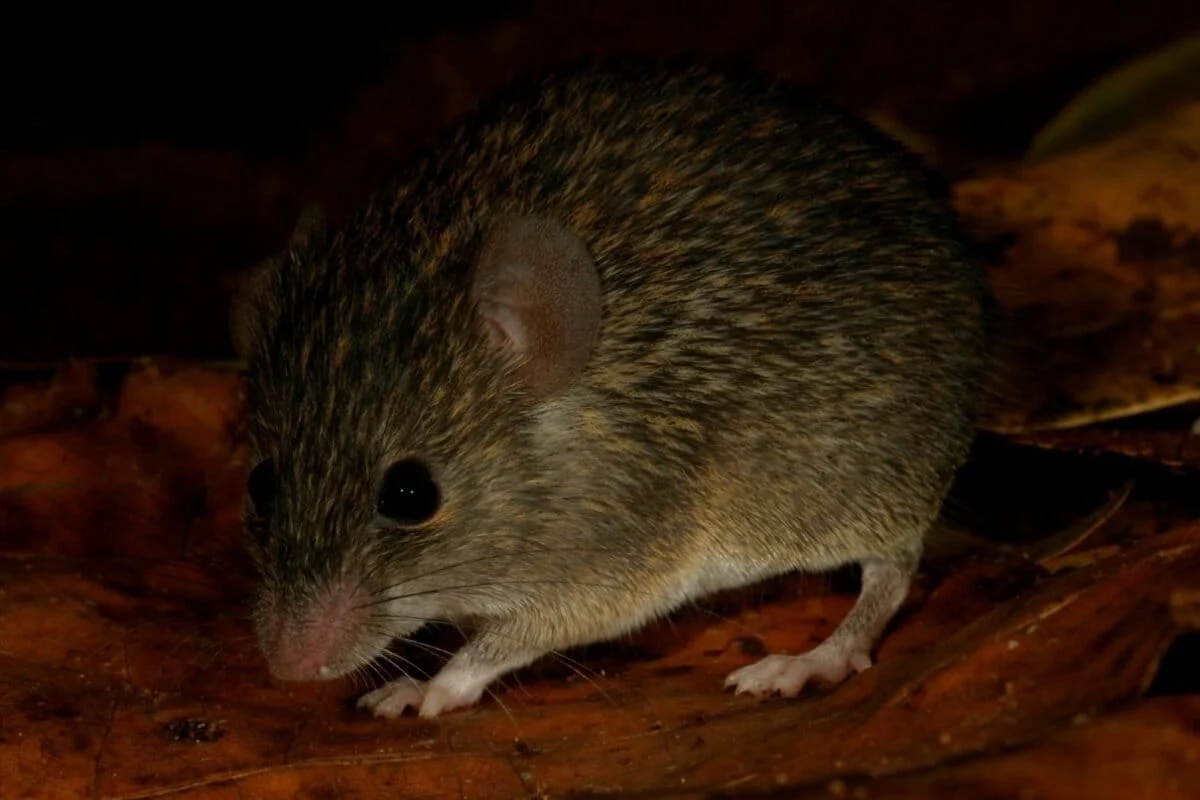
The initial encounter in 2004 yielded two female specimens that immediately caught the attention of the research team. Measuring no larger than a child’s palm, the mice displayed a distinct fulvous-gray pelage, intermixed with spiny guard hairs, and possessed a slender, naked tail that exceeded the length of their head and body. While they bore a superficial resemblance to the Mayor’s mouse (Mus mayori), a species already endemic to the Sri Lankan highlands, specific anatomical differences in the skull and tail structure hinted at a unique evolutionary lineage.

However, the path to formal classification was fraught with challenges. In 2014 and 2015, Suyama Boyagoda, then a researcher studying shrews for her Ph.D., returned to the exact site in the Knuckles Range. Despite an exhaustive effort involving 1,900 trap nights, the team failed to secure another specimen of the mysterious rodent. This period of silence underscored the difficulty of studying small, cryptic mammals, which are often overlooked in favor of more charismatic, larger fauna.
It was not until meticulous genetic sequencing was performed that the scientific community received definitive proof. The DNA analysis revealed an 11.7% genetic divergence between the Puwakpitiya specimens and the known Mus mayori and Mus fernandoni species. This level of genetic separation is significant in the field of mammalogy, confirming that the Dumbara spiny mouse had been evolving independently for a vast period, likely isolated by the unique topography of the Knuckles Range.
Taxonomic Distinctions and Physical Characteristics
The formal description of Mus dumbara, published in the journal ZooKeys, highlights several key morphological traits that distinguish it from its closest relatives. Beyond its unique genetic profile, the mouse possesses a moderately prominent supraorbital ridge—a bone structure above the eye socket—that differentiates it from other members of the subgenus Pyromys.
Furthermore, the physical appearance of the animal is distinct. Its hind feet are characterized by pinkish-white toes, and its dorsal surface displays a complex mix of fulvous-brown, gray, and white hairs. These features are not merely aesthetic; they are adaptations to the specific micro-climates and forest-edge environments of the Dumbara valley.

The Biodiversity Hotspot Context
The discovery of Mus dumbara highlights the immense biological value of the Knuckles Mountain Range. As part of a larger biodiversity hotspot encompassing the Western Ghats of India and Sri Lanka, this region has served as a sanctuary for life for millions of years. During the Pleistocene epoch, temporary land bridges across the Palk Strait allowed for the movement of species between India and Sri Lanka. However, as sea levels rose, these populations were isolated, leading to high rates of speciation and endemism.
Madhava Meegaskumbura, an evolutionary biologist and co-author of the study, notes that while the island has seen a surge in newly described frogs, lizards, and freshwater crabs, the discovery of a new mammal is a rare event. "Mammals are often larger and more easily detected, which is why the list of new species in this category remains relatively short," Meegaskumbura explained. The inclusion of Mus dumbara brings the total number of recognized rat and mouse species in Sri Lanka to 16, with six of those now confirmed as strictly endemic to the island.
Challenges in Small Mammal Research
The long gap between the discovery of the first specimens and the formal publication of the species highlights the systemic challenges in Sri Lankan conservation research. Sampath Goonatilake, a researcher with IUCN Sri Lanka, points out that the field is chronically underfunded and logistically demanding.
"Studying small mammals requires months of sustained effort in rugged terrain," Goonatilake said. "The cost of comprehensive, island-wide surveys is prohibitive, and there is a lack of up-to-date identification guides, which makes field work difficult for younger researchers."

The logistical hurdles are compounded by the lack of public interest in rodents, which are frequently dismissed as agricultural pests rather than vital components of the ecosystem. However, as the research team noted, these small mammals serve as essential prey for predators such as the black eagle (Ictinaetus malaiensis) and help maintain the balance of the forest floor.
Conservation Implications and Future Risks
The current, limited distribution of Mus dumbara raises immediate concerns regarding its conservation status. To date, the species has been recorded only in one valley within the Knuckles Range. While the range is a UNESCO World Heritage Site, the forest margins—the very habitat where the mouse was discovered—are under constant threat.
The expansion of agricultural plantations, road construction, and human encroachment pose direct risks to the population. Furthermore, as the species appears restricted to a specific elevational range, climate change could significantly shrink its available habitat. Experts suggest that if the mouse is found to exist at very low densities or in fragmented pockets, it could be at risk of extinction before researchers have even fully mapped its range.
A Call for Collaborative Action
The researchers emphasize that the discovery of Mus dumbara should serve as a wake-up call for the scientific community and policymakers in Sri Lanka. The need for a comprehensive taxonomic revision of the island’s small mammals is urgent. This would require a coordinated effort involving universities, national museums, and international research bodies, supported by robust funding.

"We need a shift in how we prioritize biodiversity research," said Boyagoda. "We have been looking for larger species for so long that we have overlooked the smaller, more cryptic animals that tell the true story of our island’s evolutionary history."
As the scientific community celebrates the addition of Mus dumbara to the biological record, the focus must now shift to proactive conservation. Protecting the Knuckles Range is not just about preserving the iconic, large-scale biodiversity that attracts tourists; it is about safeguarding the hidden, complex web of life that includes species like the Dumbara spiny mouse. Without immediate action to study and protect these habitats, future discoveries may be limited to the records of species that have already vanished.
The story of the burnt coconut bait is more than just a historical anecdote; it is a reminder that in the search for knowledge, the simplest tools and the most persistent curiosity can reveal secrets that have remained hidden for centuries in the heart of the forest. The survival of this newly named mouse now rests on whether the international community can provide the resources necessary to transition from discovery to long-term conservation.