Years after thousands of Indigenous Maya Q’eqchi’ people were forcibly removed from their ancestral territories in Guatemala’s Alta Verapaz region, a significant legal milestone has been reached that could set a precedent for land rights across the Americas. On October 28, the Inter-American Commission on Human Rights (IACHR) formally announced the referral of a landmark case to the Inter-American Court of Human Rights, urging the court to hold the Guatemalan state accountable for systematic human rights violations and to mandate comprehensive reparations for 14 affected communities.
The referral, submitted by the Commission on September 17, marks the culmination of nearly two decades of legal struggle. It centers on the state’s failure to protect Indigenous land tenure, the violent eviction of residents, and the subsequent environmental and nutritional devastation caused by the unchecked expansion of industrial sugarcane plantations.
A Chronology of Dispossession: The Path to the Inter-American Court
The conflict, which has deep historical roots in the structural inequality of Guatemalan land distribution, began to escalate significantly in 2005. During this period, private agricultural corporations began aggressively acquiring vast swaths of land in the Polochic Valley. The Maya Q’eqchi’ communities, who had occupied these regions for generations, found themselves on the front lines of an encroaching agribusiness boom.
The crisis intensified due to a lack of formal land titling. Despite having ancestral claims to the territory, the communities were never granted legal recognition by the state. This ambiguity created a vacuum that private interests exploited, leading to years of civil unrest and community-led protests.
The turning point occurred in 2011, when a local court authorized the mass eviction of 14 Indigenous communities. At the time, the Guatemalan government defended these actions as necessary measures to maintain order, with a state statement declaring that the authorities had a "legal and moral obligation" to curb "illegal actions" that threatened the country’s governability. However, the IACHR investigation later concluded that the evictions were characterized by a "disproportionate use of force."
The violence reached a flashpoint in May 2013, when security forces moved to clear 95 families from the Río Polochic farm in Panzós. During the operation, at least five Indigenous individuals sustained gunshot wounds, forcing a broader international spotlight onto the conflict.
The Environmental and Human Cost of Industrial Agriculture
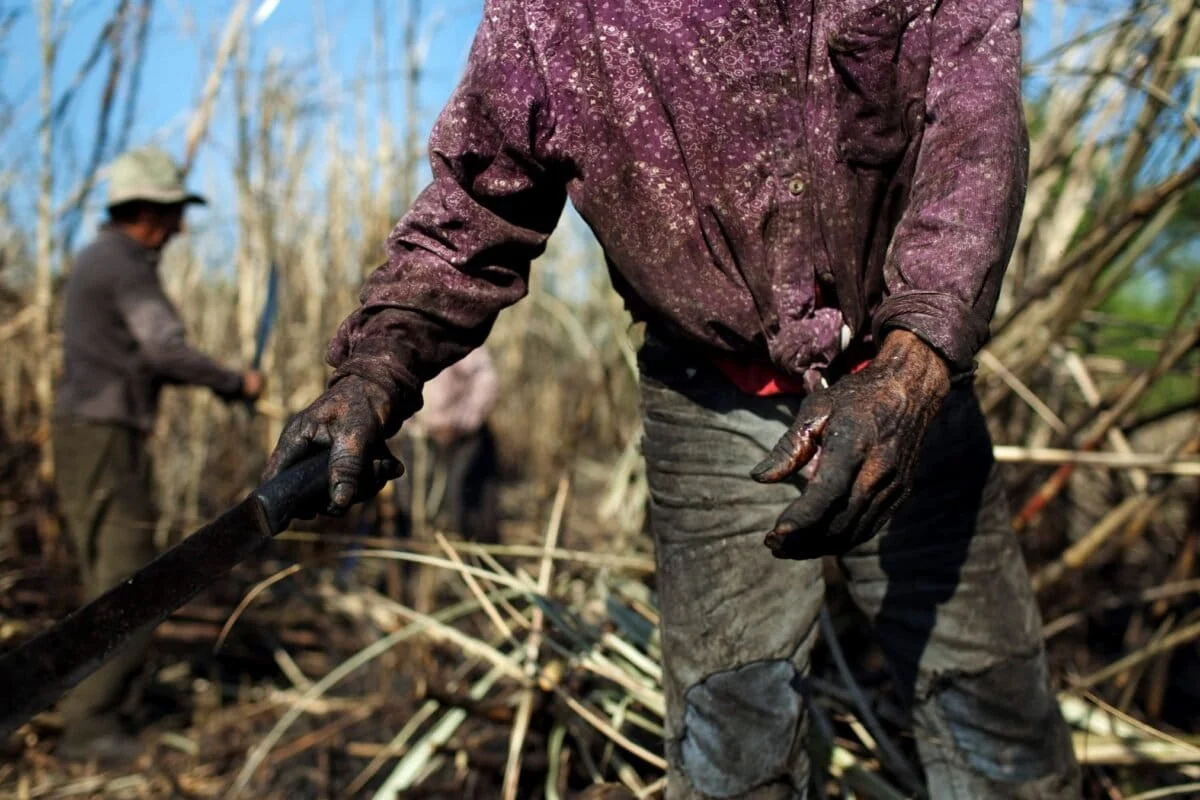
The IACHR’s referral to the court provides a devastating account of the consequences of these evictions. The Commission noted that the conversion of traditional, subsistence-based land into industrial sugarcane plantations had catastrophic effects on the local ecology and the survival of the Maya Q’eqchi’ population.
The traditional agricultural cycle, which relied on the cultivation of maize, beans, and rice, was systematically dismantled. The IACHR stated, "Sugarcane cultivation caused displacement and the loss of rice, maize and bean crops that supported the health and food security of the Indigenous Maya Q’eqchi’ population, and substantially affected the environment."
Beyond the loss of primary food sources, the Commission highlighted the state’s failure to conduct environmental impact assessments before approving massive land-use changes. The loss of access to traditional water sources and the introduction of monoculture practices resulted in a significant decline in nutritional standards and overall public health within the displaced communities. By failing to ensure the right to adequate nutrition and failing to acknowledge the communities’ historical land occupation, the Commission argues that the state abdicated its fundamental duties under the American Convention on Human Rights.
Supporting Data: Land Inequality in Guatemala
The situation in Alta Verapaz is not an isolated event but rather a symptom of a broader, long-standing struggle over land in Guatemala. According to data from the National Survey of Living Conditions (ENCOVI), rural Indigenous populations remain the most vulnerable demographic in the country.

Historically, Guatemala has one of the highest indices of land concentration in Latin America. Recent agrarian studies indicate that a small percentage of landowners control the majority of the nation’s productive land, while a large portion of the rural population—primarily Indigenous—lives on fragmented, unproductive, or contested plots. The expansion of sugarcane, which is a major export for the Guatemalan economy, often prioritizes international market demands over the subsistence rights of the local population.
The lack of a formal, transparent land registry remains a critical obstacle to justice. When land disputes arise, the state frequently favors the legal titles held by large corporations over the customary, ancestral rights held by Indigenous communities, who often lack the resources to navigate the judicial system.
Legal Implications and Demands for Reparation
The Inter-American Court of Human Rights is the highest judicial body in the Americas for human rights matters. Its rulings are binding, meaning that should the court find in favor of the 14 Maya Q’eqchi’ communities, the Guatemalan government would be legally obligated to comply with its orders.
The IACHR has laid out a robust set of demands for the court to consider:
- Restitution and Return: The state must guarantee the "safe return" of all displaced community members to their ancestral lands.
- Land Tenure: The government is called upon to formally demarcate the land and grant collective land ownership titles to the 14 communities.
- Legal Reform: The state must develop a comprehensive legal framework that recognizes and protects ancestral land rights to prevent future recurrences of these events.
- Restorative Justice: The government must provide reparations for the physical, psychological, and economic damages sustained by families during the 2011–2013 period, including access to essential services such as clean drinking water and housing.
Broader Implications for Human Rights and Agribusiness
The referral of this case is being watched closely by international human rights observers and environmental activists. It represents a shift in how international bodies address the intersection of corporate land acquisition and Indigenous rights.
For many observers, the case is a test of whether international law can effectively challenge the domestic impunity enjoyed by powerful economic sectors. If the court rules that the Guatemalan government is liable for the actions taken by private companies on state-sanctioned land, it could set a powerful precedent for other communities across the continent facing similar threats from extractive and agricultural industries.
The lack of consultation—known under international law as the right to Free, Prior, and Informed Consent (FPIC)—is a central theme of the case. By bypassing the communities in the decision-making process regarding the development of their land, the state violated the standards set forth in the United Nations Declaration on the Rights of Indigenous Peoples and the International Labour Organization’s Convention 169, both of which Guatemala has ratified.
Future Proceedings
As of late 2024, the Inter-American Court has not yet set a date for the upcoming hearings. The proceedings are expected to be lengthy and highly complex, involving extensive testimonies from community leaders, government representatives, and expert witnesses in sociology, environmental science, and human rights law.
For the Maya Q’eqchi’ families of Alta Verapaz, the legal process represents more than just a quest for financial compensation; it is a fight for the restoration of their cultural identity and the right to live in accordance with their traditions. As the court prepares to deliberate, the eyes of the international community remain fixed on Guatemala, waiting to see if justice will finally be served for those who were pushed off their land in the name of global commodity production.
The outcome will likely serve as a defining moment for the current administration in Guatemala, which faces the dual challenge of promoting economic development while fulfilling its international obligations to protect the human rights of its most marginalized citizens. The path to resolution remains arduous, but for the victims of the Polochic Valley, the referral to the Inter-American Court is the first tangible step toward reclaiming their future.