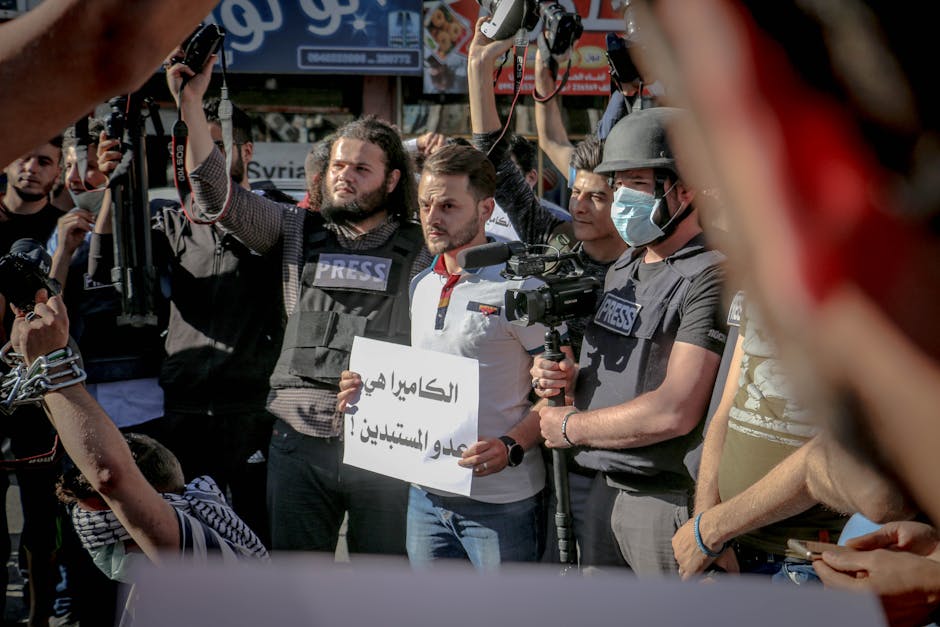
Journalists Injured as Violent Clashes Erupt Amidst Escalating Ice Protests
The increasingly volatile landscape of recent ice protests has taken a grim turn with reports of multiple journalists sustaining injuries amidst escalating violent clashes. These incidents, occurring across various protest sites, highlight a disturbing trend of escalating aggression towards media personnel attempting to document the unfolding events. The protests, initially focused on concerns surrounding [Specific cause of ice protests, e.g., glacial melt, ice harvesting disputes, conservation efforts, etc.], have been marred by confrontations between demonstrative groups and law enforcement, with journalists finding themselves caught in the crossfire. Evidence suggests a deliberate targeting of media, with some instances involving direct physical assaults and destruction of equipment, raising serious questions about the freedom of the press and the public’s right to information in these critical environmental discussions.
The surge in injuries among journalists underscores a growing pattern of animosity directed towards those tasked with reporting on contentious social and environmental movements. In [City/Region 1], a photographer for [News Outlet 1] was reportedly struck by a projectile thrown from within the protest crowd while attempting to capture images of a police line. The individual suffered a fractured arm and required immediate medical attention. Simultaneously, in [City/Region 2], a broadcast journalist and their camera crew from [News Outlet 2] were allegedly harassed and physically pushed by individuals claiming to represent the protesters, forcing them to abandon their live report. Eyewitness accounts and video footage circulating online depict scenes of chaos where protesters, in their fervor, have seemingly disregarded the role of the press, viewing them as unwelcome observers or even adversaries.
These attacks are not isolated incidents but appear to be part of a broader, concerning trend. In [City/Region 3], a reporter from [News Outlet 3] reported being verbally abused and had their microphone snatched by protesters who accused them of misrepresenting their cause. The journalist managed to retrieve their equipment, but the incident left them shaken and feeling unsafe to continue reporting. In another instance in [City/Region 4], a drone operator contracted by [News Outlet 4] had their aircraft targeted and brought down by an unknown object, resulting in significant damage and the loss of valuable footage. These actions not only endanger media professionals but also actively hinder the dissemination of accurate information to the public, a crucial element in understanding the complexities of the ice-related issues at the heart of these demonstrations.
The motivations behind these assaults on journalists are multifaceted and warrant careful examination. Some protesters may view the media as biased or controlled by opposing interests, leading to a perception that reporting will inevitably be skewed against their agenda. This distrust can be exacerbated by pre-existing narratives or specific incidents where media coverage has been perceived as unfair or inaccurate. Furthermore, the intense emotional atmosphere of protests, often fueled by a sense of urgency and frustration, can lead to a breakdown in reasoned communication, with individuals resorting to aggressive tactics against anyone perceived as an interloper, including journalists. The presence of law enforcement, while intended to maintain order, can also inadvertently create hazardous situations. Journalists attempting to navigate between protest lines and police blockades are particularly vulnerable, facing potential aggression from both sides.
The physical harm inflicted upon journalists is a direct assault on the fundamental principles of a free and democratic society. Freedom of the press is not merely a privilege for journalists; it is a vital component of public discourse and accountability. When journalists are injured or intimidated, their ability to report objectively is compromised, leading to a less informed citizenry and potentially unchecked abuses of power or environmental degradation. Organizations dedicated to press freedom, such as [Organization 1] and [Organization 2], have condemned these attacks, urging authorities to investigate thoroughly and to ensure the safety of all media personnel operating in conflict zones. They emphasize that the right to report is paramount and that any obstruction or violence against journalists must be met with swift and decisive action.
The specific context of the ice protests adds another layer of complexity. Issues surrounding climate change, resource management, and indigenous rights often intersect with these demonstrations. The scientific and social implications of diminishing ice cover, whether for ecological balance, economic activities like ice harvesting, or cultural significance, are profound. Journalists play a critical role in translating complex scientific data, human stories, and policy debates into accessible information for the public. When they are prevented from doing so, the public’s understanding of these critical issues is diminished, potentially hindering effective policy-making and public engagement. The urgency to address these environmental challenges is amplified when the very individuals tasked with informing the public are put at risk.
Analyzing the nature of the injuries sustained provides insight into the dynamics of the confrontations. Lacerations, bruises, and concussions have been reported, consistent with physical altercations, projectile impacts, and falls during crowd movements. The destruction of camera equipment, microphones, and other reporting tools represents a deliberate attempt to silence and disrupt the flow of information. This sabotage of journalistic endeavors aims to control the narrative and prevent the wider dissemination of images and accounts that might challenge specific viewpoints or expose the full extent of the conflict. The use of social media to document these attacks, while sometimes contributing to the spread of misinformation, also serves as a crucial tool for journalists and their supporters to raise awareness and demand accountability.
The legal ramifications of these assaults are significant. Depending on the jurisdiction, perpetrators of violence against journalists can face charges ranging from assault and battery to more serious offenses if intent to obstruct lawful reporting can be proven. Law enforcement agencies are under increasing scrutiny to provide adequate protection for journalists and to apprehend those responsible for the attacks. Civil liberties advocates argue for stronger legal protections for journalists, particularly during periods of civil unrest, and for increased penalties for those who intentionally harm or intimidate them. The effectiveness of these legal measures will ultimately depend on the willingness of authorities to prosecute and on the judiciary’s commitment to upholding press freedom.
The impact on the journalistic profession itself is also noteworthy. The fear of injury and harassment can lead to self-censorship or a reluctance to cover certain events, particularly in high-risk environments. This can create a chilling effect on investigative journalism and on reporting from the front lines of contentious issues. News organizations are forced to invest more in safety training and protective gear for their staff, adding to the operational costs of reporting. The psychological toll on journalists who experience these attacks can be profound, affecting their mental well-being and their ability to perform their duties effectively.
Looking ahead, it is imperative that a concerted effort is made to ensure the safety of journalists covering ice protests and other volatile events. This requires a multi-pronged approach:
- Enhanced Security Measures: Law enforcement agencies must implement strategies to create safe zones for journalists and to actively protect them from aggression from all parties involved in a protest. This includes clear communication channels between authorities and media representatives.
- Protester Education and Awareness: Raising awareness among protest groups about the vital role of journalists and the importance of respecting their right to report is crucial. Campaigns highlighting the negative consequences of attacking media personnel could be beneficial.
- Legal Accountability: Swift and thorough investigations into all reported assaults on journalists are essential. Perpetrators must be held accountable under the law to deter future incidents.
- Journalist Training and Support: News organizations should continue to provide robust safety training, risk assessment resources, and psychological support for their journalists working in dangerous environments.
- Public Advocacy: Continued advocacy by press freedom organizations and civil society groups is vital to maintain public pressure on governments and authorities to protect journalists.
The future of informed public discourse hinges on the ability of journalists to report freely and safely. The injuries sustained during the escalating ice protests serve as a stark reminder of the challenges facing the media and the urgent need for collective action to safeguard this essential pillar of democracy. Without unimpeded access and the assurance of safety, the public’s understanding of critical environmental issues and societal challenges will inevitably suffer, hindering progress and potentially exacerbating the very problems that these protests aim to address. The ongoing situation demands a robust response that prioritizes the protection of those who bring the truth to light.
