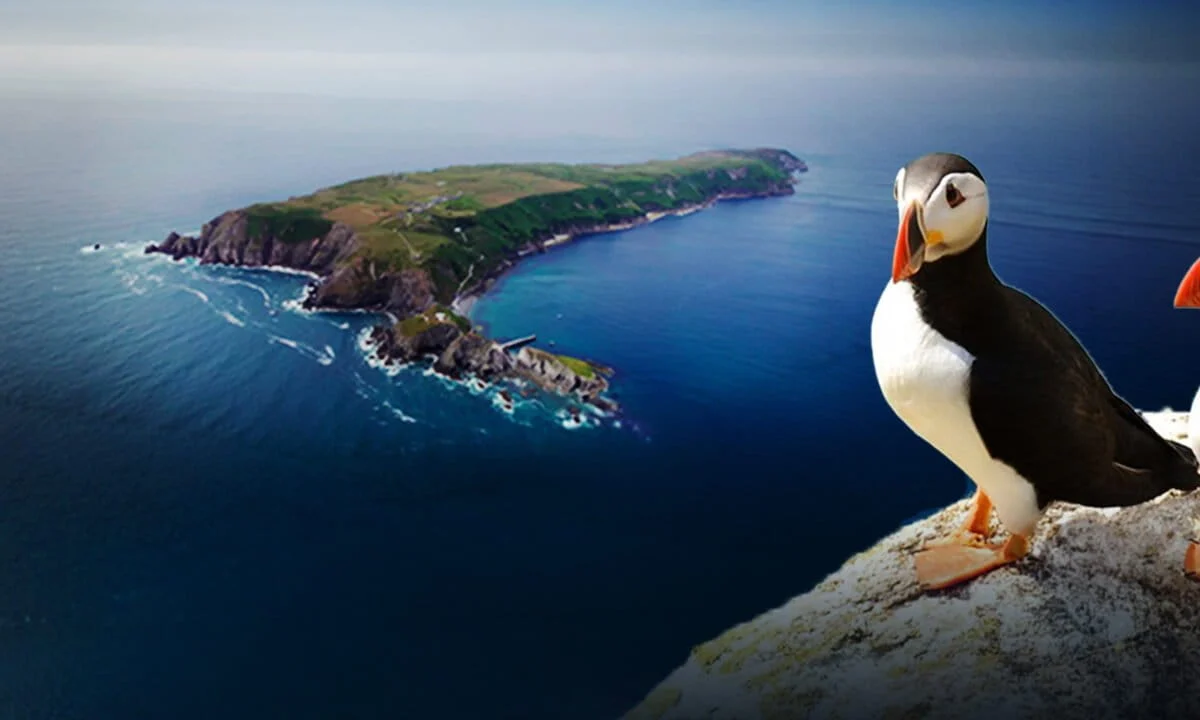
Lundy Island, a rugged, wind-swept granite outcrop situated in the Bristol Channel between the coastlines of North Devon and South Wales, stands today as a testament to the efficacy of integrated conservation management. Once a site of ecological degradation, the island has transformed over the last two decades into a beacon of biodiversity, proving that human economic interests and environmental preservation are not mutually exclusive. Through a combination of invasive species eradication and the establishment of the United Kingdom’s first "no-take" marine zone, Lundy has become a blueprint for how small, isolated ecosystems can recover when provided with targeted, community-backed intervention.
A History of Ecological Decline and Intervention
At the turn of the millennium, Lundy was facing a crisis of biodiversity. The island, famous for its dramatic cliffs and diverse seabird colonies, saw its native avian populations plummet due to the unchecked proliferation of brown rats (Rattus norvegicus). These invasive predators, accidentally introduced to the island via shipwrecks and maritime traffic over centuries, had decimated the local populations of puffins, Manx shearwaters, and storm petrels. By the early 2000s, the seabird population had dwindled to a precarious 6,000 individuals, a fraction of what the island’s habitat could historically support.
The situation necessitated a radical approach. In 2002, the Seabird Recovery Project was launched—a multi-agency effort involving the Lundy Company, Natural England, and the National Trust. The project’s primary objective was the complete eradication of rats from the island. The operation was complex, requiring a systematic approach that spanned the entirety of the island’s terrain. The success of this eradication was verified in 2004, marking a turning point in the island’s ecological narrative.
The results were immediate and profound. With the predatory pressure removed, the seabird population entered a period of rapid recovery. By 2024, surveys indicated that the seabird count had surged to approximately 48,000 individuals. Species such as the puffin, razorbill, guillemot, and the elusive Manx shearwater have reclaimed their nesting grounds, turning Lundy back into a thriving sanctuary for North Atlantic avifauna.
Pioneering the No-Take Zone
While the terrestrial recovery is well-documented, Lundy’s underwater legacy is perhaps its most significant contribution to British conservation policy. The waters surrounding the island are characterized by a complex topography, ranging from kelp forests and rocky reefs to sandy bottoms and deep-water caves. These habitats support a high degree of marine life, including the spiny lobster, pink sea fans, and various species of cold-water corals.
In 2003, Lundy was designated the United Kingdom’s first Statutory Marine Nature Reserve. Crucially, the legislation included the establishment of a "no-take zone" (NTZ)—a designated area where all forms of fishing, including trawling, dredging, and potting, were strictly prohibited. Unlike many top-down government mandates, the Lundy NTZ was the product of extensive grassroots negotiation. Local fishermen, conservationists, and tourism operators were brought to the table to map out the zone, ensuring that the protected area did not unfairly cripple the livelihoods of those who depended on the sea.
The design of the zone—a rectangle plotted for ease of navigation and enforcement—allows for limited activity outside the core protected area, such as recreational rod fishing and small-scale lobster potting, while keeping the heart of the habitat shielded from destructive industrial practices. This collaborative model ensured high levels of compliance from the local fishing fleet, who quickly realized that the recovery of species within the NTZ created a "spillover" effect, enhancing the quality and quantity of their catch in the surrounding waters.
Data and Economic Indicators of Recovery
The ecological resurgence within the no-take zone has been substantiated by rigorous monitoring. Research conducted by the Inshore Fisheries and Conservation Authority (IFCA) indicates that the population of European lobsters (Homarus gammarus) has grown both in density and in individual size. In the years following the establishment of the NTZ, anecdotal and empirical evidence from veteran fishermen, such as Geoff Huelin, confirmed that catch rates outside the zone improved significantly.

Data comparisons between the protected interior and the adjacent fishing grounds show that the NTZ acts as a nursery for marine life. As the density of lobsters increases within the protected zone, individuals naturally migrate outward into the fished areas. This "spillover" effect has effectively turned the NTZ into an economic asset for the local fishing community, reconciling conservation objectives with the realities of commercial fishing.
Furthermore, the recovery of long-lived, slow-growing species such as the pink sea fan (Eunicella verrucosa) highlights the necessity of the no-take zone. Before the implementation of the ban, mobile bottom-trawling gear would frequently crush these fragile, structure-forming organisms. Because these organisms can take decades to mature, their survival is contingent upon the absence of seabed disturbance. The protection of these species is vital, as they provide essential structural complexity that serves as a habitat for juvenile fish and other invertebrates.
The Human Element: Community-Led Stewardship
The success of Lundy is arguably as much a social achievement as it is an environmental one. By involving the local North Devon community in the drafting of the management plans, the stakeholders moved away from an adversarial relationship with the environment. Even those who were initially skeptical of the restrictions came to view the marine reserve as a point of local pride and an essential component of the island’s brand.
The island’s management today reflects this balanced approach. It serves as a working fishing hub, a scientific research site, and a destination for thousands of visitors annually. This multi-use model ensures that the island remains financially self-sustaining while continuing to prioritize ecological integrity. The management team notes that the primary challenge moving forward is balancing the increasing demand for tourism with the needs of the wildlife. As the island’s fame grows, the risk of habitat disturbance from human presence remains a constant consideration for park wardens and conservationists.
Broader Implications and Future Perspectives
The Lundy model offers a replicable framework for marine spatial planning globally. The key lessons learned from the island include:
- Bottom-Up Participation: Engaging local fishermen in the design of marine protected areas significantly increases compliance and long-term success.
- The Spillover Benefit: Proving that marine reserves can boost productivity in neighboring fishing grounds is a critical argument for gaining industry support.
- Holistic Management: Addressing terrestrial threats (invasive species) alongside marine threats (trawling) creates a more resilient ecosystem.
- Long-Term Commitment: The 20-year timeline required for the recovery of seabirds and slow-growing marine organisms emphasizes that effective conservation is a multi-generational commitment.
As the United Kingdom looks to meet its 30×30 targets—a global initiative to protect 30% of the world’s land and sea by 2030—Lundy stands as a prime example of the potential for success. The island demonstrates that "wildness" is not merely an absence of human influence, but rather the result of intentional, evidence-based, and collaborative management.
Looking ahead, the custodians of Lundy are focused on maintaining this equilibrium. The integration of advanced monitoring technology, such as underwater cameras and acoustic sensors, will likely play a larger role in assessing the health of the marine ecosystem. Simultaneously, managing the influx of visitors to prevent the degradation of nesting sites remains a priority.
The Lundy story remains a potent reminder that even the most damaged ecosystems possess a latent capacity for recovery. By providing nature with the space to exist undisturbed, and by building a social consensus around that space, humanity can facilitate the return of biodiversity to landscapes that were once thought to be permanently lost. Whether through the return of the puffin to the granite cliffs or the recovery of the lobster in the kelp-rich depths, Lundy serves as an enduring proof-of-concept for the coexistence of man and nature.