As Mayor-elect Nithya Raman prepares to take office on December 13, the future of Downtown Los Angeles (DTLA) stands at a precarious juncture. Once characterized by a vibrant pre-pandemic resurgence, the city center has spent the last several years grappling with high office vacancies, a visible homelessness crisis, and a reputation as one of the most stagnant urban cores in the global market. However, with new leadership arriving and the 2028 Summer Olympics on the horizon, stakeholders are cautiously optimistic that the pendulum is beginning to swing toward recovery.
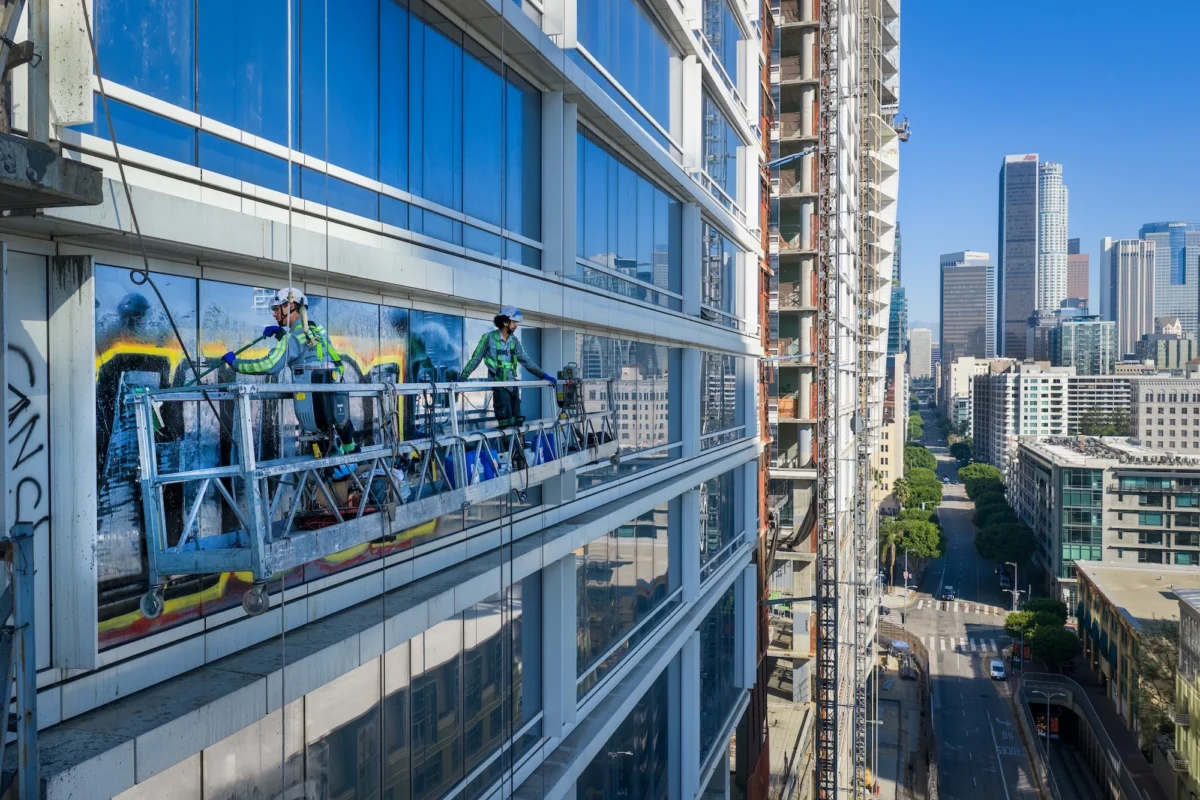
Raman, who championed a platform of bureaucratic reform and aggressive housing production during her campaign, enters the mayor’s office at a time when the "Graffiti Towers"—the long-vacant, spray-painted Oceanwide Plaza complex—have finally been scoured clean. This visual cleansing of one of downtown’s most prominent eyesores serves as a symbolic, if literal, start to a new chapter. Yet, for the incoming administration, the work of physical revitalization is only the beginning of a much larger, more complex socioeconomic puzzle.
A Market in Flux: The Data Behind the Narrative
The current state of the DTLA real estate market is a study in contrasts. While the "dead downtown" narrative dominated headlines for much of 2026, third-quarter data from commercial real estate firm CBRE offers a nuanced look at a market finding its footing. The downtown office sector saw 85,000 square feet in net absorption during the third quarter, marking a rare reversal of the persistent exodus that defined the post-COVID era. Notable signings, including new tenants at the U.S. Bank Tower, suggest that some firms are recommitting to the urban core.
Furthermore, the residential sector remains a bright spot. Apartment occupancy rates in downtown reached 91.4 percent in late 2026, the highest level recorded in three years. This density is crucial for the long-term vitality of the neighborhood, as retail and dining establishments rely heavily on a resident base that has proven more resilient than the office-commuter demographic.
However, systemic challenges persist. Despite the positive absorption in the office sector, vacancy rates remain elevated, having increased by 3 percent year-over-year. Retail vacancy has also ticked upward, signaling that the "work-from-home" culture continues to suppress the daily foot traffic necessary to sustain small businesses. The exit of major institutional players further complicates the picture; for instance, the recent decision by Brookfield to walk away from its $600 million Beaudry apartment towers—effectively abandoning a major bet on luxury rentals—underscores the "entrenched market challenges" that remain.
The Legislative Agenda: Raman’s Path Forward
Mayor-elect Raman has articulated a vision for the city that moves beyond traditional municipal management. Her proposed "shot clock" for development approvals, combined with a commitment to reform the Measure ULA transfer tax, suggests a desire to reduce the bureaucratic friction that has long stymied housing production in Los Angeles.
For the development community, the hope is that Raman will act as a "YIMBY" (Yes In My Backyard) advocate who understands the mechanics of urban density. Nick Griffin, executive vice president at the DTLA Alliance, describes Raman as an "urbanista at heart," noting that her experience in city council has provided her with a granular understanding of how dense, transit-oriented neighborhoods function.
The administration’s focus on adaptive reuse—transforming underperforming, older office buildings into residential units—is seen as a two-pronged solution. It addresses the city’s acute housing shortage while simultaneously removing obsolete Class B office inventory from the market. By streamlining these conversions, Raman could theoretically fast-track the creation of thousands of units, providing a stable, year-round population for the downtown area.
A Timeline of Challenges and Upcoming Milestones
The next 18 months represent a compressed timeline for the city, driven by both private development and the looming global spotlight of the 2028 Olympics.
- Late 2026: Completion of the graffiti removal at Oceanwide Plaza, signaling a shift in neighborhood maintenance and public perception.
- Early 2027: Anticipated movement on the $2.6 billion expansion of the Los Angeles Convention Center, a project that will serve as the anchor for the city’s Olympic hosting duties.
- Mid-2027: Expected acceleration of the Fourth & Central megadevelopment, a project designed to inject significant residential and retail capacity into the Arts District and surrounding blocks.
- 2028: The Summer Olympics, which will position downtown as a primary hub for international media, tourists, and capital investment.
The success of these projects will depend heavily on the city’s ability to maintain public safety and provide basic services. While the DTLA Alliance has successfully piloted collaborative patrols near the Seventh and Figueroa Metro Station—resulting in improved crime statistics—leaders are quick to emphasize that policing alone is insufficient.
Addressing the Housing and Mental Health Crisis
The most difficult hurdle for the Raman administration is the intersection of the city’s housing crisis and its mental health emergency. Downtown remains the epicenter of both, and there is internal pressure on the mayor-elect to reconcile her past fiscal reservations—such as her opposition to certain financing structures for the convention center—with the need for large-scale infrastructure investment.
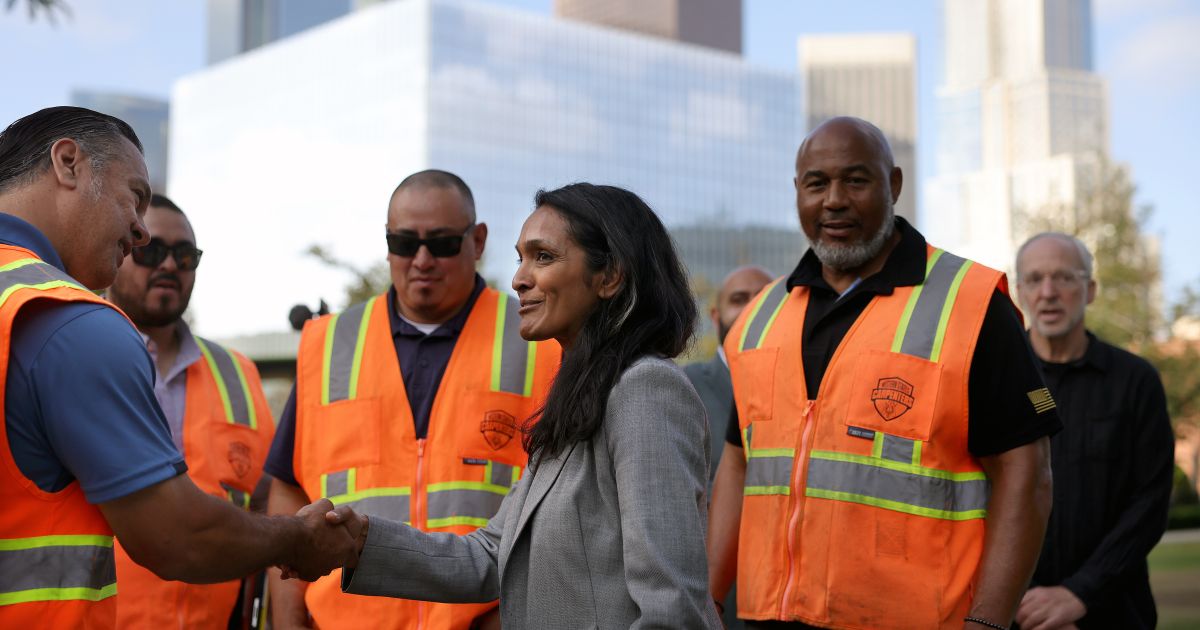
Nella McOsker, president and CEO of the Central City Association (CCA), notes that while the "tides are turning," the incoming mayor must demonstrate a willingness to engage deeply with the private sector. "The development community wants to know that they have a partner in the city who cares about it and who is willing to do the things that need to be done to make the market viable," McOsker said.
Raman’s potential to utilize the "bully pulpit" is being closely watched by industry analysts. Observers have pointed to the leadership styles of other urban mayors, such as those in New York and San Francisco, who have used their platforms to project confidence in their cities’ recoveries. For Los Angeles, the challenge is to prove that downtown is not just a place for temporary events, but a sustainable ecosystem.
Broader Implications for the Urban Core
The long-term goal, as outlined in the DTLA 2040 plan, is to grow the downtown population by 125,000 residents through infill development and diverse housing typologies. Achieving this will require more than just legislative tweaks; it will require a fundamental shift in how the city views the downtown core—not as a secondary office district, but as a primary residential neighborhood.
Raman’s support for programs like "Vacant to Vibrant," which aims to re-energize empty commercial storefronts, suggests she is looking at granular, block-by-block solutions alongside large-scale planning. By fostering a more walkable, active street life, the administration hopes to create a virtuous cycle: more residents lead to more foot traffic, which in turn supports more diverse retail, which then makes the neighborhood more attractive for further investment.
However, the shadow of fiscal reality looms large. The city must navigate a complex budget, the costs of hosting the Olympics, and the political volatility of implementing zoning reforms. If Raman can successfully thread the needle between her progressive housing agenda and the pragmatic needs of the business community, she may succeed in creating a model for urban recovery that resonates well beyond the borders of Los Angeles.
As December 13 approaches, the consensus among stakeholders is one of cautious expectancy. The "Graffiti Towers" are clean, the office vacancy trend has slowed, and a new administration is ready to step in. Yet, the true test of this moment will be whether the city can maintain the momentum of the last few months long enough to transform the downtown core into the engine of growth that its supporters believe it can be. The coming year will reveal whether this is merely a temporary reprieve or the beginning of a sustained, structural transformation for the heart of Los Angeles.