Mahmoud Khalil Case: Son’s Birth, Family Separation, and the Trump Administration’s Immigration Policies
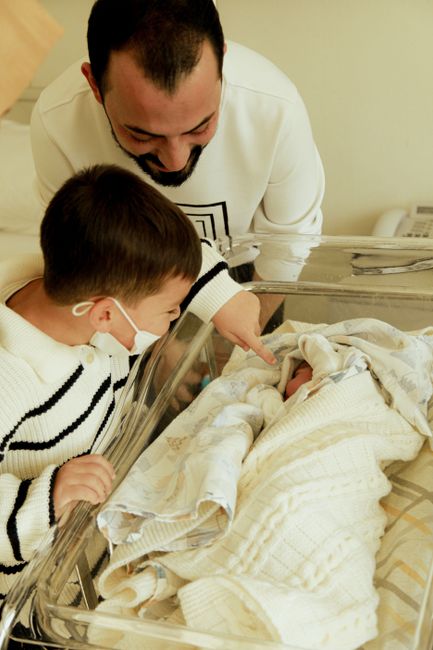
The case of Mahmoud Khalil, a Syrian refugee, and the subsequent separation of his family, including the birth of his son under deeply distressing circumstances, highlights a critical nexus of immigration policy, humanitarian concerns, and the impact of the Trump administration’s approach to asylum and border security. This narrative is not merely an individual tragedy but a potent illustration of the broader consequences of policies that prioritized stringent enforcement over family unity and compassionate asylum processing. Khalil, seeking refuge from the brutal civil war in Syria, was subjected to the intense scrutiny and often insurmountable barriers of the U.S. asylum system, a system that, during the Trump era, was deliberately re-engineered to become more restrictive. His wife, Fatima, was pregnant when they arrived at the U.S. border, and their journey to safety became a crucible of anxiety and fear, culminating in the birth of their son, Adam, in a detention facility. The subsequent separation from his mother, and the ensuing legal and emotional struggle for reunification, became a focal point for advocates and a stark reminder of the human cost of policy decisions.
The Trump administration’s “zero tolerance” policy at the border, implemented in 2018, was a cornerstone of its immigration agenda. This policy mandated the prosecution of all adults who crossed the border illegally, leading to the mass separation of children from their parents, as children could not be held in adult detention facilities. While Mahmoud Khalil’s situation involved an asylum seeker who had presented at a port of entry, the underlying ethos of heightened enforcement and skepticism towards asylum claims permeated the broader immigration landscape. The administration also implemented policies such as the Migrant Protection Protocols (MPP), often referred to as "Remain in Mexico," which forced asylum seekers to wait in Mexico for their U.S. court dates, exposing them to violence and extreme hardship. Although the specifics of Khalil’s case may differ in procedural details from those solely apprehended crossing between ports of entry, the shared experience of facing a system designed to deter and deny entry, regardless of humanitarian need, is a common thread. The consistent pressure to reduce asylum claims and expedite removals created an environment where family unity was often sacrificed in the pursuit of border security objectives, however defined.
The birth of Adam Khalil in a U.S. detention center is a particularly poignant and disturbing element of this case. While international and domestic legal frameworks generally recognize the vulnerability of pregnant women and children, the reality for many asylum seekers during this period was far from ideal. Detention conditions for pregnant individuals could be fraught with inadequate medical care, stress, and uncertainty, compounding the inherent risks of pregnancy. Adam’s birth in such an environment, followed by his mother’s potential detention and separation from his father, underscores the profound trauma inflicted by the system. Reports from organizations monitoring detention facilities consistently raised alarms about the physical and mental health consequences for detainees, especially pregnant women and children. The notion of a child being born into a situation of enforced separation from one of his parents, and potentially facing an uncertain future, is antithetical to fundamental human rights principles and the best interests of a child. The Trump administration’s justifications for such policies often centered on national security and deterring illegal immigration, yet the outcomes for families like the Khalils demonstrated a stark disconnect between stated policy goals and their devastating human impact.
Mahmoud Khalil’s journey to the U.S. border was driven by the desperate need to escape the ongoing violence and devastation in Syria. The Syrian civil war, a protracted and complex conflict, has resulted in millions of deaths, widespread displacement, and the destruction of infrastructure. For individuals like Khalil, seeking asylum in the United States represented a hope for safety and a future free from the existential threats they faced at home. However, the U.S. asylum system, even before the more significant restrictions of the Trump administration, was a complex and often lengthy process. With the advent of the Trump presidency, the process became even more challenging. The administration implemented a series of executive orders and regulatory changes aimed at curtailing asylum claims, including expanding the categories of individuals deemed ineligible for asylum, imposing stricter evidentiary requirements, and limiting the ability of asylum officers to grant credible fear interviews. This created a climate of heightened skepticism and increased the burden of proof on asylum seekers, making it significantly harder to navigate the system successfully.
The concept of family separation, a hallmark of the Trump administration’s immigration policy, extended beyond the "zero tolerance" policy. It manifested in various ways, including expedited removals, long detentions, and the difficulty in reuniting families who had been separated. For Mahmoud Khalil and his family, the separation was not just a consequence of a policy but a devastating personal experience. The trauma inflicted by this separation, particularly on a newborn child and his pregnant mother, has long-lasting psychological and developmental implications. The United Nations and numerous human rights organizations have condemned family separation as a violation of international law and a form of cruel and inhumane treatment. The American Academy of Pediatrics has also stated that family separation can cause significant and potentially irreversible trauma to children. The case of Adam Khalil and his parents serves as a microcosm of these broader concerns, highlighting the profound and often enduring harm caused by policies that prioritize border enforcement over the fundamental right to family unity.
The legal and advocacy landscape surrounding the Khalil case, and similar family separation incidents, was multifaceted. Immigrant rights organizations, legal aid societies, and international bodies played crucial roles in raising awareness, providing legal assistance, and advocating for policy changes. These groups often highlighted the disproportionate impact of these policies on vulnerable populations, including refugees, asylum seekers, and children. The legal challenges to the Trump administration’s family separation policies were numerous, with courts often ruling against the government’s practices, citing due process violations and the harm caused to families. However, the protracted nature of legal battles, combined with the continuous implementation of new restrictive policies, meant that relief was often slow in coming, and the suffering continued. The case of Mahmoud Khalil also brought to light the challenges of proving asylum claims in a system that was increasingly politicized and subject to ideological shifts in its interpretation and application.
The broader implications of the Mahmoud Khalil case and the Trump administration’s immigration policies are far-reaching. They raise fundamental questions about the U.S.’s role as a humanitarian leader, the ethical responsibilities of governments towards asylum seekers, and the balance between national security and human rights. The experience of families like the Khalils has contributed to a growing body of evidence on the negative consequences of restrictive immigration policies, particularly those that lead to family separation and prolonged detention. This case underscores the importance of a compassionate and just asylum system, one that upholds international norms and recognizes the inherent dignity of all individuals seeking refuge. The legacy of these policies continues to be debated and addressed, as the nation grapples with the long-term effects of decisions made during this period and strives to build a more equitable and humane immigration system. The focus on Mahmoud Khalil’s case is not just about an individual story, but a powerful lens through which to examine the profound and often devastating human consequences of policy choices in the realm of immigration and asylum.
