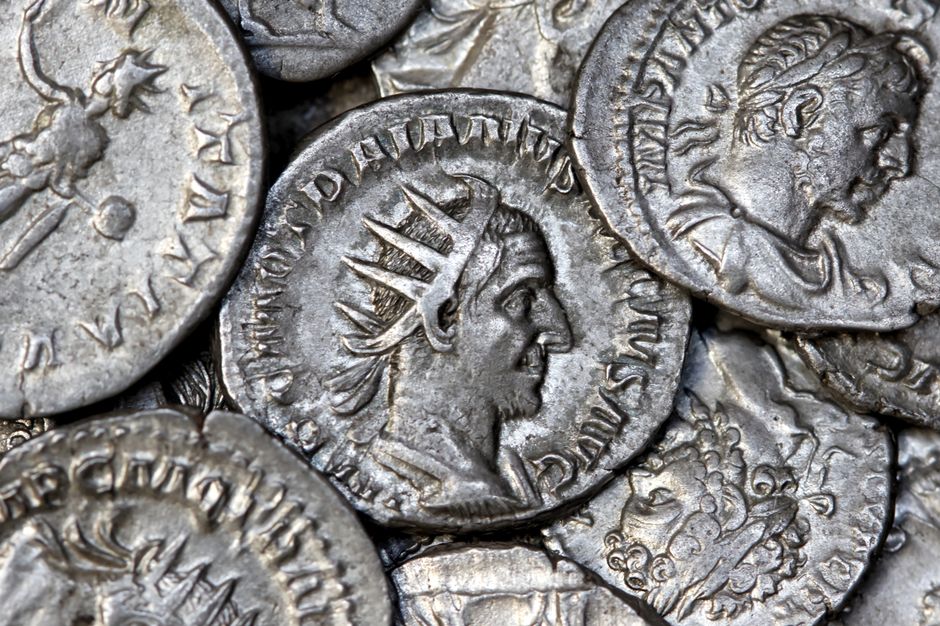
Silver Surges Past $35/oz: Hitting a 13-Year High Fueled by Industrial Demand and Inflationary Hopes
Silver’s ascent beyond the crucial $35 per ounce mark represents a significant milestone, marking its highest price point in over thirteen years. This upward surge is not an isolated event but a culmination of converging economic factors, primarily driven by robust industrial demand and a renewed investor appetite for precious metals as an inflation hedge. The precious metal has consistently outperformed many other commodities in recent months, demonstrating its growing appeal as both an industrial input and a store of value. This price action signals a strong bullish sentiment building within the silver market, prompting analysis into the underlying drivers and potential implications for investors and industries alike. The sustained momentum suggests that the factors contributing to this rally are not ephemeral but rather structural, indicating a potentially prolonged period of elevated silver prices.
The industrial demand for silver is a fundamental pillar supporting its current price trajectory. Silver is an indispensable component in a vast array of modern technologies and manufacturing processes. Its unique properties – superior electrical conductivity, thermal conductivity, and photosensitivity – make it irreplaceable in numerous applications. The burgeoning renewable energy sector is a particularly significant driver. Solar photovoltaic (PV) panels, a cornerstone of the global transition to cleaner energy sources, heavily rely on silver for their conductive components. As governments worldwide accelerate their investments in solar power to combat climate change and enhance energy security, the demand for silver from this sector is experiencing exponential growth. Estimates suggest that the solar industry is one of the largest industrial consumers of silver, and its continued expansion directly translates into increased demand for the metal. Beyond solar, silver is also critical in the automotive industry, particularly in the production of catalytic converters, airbags, and increasingly, in electric vehicles (EVs) for their advanced electronics and battery technologies. The growing global adoption of EVs further amplifies this demand. Furthermore, silver finds application in medical devices, electronics (smartphones, computers, televisions), photography (though its use has declined with digital technology, it remains relevant in specific niche applications), and in various industrial catalysts. The sheer breadth and depth of silver’s industrial utility underscore its intrinsic value and create a persistent demand floor that underpins its price. As technological innovation continues and the world pivots towards sustainable and advanced manufacturing, the industrial consumption of silver is poised for continued expansion, providing a strong fundamental basis for its current and future price appreciation.
The resurgence of silver as a favored inflation hedge is another potent catalyst for its price surge. In an environment characterized by rising inflation rates globally, investors are actively seeking assets that can preserve their purchasing power. Precious metals, historically, have served as a reliable store of value during periods of economic uncertainty and currency devaluation. While gold often garnishes more attention as the primary inflation hedge, silver benefits from its lower price point, making it more accessible to a broader range of investors. This accessibility, coupled with its dual role as an industrial commodity, creates a unique investment dynamic for silver. As inflation concerns persist, fueled by supply chain disruptions, geopolitical tensions, and expansionary monetary policies, the allure of tangible assets like silver intensifies. Investors are increasingly allocating capital to silver-backed Exchange Traded Funds (ETFs), physical silver bullion, and silver mining stocks, all of which contribute to increased demand and upward price pressure. The narrative surrounding silver as an inflation hedge gains traction when macroeconomic indicators point towards sustained price increases across various sectors, prompting a flight to safety and tangible wealth preservation. This investor sentiment, coupled with the fundamental industrial demand, creates a powerful tailwind for silver prices. The expectation of continued inflationary pressures, or at least a prolonged period of elevated inflation, suggests that this aspect of silver’s appeal will remain a significant supportive factor.
The supply side dynamics of the silver market also play a crucial role in its current price ascent. While industrial and investment demand are robust, the global silver mine production has faced challenges and, in some instances, stagnated or declined. Silver is primarily mined as a byproduct of other base metals, such as copper, lead, and zinc. Fluctuations in the production of these primary metals, driven by factors like mine closures, labor disputes, environmental regulations, and the depletion of economically viable ore bodies, can directly impact the supply of silver. Furthermore, the cost of production for silver mining has been on the rise due to increased energy costs, labor expenses, and the need for more sophisticated extraction techniques to access lower-grade ores. This upward pressure on production costs can limit the incentive for increased silver output, especially if prices are not sufficiently high to offset these rising expenses. The combination of stagnant or declining mine supply, coupled with robust demand, creates a fundamental imbalance in the market. This supply-demand squeeze is a classic economic principle that drives prices higher. When the quantity of a good demanded exceeds the quantity supplied at a given price, the price naturally adjusts upwards until equilibrium is re-established, or in this case, until demand is tempered by the higher price. The limited elasticity of silver supply in the short to medium term makes it particularly susceptible to price spikes when demand surges, as is currently being observed.
Technical indicators and market sentiment further corroborate the bullish outlook for silver. The break above the $35 per ounce level represents a significant technical breakout, potentially signaling the start of a new upward trend or the continuation of an existing one. Traders and investors closely watch such price levels as they can trigger automated buy orders and further reinforce positive market sentiment. Chart patterns and momentum indicators often signal strong buying pressure when prices breach key resistance levels. Moreover, the narrative surrounding silver’s potential has gained significant traction across financial media and investment forums. This increased awareness and positive sentiment can create a self-fulfilling prophecy, attracting more speculative capital and further fueling the rally. While speculative trading can introduce volatility, in a market with strong underlying fundamentals, it can amplify existing price trends. The psychological impact of a metal reaching a multi-year high can also draw in new investors who may have previously been on the sidelines, further bolstering demand.
Looking ahead, several factors will influence the trajectory of silver prices. The persistence of global inflation will remain a key determinant of its appeal as an inflation hedge. Central bank policies regarding interest rate hikes and quantitative easing will also play a significant role. Higher interest rates can make non-yielding assets like silver less attractive by increasing the opportunity cost of holding them, while accommodative monetary policies tend to favor precious metals. The continued growth of renewable energy and EV adoption will be critical for sustained industrial demand. Any disruptions to this growth, whether due to policy shifts or technological advancements that reduce silver’s reliance, could temper demand. Geopolitical stability is also a factor; heightened global tensions often lead to increased demand for safe-haven assets like silver. The future of mining exploration and production will also be crucial. If new silver discoveries or more efficient extraction methods emerge, it could alleviate some of the supply constraints. However, the current trend suggests that supply limitations are likely to persist in the near to medium term.
In conclusion, silver’s surpassing of the $35 per ounce threshold, achieving a 13-year high, is a multifaceted event underpinned by robust industrial demand, particularly from the renewable energy and automotive sectors, and a strong investor mandate for inflation hedging. These fundamental drivers are amplified by a tightening supply-side picture due to production challenges and rising costs. Technical indicators and positive market sentiment further reinforce the bullish outlook. While the future path of silver prices will be subject to macroeconomic shifts, central bank policies, and the evolution of industrial applications, the current confluence of factors paints a strong picture for continued strength in the silver market. Investors and industries reliant on this versatile metal will need to closely monitor these dynamics to navigate the evolving landscape effectively. The sustained ascent suggests that the narrative of silver as a critical industrial component and a valuable asset for wealth preservation is firmly entrenched, driving its price to new heights.
