NASA is embarking on a strategic overhaul of its troubled Mars Sample Return program, introducing a fresh roadmap aimed at retrieving geological specimens meticulously gathered by the Perseverance rover and transporting them safely back to Earth.
The long-term objective of returning pristine Martian material to terrestrial laboratories has remained a cornerstone of planetary science for decades. However, budgetary constraints, shifting timelines, and organizational hurdles have repeatedly stalled the initiative. To bypass these roadblocks, NASA officials formally introduced the Perseverance Sample Retrieval Architecture, or PSRA, during a virtual meeting of the Mars Exploration Program Analysis Group.
Tiffany Morgan, director of the NASA Mars Exploration Program, outlined the blueprint for the newly minted initiative, signaling a decisive shift in how the space agency plans to tackle one of the most complex interplanetary logistics challenges ever conceived. The unveiling marks a pivotal turning point for a program that has faced severe scrutiny over escalating costs and feasibility concerns.
The Groundwork: Perseverance in Jezero Crater
The backdrop to the PSRA initiative is rooted in the ongoing, highly successful mission of the Perseverance rover. Operating within the ancient bounds of Jezero Crater since its dramatic touchdown in February 2021, the car-sized robotic explorer has continuously scoured the landscape for compelling geological specimens.
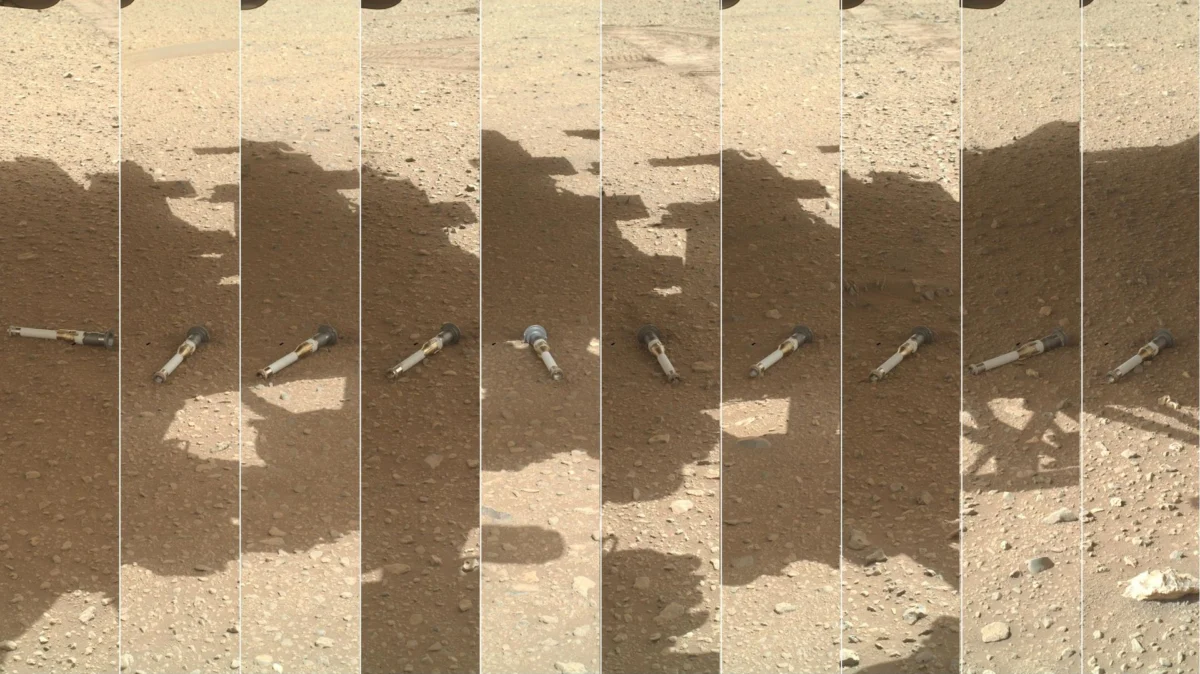
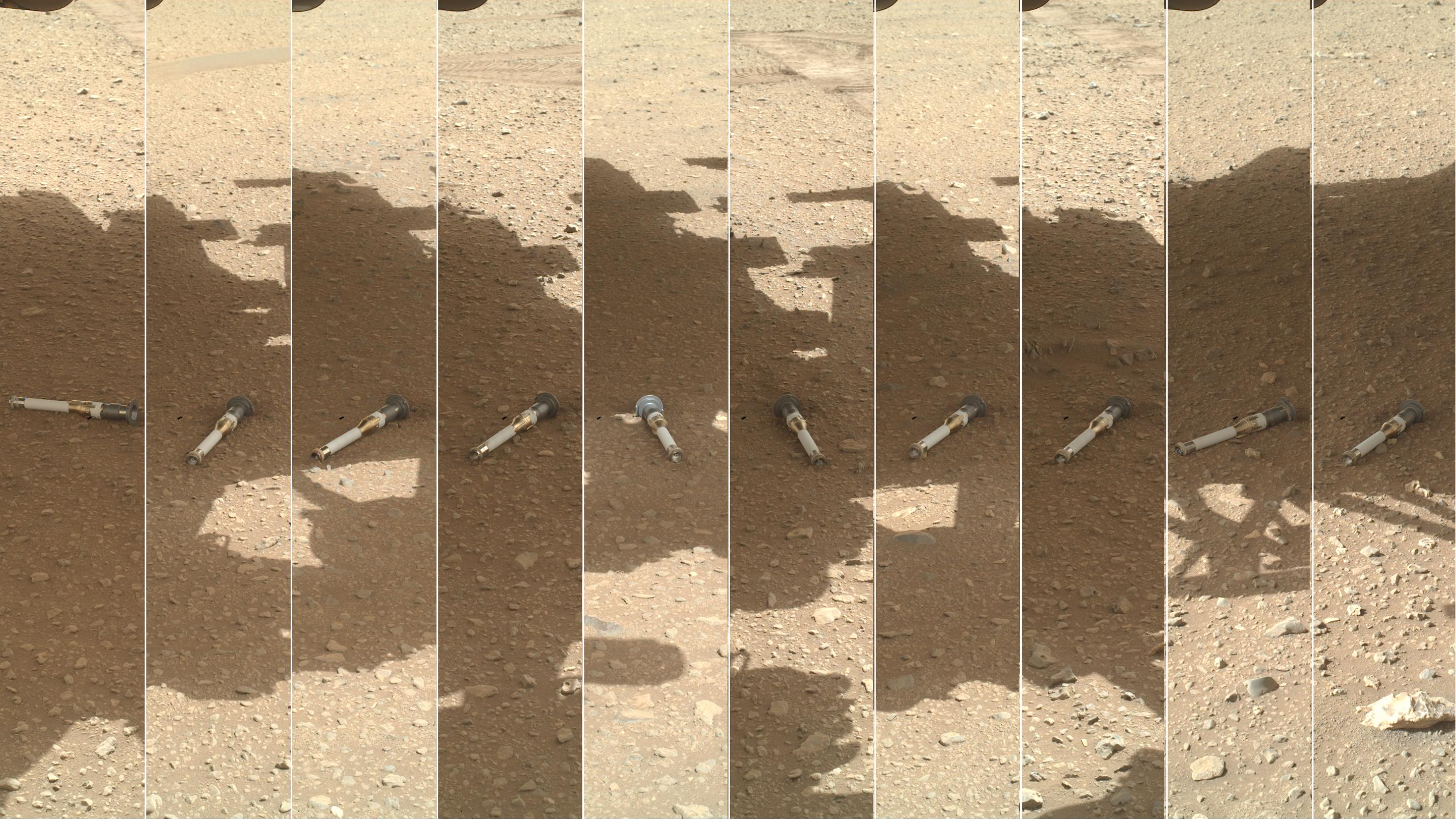
Perseverance has systematically drilled into targeted rock formations, sealing core samples inside pristine metallic tubes. While many of these samples are securely stored within the rover’s internal bays, several others have been carefully deposited onto the Martian surface to form a dedicated cache at the Three Forks sample depot.
Scientists believe these carefully curated collectibles hold potential biosignatures—microscopic or chemical remnants of ancient life from a time when Mars possessed a warm, wet climate capable of supporting microbial organisms. Furthermore, the cache includes samples of Martian atmospheric gas and regolith dust, providing a comprehensive cross-section of the planet’s environmental history.
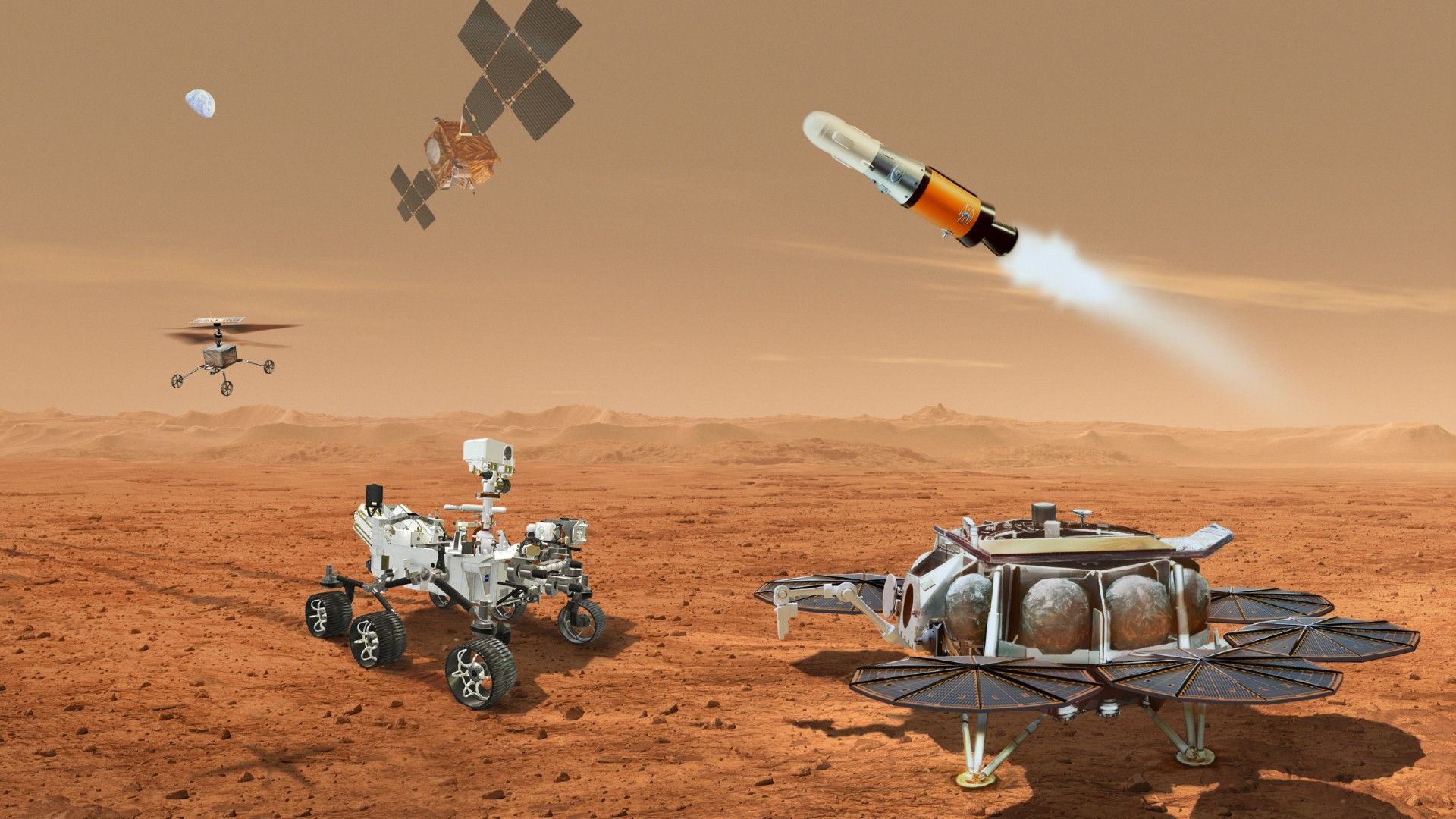
For years, NASA and the European Space Agency have collaborated on conceptual architectures to retrieve these samples. The prevailing vision involved sending a dedicated lander equipped with a retrieval mechanism and a Mars Ascent Vehicle to launch the samples into orbit, where an orbiter would capture them and execute a trans-Earth injection burn.
The Catalyst of Sticker Shock
Despite the profound scientific value of the mission, the Mars Sample Return program has struggled under the weight of severe financial projections. Independent review boards assembled by NASA repeatedly reported alarming sticker shock findings, with one comprehensive cost assessment placing the total price tag at an astronomical $11 billion. Under that particular projection, the samples would not reach Earth until the year 2040.
NASA leadership deemed those figures unacceptable, concluding that an $11 billion expenditure and a two-decade wait were neither financially sustainable nor aligned with agency priorities. Subsequent appraisals offered more optimistic scenarios—suggesting a streamlined architecture could potentially deliver the samples by 2035 at a reduced cost of roughly $8 billion.
Even with these adjusted estimates, the program required a fundamental restructuring. The introduction of the PSRA strategy team represents NASA’s formal acknowledgment that a completely new approach is required to optimize design, reduce operational complexity, and rein in spiraling expenditures. According to agency schedules, the PSRA strategy team will officially kick off its assessment in January 2027, with a comprehensive final report slated for delivery in the winter of 2027-2028.
Mitigating Risks for Human Exploration
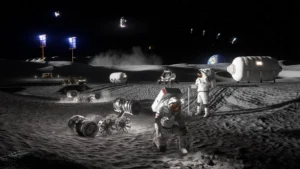
While the primary driver of the Mars Sample Return program has traditionally been astrobiology and the search for past life, a parallel justification has gained significant traction within the scientific and engineering communities: planetary health and astronaut safety.
During the recent MEPAG gathering, planetary scientist Bruce Jakosky of the Laboratory for Atmospheric and Space Physics at the University of Colorado Boulder underscored the necessity of an integrated approach to human missions. Jakosky highlighted findings from a workshop organized by Explore Mars, Inc., which examined how robotic sample return directly mitigates risks for future crewed expeditions.
"The purpose is to understand the risk to astronauts and to hardware," Jakosky explained during his presentation. "The risk includes that from compounds that are present in the soil that are hazardous to astronauts if breathed in. This includes perchlorates and chloromethanes that have been identified already, and detection of other species that might be present. It also includes dust that can be breathed in by astronauts and that can affect hardware wear and tear."
Analyzing uncompromised Martian soil and dust in terrestrial containment facilities allows toxicologists and life-support engineers to develop effective mitigation strategies long before the first human steps onto the Red Planet. Understanding the abrasiveness, chemical reactivity, and toxicity of Martian dust is essential for designing space suits, habitat seals, and air filtration systems. Consequently, proponents argue that returning robotic samples must serve as a mandatory precursor to any crewed landing to ensure the safety and survival of astronauts.
The Global Context: China’s Tianwen-3 Timeline
Adding significant urgency to NASA’s strategic reevaluation is the rapid progress demonstrated by international space agencies, most notably China. The China National Space Administration is actively advancing its own ambitious Mars Sample Return initiative, known as Tianwen-3.
According to technical outlines released by Chinese space authorities, the Tianwen-3 mission architecture comprises a sophisticated suite of spacecraft components, including a lander, an ascender, a service capsule, an orbiter, and an Earth reentry module. The mission profile relies on heavy-lift capability, with plans to launch the dual-spacecraft assembly around 2028 using Long March-5 carrier rockets operating from the Wenchang Space Launch Site on Hainan Island.
China’s stated objective is to secure approximately 500 grams of Martian surface material and return it to Earth by 2031. This accelerated timeline positions Tianwen-3 as a formidable milestone in planetary exploration, introducing a competitive dynamic that echoes the space races of the 20th century while focusing heavily on cutting-edge robotic execution.
Implications for the Future of Deep Space Exploration
The convergence of NASA’s newly announced PSRA framework, mounting budget pressures, and China’s assertive Tianwen-3 schedule underscores a critical juncture in planetary science. The decisions made over the next several years will determine not only which nation successfully secures the first pristine samples from another planet, but also how future international collaborations—or lack thereof—shape the exploration of the solar system.
As NASA prepares for the official launch of the PSRA strategy team in early 2027, the aerospace community will be watching closely. Balancing cost-efficiency with engineering precision remains a monumental challenge, but the scientific dividends—ranging from the definitive detection of ancient extraterrestrial life to the safeguarding of future human explorers—ensure that the quest to bring Mars home remains one of humanity’s most compelling endeavors.