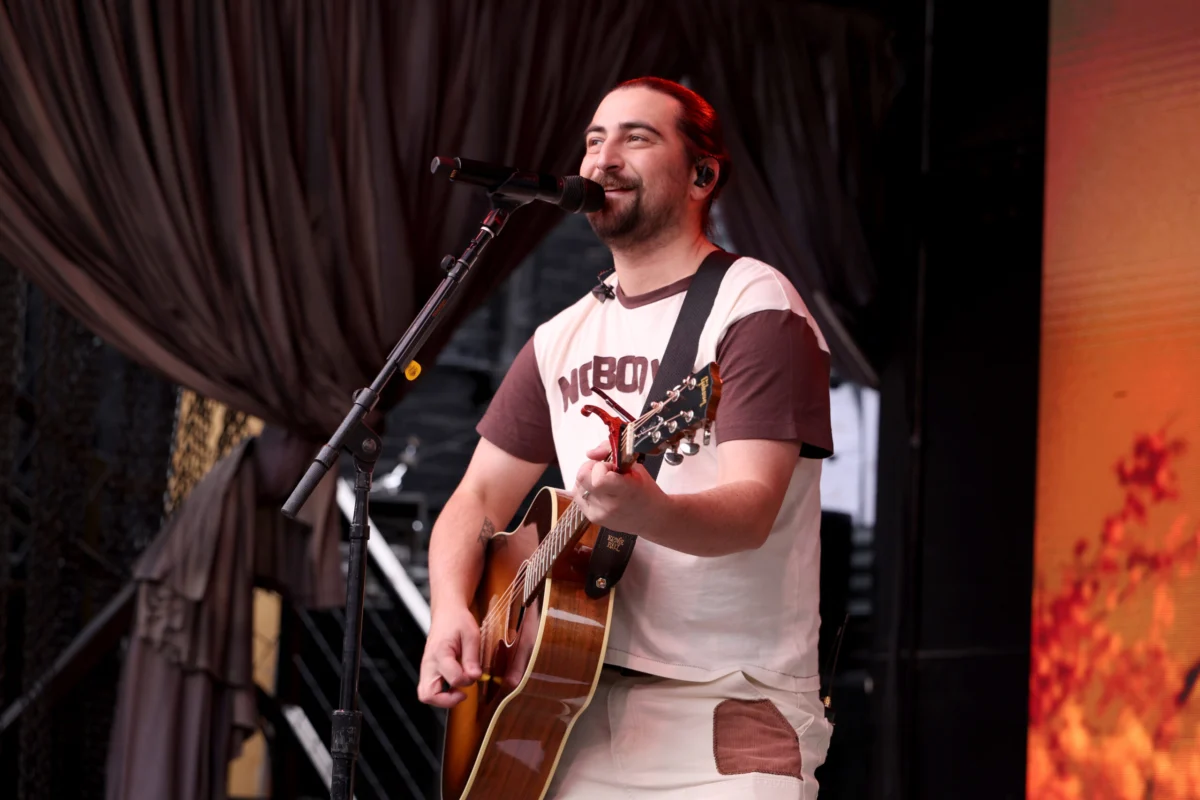
A powerful coalition of prominent recording artists from New England, including Grammy-nominated sensation Noah Kahan, indie rock icons The Pixies, the energetic folk-punk band Dropkick Murphys, jam band pioneers Goose, and the acclaimed singer-songwriter Aimee Mann, have collectively penned an impassioned letter urging Massachusetts lawmakers to approve recently introduced legislation aimed at capping ticket resale prices. The proposed bill, named "The Great Divide Act," seeks to curb the exploitative practices of ticket scalpers and ensure that live performances remain accessible to fans rather than becoming an exclusive luxury commodity.
The artists’ unified plea, delivered on Wednesday, underscores a growing sentiment within the music industry that the current secondary ticket market has become unsustainable and detrimental to both fans and creators. "Live performance should not be a luxury," the 16-artist signatories declared in their statement. "Our art is not a commodity to be bought and resold at extreme markups against our wishes. People who contribute nothing to live performance should not profit more than the artists, venues, crews, and workers who bring these shows to life." This sentiment reflects a deep-seated concern that the passion and dedication of fans are being preyed upon by intermediaries who exploit demand for popular events.
The timing of the artists’ letter is particularly significant, arriving just a week after Massachusetts Governor Maura Healey officially announced "The Great Divide Act." The legislation’s evocative title, borrowed from Noah Kahan’s latest chart-topping album, signifies a strong endorsement from the state’s highest office. Governor Healey has championed the bill, proposing a clear and actionable framework to address the escalating issue of ticket scalping. The core of the proposed legislation centers on establishing a price cap for resold tickets, limiting them to a maximum of 110 percent of the original face value. For instance, a ticket originally priced at $100 could not be resold for more than $110. This measure directly targets the exorbitant markups that often push tickets out of reach for average concertgoers.
Beyond the price cap on resale, "The Great Divide Act" also aims to regulate the broader ticketing ecosystem. It proposes capping fees imposed by secondary ticketing platforms, which often add substantial costs to already inflated prices. Furthermore, the bill seeks to outlaw "speculative ticketing." This practice, prevalent among large-scale ticket brokers, involves listing tickets for sale that the broker does not yet possess, effectively creating artificial scarcity and driving up demand and prices before tickets are even officially released to the public. By cracking down on these tactics, the legislation aims to foster a more transparent and equitable market for all stakeholders.
The Emotional Toll of Scalping: Artists Speak Out
The artists’ letter delves into the profound emotional impact that ticket scalping has on both fans and performers. "Few things hurt an artist more than seeing a fan exploited by a ticket reseller," the statement reads, expressing a sentiment echoed by many in the creative community. "It’s heartbreaking to read comments from fans who paid outrageous resale prices, knowing there’s little we can do to help. Every artist signing this letter has experienced that feeling. Predatory resale, scalping, ticket touting, whatever you choose to call it, does more than exploit fans financially. It erodes the trust between artists and the people who support us."
This sentiment highlights the inherent disconnect created by a system where the genuine appreciation of fans is overshadowed by financial opportunism. The artists emphasize that their connection with their audience is built on shared experiences and mutual respect, a bond that is fundamentally undermined when fans are priced out of attending their shows or forced to pay exorbitant sums. The act of attending a live performance is often described as a transformative experience, a communal gathering that fosters a sense of belonging and shared emotion. When this access is compromised by market forces beyond the control of artists and fans, it diminishes the very essence of live music.
Noah Kahan, in particular, has emerged as a vocal advocate for ticketing reform in recent months. His consistent engagement on this issue has lent significant momentum to legislative efforts in his home region. Kahan has not only lent his voice to the Massachusetts bill but has also actively supported a similar ticketing reform law recently passed in his native Vermont. This proactive stance underscores his commitment to ensuring that the fans who form the bedrock of his career can continue to access his music and performances.
A Growing Movement for Fair Ticketing
The support for "The Great Divide Act" extends beyond the artistic community. Several influential industry organizations have publicly endorsed the bill, signaling a broad-based consensus on the need for change. Groups such as the Music Artist Coalition, the National Independent Talent Organization, and the Future of Music Coalition have all voiced their support, recognizing the systemic issues within the current ticketing landscape.
Ron Gubitz, Executive Director of the Music Artists Coalition, articulated this shared vision: "Artists and fans want the same thing: a fair shot at getting into the room where the music happens," he stated. "Speculative tickets and runaway resale fees break that deal for everyone except the industrial-scale ticket flippers. The Great Divide Act draws that line clearly. Massachusetts, led by Gov. Healey and Sen. Fernandes, is leading the country here with this strong set of reforms." His statement emphasizes that the current system disproportionately benefits professional ticket resellers, often referred to as "flippers," at the expense of genuine music lovers and the artists themselves.
The legislative push in Massachusetts is indicative of a broader national trend. States across the country are increasingly recognizing the need to regulate the ticket resale market. Maine, for instance, introduced price caps on resale tickets last year, demonstrating a commitment to protecting consumers. In the current year, both California and New York have seen similar legislative proposals introduced, indicating a growing bipartisan recognition of the problem. Furthermore, just last week, Washington, D.C., approved a price cap on concert ticket resales, marking another significant step towards a more regulated market. This widespread legislative activity suggests a growing understanding among policymakers that the current ticketing system is not only unfair but also requires governmental intervention to ensure consumer protection and fair market practices.
The Proposed Legislation: Details and Impact
"The Great Divide Act" represents a comprehensive approach to tackling the multifaceted challenges of the modern ticketing market. By proposing a 110% cap on resale prices, the bill directly addresses the issue of price gouging. This percentage is carefully chosen to allow for a small margin of profit for legitimate resale, acknowledging that unforeseen circumstances may require individuals to sell their tickets, while simultaneously preventing excessive markups. The inclusion of a cap on fees charged by secondary ticketing sites is also crucial, as these fees can often inflate the final cost of a ticket beyond the initial resale price, further burdening consumers.
The outlawing of speculative ticketing is perhaps one of the most impactful provisions of the bill. This practice, where brokers list tickets they have yet to acquire, artificially inflates demand and prices. By banning it, the legislation aims to ensure that tickets are genuinely available for purchase before they are listed on the secondary market, thereby reducing the opportunities for manipulation and price inflation. This measure is designed to create a more transparent and predictable purchasing environment for fans.
The potential implications of "The Great Divide Act" are far-reaching. If passed, it could serve as a model for other states seeking to implement similar reforms. The legislation’s success could encourage a domino effect, leading to a more unified national approach to ticket resale regulation. For fans in Massachusetts, the bill promises greater access to live events, potentially leading to increased attendance at concerts and a more vibrant live music scene. For artists, it offers a degree of control over how their work is distributed and a renewed sense of connection with their audience, free from the specter of exploitative resale practices.
The Full Letter and Signatories: A Collective Voice
The full text of the letter penned by the coalition of New England artists provides a detailed articulation of their concerns and their vision for a fairer ticketing future.
"We write as artists who believe deeply in the power of live performance. Shows are where families make memories, where young people discover who they are, and where entire rooms of people share something that cannot be recreated anywhere else. We want these moments to be accessible to everyone, not just those who can afford prices driven by a broken ticket resale market.
Live performance should not be a luxury. Our art is not a commodity to be bought and resold at extreme markups against our wishes. People who contribute nothing to live performance should not profit more than the artists, venues, crews, and workers who bring these shows to life.
Few things hurt an artist more than seeing a fan exploited by a ticket reseller. It’s heartbreaking to read comments from fans who paid outrageous resale prices, knowing there’s little we can do to help. Every artist signing this letter has experienced that feeling. Predatory resale, scalping, ticket touting, whatever you choose to call it, does more than exploit fans financially. It erodes the trust between artists and the people who support us.
We know how much our fans give to be part of these moments. They plan, they save, and they show up. Our fans support us without hesitation, and we owe it to them to stand up for a system that doesn’t shut them out.
Massachusetts is acting to protect our fans by capping resale at 110%, banning speculative tickets and cracking down on deceptive websites. We respectfully ask Massachusetts legislators to stand up for their constituents by protecting fair access to live performances and supporting these reforms."
The extensive list of signatories underscores the broad support for this initiative within the New England music scene and beyond:
- Noah Kahan
- Dropkick Murphys
- The Pixies
- Goose
- Aimee Mann
- Killswitch Engage
- Shadows Fall
- Four Year Strong
- New England Metal and Hardcore Fest
- A Loss For Words
- All That Remains
- Flawed Mangoes
- Mark Erelli
- Melissa Ferrick
- Mission of Burma
- Ryan Montbleau
This united front from artists across various genres and levels of fame signifies a critical juncture in the ongoing debate surrounding ticket pricing and accessibility. Their collective voice, amplified by legislative action in Massachusetts, signals a powerful push towards a more equitable and fan-friendly future for live music. The coming weeks will be crucial as Massachusetts legislators deliberate on "The Great Divide Act," with the potential for significant positive change for artists and fans alike.